
iPhone 20 Concept Render Reveals Radical 20th Anniversary Design
New concept renders for Apple's 20th anniversary iPhone model have been released, showcasing a radical design overhaul. The renders depict a device with a full-screen display and a unique camera system.
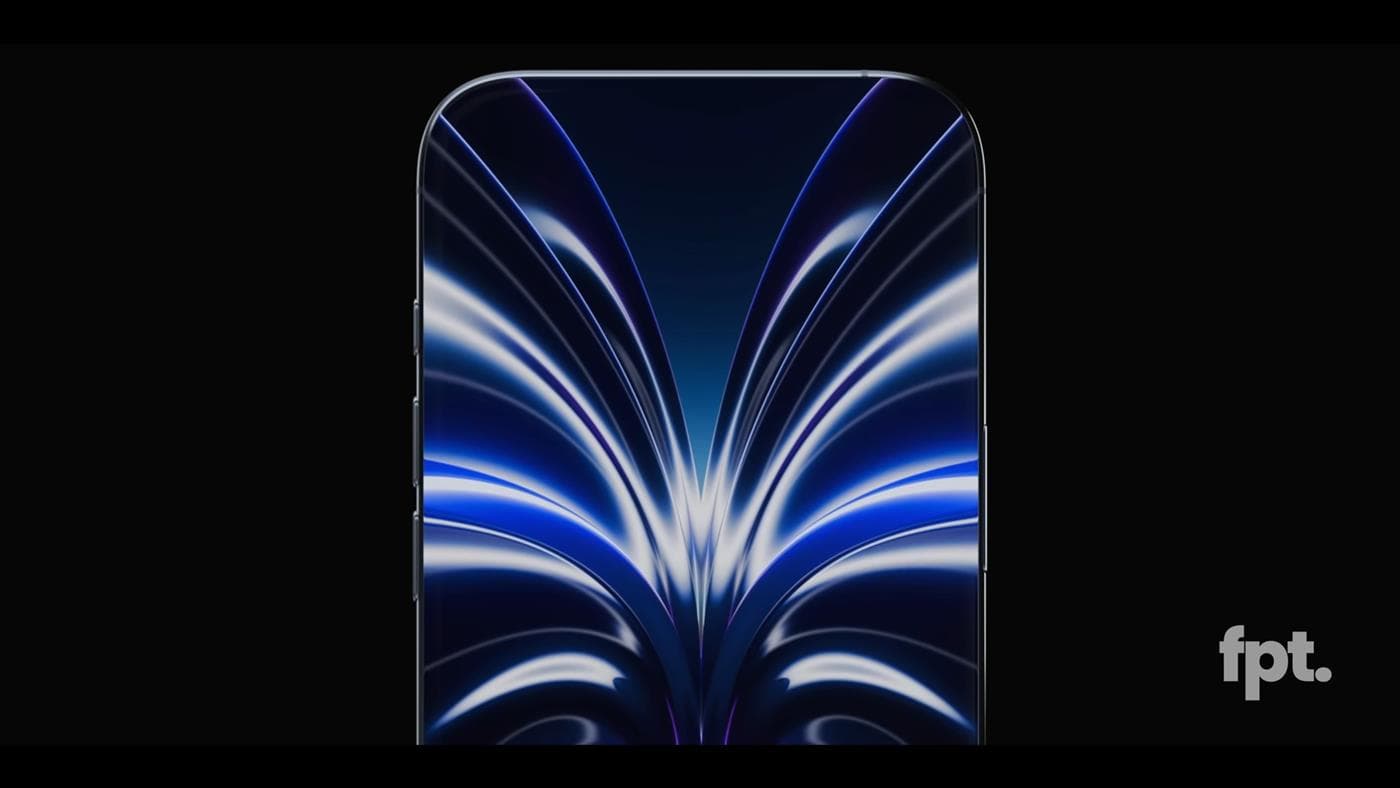
Concept renders for Apple's 20th anniversary iPhone have surfaced online, offering a glimpse into a potential design direction for the milestone device. The images, created by graphic designers, present a smartphone that breaks away from the current iPhone aesthetic with a more angular chassis and a seamless glass front. The renders are speculative and not official Apple designs, but they reflect growing anticipation for the 2027 model.
The concept iPhone features a full-screen display with no notch or punch-hole cutouts, suggesting an under-display Face ID system. The device also incorporates a titanium frame with flat edges, reminiscent of the iPhone 14 series but with sharper corners. The back panel is rendered in a glossy ceramic finish, available in several new color options including deep purple and midnight green.
A notable element in the renders is the camera module, which is positioned centrally rather than in the top-left corner. The module houses three lenses arranged in a triangular pattern, accompanied by a LiDAR scanner and a flash. The design language appears to draw inspiration from the iPhone 4's symmetrical layout, a nod to Apple's design heritage.
The renders also show a USB-C port at the bottom, aligning with Apple's transition away from Lightning. The side buttons are flattened and integrated into the frame, while the mute switch is replaced by a customizable Action button, similar to the iPhone 15 Pro. The SIM card tray is absent, reinforcing the shift to eSIM-only models.
While these renders are purely conceptual, they highlight the expectations for the 20th anniversary iPhone. Industry analysts have speculated that Apple might introduce a foldable device or a completely bezel-less design for the occasion. However, no concrete details have been confirmed by the company.
The concept images were created by a design studio known for producing high-quality smartphone renders. They have previously visualized other unannounced devices, some of which later bore resemblance to actual products. The studio emphasized that their work is based on leaks and industry rumors, not insider information.
Apple has not commented on the renders or its plans for the 20th anniversary iPhone. The company typically maintains secrecy around future products, and such concept designs are not endorsed by Apple. The renders serve as a creative interpretation of what the device could look like, rather than a confirmed blueprint.
The 20th anniversary iPhone is expected to launch in 2027, marking two decades since the original iPhone debuted. Apple has a history of releasing special edition products for anniversaries, such as the iPhone X for the 10th anniversary. The company may leverage the occasion to introduce groundbreaking technologies, but official details remain under wraps.
iPhone 20 Concept Design Leaks Reveal Full-Screen Display and Under-Display Camera
A new concept design for the iPhone 20, based on leaks, shows a full-screen display with an under-display camera and a titanium frame. The device is rumored to launch in 2027 to mark the 20th anniversary of the iPhone.
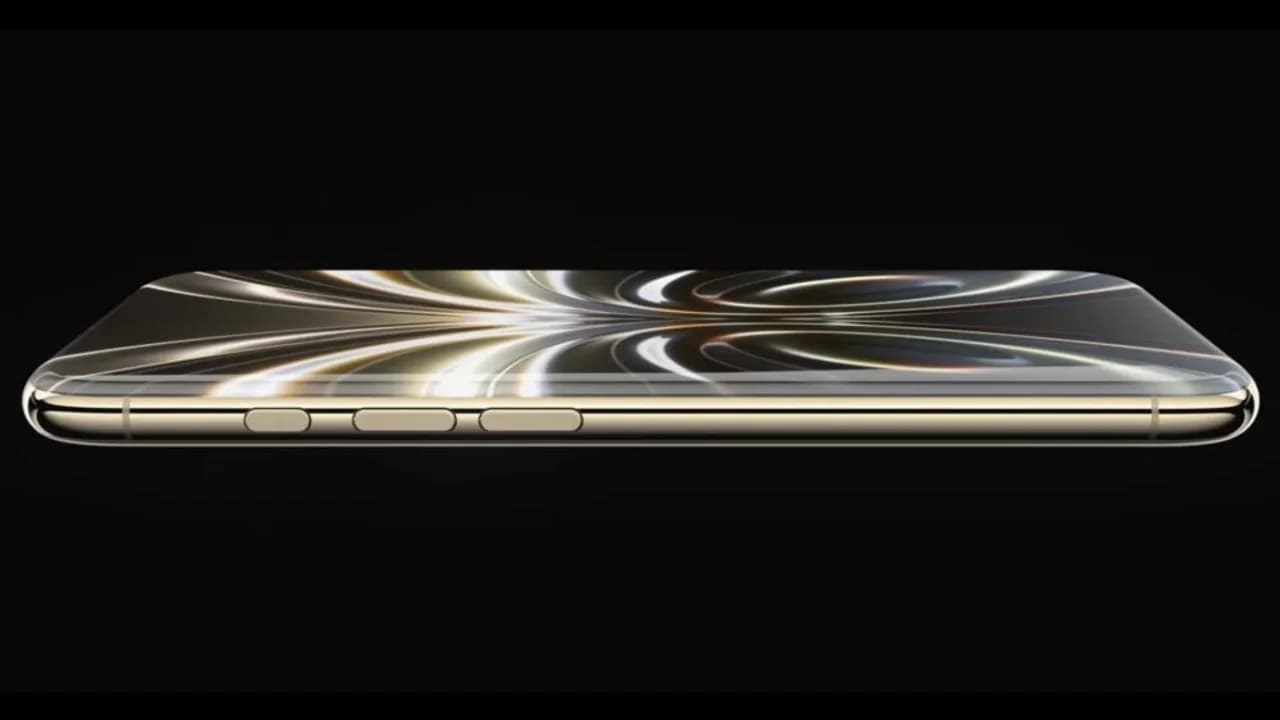
A concept design for the iPhone 20 has emerged, based on recent leaks and rumors surrounding Apple's plans for the 20th anniversary of the iPhone. The concept, created by industrial designers, envisions a device with a seamless full-screen display, eliminating the notch or any cutouts. The front-facing camera is placed under the display, a technology Apple has been developing for several years.
The concept also features a titanium frame, similar to the iPhone 15 Pro, but with a more refined finish. The back panel is made of ceramic glass, offering improved durability. The device is expected to have a 6.7-inch OLED display with ProMotion technology, supporting a 120Hz refresh rate. The under-display camera is said to use a new sensor that can capture high-quality images even when hidden beneath the screen.
According to the leaks, the iPhone 20 will be powered by the A20 Bionic chip, built on a 2nm process, offering significant performance and efficiency gains. The device is also rumored to feature a periscope zoom lens with 10x optical zoom, a significant upgrade from the current 5x zoom on the iPhone 15 Pro Max. The battery capacity is expected to increase by 15% due to more efficient components.
The concept design includes a solid-state volume and power buttons, similar to those rumored for the iPhone 15 Pro but ultimately not implemented. These buttons use haptic feedback to simulate a physical click. The device also features a USB-C port, continuing the transition from Lightning that began with the iPhone 15 series.
Apple is reportedly planning a special event for the iPhone 20 launch in September 2027, marking two decades since the original iPhone was introduced. The company is said to be working on a completely redesigned interface for iOS 21, which will debut alongside the iPhone 20. The software is expected to take advantage of the full-screen design with new gesture controls and widgets.
The iPhone 20 is expected to start at $1,299 for the base model, with the Pro Max variant reaching $1,599. Pre-orders are likely to begin in September 2027, with shipping starting a week later. The device will be available in four colors: Space Black, Silver, Deep Purple, and a new Product(RED) variant.
Industry analysts predict that the iPhone 20 will be one of the most significant upgrades in the history of the iPhone, given the milestone anniversary. However, they caution that the under-display camera technology may not match the quality of traditional cameras, which could be a point of contention for photography enthusiasts.
Apple has not officially commented on the leaks or the concept design. The company typically remains tight-lipped about future products, and these details should be treated as speculative until an official announcement is made.
Google Adds Disco Ball Icons to Pixel Home Screen Customization
Google has introduced disco ball-themed icons for Pixel devices, allowing users to customize their home screens with a glittery aesthetic. The feature is part of a broader update to the Pixel customization options.
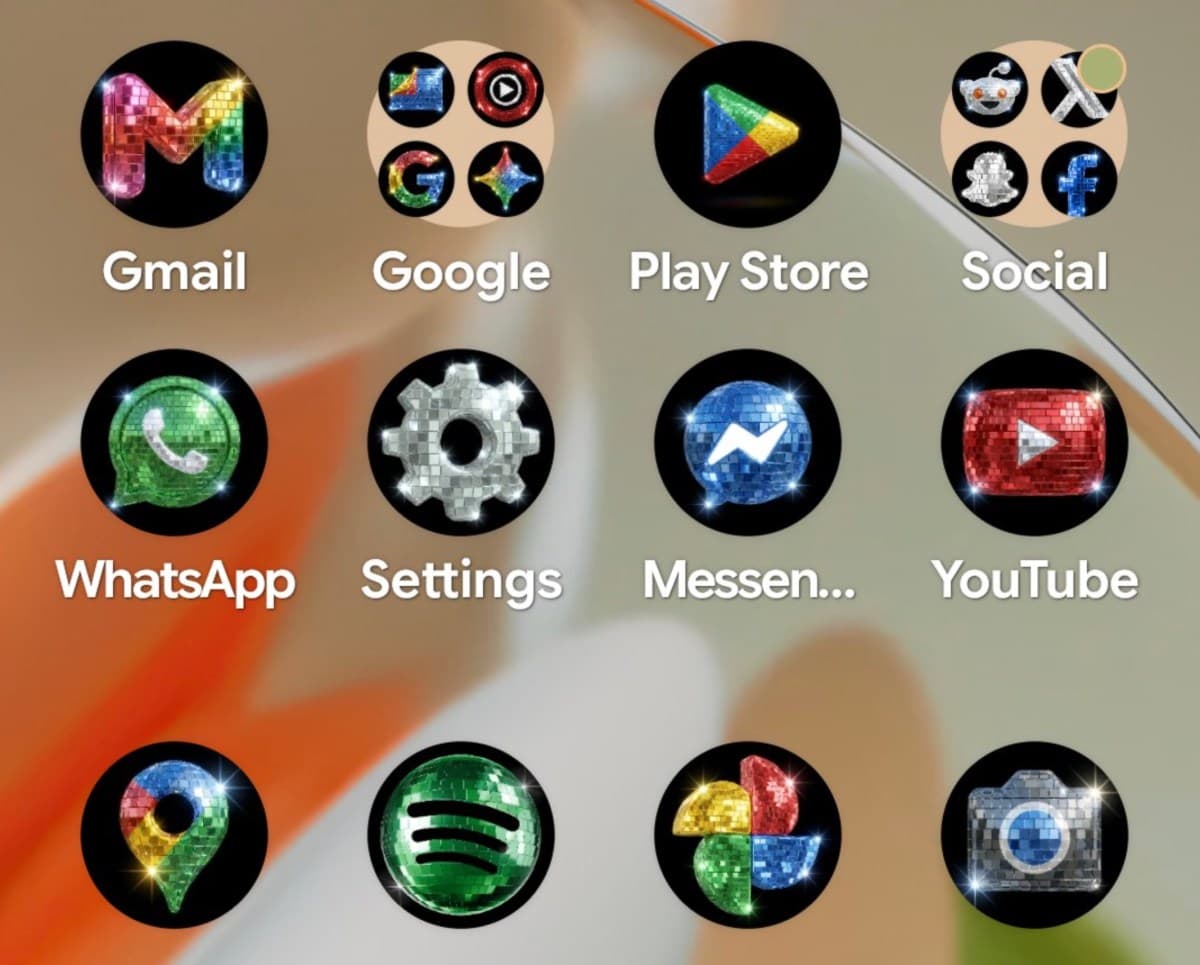
Google has rolled out a new customization feature for Pixel smartphones, enabling users to transform their home screen icons into disco balls. The update, announced on the company's official blog, adds a playful glitter effect to app icons, giving the interface a retro dance-floor vibe. The feature is available for all Pixel devices running Android 14 or later.
The disco ball icons are part of Google's ongoing efforts to expand personalization options for Pixel users. The company has previously introduced themed icons, color palettes, and dynamic wallpapers. The new option can be accessed through the Wallpaper & Style settings, where users can toggle the "Disco ball icons" switch. Once enabled, the icons will shimmer with a reflective, multicolored effect.
Google's product manager for Pixel customization, Sarah Kim, stated that the feature was inspired by user feedback requesting more playful and expressive design choices. "We wanted to bring a bit of fun and nostalgia to the home screen," Kim said. The disco ball effect is applied system-wide, covering all third-party apps as well as Google's own applications.
The update also includes a new set of matching wallpapers that feature disco ball patterns and gradients. Users can choose from static or animated versions, with the latter responding to touch interactions. The wallpapers are designed to complement the icon effect, creating a cohesive look.
Early adopters on social media have shared mixed reactions, with some praising the whimsical design and others questioning its practicality. One user on X (formerly Twitter) asked, "Are y'all sure you still want this?" in response to the announcement. Google acknowledged the feedback, noting that the feature is optional and can be easily disabled.
The disco ball icons are rolling out gradually via the Google Play Services update. Users can check for the update by navigating to Settings > System > System update. The feature is expected to reach all Pixel devices within the next few days.
Google has not announced plans to bring the disco ball icons to non-Pixel Android devices. The company typically reserves such customization features for its own hardware, though some third-party launchers may offer similar functionality. The update is part of a series of smaller enhancements Google has been adding to Pixel devices ahead of the anticipated Pixel 9 launch later this year.
For now, Pixel owners can enjoy the glittery icons as a temporary novelty or a permanent fixture on their home screens. As one Google spokesperson put it, "Sometimes you just need a little sparkle in your day."

Apple's Customer Satisfaction Drops Below Samsung for First Time Since iPhone 11
Apple's customer satisfaction score fell to 80%, dropping below Samsung for the first time since the iPhone 11 era. The decline marks a shift in the smartphone market's satisfaction rankings.
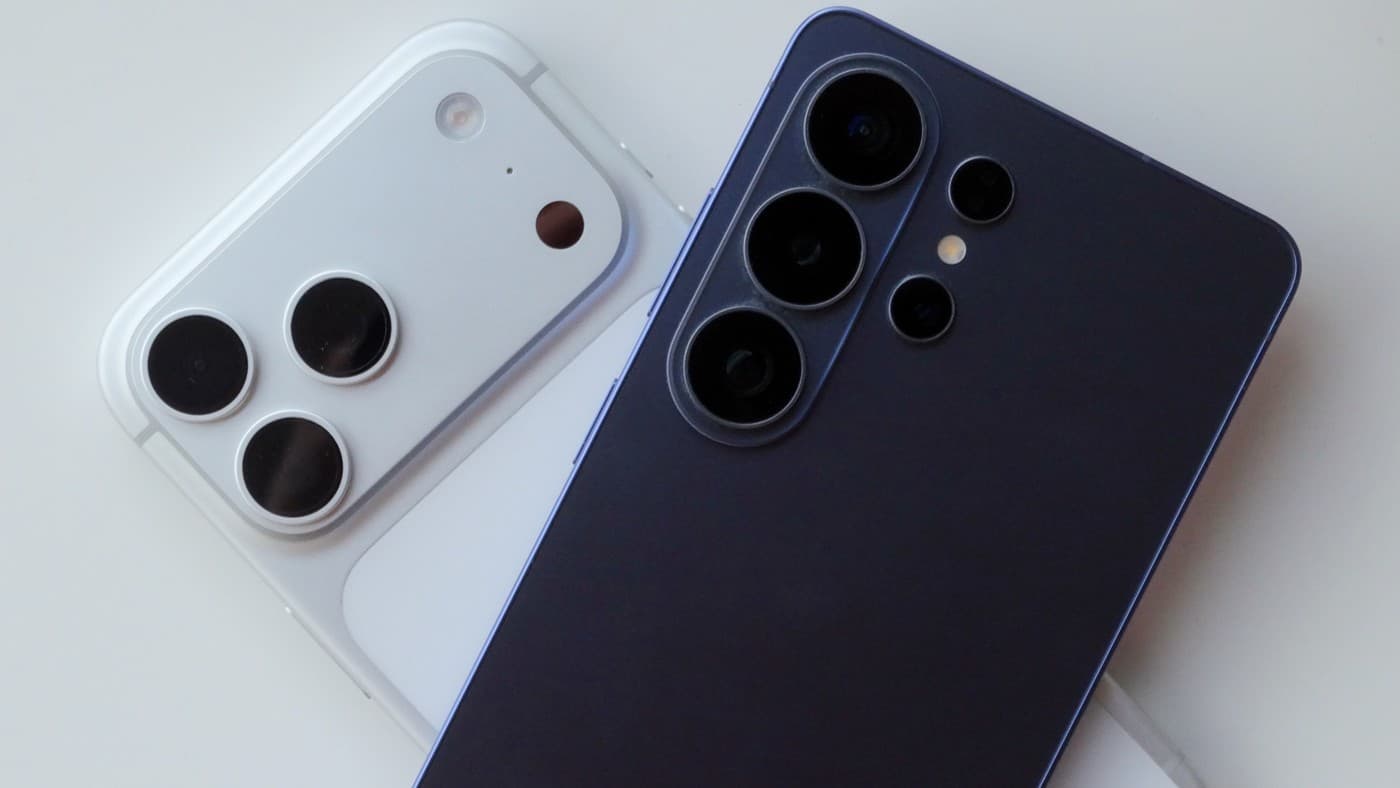
Apple has lost its lead in smartphone customer satisfaction, a position it held for years. The company's satisfaction score dropped to 80%, falling behind Samsung for the first time since the iPhone 11 launch. This shift marks a notable change in the competitive landscape of the mobile industry.
The decline in Apple's satisfaction rating comes from recent surveys tracking consumer sentiment. Samsung now leads with a higher score, though exact figures for Samsung were not disclosed. The data reflects feedback from users regarding device performance, features, and overall experience.
Apple's satisfaction score had remained consistently high since the iPhone 11 series. The iPhone 11, released in 2019, set a benchmark for user approval. However, subsequent models have not maintained the same level of enthusiasm among customers.
Factors contributing to the drop may include changes in design, pricing, or feature updates. Some users have expressed concerns about innovation pace and value for money. The lack of major hardware upgrades in recent iterations could be influencing perceptions.
Samsung's rise in satisfaction can be attributed to its diverse product lineup and aggressive feature integration. The company has focused on foldable devices, camera improvements, and software enhancements. These efforts appear to resonate well with consumers.
The survey results are based on responses from a broad sample of smartphone users. The margin of error and methodology were not specified in the source. However, the trend indicates a shift in brand loyalty and user preferences.
Apple has not officially commented on the satisfaction score decline. The company continues to emphasize customer experience and ecosystem integration. Future product releases may aim to address the factors behind the dip.
Samsung's lead in satisfaction could pressure Apple to innovate more aggressively. The competition between the two giants remains intense, with each vying for consumer approval. The latest data suggests that user expectations are evolving rapidly.

Oppo Find X9 Ultra vs. Vivo X300 Ultra: Telephoto Camera Showdown
The Oppo Find X9 Ultra and Vivo X300 Ultra go head-to-head in a comparison of their telephoto camera capabilities. Both devices feature advanced periscope zoom lenses, but they differ in sensor size, aperture, and image processing.
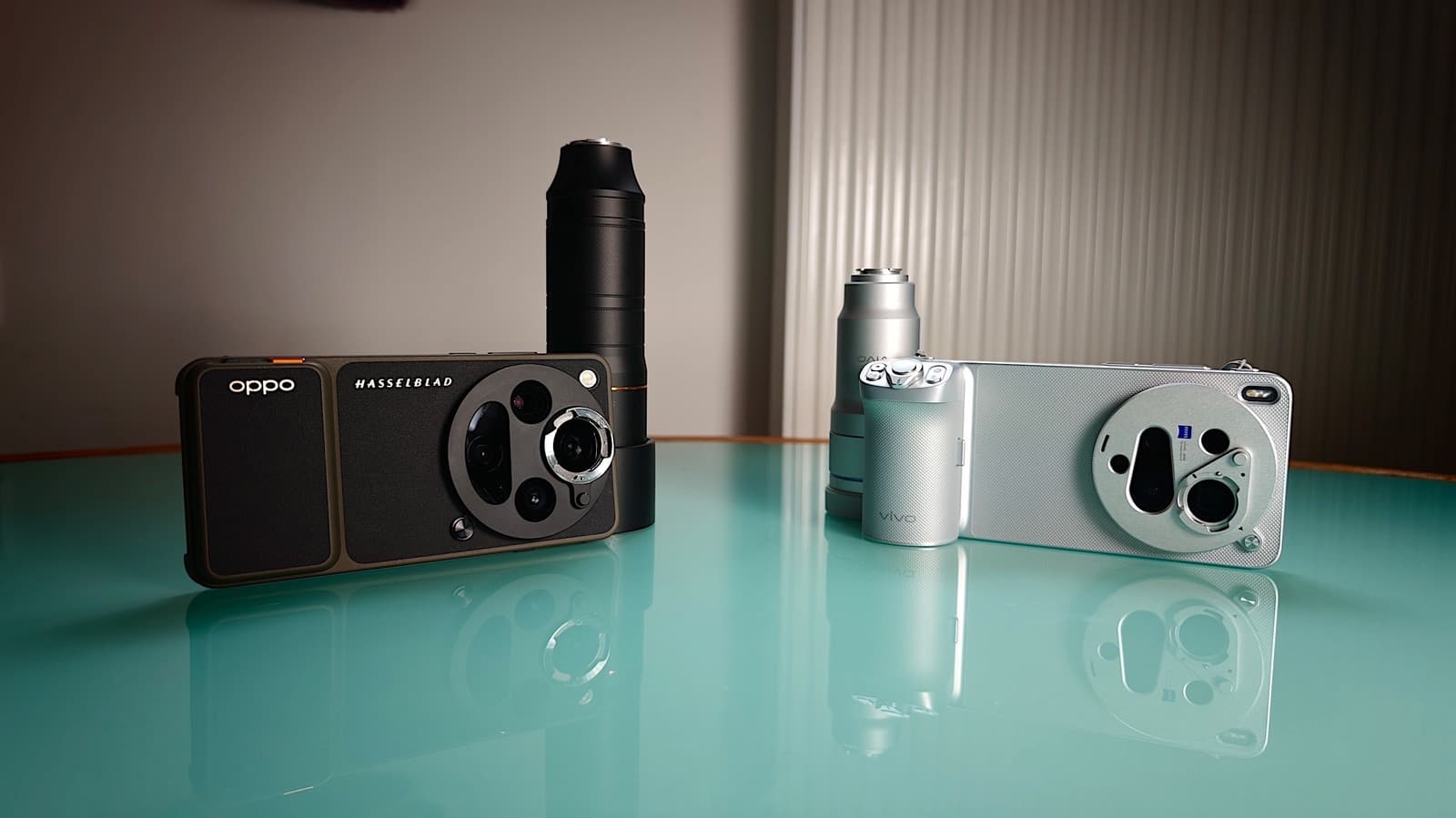
Oppo and Vivo have each released flagship smartphones that push the boundaries of mobile photography. The Oppo Find X9 Ultra and Vivo X300 Ultra both feature dedicated telephoto lenses designed for high-quality zoom shots. Oppo's device includes a 50-megapixel periscope lens with 5x optical zoom, while Vivo's X300 Ultra offers a 64-megapixel periscope lens with 4.4x optical zoom. Both phones use advanced algorithms to enhance image quality at higher zoom levels.
The Oppo Find X9 Ultra relies on a Sony IMX989 sensor for its main camera, paired with a 50-megapixel ultrawide lens and a 50-megapixel telephoto lens. The telephoto lens has an f/2.6 aperture and supports optical image stabilization. Vivo's X300 Ultra uses a custom Samsung ISOCELL GN2 sensor for its main camera, along with a 48-megapixel ultrawide and a 64-megapixel telephoto lens with an f/3.5 aperture and OIS. Both phones can capture 8K video at 30 frames per second.
In testing, the Oppo Find X9 Ultra produced sharper images at 5x zoom compared to the Vivo X300 Ultra at 4.4x zoom. However, the Vivo device performed better in low-light conditions due to its larger pixel size and improved noise reduction. At 10x hybrid zoom, the Oppo phone maintained better detail, while the Vivo phone showed more consistent color accuracy across the frame.
Both smartphones offer dedicated portrait modes that leverage the telephoto lenses. The Oppo Find X9 Ultra uses a 50-megapixel front-facing camera for selfies, while the Vivo X300 Ultra has a 32-megapixel front camera. In portrait shots, the Oppo phone delivered more natural bokeh effects, while the Vivo phone provided better edge detection.
The Oppo Find X9 Ultra is powered by the Qualcomm Snapdragon 8 Gen 3 processor, while the Vivo X300 Ultra uses the MediaTek Dimensity 9300 chip. Both devices feature high-refresh-rate AMOLED displays, with Oppo offering a 6.82-inch screen and Vivo a 6.78-inch screen. Battery capacities are similar, with Oppo at 5,000mAh and Vivo at 4,900mAh, both supporting fast wired and wireless charging.
Pricing for the Oppo Find X9 Ultra starts at $1,199 for the 12GB RAM and 256GB storage model. The Vivo X300 Ultra starts at $1,099 for the same configuration. Both phones are available in select markets, with Oppo launching in China and Europe, while Vivo focuses on China and India.
Oppo's Find X9 Ultra goes on sale starting September 15, 2024. Vivo's X300 Ultra will be available from September 20, 2024. Pre-orders for both devices include promotional discounts and bundled accessories.