OpenAI to Supply Japan Government with Advanced Cybersecurity AI Model
OpenAI announced it will provide the Japanese government and select companies with an AI model that has advanced cybersecurity features. The decision follows rising concerns about AI-powered cyberattacks after Anthropic's release of Claude Mythos.
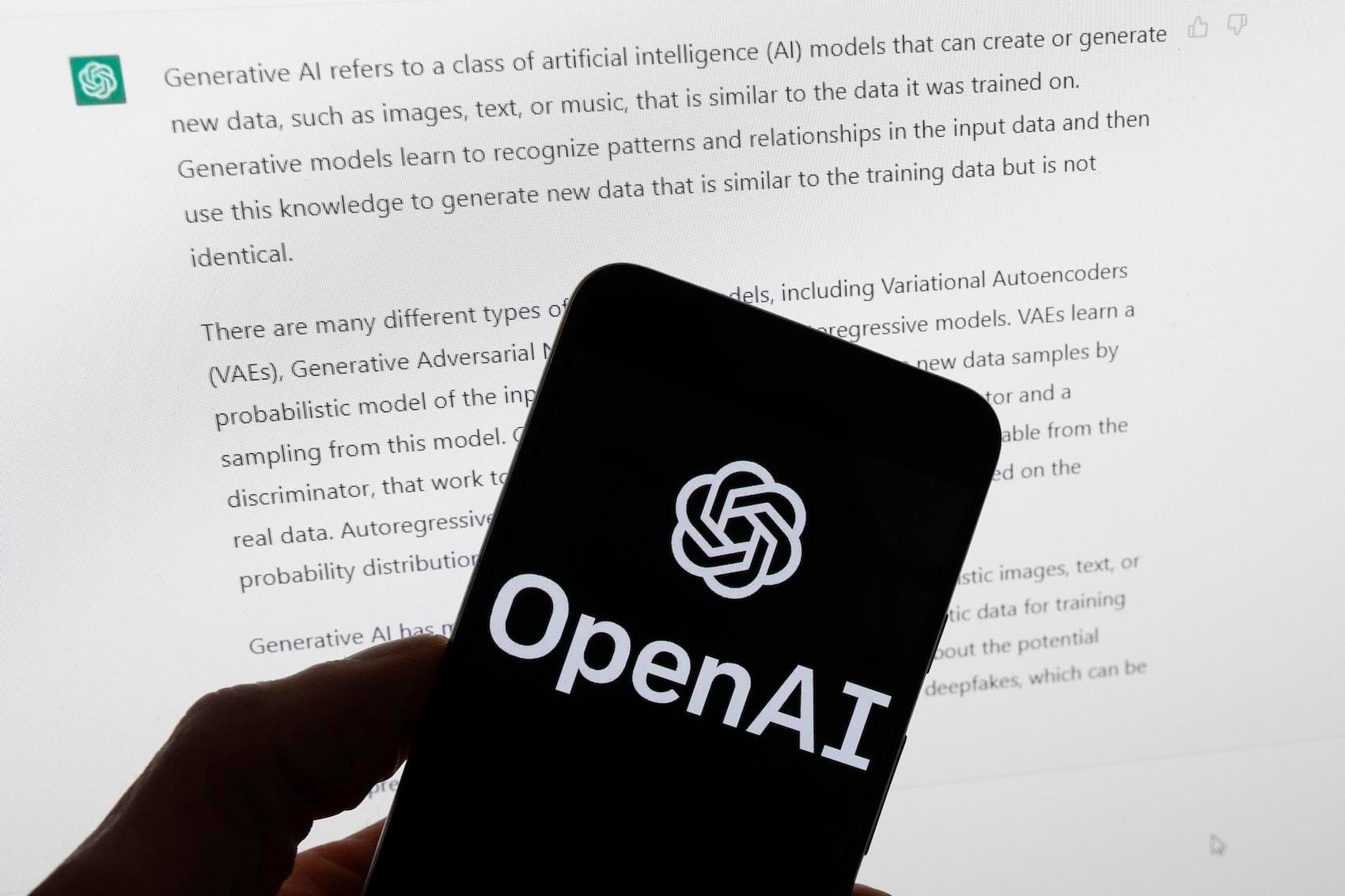
OpenAI, the U.S. company behind the ChatGPT chatbot, said on Thursday it will supply the Japanese government and certain businesses with an AI model designed for advanced cybersecurity. The announcement comes amid growing unease over the potential for AI to be used in cyberattacks, particularly after U.S. startup Anthropic recently unveiled its Claude Mythos system.
The AI model from OpenAI is intended to bolster Japan's defenses against cyber threats. It will be made available to government agencies and a select group of companies, though OpenAI did not specify which organizations would receive access. The model is expected to help detect and respond to sophisticated cyberattacks that may leverage AI technologies.
OpenAI's move reflects a broader trend of AI developers working with governments to address security challenges. The company has previously collaborated with other nations on AI safety initiatives. Japan has been actively seeking to strengthen its cybersecurity posture, especially as digital threats become more complex.
The decision to provide the model to Japan follows the release of Anthropic's Claude Mythos, which raised alarms about the potential misuse of AI for malicious purposes. OpenAI's offering is seen as a proactive step to counter such risks by equipping defenders with advanced tools.
Details on the specific capabilities of the cybersecurity AI model were not disclosed. However, OpenAI emphasized that the model incorporates state-of-the-art techniques for identifying and mitigating threats. The company also noted that it would work closely with Japanese authorities to ensure responsible use.
Japan's government has welcomed the initiative, viewing it as a critical component of its national cybersecurity strategy. Officials have stressed the importance of staying ahead of adversaries who might exploit AI for attacks. The partnership with OpenAI is expected to enhance Japan's ability to protect critical infrastructure and sensitive data.
OpenAI did not provide a timeline for the deployment of the model or specify any financial terms. The company said it would continue to monitor the evolving threat landscape and adjust its offerings accordingly. This collaboration marks another step in OpenAI's efforts to apply its AI research to real-world security challenges.
OpenAI confirmed that the model will be provided to the Japanese government and select companies, with no further details on pricing or availability. The company stated it remains committed to supporting global cybersecurity efforts through responsible AI deployment.
Cursor Reaches $3 Billion Annual Sales Rate Ahead of SpaceX Acquisition
Cursor's annualized revenue hit $3 billion in late April, signaling rising demand for its AI coding software. The startup is expected to be acquired by Elon Musk's SpaceX.
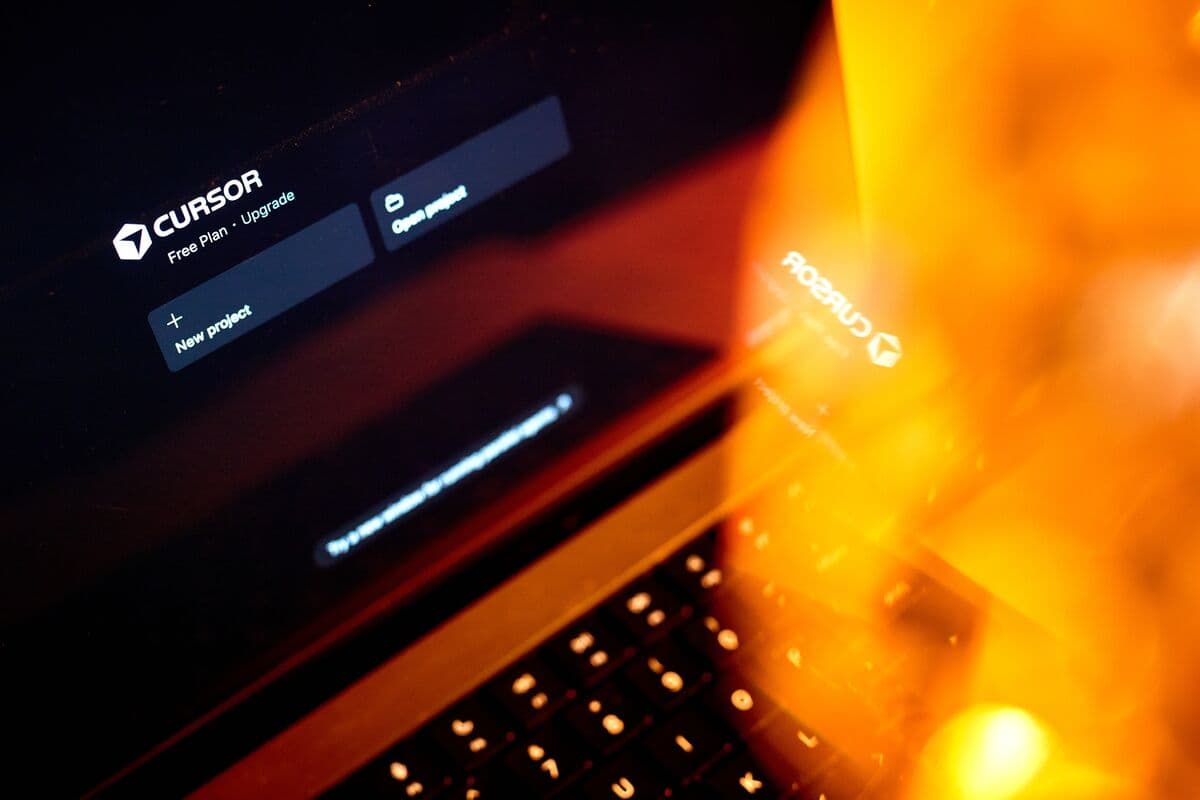
Cursor’s annualized revenue reached $3 billion in late April, according to a person familiar with the matter. The figure reflects growing demand for the company’s AI-powered coding software ahead of an anticipated acquisition by Elon Musk’s SpaceX. The startup’s annualized revenue, which extrapolates recent sales over a 12-month period, had surpassed $2 billion in February, as reported by Bloomberg. Cursor now counts over 3,000 customers that each pay at least $100,000 annually for its services. The company’s rapid revenue growth underscores the increasing adoption of AI tools in software development. Cursor’s software assists developers by generating and completing code, reducing the time needed for programming tasks. The deal with SpaceX, if finalized, would mark a significant expansion of Musk’s AI investments. Neither Cursor nor SpaceX has publicly commented on the acquisition terms. The startup’s revenue milestone comes amid a broader surge in demand for AI coding assistants from companies like GitHub Copilot and Amazon CodeWhisperer. Cursor’s customer base includes major technology firms and enterprises seeking to streamline their development workflows. The $3 billion annualized revenue rate positions Cursor as a leading player in the AI coding market. The expected acquisition by SpaceX could provide Cursor with additional resources and integration opportunities within Musk’s aerospace and technology ventures. Details of the deal remain undisclosed, but the revenue growth highlights the startup’s strong market traction.

OpenAI to supply Japan with advanced cybersecurity AI model
OpenAI announced Thursday it will provide the Japanese government and select companies with an AI model featuring advanced cybersecurity capabilities. The move addresses growing concerns over AI-powered cyberattacks following Anthropic's release of Claude Mythos.
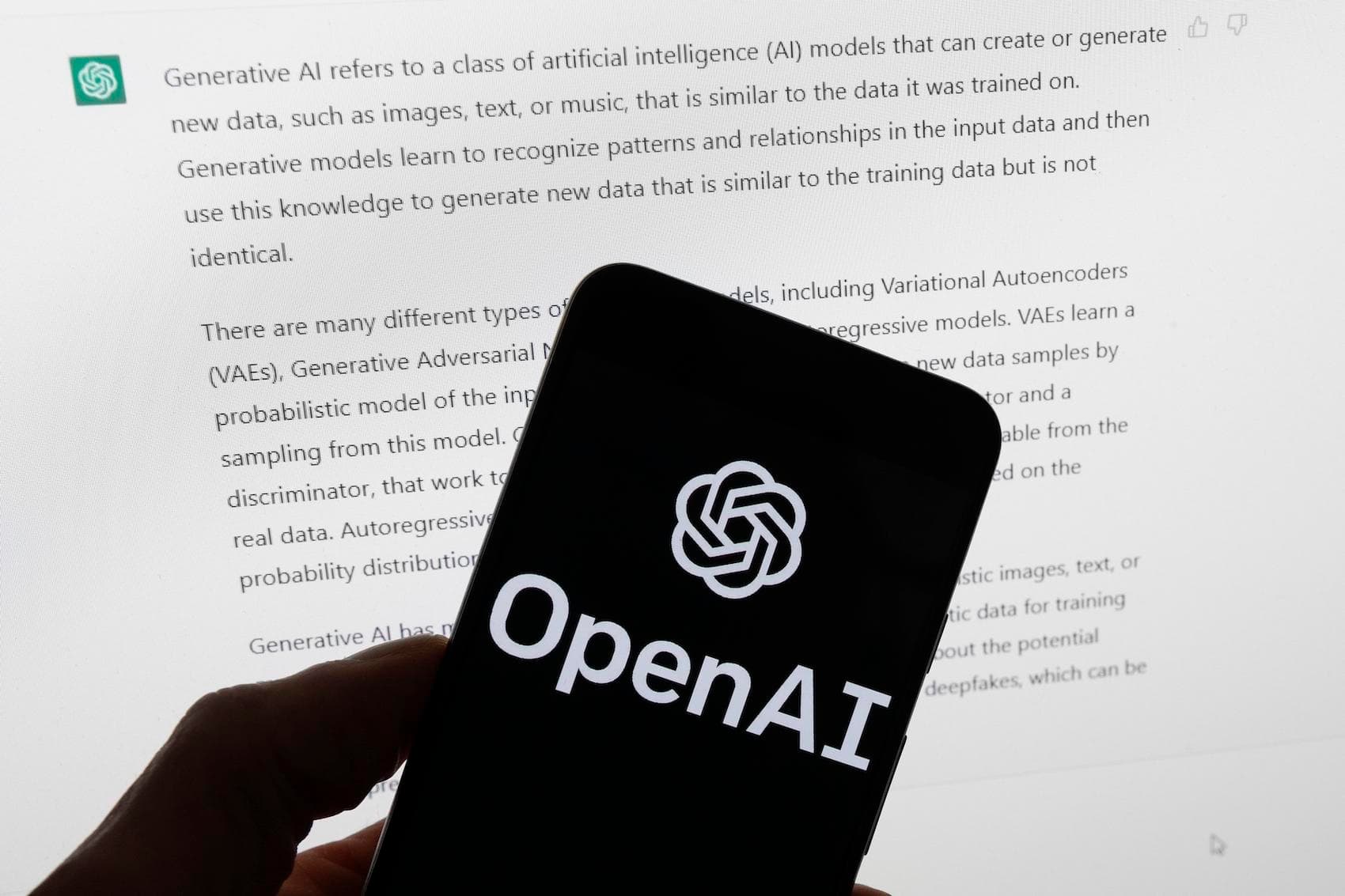
OpenAI, the U.S. developer of the artificial intelligence chatbot ChatGPT, said Thursday it will provide the Japanese government and some companies with an AI model featuring advanced cybersecurity capabilities. The move comes as concerns are growing over potential cyberattacks using AI after U.S. startup Anthropic recently released its Claude Mythos model.
The AI model, which has not been named, is designed to detect and respond to sophisticated cyber threats. It will be made available to Japanese government agencies and select private-sector organizations to bolster their defenses against AI-driven attacks. OpenAI stated that the model leverages its latest advancements in machine learning to identify anomalies and potential breaches in real time.
Japanese officials expressed interest in the technology amid rising cyber threats from state-sponsored groups and criminal organizations. The government has been ramping up its cybersecurity posture, with a particular focus on critical infrastructure sectors such as energy, finance, and telecommunications. OpenAI's offering is expected to complement existing security measures.
OpenAI emphasized that the model will be deployed with strict data privacy and security protocols. The company said it will work closely with Japanese authorities to ensure the AI operates within legal and ethical boundaries. No financial terms of the agreement were disclosed.
The announcement follows a series of high-profile cyber incidents in Japan, including attacks on government networks and major corporations. In response, Tokyo has increased investment in cybersecurity and sought partnerships with international tech firms. OpenAI's collaboration marks one of the first direct government deployments of its cybersecurity AI.
Anthropic's Claude Mythos, released earlier this month, raised alarms among security experts due to its potential for misuse in crafting sophisticated phishing campaigns and malware. OpenAI's model is intended to counter such threats by providing advanced detection capabilities that can adapt to evolving attack patterns.
Availability of the AI model is expected to begin in the coming months, with a phased rollout to government agencies first. OpenAI said it will also offer training and support to Japanese cybersecurity teams to maximize the model's effectiveness. The company plans to expand similar partnerships with other governments in the future.
OpenAI CEO Sam Altman stated that the company is committed to ensuring AI is used for defensive purposes. The Japanese government welcomed the initiative, calling it a critical step in safeguarding national security. Details on specific agencies and companies receiving the model have not been released.

AI Reconstruction of Dead Pilots' Voices Forces NTSB to Block Docket Access
Individuals used AI to reconstruct voices of deceased pilots from spectrogram images of cockpit recordings, prompting the NTSB to temporarily block access to its docket system.

The National Transportation Safety Board temporarily blocked public access to its online docket system after discovering that individuals were using artificial intelligence to reconstruct the voices of dead pilots from cockpit voice recorder spectrograms. The NTSB said the move was necessary to prevent misuse of sensitive audio data from aviation accident investigations.
Cockpit voice recorders capture conversations and sounds in the cockpit, which are typically analyzed by investigators. Spectrograms are visual representations of audio frequencies over time, often included in public docket materials. By feeding these spectrograms into AI voice synthesis tools, users were able to recreate speech patterns and voices of pilots who died in crashes.
The NTSB stated that the reconstructed audio could be misleading or inaccurate, potentially causing distress to families and undermining the integrity of investigations. The agency emphasized that raw audio from cockpit voice recorders is never released to the public, but spectrograms have been routinely included in docket files.
This incident highlights the growing capability of AI to extract and replicate audio from visual data. Voice synthesis models, such as those based on deep learning, can generate realistic speech from limited input, including spectrograms. The NTSB's action underscores the challenges regulators face as AI tools become more accessible.
The temporary block on the docket system began on [date not specified in source] and affected access to all documents, not just those related to cockpit recordings. The NTSB said it is reviewing its policies on what information is made public and how to protect sensitive data from AI exploitation.
Aviation safety experts noted that cockpit voice recordings are crucial for understanding accident causes, but their release must balance transparency with privacy and security. The NTSB's docket system is used by researchers, journalists, and the public to access investigation materials.
The NTSB has not announced when the docket system will be fully restored. The agency is working on implementing safeguards to prevent similar AI-driven reconstructions in the future. This case marks one of the first known instances of AI being used to recreate voices from accident investigation data.
Ferrari taps IBM AI to build deeper Formula 1 fan engagement
IBM and Scuderia Ferrari HP are using IBM's AI platform to create personalized digital experiences for Formula 1 fans. The collaboration aims to transform how fans interact with the team through data-driven insights and interactive tools.

IBM and Scuderia Ferrari HP have unveiled a new initiative that leverages artificial intelligence to deepen fan engagement in Formula 1. The partnership, announced this week, integrates IBM's watsonx AI platform into Ferrari's digital ecosystem. The goal is to deliver personalized content and interactive experiences to fans worldwide.
The system analyzes vast amounts of race data, including telemetry, driver performance, and historical statistics. It then generates tailored insights and predictions for individual fans. For example, a fan might receive a customized race preview highlighting their favorite driver's strengths against a specific rival.
IBM's AI also powers a new chatbot on Ferrari's official app and website. The chatbot can answer questions about race strategies, car specifications, and team history. It learns from user interactions to improve its responses over time.
Ferrari's head of brand diversification and lifestyle, Nicola Lanzetta, said the technology allows the team to connect with fans on a more personal level. "We want every fan to feel like they are part of the team," Lanzetta stated. "AI helps us deliver that experience at scale."
IBM's watsonx platform provides the underlying machine learning models. These models are trained on decades of Ferrari race data and real-time feeds from current Grands Prix. The system can simulate race outcomes and suggest fantasy racing picks.
The initiative is part of a broader trend in motorsports where teams use AI to enhance fan engagement. Other F1 teams have experimented with similar tools, but Ferrari's partnership with IBM is among the most comprehensive.
Fans can access the AI features through the official Scuderia Ferrari app, available on iOS and Android. The chatbot is currently in beta and will roll out fully ahead of the 2025 season. Ferrari plans to expand the AI's capabilities to include virtual reality experiences and predictive gaming.
IBM's senior vice president of software and chief commercial officer, Kate Woolley, emphasized the scalability of the solution. "This is not just about Ferrari," Woolley said. "The same AI framework can be adapted for other sports and entertainment properties."
The partnership builds on IBM's long-standing relationship with Ferrari, which includes providing IT infrastructure and data analytics. The new AI features are free for all registered Ferrari fans.