SpaceX, OpenAI, Anthropic IPOs Pose Big Risks and Rewards for Wall Street
Wall Street anticipates a wave of major IPOs starting with SpaceX in June, followed by AI rivals OpenAI and Anthropic, each targeting valuations around $1 trillion. The listings present significant opportunities but also substantial risks due to high valuations and market volatility.

Wall Street is preparing for an unprecedented series of blockbuster initial public offerings, with Elon Musk's SpaceX expected to lead the charge in June. The space exploration company is reportedly targeting a valuation around $1 trillion, setting the stage for what could be one of the largest IPOs in history. Following SpaceX, artificial intelligence firms OpenAI and Anthropic are also planning to go public, each eyeing similar trillion-dollar valuations. The trio of mega listings has investors and analysts closely watching the market's appetite for such high-stakes offerings.
SpaceX, known for its reusable rockets and Starlink satellite internet service, has long been a private market darling. The company's IPO is anticipated to draw significant interest from both institutional and retail investors, given its track record of innovation and government contracts. However, the valuation remains a point of debate, as SpaceX's revenue streams are still evolving and the space industry carries inherent risks.
OpenAI, the creator of ChatGPT, has become a household name in artificial intelligence. The company's IPO is expected to capitalize on the booming AI sector, with investors eager to gain exposure to cutting-edge language models and generative AI. OpenAI's valuation reflects its leading position in the field, but competition from other AI startups and tech giants could pressure margins.
Anthropic, founded by former OpenAI employees, focuses on AI safety and research. The company has developed its own large language model, Claude, and has attracted significant venture capital funding. Its IPO will test whether investors are willing to bet on a more cautious approach to AI development, as Anthropic emphasizes ethical considerations and alignment.
The simultaneous arrival of these three mega IPOs presents a unique challenge for the market. Underwriters will need to gauge demand carefully, as the sheer size of the offerings could strain liquidity. Historically, large IPOs have sometimes struggled in volatile markets, and the current economic environment—with interest rates still elevated—adds uncertainty.
Regulatory scrutiny is another factor. SpaceX operates in a heavily regulated industry, and both OpenAI and Anthropic face potential government oversight as AI regulation evolves. Any adverse regulatory developments could impact valuations and investor sentiment.
Despite the risks, the potential rewards are substantial. If these companies deliver on their growth promises, early investors could see significant returns. The IPOs also represent a milestone for the private markets, which have seen a surge in late-stage funding rounds that have kept companies private longer.
SpaceX is expected to file its S-1 registration statement with the SEC in the coming weeks, with the IPO tentatively scheduled for June. OpenAI and Anthropic have not yet announced specific dates but are believed to be targeting the second half of the year. All three companies declined to comment on the IPO plans.
Investors should brace for a period of heightened activity and volatility as these mega listings hit the market. The success of these IPOs could set the tone for other high-profile companies considering going public, including Stripe and Instacart. For now, Wall Street is watching closely, balancing excitement with caution.
Meridian Ventures Raises $35M Fund for MBA-Deferred Startup Founders
Meridian Ventures has raised a $35 million second fund to back pre-seed and seed-stage companies founded by individuals who deferred their MBA. The fund aims to support founders who chose entrepreneurship over business school.
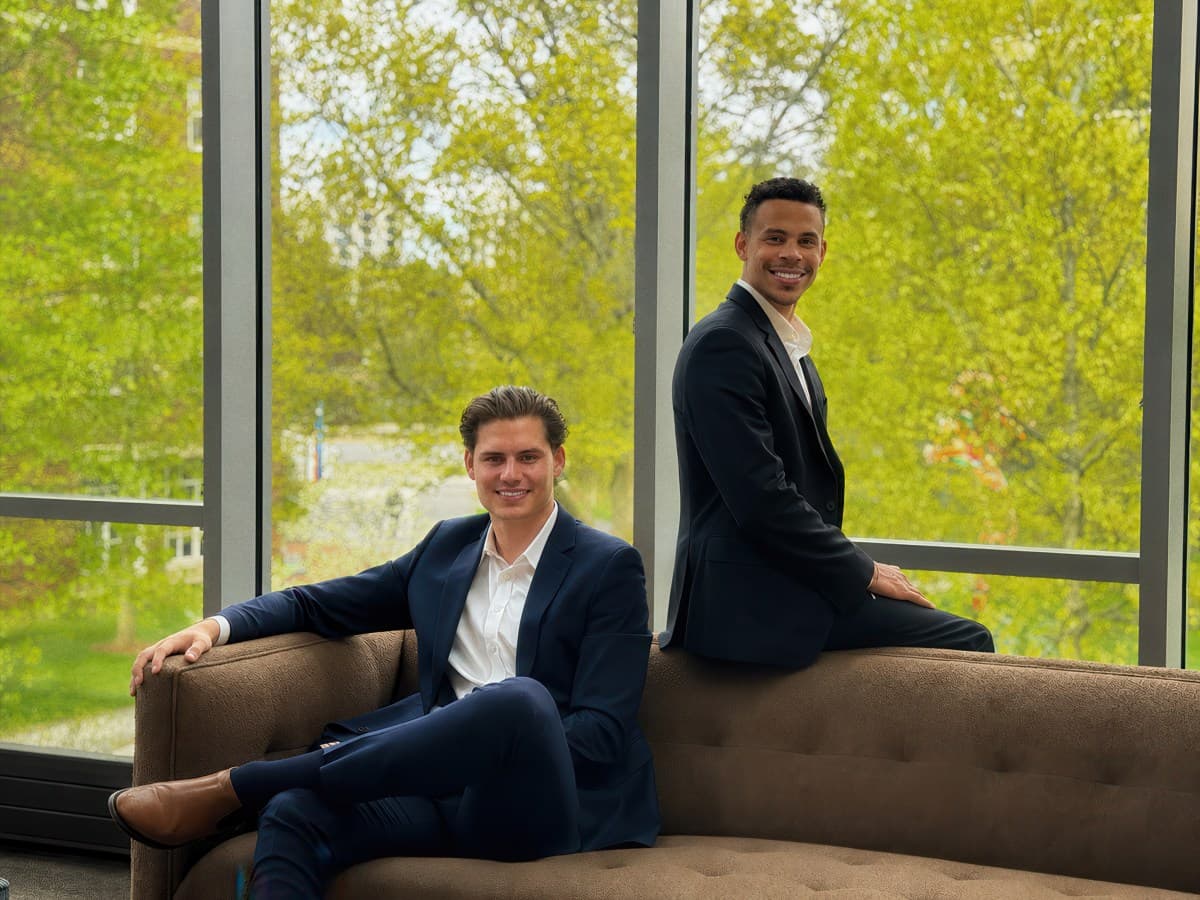
Meridian Ventures, the venture firm co-founded by Devon Gethers and Karlton Haney, announced on Friday the closure of a $35 million second fund. The fund is specifically designed to invest in pre-seed and seed-stage startups founded by individuals who have deferred their MBA programs. This niche focus aims to support entrepreneurs who chose to pursue their business ideas rather than immediately attending business school.
The new fund will target companies across various sectors, including software, healthcare, and consumer goods. Meridian Ventures typically writes checks ranging from $500,000 to $1 million for early-stage startups. The firm has already made several investments from the fund, including in a fintech platform and a health tech company, though specific names were not disclosed.
Gethers and Haney founded Meridian Ventures in 2019 with a thesis that deferred MBA students represent a unique and underfunded founder pool. These individuals often have strong academic backgrounds and professional experience but lack the traditional network of MBA graduates. The firm provides not only capital but also mentorship and access to a network of fellow deferred MBA founders.
The $35 million fund is significantly larger than Meridian's first fund, which raised $10 million in 2020. The increase reflects growing interest in alternative pathways to entrepreneurship and the success of the firm's initial investments. Meridian Ventures has backed over 20 companies from its first fund, with several achieving notable growth.
This approach contrasts with traditional venture capital that often favors founders with established business credentials. By targeting deferred MBA students, Meridian taps into a demographic that might otherwise be overlooked. The firm believes these founders are highly motivated and bring fresh perspectives to their industries.
For founders, Meridian's fund offers a lifeline to pursue their ventures without the immediate pressure of an MBA degree. The firm's support can help bridge the gap between academic ambition and real-world execution. Startups backed by Meridian also benefit from the firm's focus on long-term growth rather than quick exits.
The fund is open to founders globally, though Meridian Ventures is based in San Francisco. The firm plans to invest in approximately 30-40 companies from this fund over the next three years. Gethers and Haney are actively seeking startups that demonstrate strong product-market fit and scalable business models.
Looking ahead, Meridian Ventures aims to expand its reach and continue building a community of deferred MBA founders. The firm is also exploring partnerships with business schools to identify promising entrepreneurs early. As the venture landscape evolves, Meridian's specialized fund highlights the growing recognition of diverse founder backgrounds.

Clio reaches $500M ARR as Anthropic raises the bar
Legal tech startup Clio hits $500 million in annual recurring revenue. The milestone comes as Anthropic increases competition in the AI space.

Clio, a legal tech startup, has reached $500 million in annual recurring revenue (ARR). The milestone comes at a time when Anthropic is intensifying competition in the AI industry.
The company provides cloud-based software for law firms. Its platform handles case management, billing, and document automation. Clio has seen rapid adoption as more legal practices digitize their operations.
A typical scenario: a small law firm uses Clio to track billable hours, generate invoices, and store client documents securely. The software integrates with popular tools like Microsoft 365 and QuickBooks.
Clio serves over 150,000 legal professionals across 100 countries. The company has raised over $900 million in funding to date.
The $500M ARR milestone highlights strong demand for legal tech solutions. It also signals growing pressure on competitors as the market expands.

Andreessen Horowitz becomes top donor in US midterm elections
Venture capital firm Andreessen Horowitz has donated $115.5 million in the current election cycle, making it the largest donor. The firm's political spending has surged compared to previous cycles.
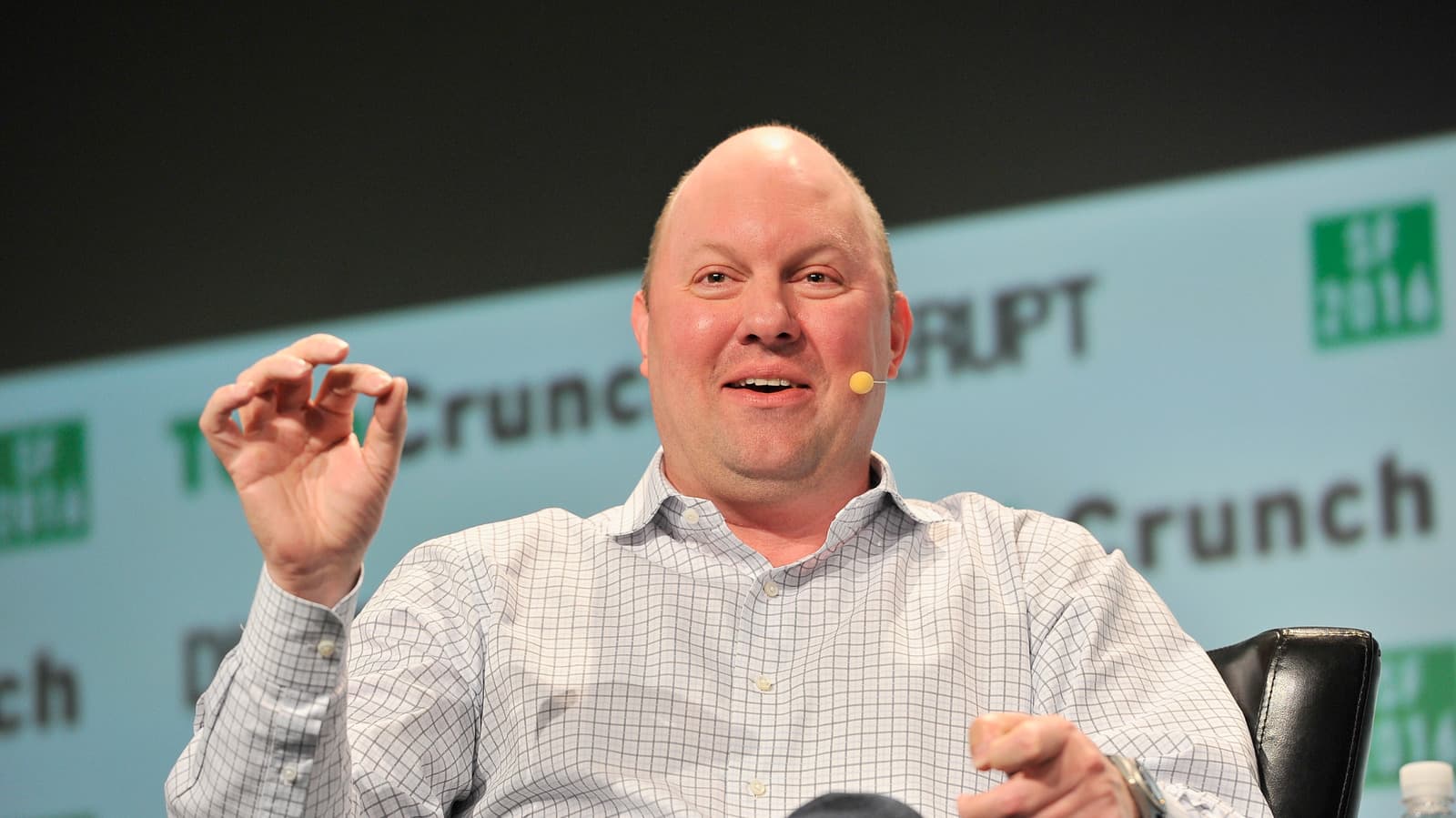
Andreessen Horowitz has emerged as the biggest donor in the US midterm elections. The venture capital firm has poured $115.5 million into this election cycle, according to recent reports.
This marks a significant increase in political spending for the firm. In previous cycles, Andreessen Horowitz donated smaller amounts, but this year it has become the top contributor among all donors.
The donations have been directed to various political action committees and candidates. The firm has supported both Republican and Democratic candidates, focusing on those who align with its interests in technology and innovation.
Andreessen Horowitz's political strategy reflects its growing influence in Washington. The firm has been actively lobbying on issues like cryptocurrency regulation, antitrust policy, and immigration for tech workers.
The $115.5 million figure surpasses contributions from other major donors. This positions Andreessen Horowitz as a key player in shaping the political landscape through financial support.
The firm's partners have also made individual donations. Some have been vocal about their political preferences on social media, adding to the firm's overall political engagement.
As the midterms approach, Andreessen Horowitz's spending could have a tangible impact on key races. The firm's priorities include supporting candidates who favor innovation-friendly policies.

Geothermal startup Fervo Energy surges 33% in IPO debut as AI data centers drive demand
Fervo Energy, a geothermal startup, saw its stock price jump 33% in its first day of trading. The company's IPO was upsized multiple times after investors questioned why it wasn't raising more capital.

Fervo Energy went public today, and its shares popped 33% in the initial public offering. The enhanced geothermal startup raised more money than originally planned after potential investors pushed for a larger offering.
The company uses advanced drilling techniques to create geothermal reservoirs where natural heat isn't easily accessible. By injecting water into hot rock formations, they generate steam to produce electricity around the clock.
A typical scenario: Fervo drills horizontal wells into hot granite, then circulates water through the network to capture heat. The resulting steam drives turbines, providing a steady power source without relying on weather conditions.
This approach is gaining attention because AI data centers need reliable, carbon-free energy. Unlike solar or wind, geothermal can run 24/7, making it an attractive option for tech giants.
Fervo's technology was first deployed at a pilot project in Nevada. The company has since signed contracts with several utilities and plans to expand into other regions.
The stock closed at $33 per share, giving the company a market valuation of around $4 billion. The IPO was upsized from an initial $200 million target to $300 million after strong investor demand.