Allot CEO to Present at TD Cowen Technology Conference in New York
Allot Ltd. announced CEO Eyal Harari will present at TD Cowen's 54th Annual Technology, Media & Telecom Conference on May 27-28, 2026, in New York.

Allot Ltd., a provider of Security-as-a-Service and network intelligence solutions, disclosed that its chief executive will speak at an upcoming industry conference. The company made the announcement on May 18, 2026, through a press release.
Eyal Harari, Allot's CEO, is scheduled to present at TD Cowen's 54th Annual Technology, Media & Telecom Conference. The event will take place on May 27-28, 2026, at the InterContinental New York Barclay in New York City.
Allot specializes in cybersecurity and network analytics for communications service providers and enterprises. The company's solutions are designed to help clients manage network traffic and protect against digital threats.
The presentation at the TD Cowen conference is expected to cover Allot's business strategy and market position. The company has not disclosed specific topics or timing for Harari's remarks.
Allot is headquartered in Hod Hasharon, Israel, and its shares trade on both the Nasdaq and the Tel Aviv Stock Exchange under the ticker ALLT. The company serves a global customer base with its security and intelligence platforms.
The TD Cowen conference is an annual event that brings together technology, media, and telecom industry leaders. It provides a platform for companies to present their latest developments and engage with investors.
Interested parties can access the presentation through Allot's investor relations website. The company has not indicated whether a replay will be available after the event.
LG announces UltraGear 25G590B, first 1000Hz 1080p gaming monitor
LG unveiled the UltraGear 25G590B, a 24.5-inch IPS gaming monitor capable of a native 1000Hz refresh rate at 1920x1080 resolution. It is the first announced monitor to achieve 1000Hz at 1080p, targeting esports competitors seeking maximum responsiveness.
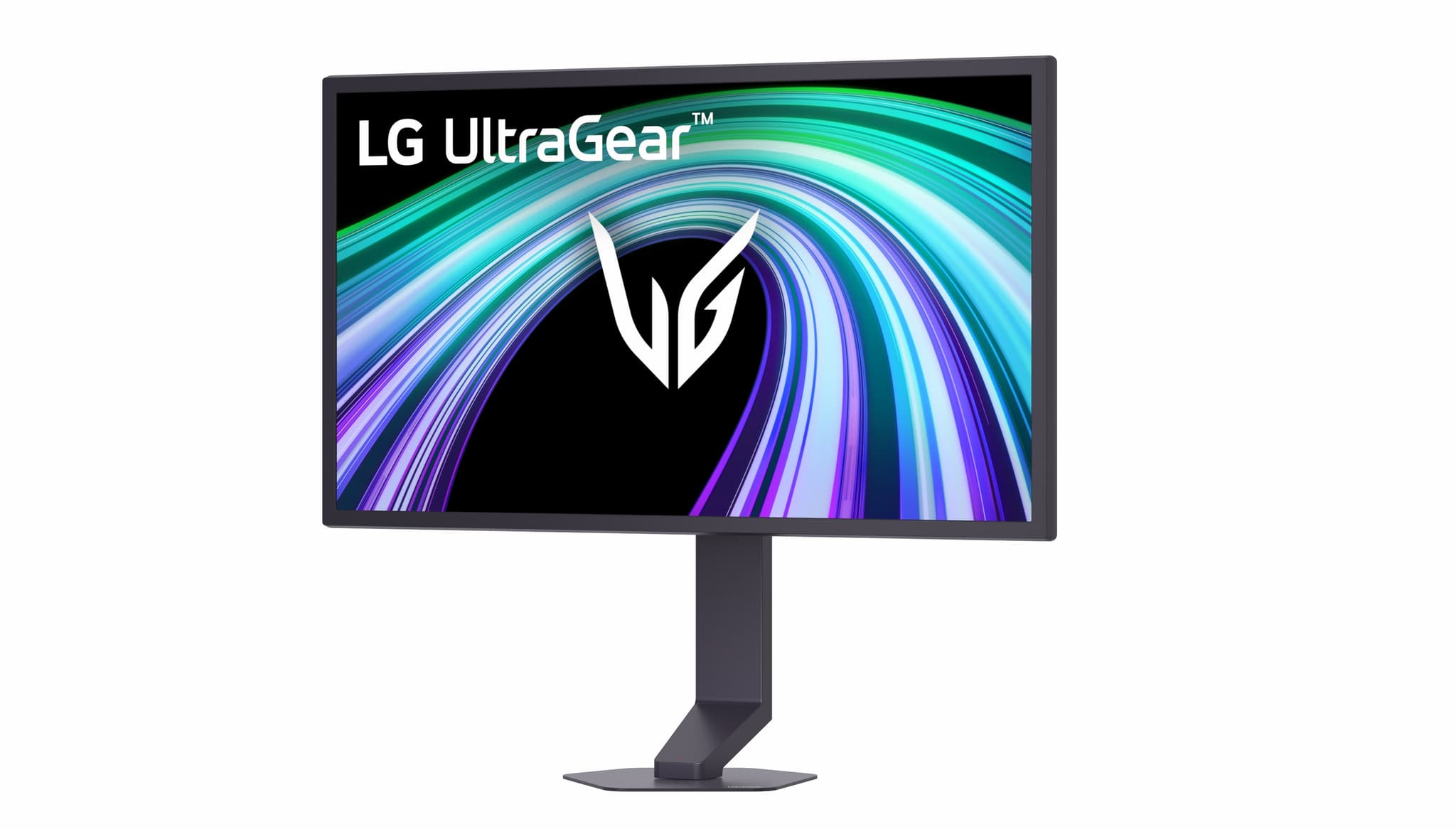
LG has introduced the UltraGear 25G590B, a gaming monitor that the company claims is the first to deliver a native 1000Hz refresh rate at 1920x1080 resolution. The 24.5-inch IPS display is designed for esports competitors who prioritize responsiveness over higher resolutions. Previous 1000Hz models were limited to 720p at most, but LG's offering breaks that barrier.
The monitor's 1000Hz refresh rate means the screen updates 1000 times per second, reducing motion blur and input lag to near-imperceptible levels. This is particularly beneficial in fast-paced games like first-person shooters, where split-second reactions matter. LG positions the UltraGear 25G590B as a tool for competitive gamers who need the fastest possible response times.
While the human eye may not consciously perceive the difference between 360Hz and 1000Hz, the reduction in motion blur and latency can provide a competitive edge. The monitor's 1080p resolution ensures that graphics cards can drive the high frame rates necessary to take full advantage of the refresh rate. LG has not yet disclosed the monitor's response time or other specifications.
The UltraGear 25G590B is expected to launch later this year. Pricing has not been announced, but given the niche target audience and advanced specifications, it is likely to command a premium. LG has not confirmed regional availability, but the monitor is expected to roll out globally.
Esports organizations and professional players may be the primary adopters, as the monitor's capabilities align with the demands of competitive gaming. The 1000Hz refresh rate could also benefit other applications requiring low latency, such as certain simulation or training software.
LG's announcement comes as monitor manufacturers push refresh rates higher, with 360Hz and 500Hz models becoming more common. The UltraGear 25G590B represents a significant leap, though its practical benefits for most gamers remain debatable. LG states the monitor is "ready for esports competitors," emphasizing its focus on the competitive market.
The UltraGear 25G590B is set to be released in 2025. Further details, including pricing and exact availability dates, are expected closer to launch.

Nvidia CEO Jensen Huang Criticizes Opposition to AI Chip Sales to China
Nvidia CEO Jensen Huang criticized Americans who oppose selling AI chips to China, calling comparisons to nuclear weapons 'stupid' and 'fundamentally flawed' during a talk at Stanford University.
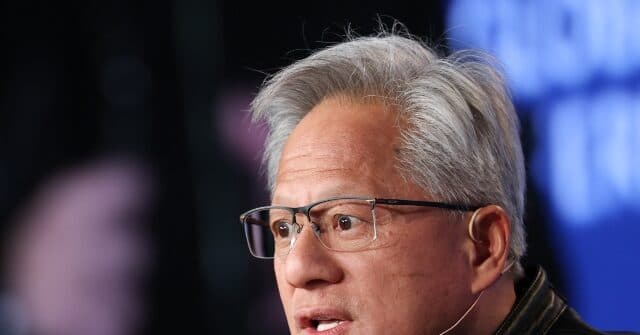
Nvidia CEO Jensen Huang delivered sharp criticism of Americans who argue against selling advanced artificial intelligence hardware to China. Speaking at Stanford University, Huang specifically targeted analogies that compare AI chips to nuclear weapons, labeling such comparisons as stupid and fundamentally flawed. The remarks came during a recent engagement at the university, where Huang addressed the ongoing debate over technology exports to China.
Huang argued that equating AI chips with nuclear weapons is a misguided oversimplification. He emphasized that AI technology is fundamentally different from nuclear arms, which are designed for mass destruction. According to Huang, AI chips are tools for innovation and economic growth, not instruments of warfare. He urged critics to reconsider their stance, suggesting that restricting sales could harm global technological progress.
The Nvidia CEO’s comments come amid heightened tensions between the United States and China over technology trade. The U.S. government has imposed export controls on advanced semiconductors and related equipment, citing national security concerns. These restrictions have directly impacted Nvidia, which designs high-performance AI chips such as the H100 and A100. The company has faced challenges in selling its products to Chinese customers due to these regulations.
Huang’s remarks reflect a broader industry pushback against export controls. Many tech executives argue that limiting sales to China could stifle innovation and reduce revenues for American companies. Nvidia, in particular, relies heavily on the Chinese market for a significant portion of its revenue. The company has warned that export restrictions could lead to a loss of competitiveness for U.S. firms in the global AI race.
During his talk, Huang did not propose specific policy changes but called for a more nuanced understanding of AI technology. He suggested that policymakers should focus on the benefits of collaboration rather than viewing AI chips solely through a security lens. Huang’s stance aligns with other tech leaders who advocate for open markets and international cooperation in technology development.
The Stanford event was part of a series of discussions on technology and policy. Huang’s comments have sparked debate among experts, with some supporting his view and others emphasizing the need for caution in technology transfers to China. The U.S. government has maintained that export controls are necessary to protect national security and prevent advanced technologies from being used for military purposes.
Nvidia continues to navigate the complex regulatory environment. The company has developed modified chips for the Chinese market that comply with export restrictions, but these products have faced criticism for being less powerful than their unrestricted counterparts. Huang’s remarks suggest that Nvidia remains committed to serving the Chinese market while adhering to U.S. laws.
As of now, no official response from U.S. regulators or Chinese authorities has been reported regarding Huang’s comments. The debate over AI chip exports is likely to continue as both nations vie for leadership in artificial intelligence technology.

Dyson PencilWash hits new low of $249.99 for Memorial Day
Dyson's cordless PencilWash floor cleaner is now available for $249.99, a $100 discount, at Amazon, Target, and Dyson for Memorial Day. The slim device is designed for hard floors and features a pressurized hydration system and microfiber wet roller.
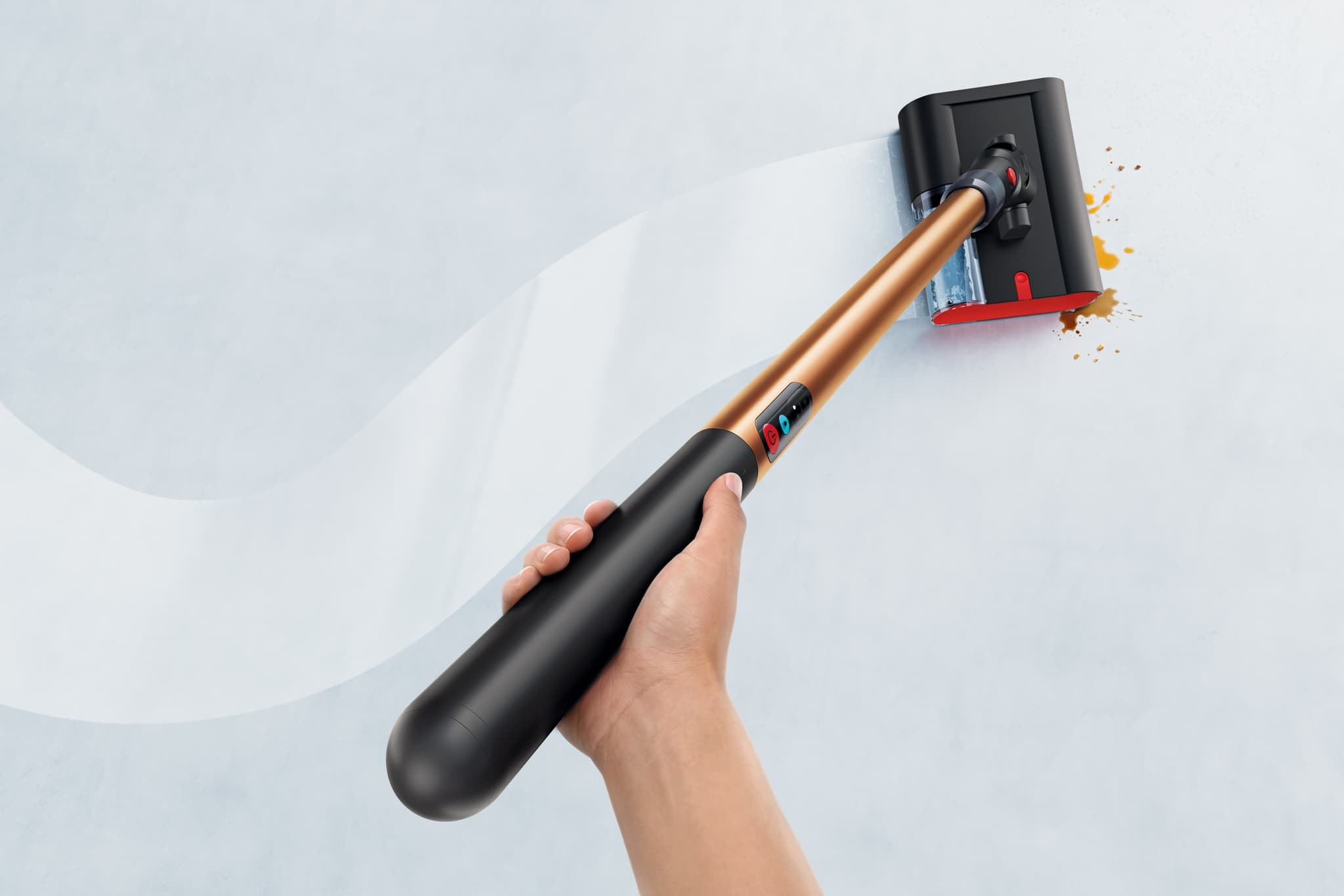
Dyson’s PencilWash, a cordless floor cleaner designed for hard surfaces, has reached its lowest price to date at $249.99 ahead of Memorial Day. The $100 discount brings the device down from its regular $349.99 price point. The offer is available at Amazon, Target, and Dyson’s own website.
The PencilWash features a 1.5-inch-diameter handle and a design that allows it to lie nearly flat, enabling it to slide under furniture and into tight spaces that larger cleaners cannot reach. It is built for tile, laminate, and sealed wood floors. The device uses a pressurized hydration system combined with a microfiber wet roller to scrub spills while extracting dirty water with each pass, ensuring fresh water is always used for cleaning.
A Max mode is included for tackling dried-on or particularly stubborn messes. The flexible neck helps users steer around obstacles. The PencilWash is designed to be low-maintenance: debris and wastewater are collected directly in the head rather than traveling up through the machine, preventing them from becoming trapped in a filter. The device also avoids leaving floors soaking wet.
The cleaner comes with a sleek charging dock that provides 30 minutes of runtime per charge. A backup battery can be purchased separately for $99.99. The 300ml clean water tank covers over 1,000 square feet on the lowest hydration setting before needing a refill.
Dyson launched the PencilWash earlier this year as a slim alternative to its larger floor cleaners. The Memorial Day promotion marks the first significant price drop since its release. The discount is available now while supplies last.
Jury sides with Sam Altman in Elon Musk's OpenAI lawsuit
A jury found that Elon Musk's claims against Sam Altman were barred by the statute of limitations or failed on the merits. The verdict is advisory, but the judge accepted it.

A jury delivered a unanimous verdict in the high-profile tech trial Musk v. Altman after roughly two hours of deliberation. The panel determined that two of Musk's claims were barred by the statute of limitations, and a third claim failed due to the dismissal of one of those claims. The jury served in an advisory capacity, meaning its role was to provide a non-binding opinion to the presiding judge. US District Judge Yvonne Gonzalez Rogers holds the final legal authority in the case. She accepted the jury's decision, effectively ending the trial in favor of Sam Altman. The case centered on Musk's allegations regarding the founding and operation of OpenAI. Musk had claimed breach of charitable trust, among other charges, against Altman and the organization. The jury found that the breach of charitable trust claim was time-barred under the applicable statute of limitations. The other claims were similarly dismissed or failed to meet legal standards. The trial attracted significant attention due to the prominence of both parties and the implications for the AI industry. Musk co-founded OpenAI in 2015 but left the board in 2018. He later filed suit, alleging that Altman and OpenAI had strayed from the nonprofit's original mission. The verdict marks a legal victory for Altman and OpenAI, though the advisory nature of the jury's decision means the judge could have overruled it. Judge Rogers chose to accept the verdict, bringing the case to a close. The full story is available at The Verge.