
AMD to Extend FSR 4.1 Upscaling Support to Older RDNA 3 GPUs in July
AMD announced that its next-generation FSR 4.1 upscaling technology will be available on older RDNA 3 GPUs starting this July. The feature will be compatible with over 300 games at launch.

AMD revealed plans to bring its upcoming FSR 4.1 upscaling technology to older RDNA 3 graphics cards. The company confirmed the news during a recent presentation, stating that RDNA 3 players will gain access to the feature starting in July. The rollout will encompass more than 300 games at launch.
FSR 4.1 represents the latest iteration of AMD's FidelityFX Super Resolution technology. The upscaling solution aims to boost frame rates and image quality in supported titles. AMD has not yet disclosed specific performance metrics or architectural changes compared to previous versions.
The decision to extend support to RDNA 3 GPUs marks a shift from the initial assumption that FSR 4.1 would be exclusive to newer RDNA 4 hardware. AMD's move broadens the potential user base for the technology, which competes with NVIDIA's DLSS and Intel's XeSS.
RDNA 3-based graphics cards include the Radeon RX 7000 series, launched in late 2022. These GPUs feature AMD's chiplet design and improved ray tracing capabilities. The addition of FSR 4.1 could extend the longevity of these cards for gamers seeking higher performance.
AMD emphasized that FSR 4.1 will be available across a wide library of games from the outset. The company did not provide a full list of supported titles but indicated that major releases and popular multiplayer games would be included. Developers can integrate the technology through AMD's GPUOpen platform.
The July release timeline aligns with AMD's typical software update cadence. The company often rolls out major driver and feature updates during the summer months. FSR 4.1 is expected to be bundled with the Adrenalin driver package.
Pricing for FSR 4.1 remains unchanged as it is a free technology for both developers and end users. AMD confirmed that no additional hardware requirements beyond a compatible RDNA 3 GPU are necessary. The feature will be enabled through driver-level updates rather than game-specific patches.
AMD's announcement positions FSR 4.1 as a key differentiator for its GPU ecosystem. The company stated that the technology will continue to evolve with future updates. Gamers with RDNA 3 cards can expect to start using FSR 4.1 in over 300 games this July.
Google Tests 5GB Free Storage Cap for New Accounts Without Phone Number
Google is testing a policy in select regions where new accounts receive only 5GB of free storage unless a phone number is linked. The change could affect users who previously received 15GB of free storage across Google services.
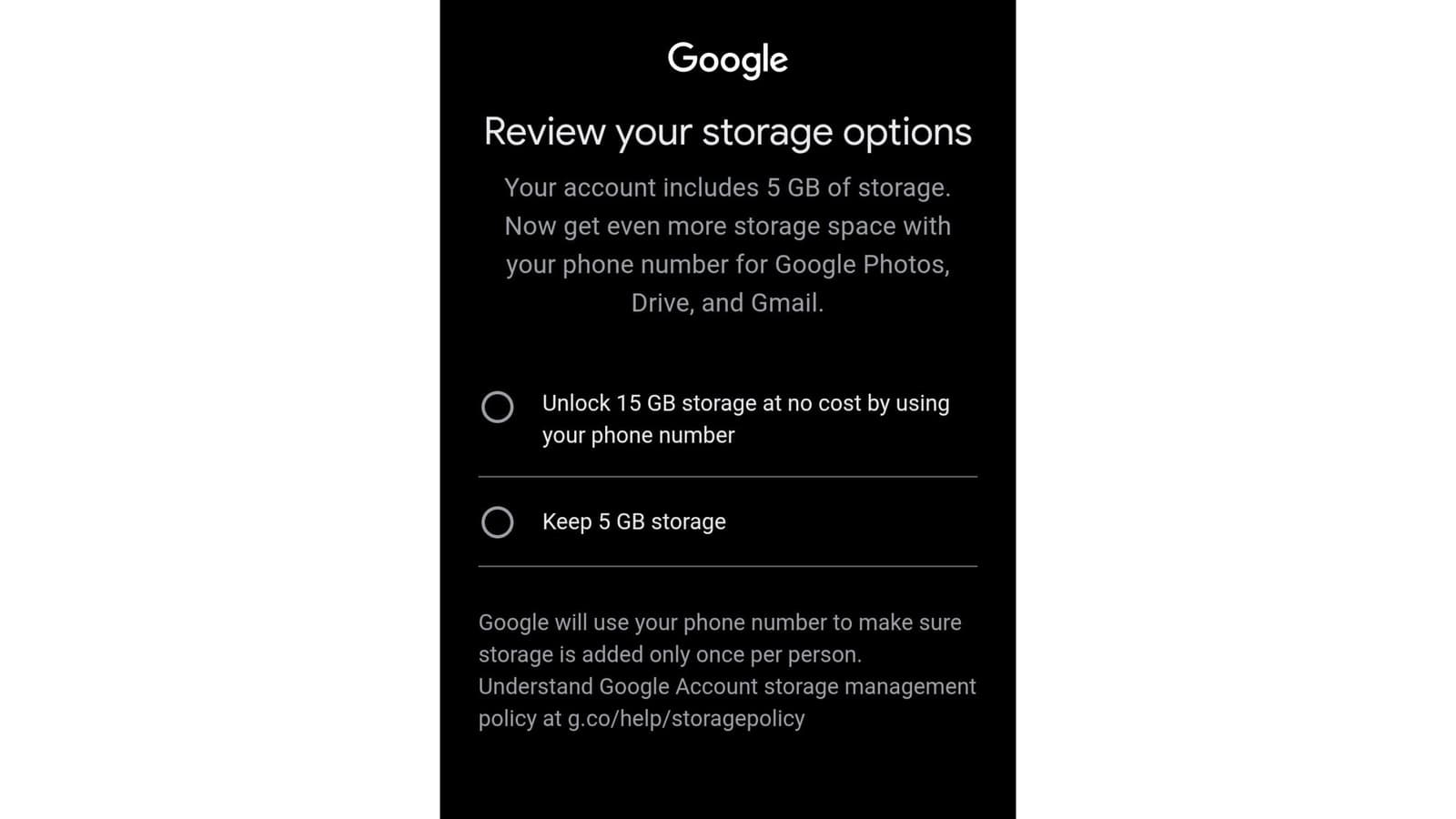
Google has begun testing a new storage policy for account creation in certain regions. New users who do not link a phone number during sign-up may receive only 5GB of free storage instead of the standard 15GB. The company describes the initiative as a regional test, though it has not disclosed which specific markets are involved.
The reduced storage allocation applies to the combined space used by Gmail, Google Drive, and Google Photos. Users who provide a phone number during registration would still receive the full 15GB of complimentary storage. Google has not confirmed whether this policy will eventually roll out globally or remain limited to the test regions.
This change marks a significant departure from Google's long-standing free storage offering. Since 2012, new accounts have received 15GB of storage at no cost, a figure that has remained unchanged even as competitors like Microsoft and Apple have adjusted their free tiers. The test suggests Google may be exploring ways to reduce storage costs or encourage account verification.
Linking a phone number to a Google account has been optional for most users, though it is required for certain features like two-factor authentication. The new policy could incentivize users to provide their phone numbers, which Google may use for account security or targeted advertising purposes. Privacy advocates have raised concerns about the potential for increased data collection.
Google has not provided a timeline for the test or indicated whether existing accounts will be affected. The company stated that it regularly experiments with new features and policies to improve user experience. It remains unclear how the test will influence the company's long-term storage strategy.
Users in the test regions who create an account without a phone number will see a notification about the reduced storage limit. They can upgrade to the full 15GB at any time by adding a phone number to their account. Google has not announced any changes to paid storage plans, which start at $1.99 per month for 100GB.
The test comes as Google faces increasing competition from cloud storage providers like Dropbox and iCloud, which offer similar free tiers. It also follows Google's decision to end free unlimited photo storage in 2021, a move that pushed many users toward paid plans. The company has been gradually tightening its free storage offerings over the past few years.
Google has not confirmed whether the test will expand beyond the initial regions. The company said it will evaluate user feedback and data before making any permanent changes. For now, new users in affected areas must decide whether to provide a phone number or accept the reduced storage limit.

Google I/O 2026 Kicks Off with AI-Focused Announcements
Google I/O 2026 began this week, with the keynote heavily centered on artificial intelligence. The company unveiled new AI features across its product lineup, including updates to Google Assistant and Search.
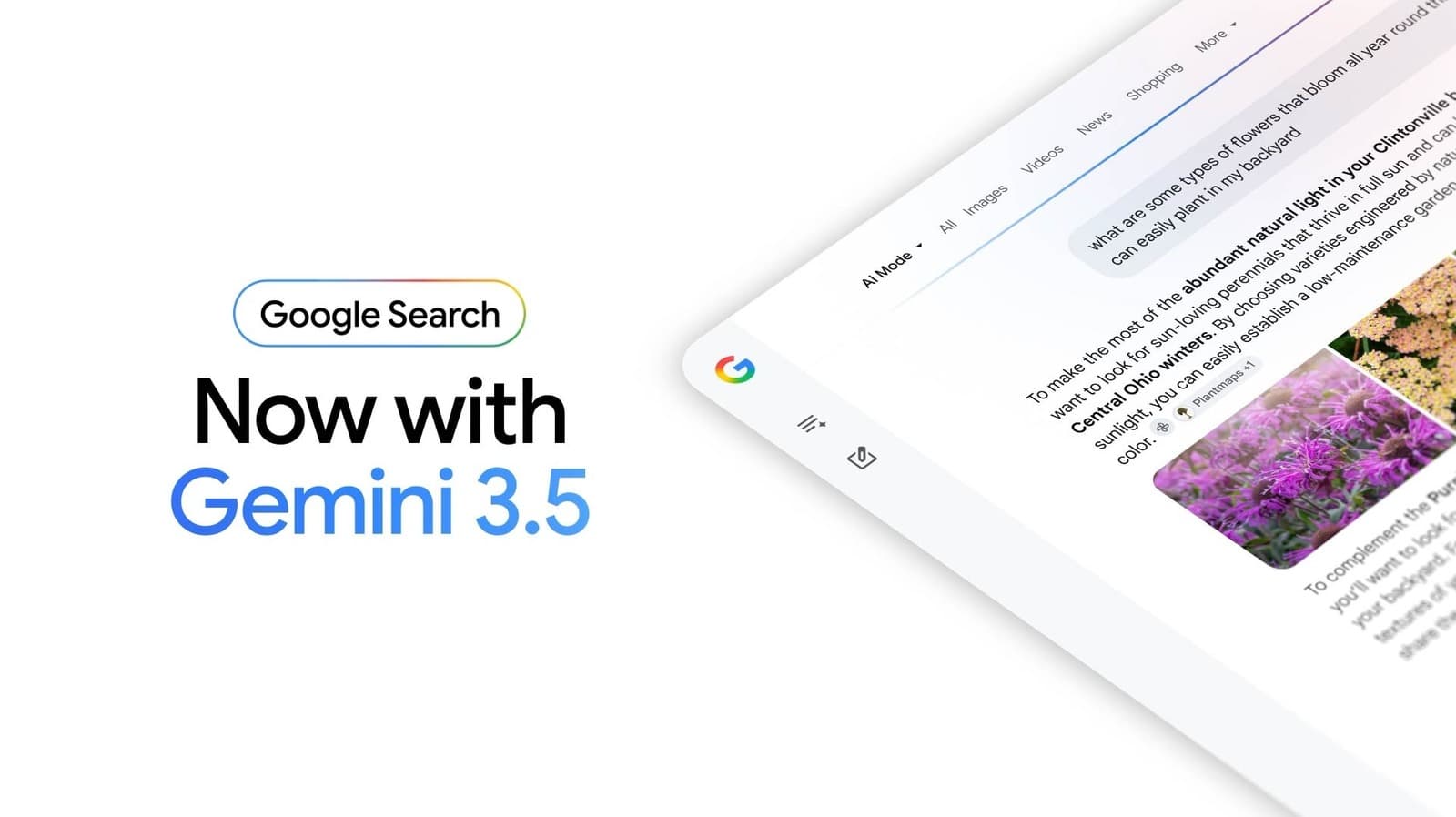
Google I/O 2026 commenced this week, and as anticipated, the event was dominated by artificial intelligence. The keynote presentation, held at the Shoreline Amphitheatre in Mountain View, California, featured a series of announcements centered on AI integration across Google's ecosystem.
Google introduced an upgraded version of Google Assistant, now powered by a new large language model. The assistant can handle more complex, multi-step tasks and maintain context over longer conversations. A demonstration showed the assistant booking a restaurant reservation, adding a calendar event, and sending a message to a contact in a single request.
Search received a significant update with the integration of generative AI. Users can now ask open-ended questions and receive synthesized answers from multiple sources, presented in a conversational format. Google emphasized that this feature aims to provide more comprehensive responses while still citing sources for transparency.
The company also unveiled new AI tools for developers, including a beta version of its generative AI API. This API allows developers to build applications that can generate text, images, and code. Google highlighted use cases such as automated content creation and code assistance.
In the hardware segment, Google announced the Pixel 9a, a mid-range smartphone with AI-enhanced camera features. The device includes a new Magic Editor tool that can remove objects and fill in backgrounds using generative AI. The Pixel 9a is priced at $499 and will be available in June.
Google also showcased Project Starline, an immersive video conferencing system that uses AI to create a 3D holographic effect. The company plans to roll out Starline to select enterprise partners later this year, with a consumer version expected in 2027.
On the sustainability front, Google committed to using AI to optimize energy consumption in its data centers. The company reported a 30% reduction in cooling energy through AI-driven management, contributing to its goal of operating on 24/7 carbon-free energy by 2030.
Google I/O 2026 continues through Friday, with additional sessions focused on machine learning, cloud computing, and developer tools. The company's emphasis on AI reflects its strategy to embed artificial intelligence across all products and services.

Texas AG sues Meta, alleging WhatsApp's encryption claims are false
Texas Attorney General Ken Paxton has filed a lawsuit against Meta, accusing the company of misleading users about WhatsApp's end-to-end encryption. The suit claims that WhatsApp does not provide the level of encryption Meta has publicly asserted since 2016.

Texas Attorney General Ken Paxton filed a lawsuit against Meta on Thursday, alleging that the company's WhatsApp messaging service does not deliver the end-to-end encryption it has long advertised. The legal action centers on claims that Meta misrepresented the security of WhatsApp, which serves over 3 billion users globally. Since at least 2016, Meta—then known as Facebook—has publicly stated that WhatsApp offers robust end-to-end encryption, meaning messages are scrambled on the sender's device and can only be decrypted by the intended recipient. By definition, such encryption ensures that no third party, including the platform itself, can access the plaintext content of messages. In sworn testimony before two U.S. Senate committees in 2018, Meta CEO Mark Zuckerberg asserted that the company does "not see any of the content in WhatsApp; it is fully encrypted" and that "Facebook systems do not see the content of messages being transferred over WhatsApp." The encryption technology underlying WhatsApp is the Signal protocol, an open-source codebase that multiple independent security experts have verified as meeting its security promises. The lawsuit challenges the accuracy of these representations, arguing that WhatsApp's actual security architecture falls short of true end-to-end encryption. Paxton's office contends that Meta's marketing and public statements have misled consumers about the privacy protections afforded by the service. The complaint seeks civil penalties and injunctive relief to prevent further alleged deceptive practices. Meta has not yet issued a formal response to the lawsuit. The case adds to a growing list of legal and regulatory challenges facing the company over its data privacy and security practices.
Driver integrates smartwatch into gear shift knob, goes viral
A driver with no software background developed a smart gear shift knob that detects gear movements in real-time and controls the music player. The project gained widespread attention online.
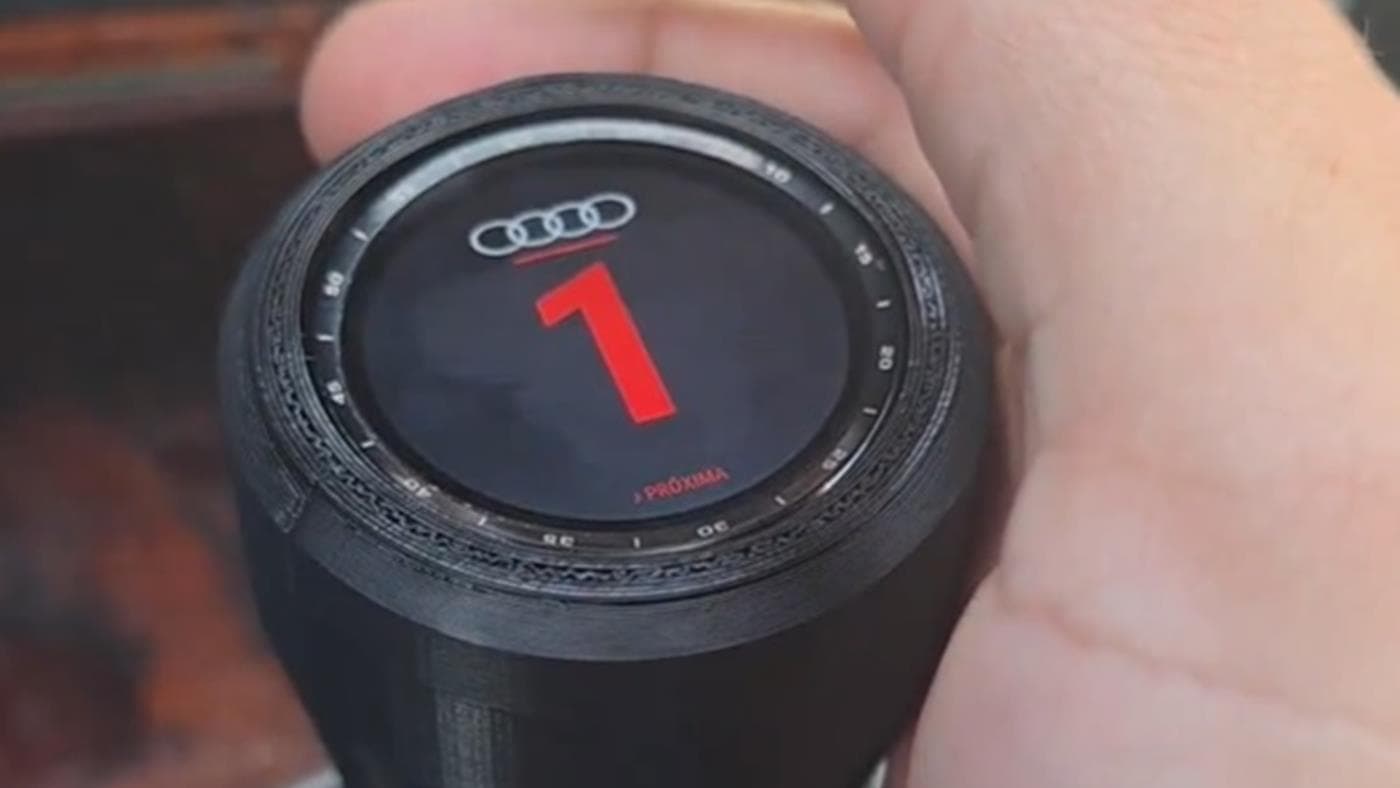
A driver has created a smart gear shift knob that integrates a smartwatch to detect gear movements and control the vehicle's music player. The project, developed without any formal software training, has become a trending topic on social media. The system uses the smartwatch's sensors to monitor the position of the gear lever in real time. When the driver shifts gears, the smartwatch interprets the movement and triggers corresponding actions, such as skipping tracks or adjusting volume. The builder documented the process and shared it online, where it quickly gained traction among automotive and tech enthusiasts. The video demonstrates how the smartwatch is mounted onto the gear knob and connected to the car's audio system via Bluetooth. The creator noted that the project required only basic hardware modifications and off-the-shelf components. The smartwatch runs a custom application that processes sensor data and sends commands to the music player. The driver stated that the goal was to enhance convenience and reduce distractions while driving. The project has sparked discussions about DIY automotive modifications and the potential for integrating wearable technology into vehicles. Some viewers praised the ingenuity, while others raised questions about safety and legality. The creator has not announced plans to commercialize the design but has shared detailed instructions for others to replicate it. The video has amassed millions of views across multiple platforms. The driver emphasized that the project was a personal experiment and not intended for professional use. The smart gear knob is currently installed in the driver's personal vehicle and has been tested over several weeks. The creator reported no issues with reliability or interference with the car's normal operation. The project highlights the growing trend of consumer-driven innovation in the automotive space. The driver hopes the project inspires others to explore creative solutions using everyday technology.