BioLite Site Lights Hit Record Low Price in Memorial Day Sale at $74.89
BioLite's stakeable solar-powered Site Lights are discounted to $74.89 for Memorial Day, a new low price. The set includes six IPX4-rated bulbs with a solar charging case, offering up to 20 hours of light per charge.
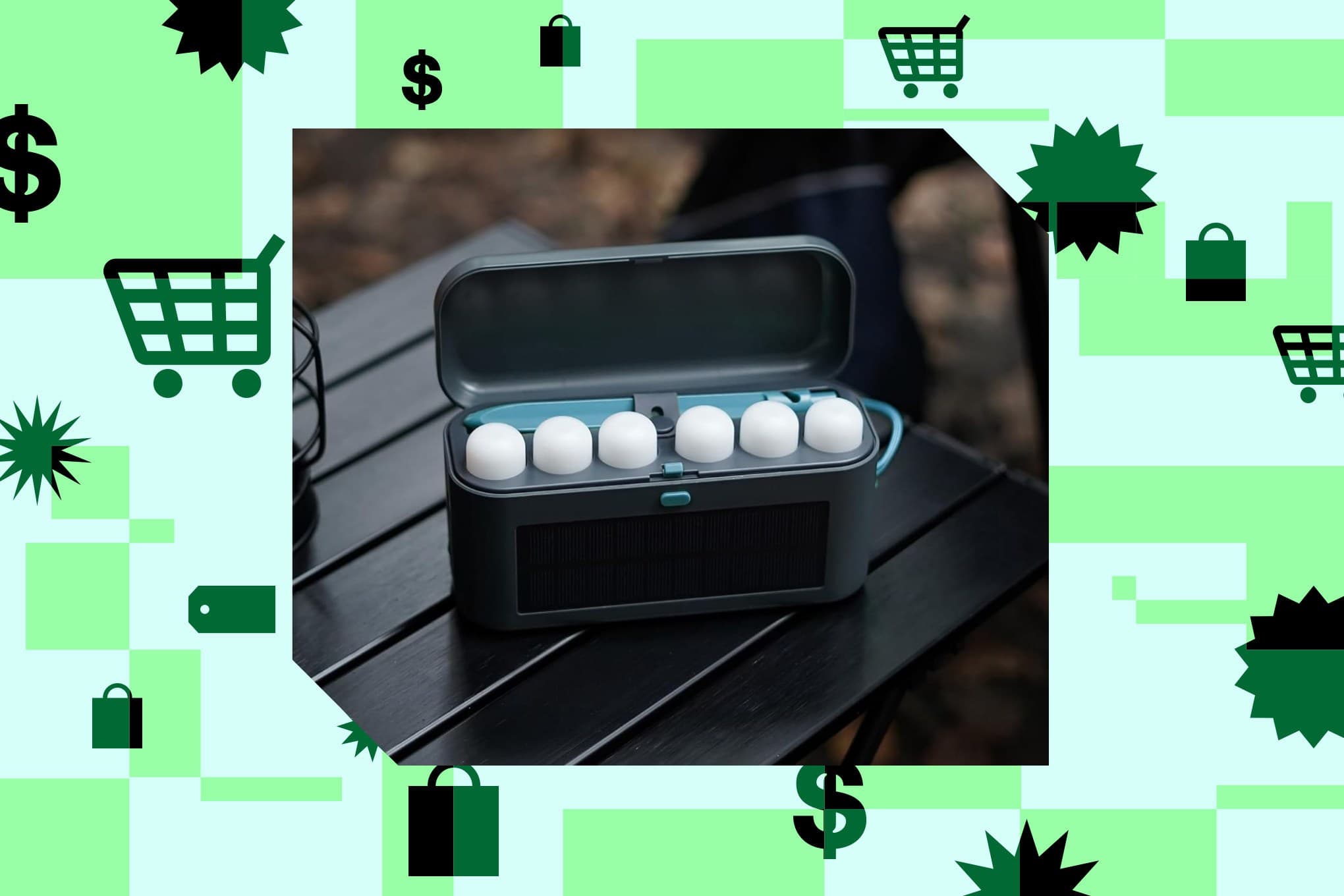
BioLite has launched an early Memorial Day sale, slashing prices on several outdoor products including the popular Site Lights solar-powered lighting system. The six-bulb set is now available for $74.89 at Amazon, REI, and directly from BioLite, marking a $25 discount and the lowest price ever seen. The promotion runs through May 26th, just in time for summer camping and outdoor activities.
Each Site Light bulb is IPX4-rated for water resistance and can illuminate a campsite for up to 20 hours on the lowest brightness setting, or six hours on the highest. The lights cover a 1,000-square-foot area with ambient mood lighting, making them ideal for tents, pathways, or picnic areas. The bulbs are shatterproof and attach to six included ABS stakes, which also double as tent pegs for added versatility.
The charging case is a standout feature, functioning like a set of wireless earbuds. The clamshell solar charger holds enough power to recharge each bulb at least twice on a full battery. When the bulbs are depleted, users simply place them back into the case to recharge, eliminating the need to plug in each light individually. This design is similar to Zepath's rechargeable AA batteries, offering convenience for off-grid use.
BioLite's Site Lights are part of a broader Memorial Day sale that includes discounts on smokeless fire pits, headlamps, and solar-powered stoves. The company is known for its innovative outdoor gear that combines solar technology with practical design. The Site Lights have been praised for their ease of use and durability, though some users note that the attachment mechanism for mounting the lights could be more secure.
The sale is available to customers in the United States through Amazon, REI, and BioLite's official website. The $74.89 price applies to the six-bulb set, which is typically $99.95. This discount matches the best price seen on the product, making it an attractive option for campers, hikers, and anyone needing portable lighting for outdoor events.
While the Site Lights offer significant value, the solar charging case requires sufficient sunlight to recharge fully, which may be a limitation in cloudy regions. BioLite has not announced any future updates to the product, but the current sale provides an opportunity for buyers to acquire the system at a reduced cost before summer travel season peaks.
Power prices are up 76% on America’s biggest grid, and a watchdog is pointing fingers
This development in Technology News signals new momentum in the technology agenda.

Power prices are up 76% on America’s biggest grid, and a watchdog is pointing fingers has become a significant development in the technology sector. This advancement signals new momentum in the teknoloji haberleri space and carries important implications for both consumers and industry players.
The technical details surrounding this announcement suggest a deliberate strategy aimed at capturing market share while addressing existing user pain points. Industry analysts note that the timing of this release aligns with broader shifts in how technology is adopted at scale.
From a competitive standpoint, this move places additional pressure on established players who have dominated the segment for years. The introduction of these features could force rivals to accelerate their own roadmaps or risk losing relevance in an increasingly crowded marketplace.
Consumer reactions have been mixed but generally positive, with early adopters highlighting the practical benefits over marketing promises. The focus appears to be on solving real problems rather than introducing novelty for its own sake.
Looking at the broader ecosystem, this development may trigger ripple effects across adjacent categories. Partnerships, supply chains, and developer communities are all likely to feel the impact as adoption scales.
Whether this represents a lasting shift or a temporary market reaction will depend on execution quality and sustained innovation in the coming quarters.}
Personalized Health Tech: Hope or Hype? Examining Promises and Pitfalls
Personalized health technologies promise tailored wellness solutions, but experts warn of data privacy risks and unproven efficacy. This article explores the benefits and challenges of custom health devices and apps.

A new wave of personalized health technologies is flooding the market, offering customized wellness plans based on individual data. From DNA-based diet recommendations to AI-driven fitness coaching, these tools promise to revolutionize how we manage our health. However, as adoption grows, experts are raising concerns about data security, accuracy, and the potential for over-reliance on unproven methods.
Personalized health devices typically collect biometric data like heart rate, sleep patterns, and genetic information to create tailored recommendations. For example, some smartwatches now analyze blood sugar levels to suggest meal timings, while apps use microbiome samples to design probiotic regimens. These features rely on machine learning algorithms that compare user data against large databases to predict health outcomes.
Critics point out that many personalized health claims lack rigorous scientific validation. A study published in the Journal of Medical Internet Research found that only 12% of popular health apps had undergone clinical testing. Moreover, the algorithms powering these tools can be biased if training data lacks diversity, leading to inaccurate recommendations for certain demographics.
Data privacy remains a significant concern. Unlike medical records protected by HIPAA, health data collected by consumer devices often falls under weaker privacy regulations. In 2022, the Federal Trade Commission fined a fertility tracking app for sharing user data with Facebook without consent. Such incidents highlight the risks of entrusting intimate health information to tech companies.
Despite these pitfalls, personalized health technologies have shown promise in specific use cases. For chronic conditions like diabetes, continuous glucose monitors paired with AI coaching have helped patients maintain stable blood sugar levels. Similarly, genetic testing for medication compatibility has reduced adverse drug reactions in some patients.
Currently, most personalized health tools are available as premium subscriptions or add-ons to existing devices. For instance, Apple's Health+ service costs $9.99 per month, while 23andMe's genetic health reports start at $199. Insurance coverage is rare, making these technologies accessible primarily to wealthier consumers.
Looking ahead, regulators are beginning to scrutinize the industry more closely. The FDA has proposed a framework for reviewing AI-based medical devices, and the European Union's AI Act will classify health apps as high-risk. As the market matures, users should approach personalized health tech with cautious optimism—embracing its potential while demanding transparency and scientific backing.
Bose Launches Lifestyle Ultra Speaker, Soundbar, and Subwoofer to Rival Sonos
Bose's new Lifestyle Ultra collection includes a $299 smart speaker, a $1,099 soundbar, and an $899 subwoofer, now available from Bose and retailers like Amazon and Best Buy. The speaker features an up-firing driver and supports AirPlay, Spotify Connect, Google Cast, and Amazon's Alexa Plus.
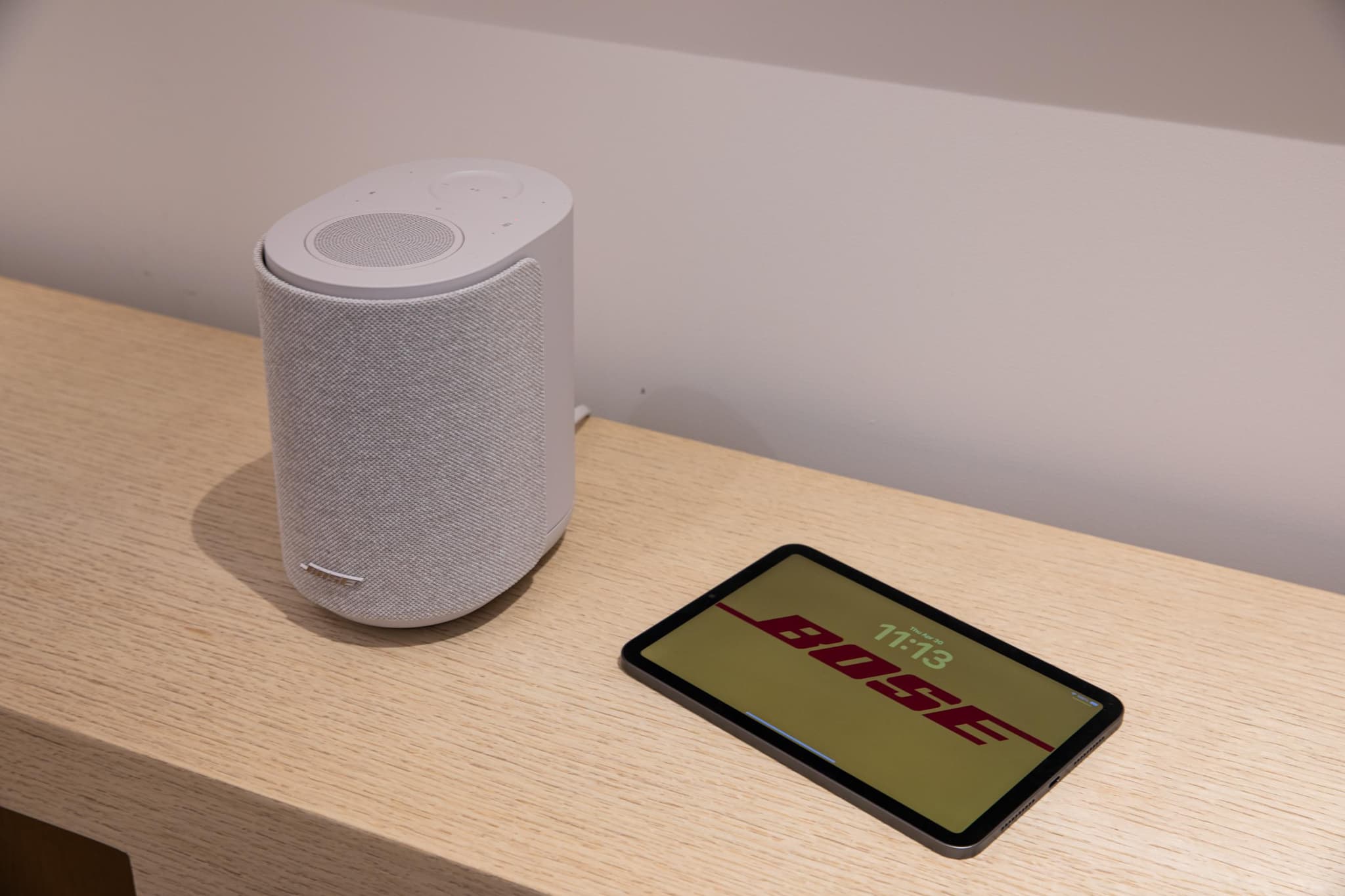
Bose has officially launched its new Lifestyle Ultra collection, introducing three audio devices designed to compete directly with Sonos. The lineup includes the $299 Lifestyle Ultra Speaker, the $1,099 Lifestyle Ultra Soundbar, and the $899 Ultra Subwoofer, all of which are now available for purchase from Bose's website and third-party retailers such as Amazon and Best Buy. The Lifestyle Ultra Speaker is available in black or white from most retailers, with a beige variant exclusive to Bose's online storefront for $349.
The Lifestyle Ultra Speaker serves as Bose's answer to the Sonos Era 100, offering a front-firing woofer and tweeter, but with an added up-firing driver that the Sonos model lacks. In early hands-on impressions, the speaker impressed with its surprisingly large soundstage and crisp vocal clarity for its compact size. It supports Apple AirPlay, Spotify Connect, and Google Cast, providing multiple streaming options, and can be grouped with non-Bose speakers via AirPlay or Google Cast for multi-room audio.
For home theater enthusiasts, the Lifestyle Ultra Soundbar supports Dolby Atmos and delivers clear dialogue and a wide soundstage in demonstrations, though its low-end performance is somewhat lacking on its own. The Ultra Subwoofer, available in black or white, addresses this by providing deep, balanced bass that fills out the sound when paired with the soundbar. Bose also boasts that the Lifestyle Ultra Speaker is the first third-party speaker to support Amazon's generative AI-powered Alexa Plus, enhancing its smart home capabilities.
All three devices are now shipping, with the Lifestyle Ultra Speaker priced at $299 (or $349 for the beige exclusive), the soundbar at $1,099, and the subwoofer at $899. They are available from Bose.com, Amazon, and Best Buy. While the speaker and subwoofer come in black and white, the beige variant of the speaker is limited to Bose's store. The collection targets users seeking premium audio quality and smart features, positioning Bose as a strong competitor to Sonos in the high-end wireless audio market.
Users can expect seamless integration with existing smart home ecosystems, thanks to support for multiple streaming protocols and voice assistants. The Lifestyle Ultra Speaker's compatibility with Google Cast and AirPlay allows for flexible multi-room setups, while the Alexa Plus integration promises advanced voice control. However, the soundbar's bass limitations mean that a subwoofer purchase may be necessary for those seeking full-range home theater performance.
As of now, Bose has not announced any additional color options or regional availability beyond the US market. Future updates may include software enhancements or expanded retailer partnerships. Early reviews suggest the Lifestyle Ultra collection offers strong competition to Sonos, particularly with the speaker's unique up-firing driver and Alexa Plus support, but long-term performance and user adoption remain to be seen.
Hyderabad to launch AI-powered water monitoring system
This development in Technology News signals new momentum in the technology agenda.

Hyderabad to launch AI-powered water monitoring system has become a significant development in the technology sector. This advancement signals new momentum in the teknoloji haberleri space and carries important implications for both consumers and industry players.
The technical details surrounding this announcement suggest a deliberate strategy aimed at capturing market share while addressing existing user pain points. Industry analysts note that the timing of this release aligns with broader shifts in how technology is adopted at scale.
From a competitive standpoint, this move places additional pressure on established players who have dominated the segment for years. The introduction of these features could force rivals to accelerate their own roadmaps or risk losing relevance in an increasingly crowded marketplace.
Consumer reactions have been mixed but generally positive, with early adopters highlighting the practical benefits over marketing promises. The focus appears to be on solving real problems rather than introducing novelty for its own sake.
Looking at the broader ecosystem, this development may trigger ripple effects across adjacent categories. Partnerships, supply chains, and developer communities are all likely to feel the impact as adoption scales.
Whether this represents a lasting shift or a temporary market reaction will depend on execution quality and sustained innovation in the coming quarters.}