
Hotel Check-In System Exposes Over a Million Passports and Licenses Online
A tech company left its cloud storage for a hotel check-in system publicly accessible, exposing over a million passports and driver's licenses without password protection. The breach potentially affects guests worldwide, raising serious privacy concerns.
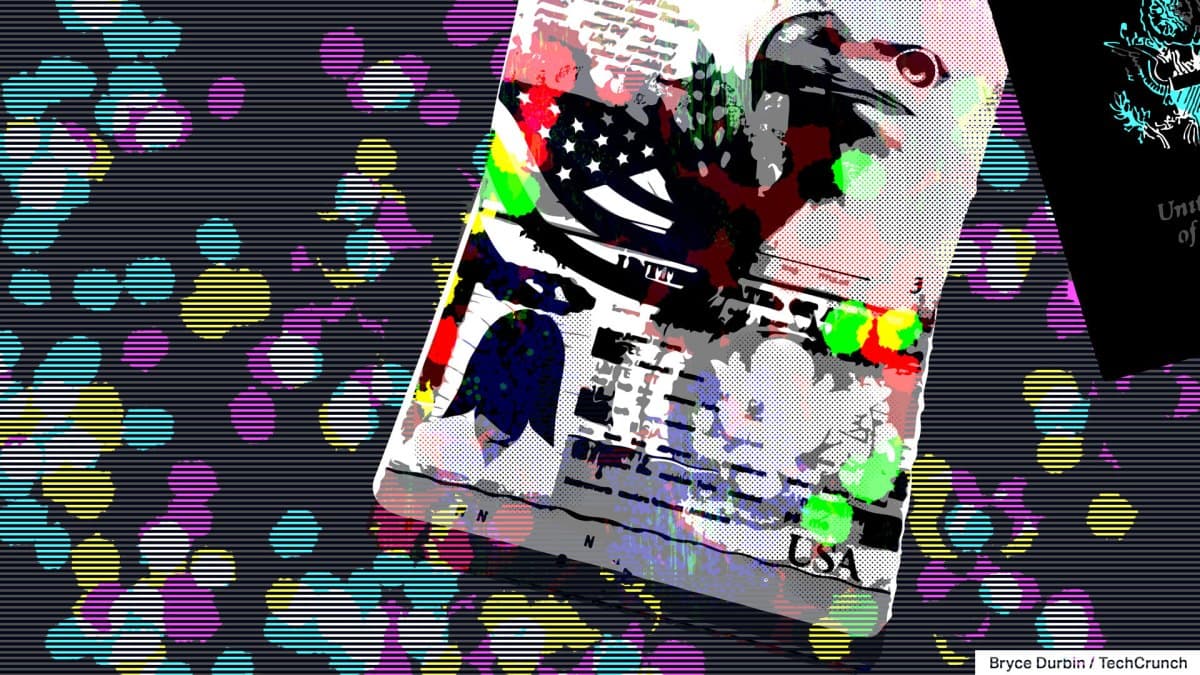
A major security lapse has exposed over a million sensitive documents, including passports and driver's licenses, belonging to hotel guests worldwide. The breach occurred when the technology company responsible for maintaining a hotel check-in system misconfigured its cloud storage settings, leaving the data publicly accessible without any password protection. This incident was discovered by security researchers who found the exposed database containing scans of identification documents from numerous hotels across the globe.
The exposed data was stored in an Amazon Web Services S3 bucket, a cloud storage service, which had been set to public by default. This allowed anyone with knowledge of the bucket's URL to access and download the contents without authentication. The database contained high-resolution scans of passports and driver's licenses, along with other personal information such as names, addresses, and dates of birth. The security researchers noted that the data was indexed by search engines, making it even easier to find.
The vulnerability stemmed from the hotel check-in system's integration with the cloud storage. When guests checked in, their identification documents were scanned and uploaded to the S3 bucket for verification purposes. However, the bucket's permissions were not properly configured, leaving it open to the public. The company behind the system has since secured the bucket, but it is unclear how long the data was exposed or if any unauthorized parties accessed it.
This incident highlights the ongoing risks associated with cloud misconfigurations, which have become a common cause of data breaches. Similar incidents have affected companies across various industries, from healthcare to finance, often resulting in significant regulatory fines and reputational damage. The hotel industry, in particular, handles vast amounts of sensitive personal data, making it a prime target for cybercriminals. This breach underscores the need for robust security protocols, including regular audits and automated tools to detect misconfigurations.
The exposed data could be used for identity theft, fraud, or other malicious activities. Passports and driver's licenses are valuable pieces of information that can enable criminals to open bank accounts, apply for loans, or even commit immigration fraud. Affected individuals may be at risk of having their identities stolen, and they should monitor their credit reports and financial accounts for suspicious activity. Hotels that used the compromised system may also face legal liabilities and loss of customer trust.
While the exact number of affected hotels and guests is unknown, the scale of the breach is significant. The database contained over a million files, indicating that many hotels across multiple countries were impacted. The tech company has not publicly disclosed which hotels or chains were involved, leaving guests in the dark about whether their data was compromised. This lack of transparency could exacerbate the fallout, as customers demand answers and accountability.
Moving forward, the company is expected to notify affected individuals and regulatory authorities as required by data protection laws. Security experts recommend that all hotels review their data handling practices and ensure that any third-party vendors adhere to strict security standards. This incident serves as a stark reminder that even seemingly innocuous systems can become vectors for massive data exposure when not properly secured. It also reinforces the importance of encryption and access controls for sensitive data stored in the cloud.
US Military Wargames Simulate Nuclear Detonation in Orbit
US Space Command launched a new classified wargame series, Apollo Insight, starting with a scenario involving a potential nuclear explosion in orbit. The exercises invite commercial companies to participate in simulated space threat responses.

US Space Command has kicked off a new series of classified wargames called Apollo Insight. The first exercise simulated a scenario involving a potential nuclear detonation in orbit.
Gen. Stephen Whiting, the senior officer in charge of Space Command, discussed the new wargame series Tuesday in a discussion hosted by the Mitchell Institute for Aerospace Studies. Space Command is responsible for military activities in space and is separate from the Space Force, which provides the people and equipment to support those operations.
The new wargames combine military and commercial expertise to respond to simulated threats in space. Space Command plans to conduct four Apollo Insight "tabletop exercises" this year.
Commercial companies are invited to participate in these exercises. The scenarios are designed to test responses to various space-based threats, starting with the nuclear detonation scenario.
This marks a significant step in preparing for potential conflicts in space. The involvement of commercial partners reflects the growing importance of private sector capabilities in space operations.