Jailbreaking Older Kindles Gains Popularity After Amazon Ends Support
With Amazon ending support for several older Kindle models, users are increasingly turning to jailbreaking to keep their devices functional. While this allows continued book transfers, it carries significant risks including security vulnerabilities and voided warranties.
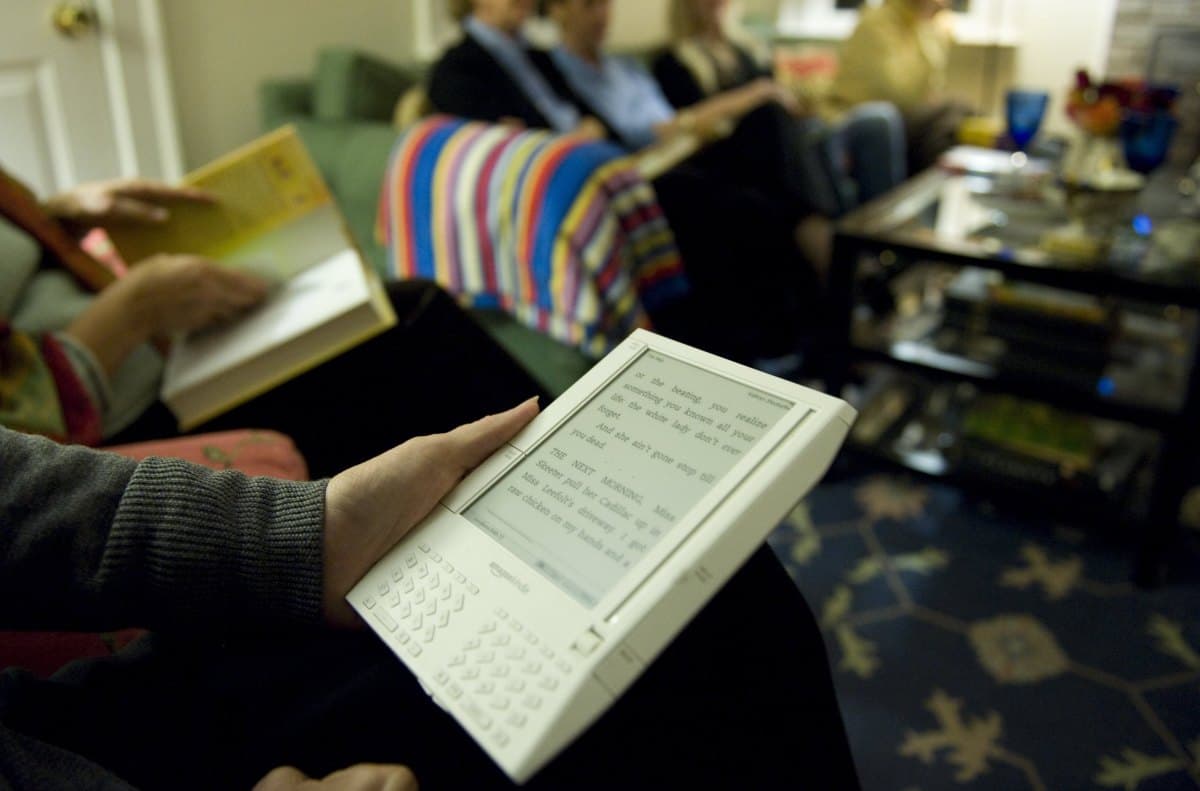
A growing number of Kindle owners are resorting to jailbreaking their older e-readers after Amazon officially ended software support for several models. The move comes as the company focuses on its newer devices, leaving users of older Kindles without crucial updates and security patches. Jailbreaking, a process that removes manufacturer-imposed restrictions, allows these users to continue adding books to their devices through alternative methods. However, this workaround is not without its dangers, including potential security risks and the voiding of any remaining warranty.
The jailbreaking process typically involves exploiting vulnerabilities in the Kindle's firmware to gain root access. Once jailbroken, users can install custom software, modify system files, and bypass Amazon's DRM protections. This enables them to sideload books from other sources, such as library apps or independent publishers, without relying on Amazon's ecosystem. However, the technical complexity varies by model and firmware version, and not all Kindles can be jailbroken. Older models like the Kindle Keyboard and Kindle Touch are particularly popular targets due to their simpler software.
Amazon's decision to end support stems from its strategy to push users toward newer devices like the Kindle Paperwhite and Oasis, which offer better displays, faster performance, and longer battery life. The company argues that older hardware cannot handle the latest features and security standards. Yet many users feel their aging devices still serve their primary function—reading—and are reluctant to upgrade. This has created a niche community of tinkerers who share jailbreak guides and custom tools on forums like Reddit and MobileRead.
The primary risk of jailbreaking is security: modified firmware may contain vulnerabilities that malicious actors could exploit. Additionally, jailbroken Kindles cannot receive official updates, meaning any future security flaws remain unpatched. Amazon also warns that jailbreaking violates its terms of service, potentially leading to account bans or loss of access to the Kindle Store. For users who primarily read Amazon-purchased books, jailbreaking may not be worth the hassle, as they can still download books via USB or use the Send to Kindle feature on newer models.
For those determined to keep their older Kindles alive, the process begins with checking compatibility. Devices on firmware version 5.13.3 or earlier are generally easier to jailbreak, while newer versions have patched known exploits. Users must back up their data and proceed carefully, as a failed jailbreak can brick the device. Once successful, they can install tools like KOReader or Calibre to manage books from various sources. However, battery life and performance may degrade over time due to unofficial software.
The impact is most pronounced in regions where newer Kindles are expensive or hard to obtain. In developing countries, older models remain in widespread use, and jailbreaking offers a cost-effective way to keep them functional. Amazon has not commented on the trend, but its aggressive push for upgrades suggests it may not actively combat jailbreaking as long as it does not affect its core business. Meanwhile, the community continues to develop new methods, with some users even porting Linux to older Kindles for added functionality.
Looking ahead, the future of jailbroken Kindles remains uncertain. As Amazon releases newer firmware versions, exploits become harder to find, and the pool of vulnerable devices shrinks. Some experts predict that eventually, all older Kindles will become unusable as battery cells degrade and cloud services shut down. For now, though, the jailbreak community offers a lifeline for those who refuse to let their beloved e-readers go quietly into the night.
Cerebras Nearly Collapsed Burning $8M Monthly Before $60B AI Chip IPO
Cerebras Systems, now valued at $60B after its 2026 IPO, nearly went under in its early years while burning $8 million a month developing what many considered an impossible chip. The company's survival hinged on a pivot to wafer-scale AI chips, which eventually revolutionized AI computing.
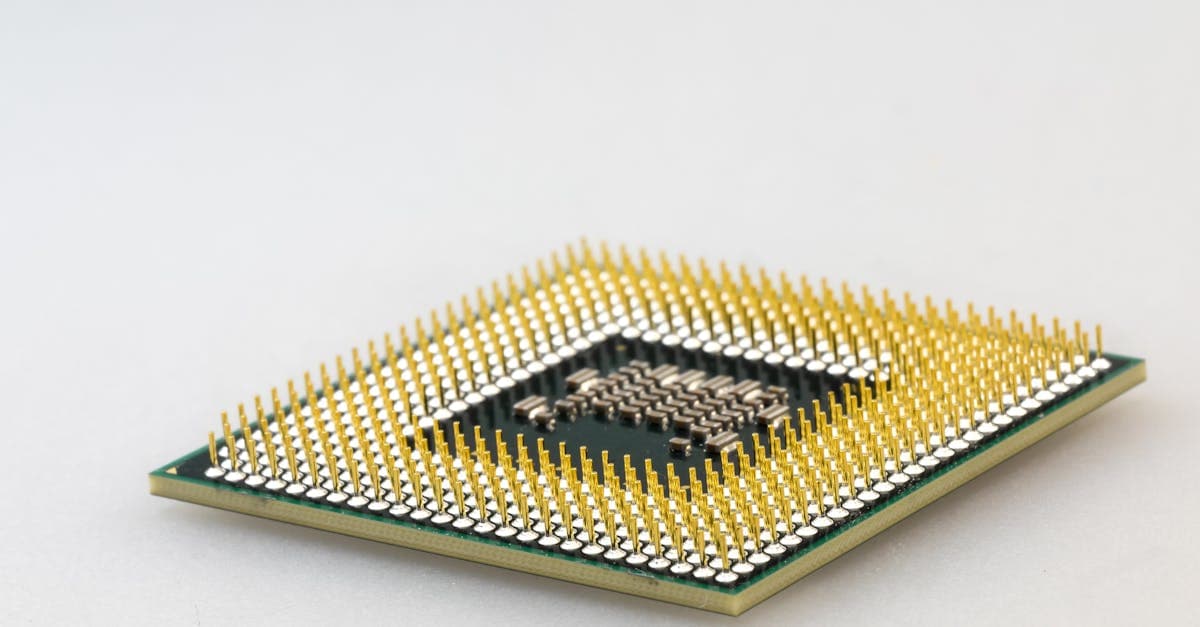
Cerebras Systems, which recently became the biggest tech IPO of 2026 with a $60 billion valuation, nearly collapsed in its early years while burning through $8 million a month. The company was developing a chip that many industry experts believed was impossible to build. At one point, Cerebras had only a few months of runway left before running out of cash entirely.
The chip in question was the Wafer-Scale Engine (WSE), a massive processor the size of a dinner plate that contained 1.2 trillion transistors. Traditional chip manufacturing produces multiple chips from a single silicon wafer, but Cerebras aimed to use the entire wafer as one giant chip. This approach required solving enormous technical challenges, including heat dissipation, manufacturing defects, and power delivery across the wafer.
Cerebras's breakthrough came when it developed a redundant architecture that could route around defective areas on the wafer, allowing the chip to function despite inevitable manufacturing imperfections. The company also designed a sophisticated cooling system using water channels embedded directly into the chip package. These innovations made the WSE viable for AI workloads that required massive parallel processing.
The company's survival was secured by a combination of strategic pivots and key investors who believed in the vision. Cerebras initially targeted scientific computing but later repositioned itself for AI training and inference, which proved to be a much larger market. The company also secured crucial funding rounds from investors like Benchmark Capital and Coatue Management.
Cerebras's wafer-scale chips are now used by major AI labs, including national laboratories and large enterprises. The chips excel at training large language models and running inference for applications like drug discovery and climate modeling. Compared to traditional GPU clusters, Cerebras systems offer lower latency and higher throughput for certain workloads.
The IPO was a landmark event for the AI hardware industry, demonstrating that alternative chip architectures could compete with Nvidia's dominant GPUs. Cerebras's success has also validated the wafer-scale approach, prompting other chipmakers to explore similar designs. The company now faces the challenge of scaling production to meet surging demand.
For users and enterprises, Cerebras's chips are not sold directly but through cloud services like Cerebras Cloud and partnerships with data center operators. Pricing is not publicly disclosed but is typically based on compute time or subscription models. The chips are available in select regions, primarily in the United States and Europe, with expansion plans for Asia.
Despite its success, Cerebras faces ongoing challenges, including competition from Nvidia's next-generation architectures and the need to continuously improve its software stack. The company is also exploring new applications in edge computing and autonomous systems. Industry watchers expect Cerebras to announce its next-generation WSE within the next year.
Turtle Beach Stealth Pro 2 Takes on SteelSeries with $50 Lower Price Tag
Turtle Beach's Stealth Pro 2 wireless headset offers similar features to the SteelSeries Arctis Nova Pro Omni at a $50 lower price. The new headset boasts wireless hi-res audio, improved mic quality, and broad console compatibility.
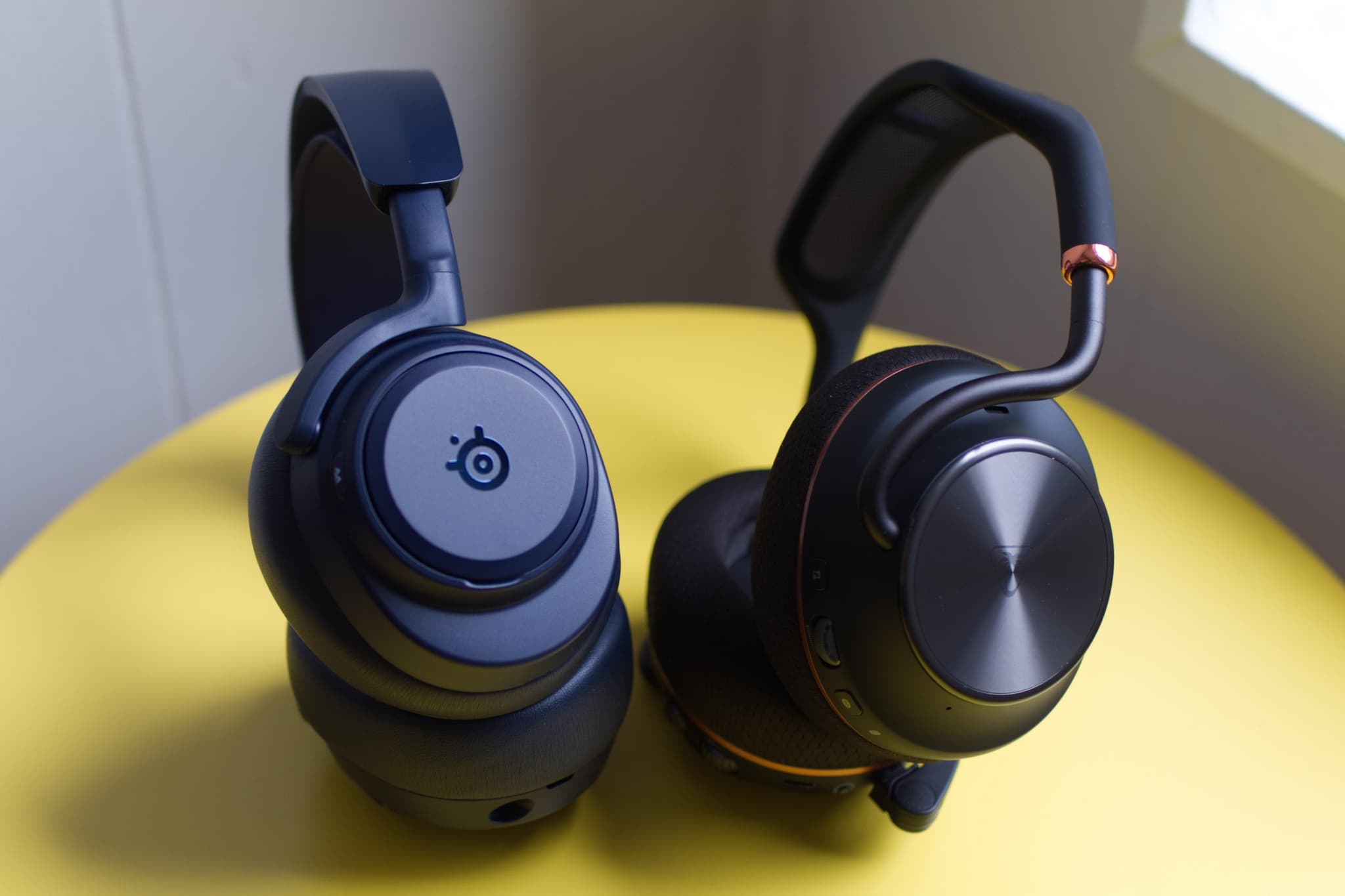
Turtle Beach has launched the Stealth Pro 2, a wireless gaming headset that directly competes with SteelSeries' latest premium offering, the Arctis Nova Pro Omni, but at a significantly lower price point. The Stealth Pro 2, priced at $349, undercuts the Nova Pro Omni by $50, making it an attractive option for gamers seeking high-end audio without breaking the bank. Both headsets were released within weeks of each other, with the Nova Pro Omni arriving on May 5th and the Stealth Pro 2 hitting shelves shortly before.
The Stealth Pro 2 supports wireless hi-res audio at 24-bit / 96kHz over a 2.4GHz connection, matching the Nova Pro Omni's audio capabilities. It also features improved microphone quality for clearer in-game communication and is compatible with all major consoles, including PlayStation, Xbox, and Nintendo Switch, across all its models. The headset uses a dual-battery system, allowing users to swap batteries for uninterrupted gaming sessions, a feature borrowed from its predecessor.
Turtle Beach has equipped the Stealth Pro 2 with 50mm Nanoclear drivers, which deliver a wide frequency range and immersive sound. The headset also includes active noise cancellation (ANC) to block out ambient noise, a feature that was present in the previous Stealth Pro model. On the design front, the Stealth Pro 2 retains a similar aesthetic to its predecessor, with a sturdy build and plush ear cushions for comfort during long gaming sessions.
The Stealth Pro 2 enters a competitive market where SteelSeries has dominated with the Arctis Nova Pro Wireless series. The Nova Pro Omni, priced at $399, offers a similar feature set, including wireless hi-res audio and ANC. However, SteelSeries also offers the $599 Nova Elite, which upgrades build materials and uses larger drivers but otherwise shares the same core features. Turtle Beach's aggressive pricing positions the Stealth Pro 2 as a value-oriented alternative for gamers who want premium features without the premium price.
The headset is available now directly from Turtle Beach's website and through major retailers like Amazon and Best Buy. It comes in two variants: one for Xbox and one for PlayStation, each optimized for the respective console's audio standards. The $349 price point applies to both versions, making it a consistent option across platforms. Turtle Beach has also confirmed that the Stealth Pro 2 will receive firmware updates to ensure compatibility with future consoles and audio formats.
While the Stealth Pro 2 offers compelling value, it does lack some of the premium touches found in the Nova Elite, such as metal construction and larger drivers. Additionally, the headset's software suite, while functional, may not be as polished as SteelSeries' Sonar audio tool. However, for most gamers, the differences in build quality and driver size may not justify the $250 price gap between the Stealth Pro 2 and the Nova Elite.
Looking ahead, Turtle Beach is expected to release additional accessories for the Stealth Pro 2, such as replacement ear pads and a charging stand. The company has also hinted at potential software updates that could add new features like spatial audio profiles. For now, the Stealth Pro 2 stands as a strong contender in the premium wireless headset space, offering a near-identical feature set to its rival at a more accessible price.
Top Laptop Picks for 2026: MacBook Air M5 and MacBook Neo Lead the Pack
After extensive testing, the Apple MacBook Air 15 (2026, M5) remains the best laptop for most people, offering excellent performance, battery life, and build quality. For budget-conscious buyers, the new MacBook Neo delivers impressive value at $600, especially for students.
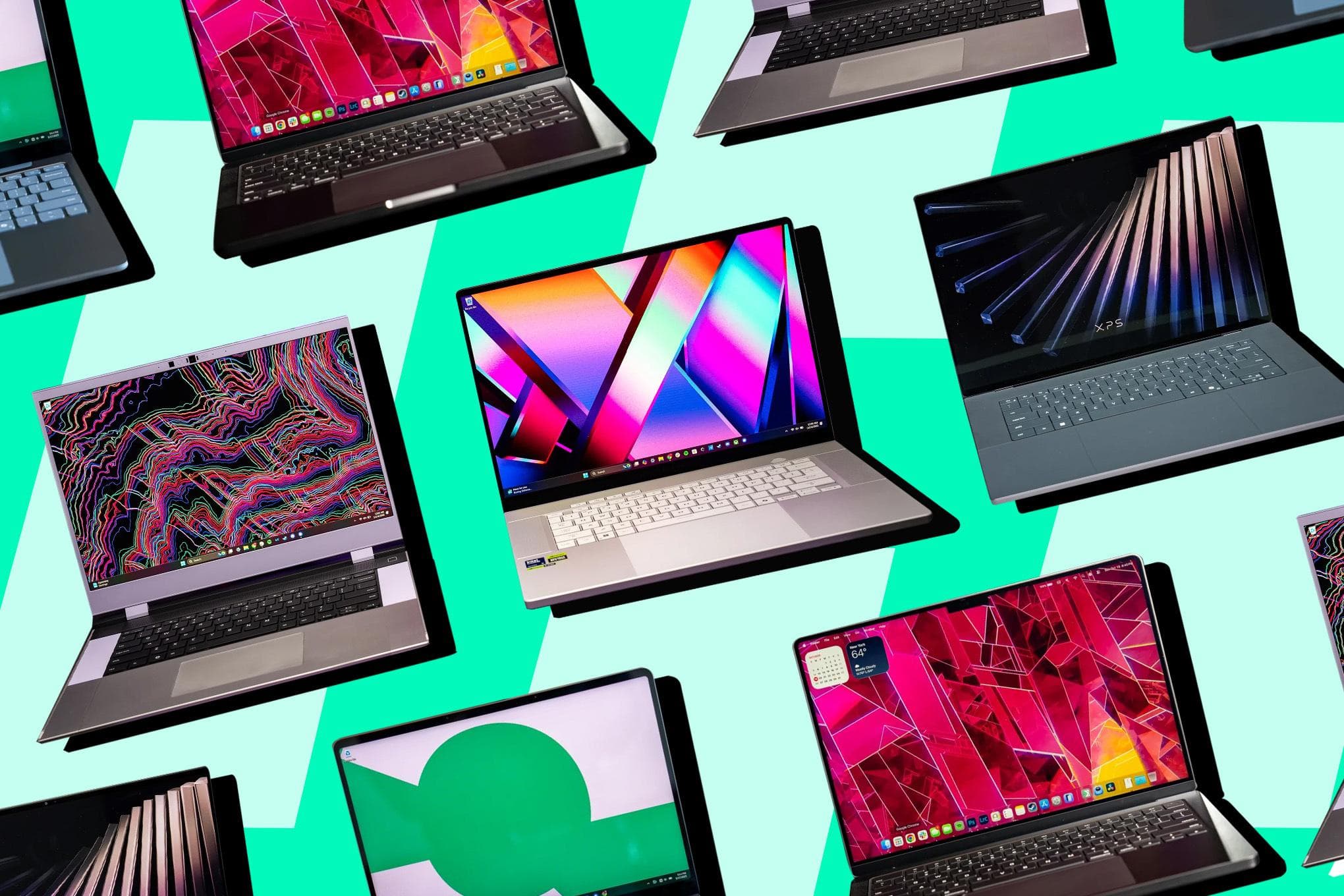
Choosing a new laptop can be overwhelming, as it's often one of the most significant tech investments you'll make and a device you'll use daily for years. After testing a wide range of laptops—from budget Windows machines and Chromebooks to premium MacBooks and gaming rigs—I've identified the models that stand out for most users. While the MacBook Air remains the top recommendation for the majority, it's not the perfect fit for everyone. Whether you need more power for creative work, prefer Windows, game on the go, or want something repairable or unconventional, there are excellent alternatives to consider.
The Apple MacBook Air 15 (2026, M5) earns a score of 9 out of 10, thanks to its thin design, solid keyboard, excellent haptic trackpad, loud speakers (especially on the 15-inch model), and best-in-class webcam. It balances strong performance with around 13 hours of battery life, making it suitable for everything except hardcore gaming or heavy 3D modeling. The M5 chip offers a slight speed boost over the M4 generation, and the base model now starts with 512GB of faster storage, though the starting price has increased by $100 to $1,299. Both the 13-inch and 15-inch variants are available, with the 13-inch model starting at $1,099.
For those who want to spend less or are shopping for a student, the new MacBook Neo is a game-changer. Priced at just $600 ($500 for students and teachers), it delivers impressive performance thanks to its A18 Pro chip, which outperforms most Windows laptop CPUs in single-core tasks. The Neo features a solid build, a great mechanical trackpad, and a decent screen and speakers. However, it has some limitations: only 8GB of RAM, slower storage, no keyboard backlighting, and a 20W charger. Despite these trade-offs, it offers unbeatable value for the price.
The MacBook Air M5 and MacBook Neo cater to different budgets but share Apple's hallmark build quality and user experience. The Air is ideal for professionals and creatives who need long battery life and reliable performance for everyday tasks, while the Neo is perfect for students or casual users who want a premium feel without breaking the bank. Both devices run macOS seamlessly and are likely to receive software updates for years.
For Windows users or those needing more power, alternatives like the 16-inch MacBook Pro (for video/photo editing) or the Microsoft Surface Laptop with Snapdragon X Elite chip are worth considering. Gamers might prefer dedicated gaming laptops, while those who value repairability can look into modular designs. Chromebooks also remain a solid choice for web-centric tasks.
Ultimately, the best laptop depends on your specific needs and budget. The MacBook Air 15 (2026, M5) remains the gold standard for most people, offering a premium experience across the board. Meanwhile, the MacBook Neo proves that you don't have to spend a fortune to get a great laptop, especially for students or light users.
As for what's next, Apple is expected to continue refining its laptop lineup with future M-series chips and possibly more affordable options. The MacBook Neo's success may encourage further innovation in the budget segment, while the Air will likely see incremental improvements in speed and battery life. For now, these two models represent the best choices for 2026.
Kioxia Projects 47-Fold Net Profit Surge in Q2 Driven by AI Data Center Demand
Japanese chipmaker Kioxia Holdings expects its April-June net profit to soar 47-fold to 869 billion yen ($5.7 billion), fueled by soaring demand for semiconductors used in AI data centers. The company's NAND flash memory chips are critical for high-performance computing and AI workloads.

Japanese chipmaker Kioxia Holdings Corp announced Friday that it anticipates a staggering 47-fold increase in net profit for the April-June quarter compared to the same period last year, reaching 869 billion yen ($5.7 billion). This explosive growth is driven by surging demand for semiconductors used in data centers powering artificial intelligence applications. As one of the world's leading producers of NAND flash memory, Kioxia is benefiting from the AI boom that requires massive data storage and processing capabilities.
Kioxia's NAND flash memory chips are essential components in solid-state drives (SSDs) used by cloud service providers and enterprises to handle AI workloads. The company has seen orders skyrocket as tech giants expand their data center infrastructure to support generative AI and machine learning models. This quarter's projected profit dwarfs the 18.5 billion yen earned in the same period last year, highlighting the rapid acceleration in demand.
The company's optimistic outlook reflects broader trends in the semiconductor industry, where memory chip makers are experiencing a resurgence after a prolonged downturn. Kioxia, which was spun off from Toshiba in 2018, has invested heavily in advanced manufacturing processes to produce higher-density and more energy-efficient NAND chips. These chips are crucial for AI training and inference, which require fast read/write speeds and large storage capacities.
Industry analysts note that Kioxia's growth is part of a larger shift toward AI-driven computing, where data centers are increasingly relying on specialized hardware. Competitors like Samsung and SK Hynix have also reported strong earnings from memory chips used in AI applications. However, Kioxia's focus on NAND flash gives it a unique position in the market, as SSDs become the primary storage medium for AI workloads due to their speed and reliability.
For users and businesses, this surge in demand could lead to higher prices for SSDs and other storage devices in the short term, as supply struggles to keep pace. However, Kioxia's increased profitability may also fund further R&D into next-generation memory technologies, such as 3D NAND with over 300 layers, which could eventually lower costs and improve performance. The company's chips are used in everything from consumer electronics to enterprise servers, making this development relevant to a wide audience.
Kioxia's projection comes as it prepares for a potential initial public offering (IPO) on the Tokyo Stock Exchange, which could be one of Japan's largest in recent years. The strong earnings outlook is likely to boost investor confidence. The company is also exploring partnerships with AI chip designers to integrate its memory more closely with processors, aiming to create optimized solutions for AI workloads.
Despite the optimistic forecast, Kioxia faces challenges including geopolitical tensions affecting global chip supply chains and potential overcapacity if demand slows. The company must also navigate competition from emerging memory technologies like MRAM and PCM. However, for now, Kioxia is riding the AI wave, and its April-June results will be closely watched as a barometer for the semiconductor industry's health.