
Manuel Neuer's World Cup Comeback: Nagelsmann Responds to Sky Report
Germany coach Julian Nagelsmann has addressed speculation about Manuel Neuer's potential return for the 2026 World Cup after Sky reported the goalkeeper is being considered. Neuer, now 39, has been recovering from injury but remains a key figure in German football.

Germany national team coach Julian Nagelsmann has responded to mounting speculation that veteran goalkeeper Manuel Neuer could be included in the squad for the 2026 FIFA World Cup in the United States, Mexico, and Canada. The debate was reignited after Sky Sports reported that Neuer's return is being seriously discussed within the German Football Association (DFB). Nagelsmann, however, remained cautious, emphasizing that no final decisions have been made regarding the squad composition.
Neuer, 39, has been sidelined for much of the season due to a calf injury sustained in March 2025. The Bayern Munich captain underwent surgery and has been undergoing rehabilitation, with his return to full training expected in the coming weeks. Despite his age, Neuer's experience and leadership remain highly valued, and he has been a cornerstone of German football since his debut in 2009, winning the 2014 World Cup in Brazil.
The Sky report suggested that Nagelsmann is considering Neuer as a potential starter for the World Cup, given his unmatched shot-stopping ability and command of the penalty area. However, the coach has several other options, including Marc-André ter Stegen of Barcelona and Oliver Baumann of Hoffenheim, both of whom have performed well in recent international matches. Nagelsmann stressed that the decision will be based on form and fitness rather than reputation.
This is not the first time Neuer's international future has been debated. After missing the 2022 World Cup in Qatar due to injury, Neuer retired from international duty in 2023 but later reversed his decision in early 2025. Since then, he has made three appearances for Germany, all in friendly matches. His potential inclusion in the World Cup squad would mark a remarkable comeback for a player who has faced persistent injury setbacks.
For German fans, Neuer's return could provide a significant boost to a team that has struggled in recent tournaments. The 2026 World Cup will be the first to feature 48 teams, and Germany will face tough competition from traditional powerhouses like Brazil, France, and Argentina. Nagelsmann's squad selection will be critical in determining Germany's chances of reclaiming the trophy after their 2014 victory.
If selected, Neuer would likely share goalkeeping duties with ter Stegen, who has been Germany's first-choice keeper in Neuer's absence. The two have a strong working relationship, and Nagelsmann has hinted at a rotation policy to keep both players fresh. However, Neuer's ability to organize the defense and his experience in high-pressure matches could give him the edge in knockout stages.
The final squad for the World Cup is expected to be announced in May 2026, with Germany set to play warm-up matches against South Korea and Argentina in June. Nagelsmann has indicated that he will monitor Neuer's progress closely over the next few months. For now, the debate over Neuer's inclusion continues, but one thing is clear: his potential return would add a compelling narrative to Germany's World Cup campaign.
Power Prices Surge 76% on America's Largest Grid, Watchdog Blames Data Centers
Electricity prices on PJM Interconnection, the largest U.S. power grid, have risen 76%, driven by soaring demand from data centers. A federal watchdog is investigating whether market manipulation or insufficient supply contributed to the spike.
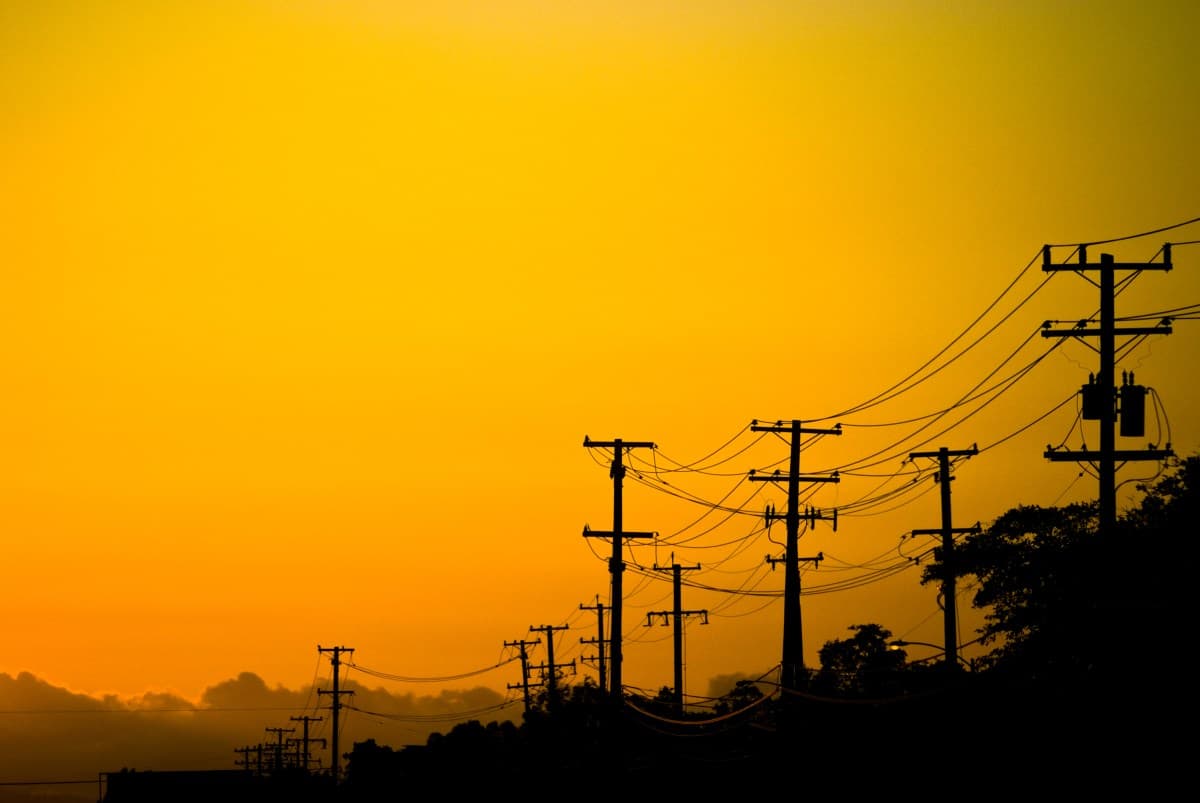
Electricity prices on America's largest power grid, PJM Interconnection, have surged by 76% over the past year, according to a new report from the Federal Energy Regulatory Commission (FERC). The watchdog agency is pointing fingers at the rapid expansion of data centers, which have dramatically increased demand for power across the 13-state region. PJM serves approximately 65 million people from the Midwest to the Mid-Atlantic, making this price hike one of the most significant in recent history.
The price spike is largely attributed to the energy-intensive nature of data centers, which require constant and substantial electricity to power servers and cooling systems. FERC's analysis shows that data center load growth in PJM has increased by over 30% year-over-year, far outpacing the grid's capacity additions. This imbalance has forced PJM to rely on more expensive peaker plants and imported power, driving up wholesale electricity costs for utilities and, ultimately, consumers.
PJM operates a capacity market designed to ensure enough generation is available to meet peak demand. However, the report highlights that the market's pricing mechanisms have failed to account for the sudden surge in data center demand. As a result, capacity prices have skyrocketed, with some zones seeing increases of over 200%. FERC is now investigating whether PJM's market rules need to be updated to prevent future price volatility.
The impact on consumers is already being felt. Residential electricity bills in PJM states have risen by an average of 15-20% over the past year, with some areas experiencing even steeper increases. Businesses, particularly those in manufacturing and retail, are also struggling with higher operating costs. The watchdog warns that if data center demand continues to grow at its current pace, prices could rise further, potentially straining household budgets and economic competitiveness.
Data centers are not the only culprit; extreme weather events and the retirement of coal plants have also contributed to the price surge. However, FERC's report emphasizes that data centers are the primary driver, as their load growth is unprecedented and shows no signs of slowing. The agency is calling for greater transparency in data center planning and for grid operators to accelerate the integration of renewable energy and storage to meet demand sustainably.
In response, PJM has announced plans to review its capacity market design and explore new mechanisms to manage load growth from data centers. The grid operator is also working with state regulators to incentivize energy efficiency and demand response programs. FERC has scheduled a series of hearings to gather input from stakeholders, including utility companies, data center operators, and consumer advocates.
Looking ahead, the situation remains fluid. PJM expects data center demand to continue rising, with some projections showing a doubling of load by 2030. FERC's investigation could lead to market reforms that may temper price increases, but the timeline for any changes is uncertain. For now, consumers and businesses in the PJM region should brace for continued high electricity costs as the grid adapts to the demands of the digital age.