Should You Unplug Your Electronics During a Thunderstorm? Expert Advice
Thunderstorms pose a serious risk to electronics through power surges. Experts recommend unplugging sensitive devices to prevent damage from lightning strikes.

For decades, the advice has been clear: unplug your electronics during a thunderstorm to protect them from lightning-induced power surges. But with modern surge protectors and advanced electrical systems, many wonder if this precaution is still necessary. The short answer is yes—lightning strikes can still cause catastrophic damage to devices even with surge protection. A direct strike or nearby strike can send a massive voltage spike through power lines, overwhelming standard surge protectors and frying connected electronics.
Lightning doesn't have to hit your house to cause problems. A strike on a power line or transformer can send a surge through the grid, entering your home through outlets. While whole-house surge protectors and quality power strips offer some defense, they are not foolproof. The National Oceanic and Atmospheric Administration (NOAA) notes that a lightning strike can carry up to 1 billion volts of electricity, far exceeding the capacity of most consumer surge protectors, which typically handle surges up to 6,000 volts.
Modern electronics are more sensitive than ever due to miniaturized components and always-on features. Smart TVs, computers, gaming consoles, and even smart home devices can be damaged by even minor surges. The cost of replacing these devices often far outweighs the inconvenience of unplugging them for a short period. Additionally, data loss from a fried hard drive or corrupted firmware can be irreparable.
Surge protectors are rated by their clamping voltage (how quickly they respond) and energy absorption capacity (measured in joules). A typical power strip with surge protection might offer 1,000-2,000 joules, which is sufficient for small surges but can be overwhelmed by a lightning strike. Whole-house surge protectors installed at the main electrical panel provide a first line of defense, but they too have limits. For maximum protection, unplugging devices is the only sure way to prevent damage.
Beyond electronics, lightning can also damage wiring and appliances. Refrigerators, washers, and dryers with electronic controls are at risk. Even if a device is turned off, it can still be damaged if plugged in, because the surge travels through the power cord. Unplugging disconnects the device from the electrical path entirely.
For those who cannot unplug every device, focusing on high-value or sensitive items is practical. Computers, home theater systems, and network equipment are top priorities. Using a surge protector with a high joule rating (3,000 or more) and a low clamping voltage (under 330 volts) offers better protection. However, no consumer device can guarantee safety from a direct lightning strike.
The safest approach is to unplug electronics when a thunderstorm is forecast or when you hear thunder. If you are away from home, consider using smart plugs that can be remotely controlled to cut power. Some whole-house surge protectors also include monitoring features that alert you to power quality issues.
Despite advancements in electrical safety, the risk of lightning damage persists. As storms become more severe with climate change, the threat may even increase. Until technology offers perfect protection, the old advice remains valid: when thunder roars, unplug your gear. The few minutes of inconvenience are a small price for peace of mind and the safety of your electronics.
AI Revolution: How Artificial Intelligence Is Reshaping Our Daily Lives and Future
Artificial intelligence is fundamentally transforming how we live, work, and interact, from healthcare to transportation. This article explores the profound impacts and challenges of AI integration across various sectors.

Artificial intelligence is no longer a futuristic concept—it is actively reshaping our daily lives and the global economy. From personalized recommendations on streaming platforms to autonomous vehicles navigating city streets, AI systems are becoming deeply embedded in the fabric of society. This transformation is accelerating rapidly, with new applications emerging in healthcare, finance, education, and beyond. As AI continues to evolve, it promises to unlock unprecedented efficiencies and capabilities, but also raises critical questions about ethics, employment, and privacy.
At its core, artificial intelligence relies on machine learning algorithms that analyze vast amounts of data to identify patterns and make decisions. Deep learning, a subset of machine learning, uses neural networks inspired by the human brain to process complex information such as images, speech, and text. These technologies power virtual assistants like Siri and Alexa, enable facial recognition systems, and drive recommendation engines on Netflix and Amazon. The key to AI's effectiveness is its ability to improve over time through continuous learning, making it increasingly accurate and versatile.
In healthcare, AI is revolutionizing diagnostics and treatment planning. Algorithms can analyze medical images like X-rays and MRIs with accuracy comparable to or exceeding that of human radiologists, detecting early signs of diseases such as cancer. AI-powered chatbots provide mental health support and triage symptoms, while predictive models help hospitals manage patient flow and allocate resources. Drug discovery has also been accelerated, with AI simulating molecular interactions to identify promising compounds in a fraction of the traditional time.
The transportation sector is undergoing a parallel transformation through autonomous driving technology. Companies like Waymo, Tesla, and Cruise are developing self-driving cars that use sensors, cameras, and AI to navigate roads safely. While fully autonomous vehicles are not yet widespread, advanced driver-assistance systems (ADAS) that include features like adaptive cruise control and lane-keeping assist are already common. These systems reduce accidents caused by human error and promise to reshape urban planning, reduce traffic congestion, and lower emissions.
For individuals, AI personalizes experiences in ways previously unimaginable. Smart home devices learn user preferences to adjust lighting, temperature, and music. Streaming services curate content based on viewing history, while social media algorithms shape the information we see. In the workplace, AI automates repetitive tasks, from data entry to customer service, freeing humans for more creative and strategic work. However, this automation also raises concerns about job displacement, particularly in industries like manufacturing and retail.
Despite its benefits, AI poses significant challenges. Bias in algorithms can perpetuate discrimination if training data reflects historical inequalities. Privacy concerns escalate as AI systems collect and analyze personal information, often without transparent consent. The "black box" problem—where AI decisions are opaque—makes it difficult to hold systems accountable. Governments worldwide are grappling with how to regulate AI, balancing innovation with protections against misuse. The European Union's AI Act and similar efforts aim to establish guidelines for high-risk applications.
Looking ahead, the trajectory of AI development points toward even deeper integration into our lives. General AI, which could perform any intellectual task that a human can, remains theoretical, but narrow AI continues to advance rapidly. Emerging trends include AI in education, where adaptive learning platforms tailor instruction to individual students, and in climate science, where models predict weather patterns and optimize energy use. The next frontier may be AI that collaborates with humans seamlessly, augmenting our capabilities rather than replacing them.
As AI becomes more pervasive, society must address the ethical and practical implications head-on. Ensuring equitable access to AI's benefits, protecting individual rights, and fostering public trust are essential. The future shaped by AI will depend on the choices we make today—whether we prioritize transparency, fairness, and human well-being alongside technological progress. The disruption is underway, and its ultimate impact rests in our hands.
Vatican Establishes AI Ethics Commission Ahead of Pope's Encyclical Release
The Vatican has formed a study group to examine the ethical implications of artificial intelligence, coinciding with the upcoming release of Pope Francis's first encyclical. The initiative aims to guide the development and use of AI in alignment with human dignity and moral values.

The Vatican has announced the creation of a new study group dedicated to exploring the ethical dimensions of artificial intelligence, signaling the Catholic Church's growing engagement with modern technology. This initiative comes as Pope Francis prepares to release his first encyclical, a major papal document expected to address contemporary issues including AI. The study group, composed of theologians, scientists, and ethicists, will work under the Pontifical Academy for Life to develop guidelines for AI that respect human dignity and promote the common good.
The study group will focus on several key areas, including the impact of AI on labor, privacy, and decision-making processes. It aims to produce a series of reports and recommendations that could influence both Church policy and broader societal debates. The Vatican has previously expressed concerns about AI's potential to exacerbate inequality and undermine human autonomy, and this group is seen as a proactive step to shape the technology's trajectory.
Pope Francis has been vocal about the need for ethical oversight in technology, often warning against a "technocratic paradigm" that prioritizes efficiency over humanity. The upcoming encyclical, titled "Fratelli Tutti," is expected to build on these themes, emphasizing solidarity and social justice in the digital age. The study group's work will likely complement the encyclical's teachings, providing concrete ethical frameworks for AI development.
This move places the Vatican among a growing number of religious and secular institutions grappling with AI ethics. Similar efforts have been undertaken by the European Union, UNESCO, and various tech companies, though the Vatican's approach is distinct in its grounding in Catholic social teaching. The study group will also collaborate with other faith-based organizations to ensure a multi-religious perspective on AI governance.
The Vatican's initiative has implications for Catholics worldwide, as well as for tech developers and policymakers. The study group's recommendations could influence how Catholic institutions, such as hospitals and schools, adopt AI technologies. Additionally, the Vatican's moral authority may lend weight to calls for international regulations on AI, particularly regarding autonomous weapons and surveillance systems.
While the study group's work is still in its early stages, it is expected to release preliminary findings within the next year. The Vatican has not yet specified whether these guidelines will be binding for Catholic organizations, but they are likely to carry significant moral weight. The encyclical's release is anticipated in October 2020, and the study group's initial reports may coincide with this event.
As AI continues to advance rapidly, the Vatican's engagement underscores the urgent need for ethical reflection. The study group faces the challenge of addressing complex technical issues while remaining accessible to a global audience. Future developments may include public consultations and partnerships with tech companies to implement ethical AI practices. The Vatican's leadership in this area could set a precedent for how religious institutions engage with emerging technologies.
New Jersey Groups Urge Congresswoman to Halt AI Data Center Development
Over 60 New Jersey organizations have called on Representative Mikie Sherrill to pause the construction of AI data centers, citing concerns over rising electricity costs and water scarcity. The groups argue that the rapid expansion of AI infrastructure could strain the state's resources and burden residents with higher utility bills.

More than 60 community and environmental groups in New Jersey have united to urge U.S. Representative Mikie Sherrill to halt the construction of artificial intelligence data centers in the state. In a letter sent earlier this week, the coalition warned that the rapid expansion of AI infrastructure could lead to significant increases in electricity rates and place an unsustainable demand on New Jersey's water supply. The groups argue that without proper oversight, the state risks prioritizing corporate interests over the well-being of its residents.
The letter highlights that AI data centers are notoriously energy-intensive, requiring vast amounts of electricity to power and cool the servers that run complex machine learning models. According to the groups, a single large-scale data center can consume as much power as tens of thousands of homes. They also point out that these facilities often use water-intensive cooling systems, which could exacerbate water shortages in drought-prone areas. New Jersey, while not typically associated with severe water scarcity, has experienced periodic droughts and faces growing competition for water resources.
The coalition specifically called on Sherrill, who represents New Jersey's 11th congressional district, to support a moratorium on new data center permits until a comprehensive environmental and economic impact study is completed. They emphasized that the benefits of AI development should not come at the expense of affordable utilities and environmental sustainability. The letter also noted that several other states, including Virginia and Oregon, have faced similar debates over data center expansion.
New Jersey has seen a surge in data center construction in recent years, driven by the increasing demand for cloud computing and AI services. Major tech companies have invested heavily in the region, drawn by its proximity to major East Coast markets and relatively reliable power grid. However, critics argue that the state's aging infrastructure may not be equipped to handle the additional load, potentially leading to grid instability and higher maintenance costs passed on to consumers.
If the moratorium is not implemented, the groups warned that New Jersey residents could see their electricity bills rise by as much as 20% over the next decade. They also expressed concerns about the environmental impact of increased fossil fuel usage to meet the data centers' energy demands, which could undermine the state's clean energy goals. The letter recommended that any new data centers be required to use renewable energy sources and adopt water-efficient cooling technologies.
Representative Sherrill's office has acknowledged receipt of the letter but has not yet issued a formal response. The congresswoman has previously expressed support for responsible AI development, balancing innovation with environmental protection. The coalition hopes that her background as a former federal prosecutor will lead her to advocate for stronger regulatory oversight. Similar campaigns in other states have resulted in temporary pauses on data center construction, though permanent restrictions have been rare.
As the debate over AI infrastructure intensifies, New Jersey stands at a crossroads. The outcome of this advocacy effort could set a precedent for how other states manage the growth of the AI industry. For now, the coalition plans to escalate its campaign by reaching out to state legislators and organizing public forums. They also intend to file a formal petition with the New Jersey Board of Public Utilities, urging the agency to conduct its own investigation into the potential impacts of data center expansion.
Pope Leo XIV Establishes AI Study Group Ahead of First Encyclical
Pope Leo XIV has created a study group on artificial intelligence at the Vatican, signaling a focus on ethical AI governance. The move precedes his first encyclical, expected to emphasize human dignity and peace in technology development.
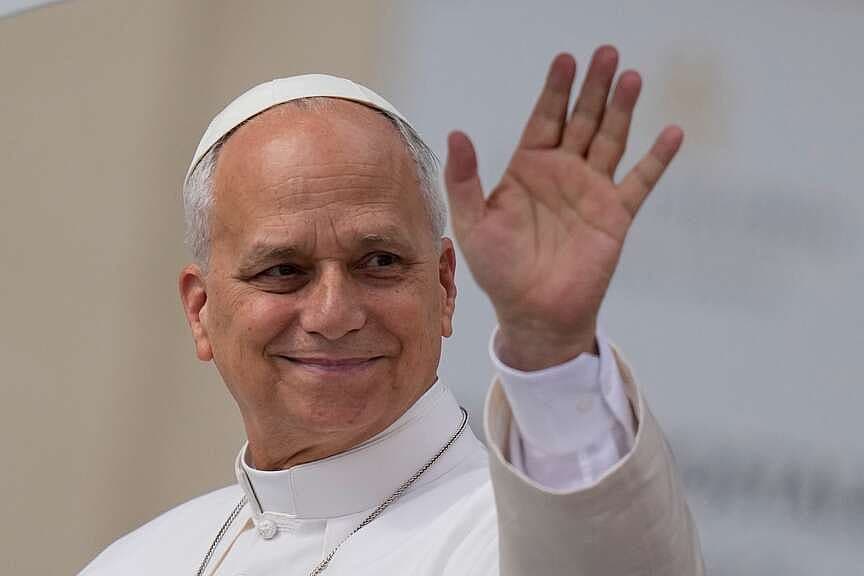
VATICAN CITY -- Pope Leo XIV has established a new study group dedicated to artificial intelligence, the Vatican announced on Saturday. The initiative comes as the pontiff prepares to release his first encyclical, which is widely expected to address the ethical implications of rapidly advancing AI technologies. The study group will explore how AI can be developed and deployed in ways that uphold human dignity and promote global peace, aligning with Catholic social teaching.
The study group will be composed of theologians, ethicists, scientists, and technology experts from various countries. Its mandate includes examining the moral and social challenges posed by AI, such as algorithmic bias, job displacement, and the potential for autonomous weapons. The Vatican emphasized that the group's work will inform the Church's position on AI governance, advocating for regulations that prioritize human well-being over profit or power.
Pope Leo XIV has previously spoken about the need for an "ethics of algorithms" that ensures technology serves humanity rather than the other way around. This new study group builds on the Vatican's earlier engagements with AI, including the 2020 Rome Call for AI Ethics, which was signed by tech giants like Microsoft and IBM. The call outlined principles such as transparency, inclusion, and accountability in AI systems.
The upcoming encyclical is expected to be the first major papal document focused on technology since Pope Francis's 2015 encyclical on the environment. Analysts suggest that Leo XIV will use the document to call for international cooperation on AI regulation, similar to global efforts on climate change. The Vatican has historically positioned itself as a moral voice on emerging technologies, and this encyclical could shape public discourse on AI ethics worldwide.
For Catholics and the broader public, the study group and encyclical signal a growing recognition of AI's transformative impact on society. The Vatican's involvement may influence how governments and corporations approach AI regulation, especially in countries with large Catholic populations. The study group is expected to produce recommendations for ethical AI development, which could be integrated into Catholic educational and social programs.
The exact release date of the encyclical has not been announced, but Vatican insiders suggest it could come within the next few months. The study group is already convening meetings, with preliminary findings expected to be shared with the Pope later this year. The Vatican has also indicated that the encyclical will address AI's role in healthcare, education, and warfare, areas where ethical dilemmas are most acute.
While the study group's work is still in its early stages, the Vatican has made clear that its ultimate goal is to ensure that AI is used to enhance human life, not diminish it. As AI continues to evolve, the Catholic Church's engagement with the technology is likely to deepen, potentially setting a precedent for other religious and ethical institutions. The world will be watching to see how Leo XIV's vision shapes the future of AI governance.