
Oppo Find X10 Leaked Specs Include 8,000mAh Battery, 165Hz Display, 200MP Camera
Leaked specifications for the Oppo Find X10 reveal a massive 8,000mAh battery, a 165Hz display, and a 200-megapixel camera. The device is expected to launch later this year.

Oppo's upcoming Find X10 smartphone has surfaced in a series of leaks detailing its hardware specifications. The device is said to pack an 8,000mAh battery, a 165Hz refresh rate display, and a 200-megapixel primary camera. These features position the Find X10 as a potential flagship contender in the premium smartphone segment.
The battery capacity, if accurate, would be one of the largest ever seen in a mainstream smartphone. Oppo has previously experimented with high-capacity batteries in its Reno series, but the Find X10's 8,000mAh cell would mark a significant leap. The 165Hz display refresh rate also exceeds the current standard of 120Hz found on most high-end devices, suggesting Oppo is targeting gamers and media consumers who prioritize smooth visuals.
On the camera front, the 200-megapixel sensor is expected to be a custom unit, possibly developed in collaboration with a sensor manufacturer like Sony or Samsung. Oppo has a history of pushing camera boundaries, such as the periscope zoom on the Find X3 Pro. The Find X10's camera system may also include additional lenses for ultra-wide and telephoto capabilities, though specific details remain unconfirmed.
The leaks do not specify the chipset, but the Find X10 is likely to be powered by Qualcomm's Snapdragon 8 Gen 3 or a MediaTek Dimensity flagship processor. Oppo typically equips its Find series with the latest silicon to compete with rivals like the Samsung Galaxy S24 Ultra and Xiaomi 14 Pro.
Oppo has not officially commented on the leaks. The company is expected to unveil the Find X10 in the second half of 2024, possibly alongside the Find X10 Pro. Pricing remains unknown, but the Find X9 series started at around $800, suggesting a similar or higher price point for the X10.
The leaked specifications, if accurate, would make the Oppo Find X10 one of the most feature-packed smartphones of the year. However, until Oppo confirms the details, these remain unverified rumors. The company has a track record of delivering innovative hardware, and the Find X10 could continue that trend with its massive battery and high-refresh-rate display.
Samsung Galaxy S23 FE Receives One UI 8.5 Update in Turkey
Samsung has started rolling out the One UI 8.5 update to the Galaxy S23 FE in Turkey. The update focuses on improving user experience.
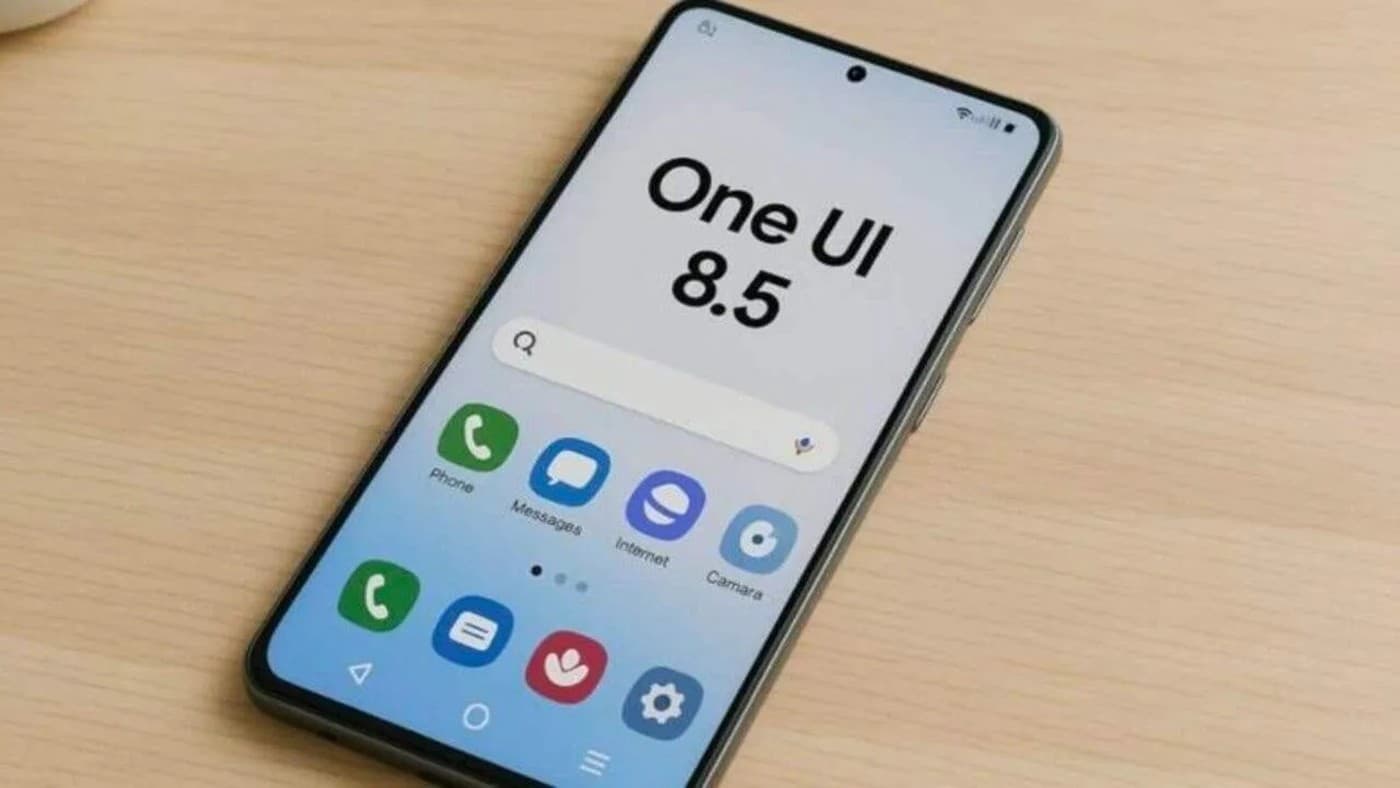
Samsung has begun distributing the One UI 8.5 update to the Galaxy S23 FE smartphone in Turkey. The update is primarily aimed at enhancing the user experience. Users in the region can now download and install the new software version.
The One UI 8.5 update brings several refinements to the device's interface and functionality. Samsung has optimized system performance and introduced subtle design tweaks. The update also includes the latest security patches to ensure device safety.
Galaxy S23 FE owners will notice smoother animations and improved app loading times. The update addresses various bugs reported by users. Battery management has also been fine-tuned for better efficiency.
In addition to the Galaxy S23 FE, Samsung has listed the Galaxy Tab S10 FE and Galaxy Tab S10 FE+ for the One UI 8.5 update. These tablets are expected to receive the update in the coming weeks. The company has not specified an exact release date for the tablets yet.
The One UI 8.5 update for the Galaxy S23 FE is available over-the-air. Users can check for the update by navigating to Settings > Software Update > Download and Install. The update size varies depending on the device's current software version.
Samsung continues to expand its One UI 8.5 rollout to more devices. The company has prioritized its mid-range and flagship models. The Galaxy S23 FE, launched last year, remains a popular choice among consumers.
The update is currently rolling out in Turkey, with other regions expected to follow soon. Samsung has not provided a global rollout timeline. Users are advised to back up their data before installing the update.
Samsung confirmed that the One UI 8.5 update for the Galaxy S23 FE is now available in Turkey. The company encourages users to update their devices to enjoy the latest features and improvements.
Vivo Y600 Turbo with 9000 mAh Battery and 165Hz Display Set for May 25 Launch
Vivo has confirmed the Y600 Turbo will launch in China on May 25, featuring a massive 9000 mAh battery and a 165Hz refresh rate display. The device targets users seeking extended battery life in the mid-range segment.
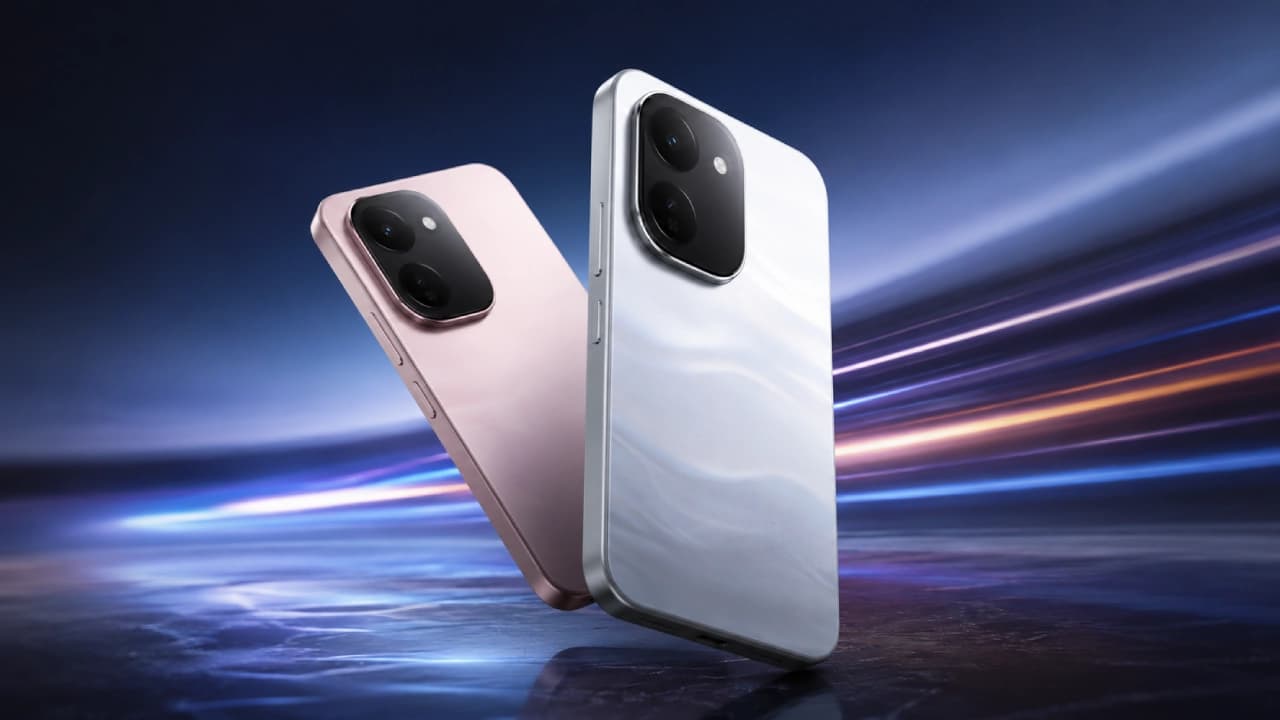
Vivo has officially announced the upcoming Y600 Turbo, a mid-range smartphone designed to address battery life concerns. The company confirmed through official channels that the device will pack a 9000 mAh battery, a capacity rarely seen in the smartphone market. The launch event is scheduled for May 25 in China.
The Y600 Turbo is not just about its large battery; it also boasts a display with a 165Hz refresh rate. This high refresh rate is typically found in gaming-oriented devices, suggesting Vivo is targeting performance-conscious users. The combination of a massive battery and a smooth display could set the device apart in the competitive mid-range segment.
Details on the processor and other specifications remain scarce, but the battery capacity alone positions the Y600 Turbo as a potential game-changer for users who prioritize longevity. The 9000 mAh cell is significantly larger than the 5000-6000 mAh batteries common in most modern smartphones, potentially offering multiple days of moderate use on a single charge.
Vivo has not disclosed pricing or availability outside China yet. The company typically launches its Y-series devices in multiple markets, including India and Southeast Asia, but global release plans for the Y600 Turbo are unconfirmed. The device is expected to compete with other mid-range phones that emphasize battery life, such as those from Xiaomi and Realme.
The 165Hz display is another standout feature, as most mid-range phones cap at 120Hz or 144Hz. This could appeal to gamers and users who consume high-frame-rate content. However, the high refresh rate may impact battery consumption, though the 9000 mAh capacity should mitigate that concern.
Vivo has not yet revealed the charging speed supported by the Y600 Turbo. Given the large battery, fast charging support would be crucial to reduce downtime. The company may announce this detail closer to the launch date.
The Y600 Turbo is expected to run on Android 14 with Vivo's Funtouch OS skin. The device will likely feature a multi-camera setup, though specifics are not yet available. Vivo's official teasers highlight the battery and display as the key selling points.
Vivo confirmed the May 25 launch date for the Y600 Turbo in China. Pricing and full specifications will be revealed at the event.

OPPO Find N6 Launches in Turkey with Ultra-Thin Foldable Design and High Price Tag
OPPO has launched its flagship foldable smartphone, the Find N6, in Turkey. The device features an ultra-thin design and comes with a premium price tag of 59,999 TL.

OPPO introduced its latest foldable flagship, the Find N6, to the Turkish market on Tuesday. The device is now available for purchase through authorized retailers and the company's official online store. Priced at 59,999 Turkish Lira, the Find N6 targets the premium segment of the smartphone market.
The Find N6 boasts an ultra-thin profile, measuring just 5.2mm when unfolded and 11.2mm when folded. It features a 7.1-inch inner AMOLED display with a 120Hz refresh rate and a 6.3-inch cover display. The device is powered by the Qualcomm Snapdragon 8 Gen 3 processor, paired with 16GB of RAM and 512GB of internal storage.
In terms of camera capabilities, the Find N6 includes a triple rear camera setup: a 50-megapixel main sensor, a 48-megapixel ultrawide lens, and a 64-megapixel periscope telephoto lens with 3x optical zoom. The front-facing camera is a 32-megapixel sensor housed in a punch-hole cutout on the inner display.
The device runs on ColorOS 14 based on Android 14, offering a split-screen multitasking experience optimized for the foldable form factor. OPPO has also integrated a 4,800mAh battery with 67W wired charging and 50W wireless charging support.
OPPO's Find N6 is available in two color options: Black and White. The company is offering a limited-time promotion that includes a free OPPO Watch 3 and a pair of OPPO Enco X2 earbuds with every purchase. The standard warranty covers two years for the device and one year for accessories.
Industry analysts note that the Find N6 enters a competitive foldable market in Turkey, where Samsung's Galaxy Z Fold series has been dominant. However, OPPO's aggressive pricing and ultra-thin design could attract consumers looking for an alternative.
"The Find N6 represents our commitment to pushing the boundaries of foldable technology," said an OPPO Turkey spokesperson. "We believe its combination of premium materials, advanced camera system, and seamless software experience will resonate with Turkish consumers."

AT&T, T-Mobile, Verizon Unite to Eliminate Mobile Coverage Dead Zones
AT&T, T-Mobile, and Verizon announced a joint effort to pool satellite resources and improve connectivity in underserved areas. The collaboration aims to eliminate mobile coverage dead zones across the United States.

Three of the largest U.S. wireless carriers — AT&T, T-Mobile, and Verizon — have announced a joint initiative to address mobile coverage gaps. The rival companies will pool their satellite capacity and infrastructure resources to enhance connectivity in areas that currently lack reliable service. The collaboration marks a rare instance of cooperation among competitors in the telecommunications industry.
The carriers plan to share satellite spectrum and ground infrastructure to extend coverage into remote and rural regions. By combining their assets, the companies aim to reduce the cost and complexity of deploying satellite-based connectivity. The initiative focuses on areas where traditional cell towers are impractical or too expensive to build.
Under the agreement, each carrier will contribute satellite capacity from its existing partnerships. AT&T has worked with AST SpaceMobile, T-Mobile with SpaceX’s Starlink, and Verizon with Amazon’s Project Kuiper. The pooled resources will be used to create a shared network that can serve customers of all three carriers.
The companies stated that the collaboration will accelerate the deployment of direct-to-device satellite services. This technology allows standard smartphones to connect to satellites without requiring specialized hardware. The carriers expect to begin testing the shared network in select regions later this year.
Industry analysts noted that the partnership could significantly reduce the time and investment needed to eliminate dead zones. Each carrier previously pursued separate satellite strategies, which led to fragmented coverage and higher costs. By working together, the companies can avoid duplicating infrastructure and expand coverage more efficiently.
The initiative is subject to regulatory approval from the Federal Communications Commission. The carriers have submitted a joint proposal outlining the technical and operational framework for the shared network. They emphasized that the collaboration does not involve sharing customer data or competing on pricing.
Consumer advocates welcomed the announcement, citing the persistent problem of coverage gaps in rural America. According to FCC data, millions of Americans still lack access to reliable mobile broadband. The carriers’ joint effort could help bridge the digital divide without requiring government funding.
The companies plan to launch the shared satellite service in phases, starting with emergency connectivity and basic messaging. Full data and voice services are expected to follow as the network expands. AT&T, T-Mobile, and Verizon stated that the collaboration is open to other carriers that wish to join.
“This partnership demonstrates our commitment to ensuring every American has access to reliable wireless service,” the carriers said in a joint statement. The companies aim to have the shared network operational by the end of 2025, pending regulatory approvals.