
Six Kitchen Gadgets That Simplify Everyday Cooking Tasks
A roundup of six kitchen gadgets, including a robotic stirrer and a bread machine, designed to automate repetitive cooking tasks and make meal preparation more convenient.

A new wave of kitchen gadgets aims to reduce the manual effort involved in everyday cooking. From automated stirring to dough kneading, these devices are designed to handle time-consuming tasks, allowing users to focus on other activities. The following six gadgets have been highlighted for their ability to simplify meal preparation.
The first gadget is a robotic stirrer that can automatically stir soups, sauces, and other dishes while they cook. This device attaches to the side of a pot and rotates a stirring arm at adjustable speeds, eliminating the need for constant manual stirring. It is particularly useful for recipes that require prolonged attention to prevent burning or sticking.
Another featured device is a bread machine that kneads dough, proofs it, and bakes bread with minimal user intervention. Users simply add ingredients, select a program, and the machine handles the rest. This gadget appeals to those who want fresh bread without the physical effort of kneading or the time commitment of traditional bread-making.
A third gadget is an electric pressure cooker that combines multiple functions such as pressure cooking, slow cooking, and sautéing. It reduces cooking times for beans, grains, and tough cuts of meat, making it a versatile tool for quick meals. The device also includes preset programs for specific dishes.
Also included is a smart kitchen scale that connects to a smartphone app to guide users through recipes step by step. The scale measures ingredients by weight and can adjust quantities automatically. It also tracks nutritional information and can suggest recipe modifications.
A fifth gadget is an automatic pan stirrer that works similarly to the robotic stirrer but is designed for frying pans. It features a motorized arm that moves back and forth to toss or stir ingredients, useful for dishes like stir-fries or scrambled eggs.
Finally, a compact food processor with multiple attachments is highlighted for its ability to chop, slice, shred, and puree ingredients quickly. It is designed for small kitchens and can handle tasks like making salsa, chopping nuts, or preparing dough.
These gadgets are available from various retailers and online stores. Prices range from approximately $30 for basic models to over $200 for more advanced devices. The article notes that while these gadgets can make cooking easier, they are not essential for everyone and should be chosen based on individual cooking habits and kitchen space.
TechCrunch Mobility: Robotaxi Reality Check
TechCrunch Mobility, a newsletter focused on transportation news, has published an edition titled 'Robotaxi reality check.' The piece examines the current state and challenges facing autonomous taxi services.
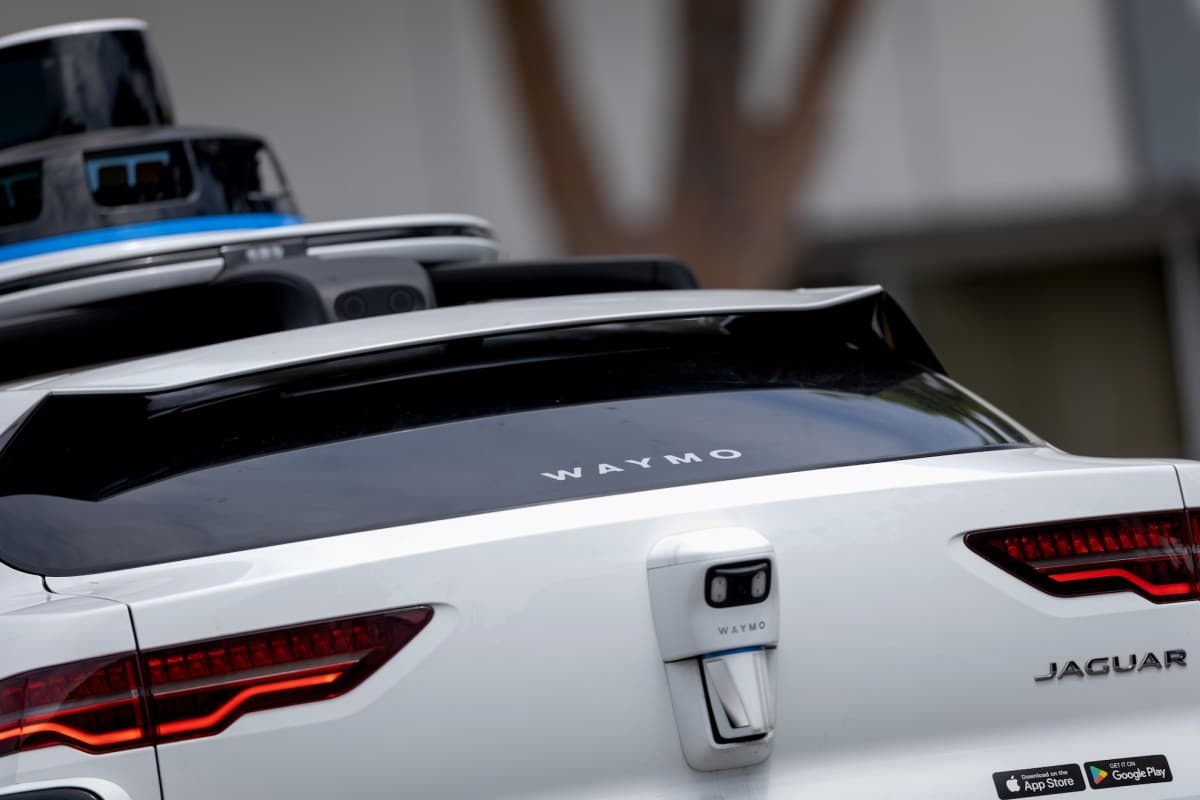
TechCrunch Mobility, the newsletter dedicated to transportation innovation, released its latest edition under the headline 'Robotaxi reality check.' The publication serves as a central hub for news and analysis on the future of mobility. This installment zeroes in on the autonomous taxi sector, offering a grounded assessment of its progress and hurdles.
The newsletter's editors have curated a selection of stories that collectively paint a picture of where robotaxi development stands today. Rather than hyping breakthroughs, the edition focuses on the practical realities companies face as they deploy self-driving vehicles on public roads. Regulatory hurdles, safety concerns, and operational challenges are among the topics covered.
Readers are presented with updates on key players in the robotaxi space, including their latest milestones and setbacks. The edition does not shy away from discussing incidents that have raised questions about the technology's readiness. It also highlights efforts by cities and states to craft rules governing autonomous vehicle operations.
TechCrunch Mobility's 'Robotaxi reality check' aims to provide a balanced view, acknowledging both the potential and the limitations of current systems. The newsletter draws on reporting from TechCrunch's transportation team, as well as insights from industry experts and analysts.
The edition also touches on the economic aspects of robotaxi services, examining business models and funding trends. It notes that while investment remains strong, profitability remains elusive for most operators. The high costs of technology development and fleet maintenance are cited as significant barriers.
For subscribers, the newsletter offers a roundup of the week's most important mobility news, with the robotaxi theme tying the stories together. It serves as a resource for professionals tracking the autonomous vehicle industry, from startup founders to policymakers.
TechCrunch Mobility is published regularly and covers a broad range of topics, including electric vehicles, micromobility, and aviation. The 'Robotaxi reality check' edition is available to subscribers via email and online.

3D Printed Copper Cooling Could Transform Data Center Efficiency
Researchers have developed 3D-printed copper cold plates that can significantly reduce energy consumption in data centers. The new liquid cooling technology offers improved heat dissipation compared to traditional methods.

A team of researchers has introduced a novel approach to data center cooling using 3D-printed copper cold plates. The technology aims to address the growing energy demands of modern data centers, which are increasingly strained by high-performance computing workloads. The findings were published in a recent study detailing the design and performance of the additively manufactured cooling components.
The cold plates are fabricated using a 3D printing process that allows for complex internal geometries not possible with conventional manufacturing. These intricate channels optimize the flow of liquid coolant, enhancing heat transfer from server components. Copper was chosen for its superior thermal conductivity, enabling more efficient heat removal compared to aluminum or other materials.
In testing, the 3D-printed copper cold plates demonstrated a 20% improvement in thermal performance over standard cold plates. This translates to lower operating temperatures for servers, which can reduce the need for energy-intensive air conditioning systems. The researchers noted that the technology could cut data center cooling energy consumption by up to 15%.
The study also highlighted the potential for customization, as 3D printing allows for tailored designs that match specific server layouts. This flexibility could lead to more compact cooling solutions, freeing up space within data center racks. The researchers emphasized that the cold plates are compatible with existing liquid cooling infrastructure, simplifying adoption.
Data centers currently account for about 1% of global electricity use, with cooling representing a significant portion of that demand. As AI and cloud computing drive further growth, efficient cooling becomes critical. The 3D-printed copper cold plates offer a path to more sustainable operations without requiring a complete overhaul of existing systems.
The team plans to scale up production and conduct long-term reliability tests. They are also exploring the use of recycled copper to reduce material costs and environmental impact. The next phase involves collaborating with data center operators to deploy the technology in real-world environments.
While the cold plates are not yet commercially available, the researchers expect them to reach the market within two to three years. Pricing will depend on volume and customization, but the team believes the energy savings will offset the initial investment. The study was funded by the Department of Energy's Advanced Research Projects Agency-Energy (ARPA-E).
"Our goal is to provide a drop-in solution that improves efficiency without disrupting data center operations," said Dr. Emily Chen, lead author of the study. The research team will present their findings at the International Data Center Summit in San Francisco next month.

NASA’s Psyche Spacecraft Sends New Images from Mars Flyby
NASA's Psyche spacecraft captured new images during its Mars flyby, marking a critical milestone on its journey to the 16 Psyche asteroid. The mission team released the photos, which show surface features of Mars.
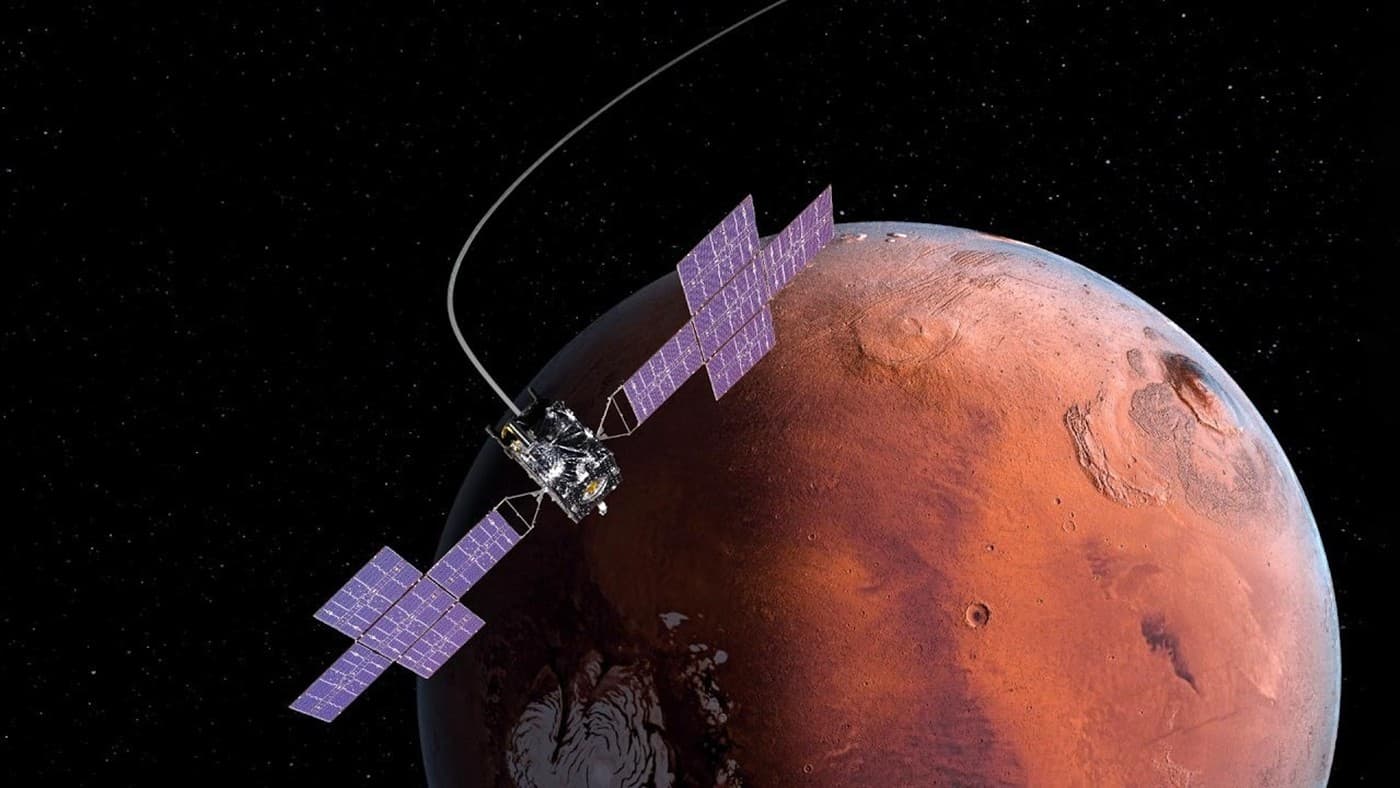
NASA has released new images captured by the Psyche spacecraft during its recent flyby of Mars. The probe, which is en route to the metal-rich asteroid 16 Psyche, used the flyby to gain momentum and test its scientific instruments. The images were taken on May 4, 2023, as the spacecraft passed within about 500 kilometers of the Martian surface.
The Psyche mission, launched in October 2022, aims to study the asteroid 16 Psyche, which is believed to be the exposed core of a protoplanet. The flyby of Mars was a planned gravity assist maneuver to help the spacecraft reach its target in 2029. During the flyby, the spacecraft's two cameras captured black-and-white images of Mars, revealing craters, plains, and other geological features.
The images were taken by the spacecraft's multispectral imager, which is designed to capture data in different wavelengths. The team also tested the spacecraft's gamma-ray and neutron spectrometer during the flyby, though those results are still being analyzed. The successful flyby confirms that the spacecraft's navigation and propulsion systems are functioning as expected.
Psyche's journey to the asteroid belt will take approximately six years, covering about 3.5 billion kilometers. The Mars flyby provided a crucial speed boost, saving propellant and reducing travel time. The spacecraft is now on track to arrive at 16 Psyche in August 2029, where it will spend 21 months orbiting and studying the asteroid.
The 16 Psyche asteroid is of particular interest to scientists because it may offer insights into the formation of planetary cores. Unlike most asteroids, which are composed of rock or ice, 16 Psyche appears to be largely metallic, possibly made of iron and nickel. Studying it could help researchers understand how Earth and other rocky planets formed.
NASA's Jet Propulsion Laboratory manages the Psyche mission. The spacecraft carries a suite of instruments, including a magnetometer, a gamma-ray spectrometer, and a multispectral imager. These tools will map the asteroid's surface, measure its composition, and study its magnetic field.
The new images from the Mars flyby are available on NASA's website. The mission team continues to monitor the spacecraft's health and trajectory. The next major milestone will be the first close-up observations of 16 Psyche, expected in 2029.

Global Sea Level Rise Doubles in Past Decade, New Study Finds
A new study analyzing global sea level rise from 1960 to 2023 reveals that the rate of increase has doubled in the last ten years compared to previous decades. Researchers detailed the contributing factors, including melting ice sheets and thermal expansion.

A comprehensive analysis of global sea level rise spanning from 1960 to 2023 has been published, offering a detailed breakdown of the sources driving the increase. The study, conducted by an international team of researchers, found that the rate of sea level rise has accelerated significantly in the past decade.
According to the research, the average annual rise in sea levels from 2014 to 2023 was twice that of the period from 1993 to 2003. The acceleration is attributed primarily to increased melting of ice sheets in Greenland and Antarctica, as well as the thermal expansion of ocean waters as they absorb heat.
The study utilized satellite altimetry data and in-situ measurements to track changes in ocean mass and volume. Scientists were able to isolate contributions from glaciers, ice sheets, and terrestrial water storage. The findings indicate that ice sheet loss has become the dominant driver of sea level rise in recent years.
Thermal expansion, which occurs as seawater warms and expands, accounted for about 40% of the observed sea level rise over the entire study period. However, its contribution has been outpaced by meltwater from ice sheets, which now contributes more than half of the annual increase.
The researchers emphasized that the acceleration in sea level rise poses significant risks to coastal communities worldwide. Even small increases can exacerbate storm surges, erosion, and flooding. The study projects that without substantial reductions in greenhouse gas emissions, the rate of rise will continue to accelerate.
Data from the study shows that global mean sea level rose by approximately 0.2 meters (7.9 inches) between 1960 and 2023. The rate of rise increased from about 1.4 millimeters per year in the 1960s to over 4.5 millimeters per year in the 2020s.
The findings were published in the journal Nature Climate Change. The authors call for improved monitoring and modeling to better predict future sea level changes and inform adaptation strategies.