South Korea’s LetinAR builds thumbnail-sized optics for AI glasses
South Korean startup LetinAR has developed miniature optics the size of a thumbnail for AI-powered smart glasses. The company aims to become the key optical supplier for the emerging AI glasses market.

LetinAR, a South Korean startup, has developed optical components small enough to fit inside AI-powered smart glasses. The company’s lens technology measures roughly the size of a thumbnail, a form factor designed to enable sleeker wearable devices. LetinAR positions itself as a potential backbone supplier for the growing AI glasses industry.
The company’s optics rely on a proprietary technology called “pin mirror” that reflects images from a microdisplay into the user’s eye. This approach allows for a compact design without sacrificing image quality, according to LetinAR. The lenses are intended to support augmented reality overlays and AI assistant interactions.
LetinAR’s technology targets manufacturers building AI glasses for consumer and enterprise use. The startup claims its optics can be integrated into frames that resemble ordinary eyewear. This design philosophy aims to address the aesthetic and comfort barriers that have hindered earlier smart glasses.
The company has raised funding from investors including Samsung Ventures and KIP. LetinAR plans to begin mass production of its optics in 2024, with initial shipments expected to reach device makers later this year. The startup is currently in talks with several global electronics firms.
LetinAR’s lenses are designed to work with various microdisplay technologies, including OLED and LCoS. The company says its pin mirror architecture achieves high brightness and contrast while maintaining a wide field of view. These specifications are critical for AI glasses that need to display information clearly in different lighting conditions.
The startup faces competition from established optics makers like Lumus and WaveOptics, but LetinAR believes its manufacturing process offers cost advantages. The company’s lenses are produced using a wafer-level process that can scale to high volumes, potentially lowering the bill of materials for smart glasses.
LetinAR expects its optics to appear in consumer products by late 2024 or early 2025. The company is also developing a reference design for AI glasses to help manufacturers accelerate their product development. LetinAR’s CEO stated that the company aims to be the leading optical solution provider for the next generation of wearable AI devices.
Jon Favreau Expresses 'Healthy Concern' Over AI in Hollywood
Jon Favreau, director of 'The Mandalorian and Grogu,' stated he has a 'healthy concern' about artificial intelligence's growing role in the entertainment industry. He discussed the potential impact of AI on creative jobs and filmmaking.
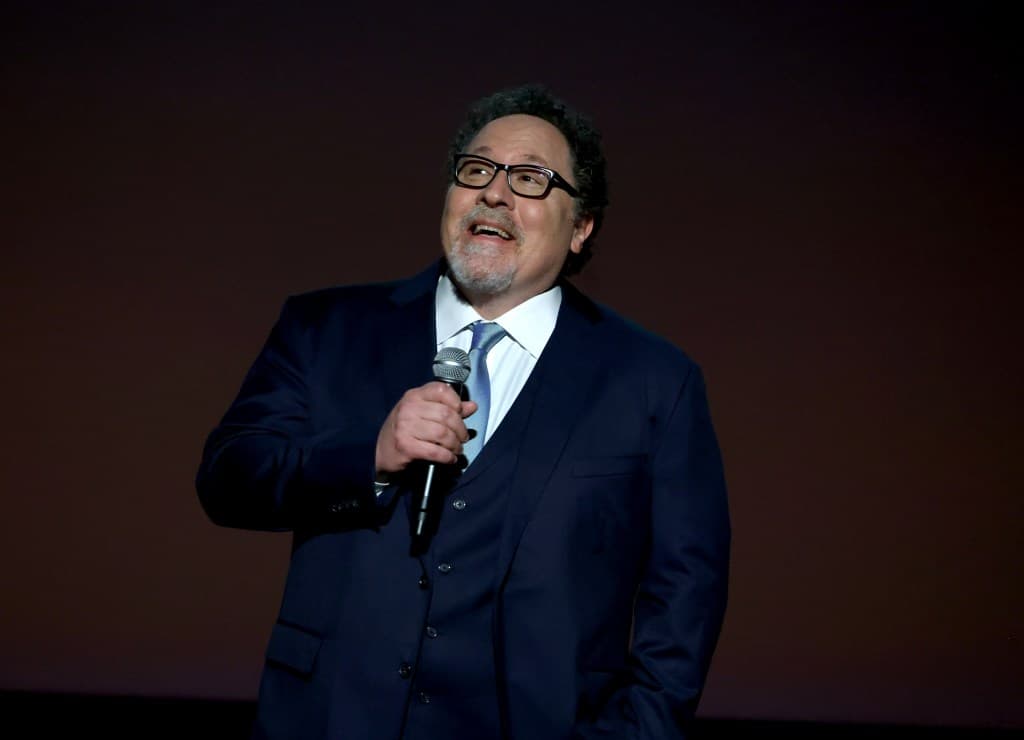
Jon Favreau, the director behind 'The Mandalorian and Grogu,' acknowledged he holds a 'healthy concern' regarding the encroachment of artificial intelligence into Hollywood. The filmmaker shared his thoughts during a recent interview, addressing the rapid advancements in AI technology and their implications for the entertainment sector.
Favreau, known for integrating cutting-edge visual effects in his projects, did not dismiss AI outright but emphasized the need for caution. He pointed out that while AI can streamline certain production processes, it also raises questions about the role of human creativity. The director stressed that the industry must navigate these changes thoughtfully.
The conversation around AI in Hollywood has intensified as tools like generative AI become more sophisticated. Studios and unions have been grappling with how to regulate AI use, particularly in writing, animation, and visual effects. Favreau's remarks align with broader concerns among creatives about job displacement and the devaluation of artistic work.
Favreau's own work on 'The Mandalorian' utilized innovative technologies like StageCraft, a virtual production system that blends real-time rendering with physical sets. He noted that such tools enhance storytelling but require human oversight. AI, he suggested, should serve as an assistant rather than a replacement for artists.
The director also touched on the ethical dimensions of AI, including issues of copyright and authenticity. He called for transparent practices and collaboration between technologists and filmmakers to ensure AI benefits the industry without undermining its human core.
Favreau's comments come as Hollywood unions, including the Writers Guild of America and SAG-AFTRA, have pushed for AI protections in recent contract negotiations. The topic remains a flashpoint, with some embracing AI's efficiency and others warning of existential threats to creative professions.
Despite his concerns, Favreau expressed optimism about the future if AI is handled responsibly. He urged the industry to engage in open dialogue and establish guidelines that prioritize artistic integrity. 'The Mandalorian and Grogu' is set for release in 2026, with Favreau continuing to explore new technologies under his Lucasfilm banner.
Favreau concluded by reiterating that his concern is not fear but a call for mindfulness. He believes that with careful stewardship, AI can coexist with traditional filmmaking, but only if the human element remains central. The director's stance reflects a growing sentiment among Hollywood veterans who seek balance in an era of rapid technological change.

Eric Schmidt Booed During University of Arizona Commencement Speech on AI
Former Google CEO Eric Schmidt was met with boos from the audience during his commencement speech at the University of Arizona on Sunday. The interruptions occurred while he discussed artificial intelligence.
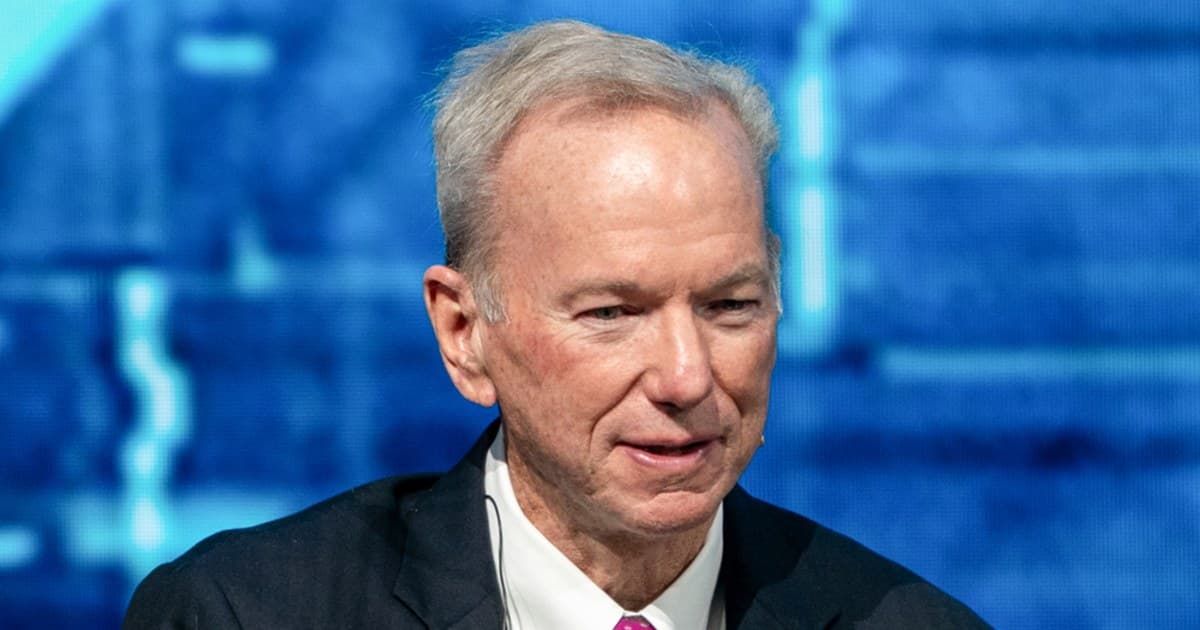
Former Google CEO Eric Schmidt faced repeated booing from the audience during a commencement speech at the University of Arizona on Sunday. The interruptions occurred as Schmidt discussed artificial intelligence, a topic he has frequently addressed in public appearances. The incident took place during the university's graduation ceremony, where Schmidt was invited as a speaker.
Schmidt, who served as Google's CEO from 2001 to 2011 and later as executive chairman, has been a prominent voice in AI discourse. His remarks at the Arizona event touched on the potential and challenges of AI technology. However, portions of the crowd expressed disapproval, with booing audible during his address.
The university did not immediately comment on the disruption. Schmidt continued his speech despite the interruptions, though the exact content that triggered the reaction remains unclear. The former executive has faced criticism in the past over Google's business practices and privacy issues.
Schmidt's appearance at the University of Arizona was part of a broader speaking schedule. The school had announced him as a keynote speaker for the ceremony, highlighting his leadership in technology. The booing marks a rare public backlash against Schmidt, who typically receives a warmer reception at tech-focused events.
AI has become a contentious topic in recent years, with debates over its ethical implications, job displacement, and regulatory needs. Schmidt has advocated for responsible AI development, but his stance has drawn scrutiny from activists and academics. The Arizona incident underscores the polarized views surrounding the technology.
The University of Arizona's commencement took place at Arizona Stadium, with thousands of graduates and families in attendance. Schmidt's speech was one of several addresses during the ceremony. The university has not announced any changes to future speaker selections in response to the incident.
Schmidt's representatives did not respond to requests for comment. The former Google CEO continues to engage in public speaking and advisory roles, including his work with the Schmidt Futures philanthropic initiative. The booing incident adds a notable chapter to his post-Google public engagements.

As electric bills rise in the AI boom, states take aim at utilities' profits
The artificial intelligence boom is driving up electricity demand, leading to higher utility bills and increased profits for power companies. Several states are now taking regulatory action to limit utility profits and protect consumers.
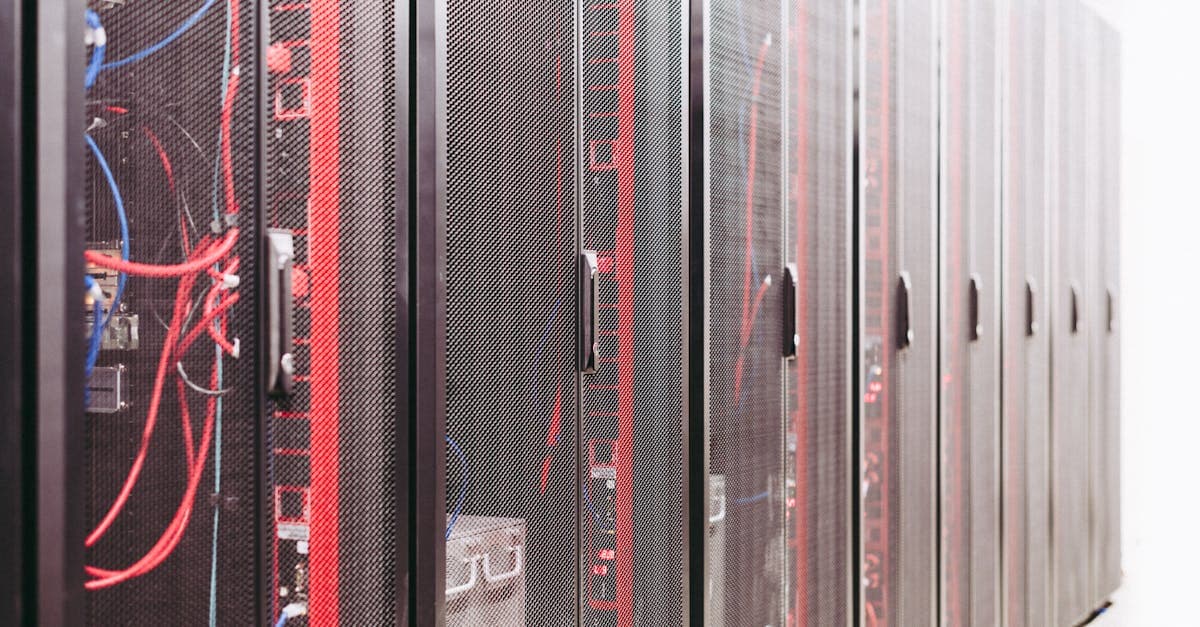
The rapid expansion of artificial intelligence data centers is causing a surge in electricity consumption, which in turn is pushing up household utility bills. Power companies are reporting record profits as demand from AI facilities grows. This trend has prompted state regulators to scrutinize utility earnings and consider measures to cap returns.
In Virginia, home to the world's largest concentration of data centers, regulators are reviewing whether utilities are earning excessive profits. The State Corporation Commission recently ordered Dominion Energy to refund $130 million to customers, citing overearnings tied to data center demand. Similar reviews are underway in Georgia, North Carolina, and other states with significant data center growth.
Utilities argue that higher profits are necessary to fund grid upgrades and new power plants needed to serve AI and other large customers. They warn that profit caps could deter investment and slow the transition to cleaner energy sources. However, consumer advocates contend that shareholders are benefiting at the expense of ratepayers.
Arizona's utility regulator is considering a proposal to lower the allowed return on equity for Arizona Public Service, the state's largest utility. The move would reduce customer bills by an estimated $200 million annually. In Ohio, lawmakers have introduced legislation to tie utility profits more closely to performance metrics rather than capital spending.
The debate highlights a tension between supporting technological innovation and ensuring affordable energy for households. AI data centers can consume as much electricity as hundreds of thousands of homes, and their numbers are expected to grow. The International Energy Agency projects that data center energy use could double by 2026.
Some states are exploring alternative approaches, such as requiring data centers to pay higher rates or invest in renewable energy. In California, regulators are examining whether to impose a surcharge on large electricity users to offset costs for residential customers. Meanwhile, the Federal Energy Regulatory Commission is monitoring the situation but has not yet taken action.
Consumer groups are pushing for more aggressive measures, including profit caps and mandatory rate reductions. They argue that utilities have a monopoly and should not be allowed to reap windfall gains from AI-driven demand. Industry representatives counter that stable regulatory frameworks are essential for long-term planning and grid reliability.
The outcome of these state-level actions could set precedents for how the costs of the AI boom are distributed. As more states consider profit limits, utilities are ramping up lobbying efforts to protect their earnings. The coming months will see key regulatory decisions in Virginia, Arizona, and Ohio that could shape the future of electricity pricing in the AI era.

US Navy Plans to Double Nuclear Submarine Production to Three Per Year
The US Navy aims to increase nuclear submarine production to at least three vessels annually, doubling the current rate. This plan is outlined in the service's annual shipbuilding document.

The US Navy has unveiled plans to significantly ramp up its nuclear submarine construction, targeting the procurement of at least three vessels each year. This marks a doubling of the current production pace, according to the service's recently released annual shipbuilding plan. The initiative underscores the Navy's commitment to modernizing its underwater fleet amid growing global threats and strategic competition.
Under the new plan, the Navy will focus on building both Virginia-class attack submarines and Columbia-class ballistic missile submarines. The Virginia-class boats are designed for deep-sea anti-submarine warfare and strike missions, while the Columbia-class will replace the aging Ohio-class nuclear deterrent fleet. The accelerated production schedule aims to address a projected shortfall in submarine numbers over the next decade.
The shipbuilding document outlines a multi-year procurement strategy that includes investments in shipyard infrastructure and workforce expansion. Key facilities like General Dynamics Electric Boat and Huntington Ingalls Industries' Newport News Shipbuilding are expected to receive funding for upgrades to support increased output. The Navy also plans to leverage advanced manufacturing techniques to streamline production.
This expansion comes as the US Navy faces increasing competition from China and Russia, both of which have been rapidly modernizing their submarine forces. The US currently operates about 50 attack submarines and 14 ballistic missile submarines, but many are nearing the end of their service lives. The new plan aims to maintain a fleet of at least 66 attack submarines by 2045.
The move has drawn praise from defense analysts who argue that undersea warfare capabilities are critical for maintaining naval superiority. However, some experts caution that the ambitious timeline may face challenges due to supply chain constraints and skilled labor shortages. The Navy has acknowledged these risks and is working with industry partners to mitigate them.
For the shipbuilding industry, the increased production represents a major economic opportunity, particularly for communities in Connecticut, Virginia, and Rhode Island where submarine construction is concentrated. The plan is expected to create thousands of new jobs over the next decade, though specific figures have not been released.
The timeline for implementing the accelerated production schedule remains uncertain, as the plan must be approved by Congress and funded through future defense budgets. The Navy is expected to provide more details in its upcoming budget request, which will outline specific procurement numbers and cost estimates.
While the plan sets an ambitious target, significant hurdles remain. Ensuring a reliable supply of nuclear reactor components and maintaining quality control at higher production rates will be critical. The Navy is also exploring options to extend the service life of existing submarines to bridge any potential gaps. Further updates on the program's progress are anticipated in the coming months as the Pentagon finalizes its budget priorities.