US Navy Plans to Double Nuclear Submarine Production to Three Per Year
The US Navy aims to increase nuclear submarine production to at least three vessels annually, doubling the current rate. This plan is outlined in the service's annual shipbuilding document.

The US Navy has unveiled plans to significantly ramp up its nuclear submarine construction, targeting the procurement of at least three vessels each year. This marks a doubling of the current production pace, according to the service's recently released annual shipbuilding plan. The initiative underscores the Navy's commitment to modernizing its underwater fleet amid growing global threats and strategic competition.
Under the new plan, the Navy will focus on building both Virginia-class attack submarines and Columbia-class ballistic missile submarines. The Virginia-class boats are designed for deep-sea anti-submarine warfare and strike missions, while the Columbia-class will replace the aging Ohio-class nuclear deterrent fleet. The accelerated production schedule aims to address a projected shortfall in submarine numbers over the next decade.
The shipbuilding document outlines a multi-year procurement strategy that includes investments in shipyard infrastructure and workforce expansion. Key facilities like General Dynamics Electric Boat and Huntington Ingalls Industries' Newport News Shipbuilding are expected to receive funding for upgrades to support increased output. The Navy also plans to leverage advanced manufacturing techniques to streamline production.
This expansion comes as the US Navy faces increasing competition from China and Russia, both of which have been rapidly modernizing their submarine forces. The US currently operates about 50 attack submarines and 14 ballistic missile submarines, but many are nearing the end of their service lives. The new plan aims to maintain a fleet of at least 66 attack submarines by 2045.
The move has drawn praise from defense analysts who argue that undersea warfare capabilities are critical for maintaining naval superiority. However, some experts caution that the ambitious timeline may face challenges due to supply chain constraints and skilled labor shortages. The Navy has acknowledged these risks and is working with industry partners to mitigate them.
For the shipbuilding industry, the increased production represents a major economic opportunity, particularly for communities in Connecticut, Virginia, and Rhode Island where submarine construction is concentrated. The plan is expected to create thousands of new jobs over the next decade, though specific figures have not been released.
The timeline for implementing the accelerated production schedule remains uncertain, as the plan must be approved by Congress and funded through future defense budgets. The Navy is expected to provide more details in its upcoming budget request, which will outline specific procurement numbers and cost estimates.
While the plan sets an ambitious target, significant hurdles remain. Ensuring a reliable supply of nuclear reactor components and maintaining quality control at higher production rates will be critical. The Navy is also exploring options to extend the service life of existing submarines to bridge any potential gaps. Further updates on the program's progress are anticipated in the coming months as the Pentagon finalizes its budget priorities.
South Korea’s LetinAR builds thumbnail-sized optics for AI glasses
South Korean startup LetinAR has developed miniature optics the size of a thumbnail for AI-powered smart glasses. The company aims to become the key optical supplier for the emerging AI glasses market.

LetinAR, a South Korean startup, has developed optical components small enough to fit inside AI-powered smart glasses. The company’s lens technology measures roughly the size of a thumbnail, a form factor designed to enable sleeker wearable devices. LetinAR positions itself as a potential backbone supplier for the growing AI glasses industry.
The company’s optics rely on a proprietary technology called “pin mirror” that reflects images from a microdisplay into the user’s eye. This approach allows for a compact design without sacrificing image quality, according to LetinAR. The lenses are intended to support augmented reality overlays and AI assistant interactions.
LetinAR’s technology targets manufacturers building AI glasses for consumer and enterprise use. The startup claims its optics can be integrated into frames that resemble ordinary eyewear. This design philosophy aims to address the aesthetic and comfort barriers that have hindered earlier smart glasses.
The company has raised funding from investors including Samsung Ventures and KIP. LetinAR plans to begin mass production of its optics in 2024, with initial shipments expected to reach device makers later this year. The startup is currently in talks with several global electronics firms.
LetinAR’s lenses are designed to work with various microdisplay technologies, including OLED and LCoS. The company says its pin mirror architecture achieves high brightness and contrast while maintaining a wide field of view. These specifications are critical for AI glasses that need to display information clearly in different lighting conditions.
The startup faces competition from established optics makers like Lumus and WaveOptics, but LetinAR believes its manufacturing process offers cost advantages. The company’s lenses are produced using a wafer-level process that can scale to high volumes, potentially lowering the bill of materials for smart glasses.
LetinAR expects its optics to appear in consumer products by late 2024 or early 2025. The company is also developing a reference design for AI glasses to help manufacturers accelerate their product development. LetinAR’s CEO stated that the company aims to be the leading optical solution provider for the next generation of wearable AI devices.

As electric bills rise in the AI boom, states take aim at utilities' profits
The artificial intelligence boom is driving up electricity demand, leading to higher utility bills and increased profits for power companies. Several states are now taking regulatory action to limit utility profits and protect consumers.
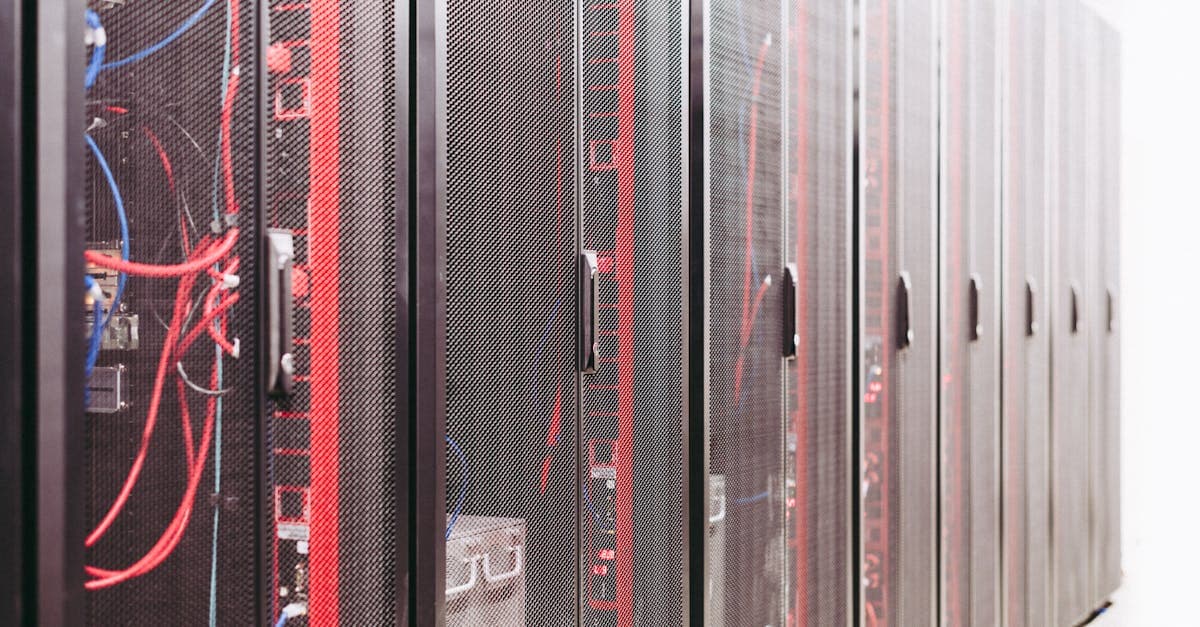
The rapid expansion of artificial intelligence data centers is causing a surge in electricity consumption, which in turn is pushing up household utility bills. Power companies are reporting record profits as demand from AI facilities grows. This trend has prompted state regulators to scrutinize utility earnings and consider measures to cap returns.
In Virginia, home to the world's largest concentration of data centers, regulators are reviewing whether utilities are earning excessive profits. The State Corporation Commission recently ordered Dominion Energy to refund $130 million to customers, citing overearnings tied to data center demand. Similar reviews are underway in Georgia, North Carolina, and other states with significant data center growth.
Utilities argue that higher profits are necessary to fund grid upgrades and new power plants needed to serve AI and other large customers. They warn that profit caps could deter investment and slow the transition to cleaner energy sources. However, consumer advocates contend that shareholders are benefiting at the expense of ratepayers.
Arizona's utility regulator is considering a proposal to lower the allowed return on equity for Arizona Public Service, the state's largest utility. The move would reduce customer bills by an estimated $200 million annually. In Ohio, lawmakers have introduced legislation to tie utility profits more closely to performance metrics rather than capital spending.
The debate highlights a tension between supporting technological innovation and ensuring affordable energy for households. AI data centers can consume as much electricity as hundreds of thousands of homes, and their numbers are expected to grow. The International Energy Agency projects that data center energy use could double by 2026.
Some states are exploring alternative approaches, such as requiring data centers to pay higher rates or invest in renewable energy. In California, regulators are examining whether to impose a surcharge on large electricity users to offset costs for residential customers. Meanwhile, the Federal Energy Regulatory Commission is monitoring the situation but has not yet taken action.
Consumer groups are pushing for more aggressive measures, including profit caps and mandatory rate reductions. They argue that utilities have a monopoly and should not be allowed to reap windfall gains from AI-driven demand. Industry representatives counter that stable regulatory frameworks are essential for long-term planning and grid reliability.
The outcome of these state-level actions could set precedents for how the costs of the AI boom are distributed. As more states consider profit limits, utilities are ramping up lobbying efforts to protect their earnings. The coming months will see key regulatory decisions in Virginia, Arizona, and Ohio that could shape the future of electricity pricing in the AI era.

Exploring AI's Potential for Humanity in 'AI for Good'
A new book 'AI for Good' examines how artificial intelligence can be harnessed to address global challenges. The author presents a travelogue-style narrative that is engaging but sometimes lacks depth in its analysis.

A new book titled 'AI for Good' has hit the shelves, offering a compelling look at how artificial intelligence can be leveraged as a force for positive change. The author takes readers on a journey across the globe, visiting projects where AI is being used to tackle issues like climate change, healthcare, and poverty. The narrative is structured like a travelogue, with breezy and concise prose that makes complex topics accessible to a general audience.
The book delves into specific case studies, such as AI systems that predict natural disasters, diagnose diseases in remote areas, and optimize energy grids. Each chapter introduces a different application, explaining the technology behind it and the people driving these initiatives. The author's observations are well-researched, drawing on interviews with scientists, engineers, and policymakers.
However, while the book excels in storytelling, it sometimes falls short on nuance. Critics note that the author's enthusiasm for AI's potential can overshadow the ethical dilemmas and risks associated with the technology. Issues like algorithmic bias, job displacement, and privacy concerns are mentioned but not deeply explored. This leaves the reader with an optimistic but incomplete picture.
The travelogue format, while engaging, can also lead to a superficial treatment of complex subjects. The author moves quickly from one project to the next, offering snapshots rather than in-depth analysis. This may leave readers wanting more context about the societal implications of these AI applications.
Despite these shortcomings, 'AI for Good' serves as an accessible introduction to the field. It highlights inspiring examples of how AI is being used for humanitarian purposes, from tracking deforestation to improving crop yields. The book is particularly effective at showcasing the human stories behind the technology, making it relatable to non-experts.
For readers looking to understand the potential of AI beyond the hype, this book offers a balanced starting point. It does not shy away from acknowledging the challenges, but its overall tone is hopeful. The author argues that with careful stewardship, AI can be a tool for global betterment.
What remains unclear is how these isolated projects can scale to have a broader impact. The book does not fully address the systemic changes needed to integrate AI into existing infrastructures. Additionally, the lack of critical examination of power dynamics and corporate interests leaves gaps in the analysis.
Looking ahead, 'AI for Good' may spark important conversations about the direction of AI development. It encourages readers to think about how technology can serve humanity, rather than the other way around. While not a definitive guide, it is a valuable contribution to the growing literature on AI ethics and social good.

ICEYE to Establish First Satellite Production Facility in India Amid Growing Demand
Finnish space-based intelligence company ICEYE plans to set up its first satellite production facility in India, capitalizing on surging demand driven by global geopolitical tensions like the Russia-Ukraine conflict. The move marks a significant expansion into the Indian market for the synthetic aperture radar satellite operator.

ICEYE, the Finnish leader in space-based intelligence, has announced plans to establish its first satellite production facility in India. The move comes as demand for the company's synthetic aperture radar (SAR) satellite technology skyrockets amid rising global geopolitical tensions, including the ongoing Russia-Ukraine conflict. This facility will mark ICEYE's first manufacturing presence outside of Finland, signaling a strategic expansion into one of the world's fastest-growing space markets.
The new facility will focus on assembling and testing SAR satellites, which are capable of capturing high-resolution images of Earth's surface through clouds and darkness. ICEYE's SAR technology is critical for defense, disaster response, and environmental monitoring, providing near-real-time intelligence to government and commercial clients. The company's satellites are relatively small and cost-effective compared to traditional SAR systems, enabling rapid deployment and frequent revisits over areas of interest.
ICEYE's decision to set up a production hub in India aligns with the country's growing emphasis on space technology and self-reliance in defense. India has been actively promoting private sector participation in space activities, and ICEYE's facility could benefit from local supply chains and talent. The company has not disclosed the exact location or investment size for the facility, but it is expected to create hundreds of jobs and support India's Space Promotion and Authorization Centre (IN-SPACe) initiatives.
The surge in demand for ICEYE's services is largely attributed to the Russia-Ukraine war, where satellite imagery has become a crucial tool for battlefield intelligence and monitoring. Governments and military organizations worldwide are increasingly investing in SAR capabilities to gain persistent surveillance advantages. ICEYE has already provided imagery to Ukraine under a contract with the European Union, highlighting the strategic importance of its technology in modern conflicts.
Beyond defense, ICEYE's satellites are used for insurance risk assessment, maritime monitoring, and natural disaster management. For instance, the company's rapid imaging capabilities have been deployed to assess flood damage and oil spills. The Indian facility will likely cater to both domestic and regional demand, including clients in Southeast Asia and the Middle East, where climate-related risks and security concerns are high.
For Indian users, the facility could accelerate access to ICEYE's data for applications like agricultural monitoring, urban planning, and border surveillance. The company has not announced specific pricing for its services in India, but its satellite-based intelligence is typically sold on a subscription or tasking basis. The production facility is expected to be operational within two to three years, pending regulatory approvals.
While ICEYE has not detailed the timeline for the facility's completion, the announcement underscores the growing commercialization of space-based intelligence. The company continues to expand its satellite constellation, which currently numbers over 30 SAR satellites. As geopolitical tensions persist, the demand for such technology is likely to remain high, positioning ICEYE's Indian facility as a key asset in the global space economy.