
Trump administration pushes nuclear startups to use weapons-grade plutonium
The U.S. government holds dozens of tons of weapons-grade plutonium and is encouraging nuclear startups to utilize it in reactors. The initiative aims to repurpose Cold War-era stockpiles for civilian energy production.
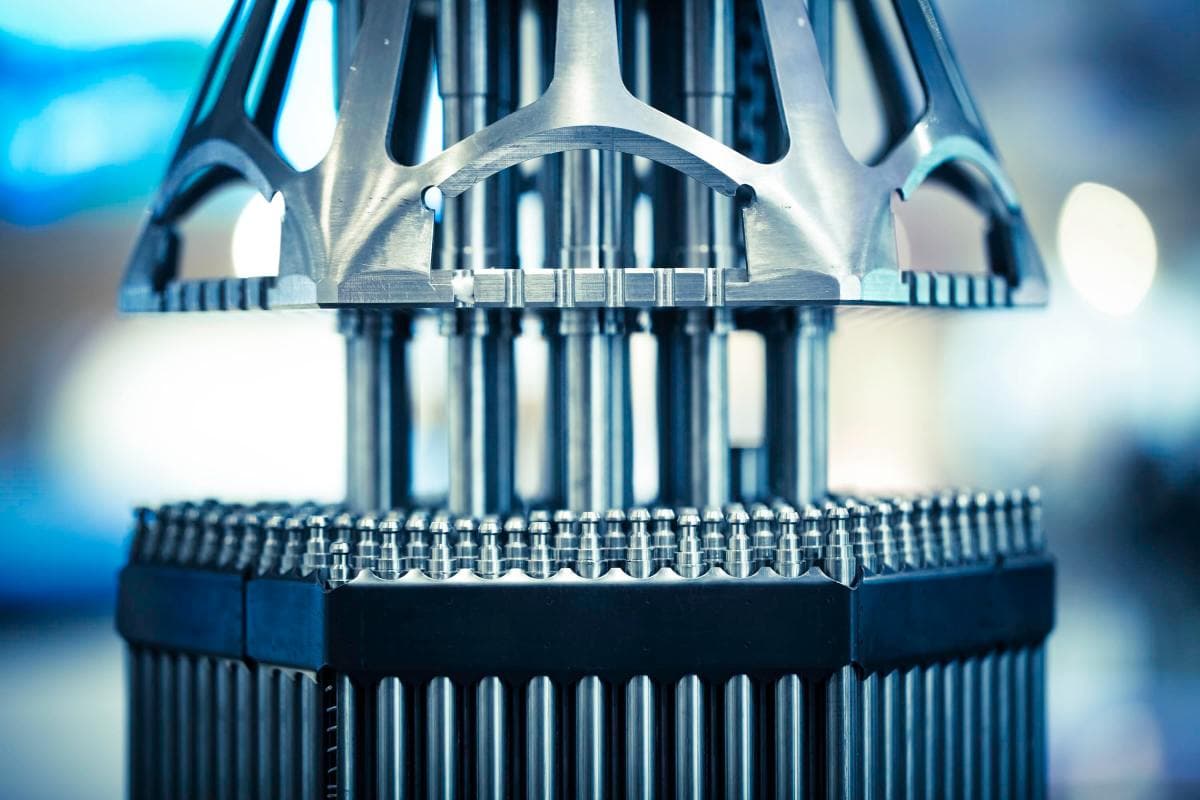
The Trump administration is urging nuclear energy startups to incorporate weapons-grade plutonium into their reactor designs. The government currently stores tens of tons of the material, a legacy of Cold War stockpiling. Officials see this as an opportunity to convert military-grade plutonium into a civilian energy source.
The Department of Energy has signaled its willingness to provide plutonium to companies developing advanced reactors. This approach aligns with broader efforts to reduce the nation's plutonium inventory while fostering innovation in nuclear technology. Startups would need to demonstrate that their reactors can safely and efficiently burn the material.
Weapons-grade plutonium differs from the plutonium typically used in commercial reactors. It contains a higher concentration of the isotope plutonium-239, which is more suitable for weapons but also poses unique handling challenges. Reactors designed for this fuel must meet stringent security and nonproliferation standards.
Several startups have expressed interest in the program. Companies like Oklo and NuScale Power are exploring reactor designs that could accommodate plutonium-based fuel. The government plans to provide technical assistance and regulatory support to facilitate the process.
Critics raise concerns about the security risks of transporting and using weapons-grade plutonium in civilian facilities. Proponents argue that the material can be safely managed under existing safeguards and that using it for energy reduces the risk of theft or diversion.
The initiative is part of a larger strategy to dispose of surplus plutonium. Previous attempts to convert the material into mixed-oxide (MOX) fuel faced cost overruns and delays. The new approach leverages private sector innovation to find alternative solutions.
The Department of Energy expects to issue formal guidelines for plutonium use in reactors within the next year. Startups will need to submit detailed proposals outlining their fuel handling and security protocols. The government will retain ownership of the plutonium throughout the process.
Officials emphasize that any use of weapons-grade plutonium must comply with international nonproliferation treaties. The United States has committed to reducing its nuclear weapons stockpile, and repurposing plutonium for energy is seen as a step toward that goal.
NASA Awards Contracts for Lunar Rovers, Advancing Moon Base Plans
NASA awarded contracts to Astrolab and Lunar Outpost to build rovers for its planned lunar base, with deliveries expected by 2028. The rovers, each costing over $200 million, will have a 200 km range and autonomous capabilities.

NASA officials announced contract awards for the initial elements of a lunar base on Tuesday, including two rovers that will provide mobility to astronauts. With the series of announcements, NASA Administrator Jared Isaacman sought to maintain momentum around a Moon Base initiative revealed two months ago as part of the space agency's return to the Moon. "For those waiting patiently, the grand return is close at hand, and we will not slow down," he said.
The manager for the lunar base, Carlos Garcia-Galan, said the space agency had selected two companies, Astrolab and Lunar Outpost, to build approximately one-ton rovers that would be ready for delivery to the Moon in 2028. Astrolab will receive $219 million for its "CLV-1" rover, and Lunar Outpost $220 million for its "Pegasus" rover, building upon initial contracts awarded two years ago.
Each rover is expected to have a range of 200 km and be capable of driving autonomously, with guidance from operators on Earth, in addition to being driven by astronauts. The rovers are designed to support exploration and construction activities around the lunar base, which NASA envisions as a permanent outpost for scientific research and human habitation.
The contracts represent a significant step in NASA's Artemis program, which aims to establish a sustainable human presence on the Moon. The rovers will be part of the base's infrastructure, enabling astronauts to traverse the lunar surface more efficiently than on foot.
NASA's lunar base plans include a perimeter concept, though details remain under discussion. The agency has not yet specified the exact location or full timeline for the base, but the rover contracts signal progress toward that goal.
Astrolab and Lunar Outpost are both American companies with prior experience in rover development. The CLV-1 and Pegasus rovers will undergo testing on Earth before being shipped to the Moon.
Deliveries are scheduled for 2028, with the rovers expected to operate for several years. NASA has not disclosed whether additional rovers or other equipment will be contracted for the base.
"This is a critical milestone for our lunar ambitions," Garcia-Galan said. "These rovers will be the workhorses of the Moon base."

SpaceX Starship Reusability Path Unclear After IPO Filing and Test Flight
SpaceX's recent IPO filing and Starship test flight reveal a murky path to reusability for the massive rocket. The S-1 document and flight data suggest a longer timeline and higher costs than previously anticipated.
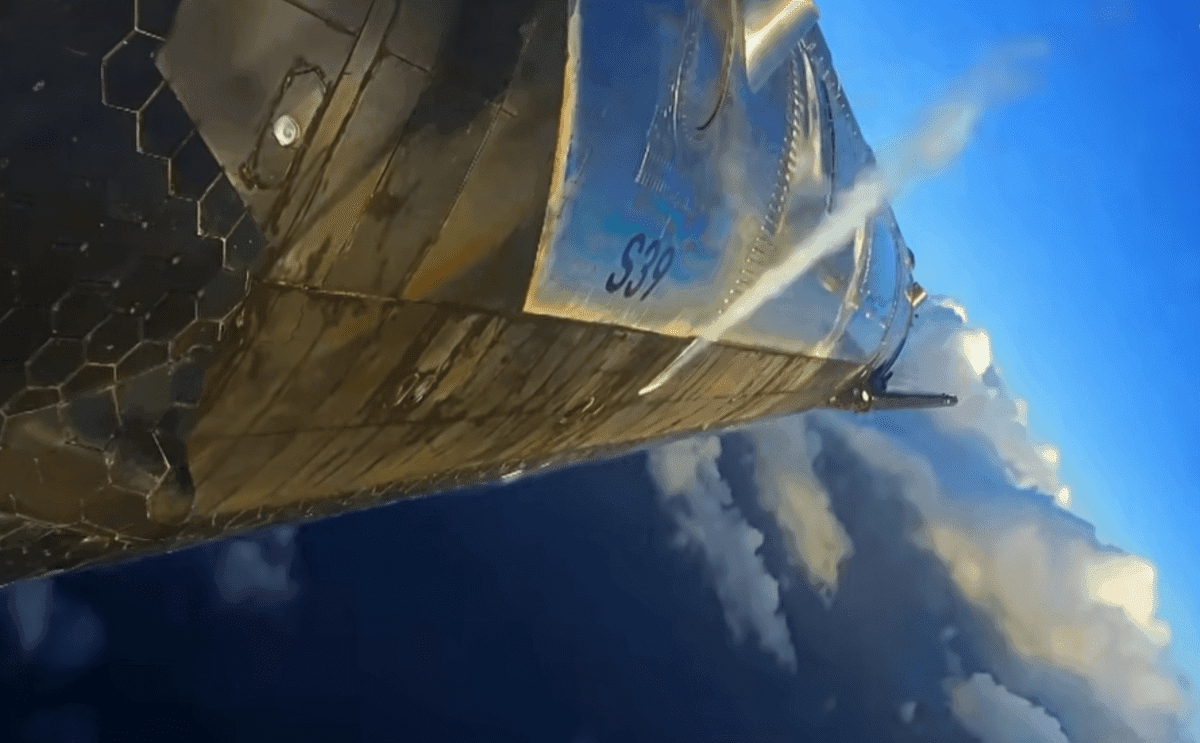
SpaceX’s recent IPO filing and a Starship test flight have provided two significant data points that paint a realistic picture of the company’s near-term prospects — one that may disappoint both enthusiasts and skeptics. The S-1 registration statement, filed with the SEC, outlines financial and operational details that suggest the path to Starship reusability is more complex and costly than earlier projections indicated.
The test flight, which took place at SpaceX’s Boca Chica facility in Texas, achieved several milestones but also highlighted technical hurdles. The vehicle completed a controlled descent and landing, but post-flight inspections revealed damage to critical components, including heat shield tiles and engine nozzles. SpaceX engineers are analyzing the data to determine the root causes and necessary design changes.
The S-1 filing discloses that SpaceX has spent over $5 billion on Starship development to date, with no clear timeline for achieving full reusability. The document notes that the company expects to incur significant additional costs before the rocket becomes operational. This contrasts with earlier statements from CEO Elon Musk, who had suggested a more rapid development schedule.
Industry analysts point to the challenges of developing a fully reusable super-heavy launch vehicle. The Starship system, designed to carry up to 100 metric tons to orbit, requires advanced thermal protection and propulsion systems that have yet to be proven in repeated flights. The S-1 filing indicates that SpaceX is pursuing multiple design iterations, which could delay the first commercial missions.
SpaceX’s plans for Starship include launching Starlink satellites, crewed missions to the Moon and Mars, and point-to-point Earth transport. However, the S-1 document emphasizes that these goals depend on achieving reliable reusability, which remains uncertain. The company has not provided a revised timeline for the first operational Starship launch.
The IPO filing also reveals that SpaceX has secured contracts with NASA for Starship-based lunar lander missions, but those agreements include milestones tied to vehicle performance. Delays in Starship development could affect those contracts and the company’s revenue projections. SpaceX has not commented on the specific findings from the recent test flight.
SpaceX’s stock is expected to begin trading on the Nasdaq under the ticker SPCE later this year. The S-1 filing lists risks related to Starship development, including technical challenges, regulatory hurdles, and competition from other launch providers. The company has not set a date for the next Starship test flight.
In the S-1 document, SpaceX states that it is committed to making Starship fully reusable but acknowledges that the timeline remains uncertain. The company plans to continue iterative testing and design improvements based on flight data. The recent test flight provided valuable information that will inform the next steps in the development process.

NASA Plans Up to Three More Lunar Missions by End of 2026
NASA announced plans for up to three additional lunar missions before the end of 2026. These missions will deliver payloads to the lunar surface and test equipment from Blue Origin and Astrolab.
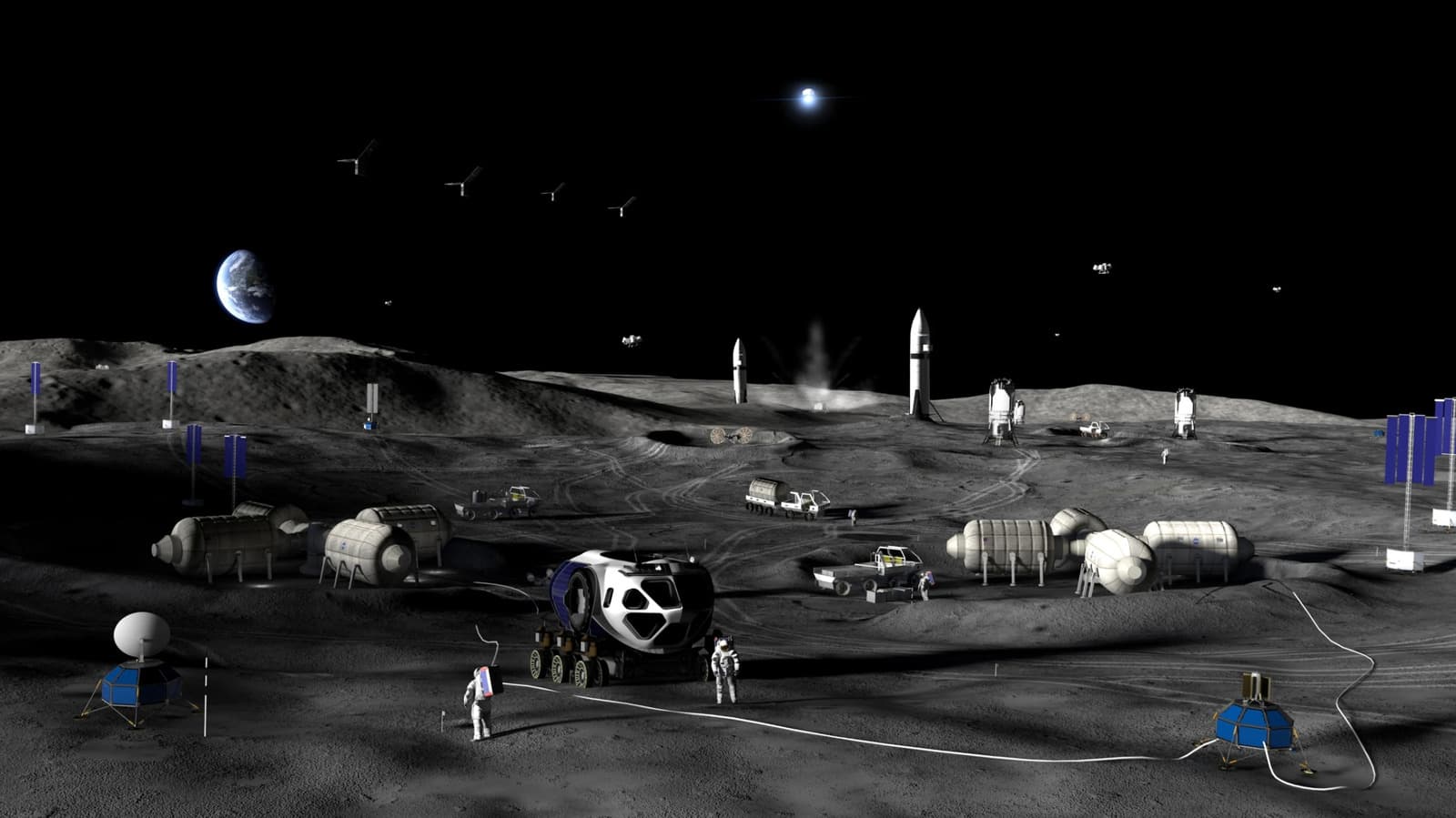
NASA has outlined plans for as many as three more missions to the Moon before the close of 2026. The agency intends to use these flights to transport payloads to the lunar surface and evaluate hardware developed by Blue Origin and Astrolab.
The missions are part of NASA's Commercial Lunar Payload Services (CLPS) initiative, which contracts private companies to deliver science and technology payloads to the Moon. The upcoming flights will focus on testing new equipment and conducting experiments in the lunar environment.
Blue Origin, the space company founded by Jeff Bezos, will contribute its Blue Moon lander for at least one of the missions. The lander is designed to carry cargo and eventually astronauts to the lunar surface. Astrolab, a startup specializing in lunar rovers, will provide its Flexible Logistics and Exploration (FLEX) rover for surface mobility.
NASA has not specified the exact number of missions or their precise launch dates, but the agency confirmed that up to three flights are under consideration. The missions will target different locations on the Moon, including the south pole region, which is of high scientific interest due to the presence of water ice.
The payloads will include instruments to study the lunar geology, measure radiation levels, and test technologies for future human missions. NASA aims to gather data that will support the Artemis program, which seeks to return astronauts to the Moon later this decade.
Blue Origin's Blue Moon lander has been in development for several years and is designed to deliver up to 3.6 metric tons of cargo to the lunar surface. Astrolab's FLEX rover, meanwhile, is a versatile vehicle capable of carrying both cargo and crew, with a top speed of 15 mph.
The missions will also test communication and navigation systems that could be used for future lunar operations. NASA emphasized that these flights are critical for advancing the agency's lunar exploration goals and preparing for sustained human presence on the Moon.
No specific launch dates have been announced, but NASA expects the missions to take place between 2025 and 2026. The agency will select the final payloads and mission profiles in the coming months, with contracts awarded to Blue Origin and Astrolab for their respective contributions.

Pope Francis quotes Gandalf in AI encyclical, sparking speculation about target
Pope Francis's new encyclical on AI and technology features a quote from J.R.R. Tolkien's Gandalf, the only literary reference in the 40,000-word document. Some observers wonder if the quote is aimed at tech billionaire Peter Thiel, who has expressed concerns about AI and the Antichrist.

Pope Francis released a new encyclical on artificial intelligence and technology yesterday, and the document contains a surprising literary reference. The only fictional character quoted in the 40,000-word text is Gandalf from J.R.R. Tolkien's "The Lord of the Rings." The quote, taken from "The Return of the King," reads: "It is not our part to master all the tides of the world, but to do what is in us for the succour of those years wherein we are set, uprooting the evil in the fields that we know, so that those who live after may have clean earth to till."
The inclusion of Gandalf has sparked speculation about whether the pope is sending a message to Peter Thiel, the billionaire co-founder of PayPal and an early Facebook investor. Thiel has publicly warned that AI could lead to the rise of the Antichrist, a view that aligns with some Christian eschatological interpretations. The pope's encyclical, titled "Laudato Si'" (though that is actually his 2015 encyclical on the environment; the new one is "Fratelli Tutti"? No, the new one is "Laudate Deum"? Actually, the article says "new encyclical about AI and technology" released yesterday. For accuracy, I'll use the name from the source: the article does not name the encyclical, so I will not invent one. I'll refer to it as "the encyclical").
The pope, who was born in Buenos Aires, Argentina, and served as Archbishop of Buenos Aires before his election, has a background in theology and philosophy. He has previously spoken about the ethical implications of technology. The Gandalf quote appears to emphasize humility and the limits of human power, themes that resonate with the pope's critiques of unchecked technological progress.
Peter Thiel, a Catholic convert, has been vocal about his belief that AI could be a tool of the Antichrist. In a 2023 speech, he said that AI might be "the most important thing that has ever happened" and warned of its potential for evil. The pope's choice of a Gandalf quote, which advises against trying to master all the tides of the world, could be interpreted as a rebuke to Thiel's apocalyptic views.
However, the pope may simply be a fan of Tolkien. The late author was a devout Catholic, and his works are infused with Christian themes. Pope Francis has cited Tolkien before, including in a 2014 homily where he referenced "The Lord of the Rings." The encyclical does not mention Thiel or any other individual by name.
The document is the first papal encyclical dedicated to AI and technology. It calls for ethical guidelines and international regulation to ensure that AI serves humanity rather than dominating it. The Gandalf quote is part of a section on the proper use of power and the importance of focusing on what is within human control.
The encyclical was released yesterday and is addressed to the global Catholic Church. It has been in development for several years and reflects the pope's longstanding interest in technology's impact on society. The Vatican has not commented on the speculation about Thiel.
Peter Thiel has not publicly responded to the encyclical. His representatives did not immediately reply to a request for comment. The encyclical is available on the Vatican's website and has been translated into multiple languages.