xAI Adds 19 Unpermitted Methane Turbines to Data Center, Report Says
Elon Musk's xAI has reportedly installed 19 additional methane gas turbines without permits at its newest data center site. The move potentially violates the Clean Air Act, according to environmental regulators.
Elon Musk's artificial intelligence company xAI has added 19 more methane gas turbines to its latest data center without obtaining the required permits, according to a report published Tuesday. The turbines, which burn natural gas, were installed at a facility in Memphis, Tennessee, and are not covered by existing air quality permits, the report said. Environmental regulators have flagged the installations as a potential violation of the Clean Air Act.
The Memphis-Shelby County Health Department confirmed that it had not issued permits for the turbines. The department said it is investigating whether xAI violated local air quality regulations. The turbines are used to generate electricity for the data center, which powers xAI's Grok chatbot and other AI models.
This is not the first time xAI has faced scrutiny over its energy infrastructure. In July, the company was criticized for using gas turbines at another data center site without proper permits. At that time, xAI said it was working with regulators to address the issue. The new turbines appear to be part of an expansion of xAI's computing capacity, which Musk has said is critical for training advanced AI systems.
The Clean Air Act requires facilities that emit certain pollutants to obtain permits and install pollution control equipment. Methane, the primary component of natural gas, is a potent greenhouse gas. Environmental groups have raised concerns about the climate impact of data centers, which consume vast amounts of electricity.
xAI did not immediately respond to a request for comment. The company has previously defended its use of natural gas as a necessary step to meet the energy demands of AI training. Musk has argued that renewable energy sources are not yet sufficient to power large-scale AI operations.
The health department said it will conduct an inspection of the site and could issue fines or require xAI to apply for retroactive permits. The agency has the authority to order the removal of the turbines if they are found to be in violation of local laws.
The expansion comes as xAI races to compete with other AI companies like OpenAI and Google. Musk has said that xAI's data center capacity is essential for developing AI that can outperform existing models. The company recently raised $6 billion in funding to support its growth.
Regulators are expected to release a preliminary report on the turbine installations within the next two weeks. The outcome could set a precedent for how data center operators are held accountable for emissions in the region.
WhatsApp to Launch Incognito Chat for Private Meta AI Conversations
WhatsApp is introducing an Incognito Chat feature that ensures only the user can read messages exchanged with Meta AI. The feature aims to enhance privacy for AI interactions within the app.
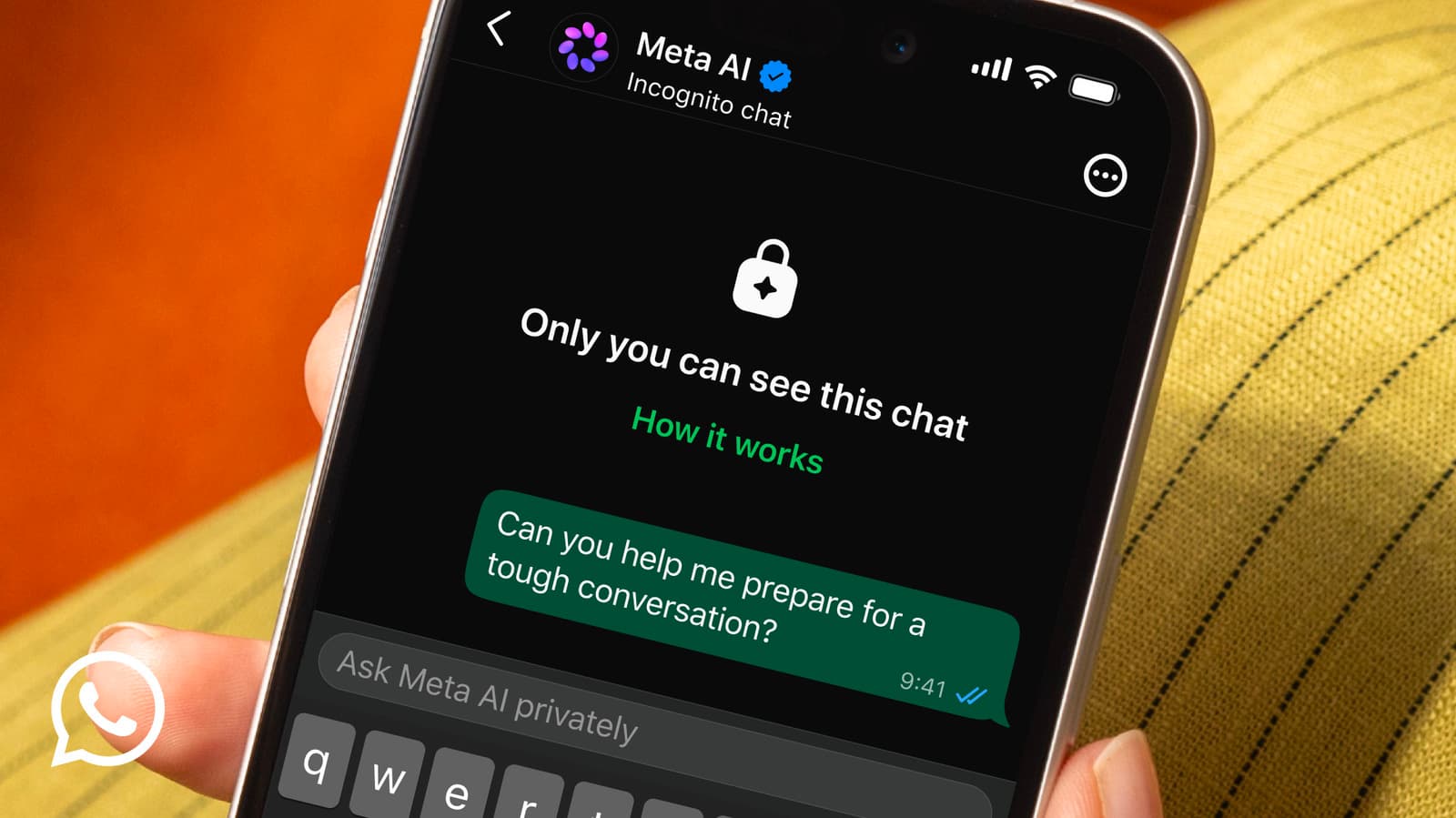
WhatsApp announced a new privacy feature called Incognito Chat for conversations with Meta AI. The feature ensures that messages exchanged between users and the AI assistant remain private and inaccessible to others. This move comes as part of WhatsApp's broader effort to integrate AI while addressing user concerns about data security.
Incognito Chat will apply end-to-end encryption to all interactions with Meta AI, meaning no third party, including WhatsApp itself, can read the messages. The feature is designed to give users confidence that their private queries and conversations with the AI are protected. WhatsApp emphasized that this encryption is separate from standard chat encryption and is specifically tailored for AI interactions.
The feature will be optional, allowing users to choose between standard and incognito modes when chatting with Meta AI. In incognito mode, WhatsApp will not use the conversation data to improve Meta AI's models. This addresses privacy concerns about AI training on user data, a topic that has drawn scrutiny from regulators and privacy advocates.
WhatsApp has been gradually integrating Meta AI into its platform, offering features like smart replies and image generation. The incognito mode is expected to roll out in the coming weeks, starting with beta testers on Android and iOS. The company has not yet specified a global release date but confirmed that the feature will be available to all users eventually.
Meta AI, powered by Meta's large language model, can assist with tasks such as drafting messages, answering questions, and generating images. The incognito mode aims to encourage more users to try these features without worrying about their data being stored or analyzed. WhatsApp has faced criticism in the past over its privacy policies, particularly regarding data sharing with Facebook.
Industry analysts view this move as a strategic response to growing demand for private AI interactions. Competitors like Apple and Google have also introduced on-device AI processing to minimize data exposure. WhatsApp's approach combines cloud-based AI with strong encryption, a balance that may appeal to privacy-conscious users.
The feature will be accessible through the Meta AI chat interface, where users can toggle incognito mode on or off. When active, a visual indicator will appear to confirm the private status of the conversation. WhatsApp plans to expand incognito mode to other AI features in the future, though no timeline has been provided.
WhatsApp confirmed that the incognito chat feature will be available for free to all users. The company stated, "We believe everyone deserves private conversations, even with AI. Incognito Chat ensures your interactions with Meta AI are just between you and the assistant." The feature is expected to launch in the coming months.
Logitech Introduces Signature Comfort Plus Series with Palm Support Mouse
Logitech has unveiled the Signature Comfort Plus series, including the M850 L mouse with palm support. The new lineup focuses on ergonomic design and user comfort.
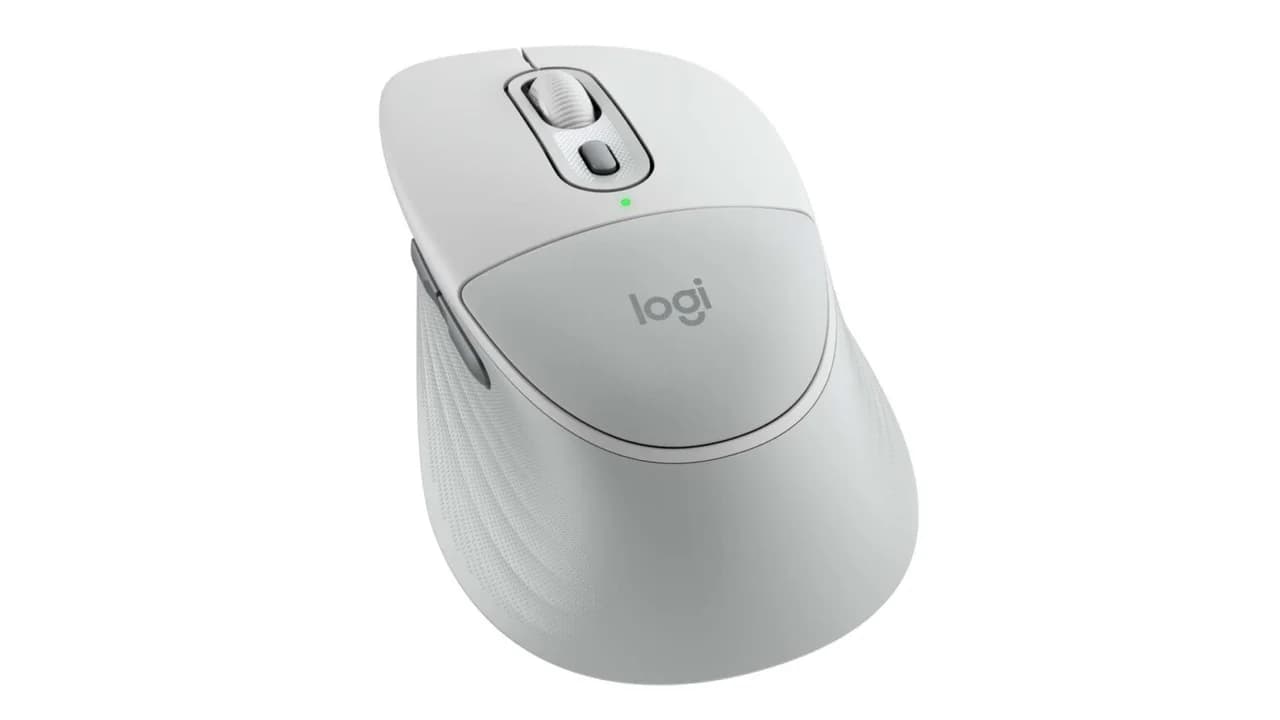
Logitech announced the Signature Comfort Plus series, a new lineup of peripherals designed with enhanced ergonomic features. The series includes the M850 L mouse, which incorporates a palm support cushion to reduce strain during extended use. The company highlighted the product's focus on comfort for office workers and frequent computer users.
The M850 L mouse features a contoured shape that fits the natural curve of the hand. Its palm support is made from a soft, breathable material intended to minimize pressure points. Logitech stated that the design underwent testing with various hand sizes to ensure broad compatibility.
In addition to ergonomics, the M850 L offers customizable buttons via Logitech's Options+ software. Users can assign shortcuts for productivity tasks such as copy-paste or application switching. The mouse supports Bluetooth and Logi Bolt wireless connectivity, with a battery life rated at up to 24 months.
The Signature Comfort Plus series also includes a keyboard model, though details were not disclosed in the announcement. Logitech emphasized that the entire series targets users seeking affordable ergonomic solutions without compromising on performance.
Pricing for the M850 L mouse is set at $49.99. The product will be available in black and off-white color options. Logitech plans to begin shipping the mouse in select markets starting next month.
The company noted that the Signature Comfort Plus series aligns with its broader commitment to sustainable design. The M850 L uses recycled plastic in its construction, and packaging is made from FSC-certified paper.
Logitech's announcement comes as demand for ergonomic peripherals continues to grow, driven by hybrid work trends. The M850 L mouse will compete with offerings from brands like Microsoft and Kensington in the sub-$50 ergonomic segment.
Pre-orders for the M850 L mouse open today on Logitech's official website. Retail availability through Amazon and Best Buy is expected to follow in early October.

GoPro Mission 1 Pro review: Best action cam video quality at a high price
GoPro's Mission 1 Pro action cam features a large 1-inch sensor capable of recording 8K at 60 fps and 4K at 240 fps with sharp, color-accurate video. The camera delivers top-tier video quality but comes at a premium price point.
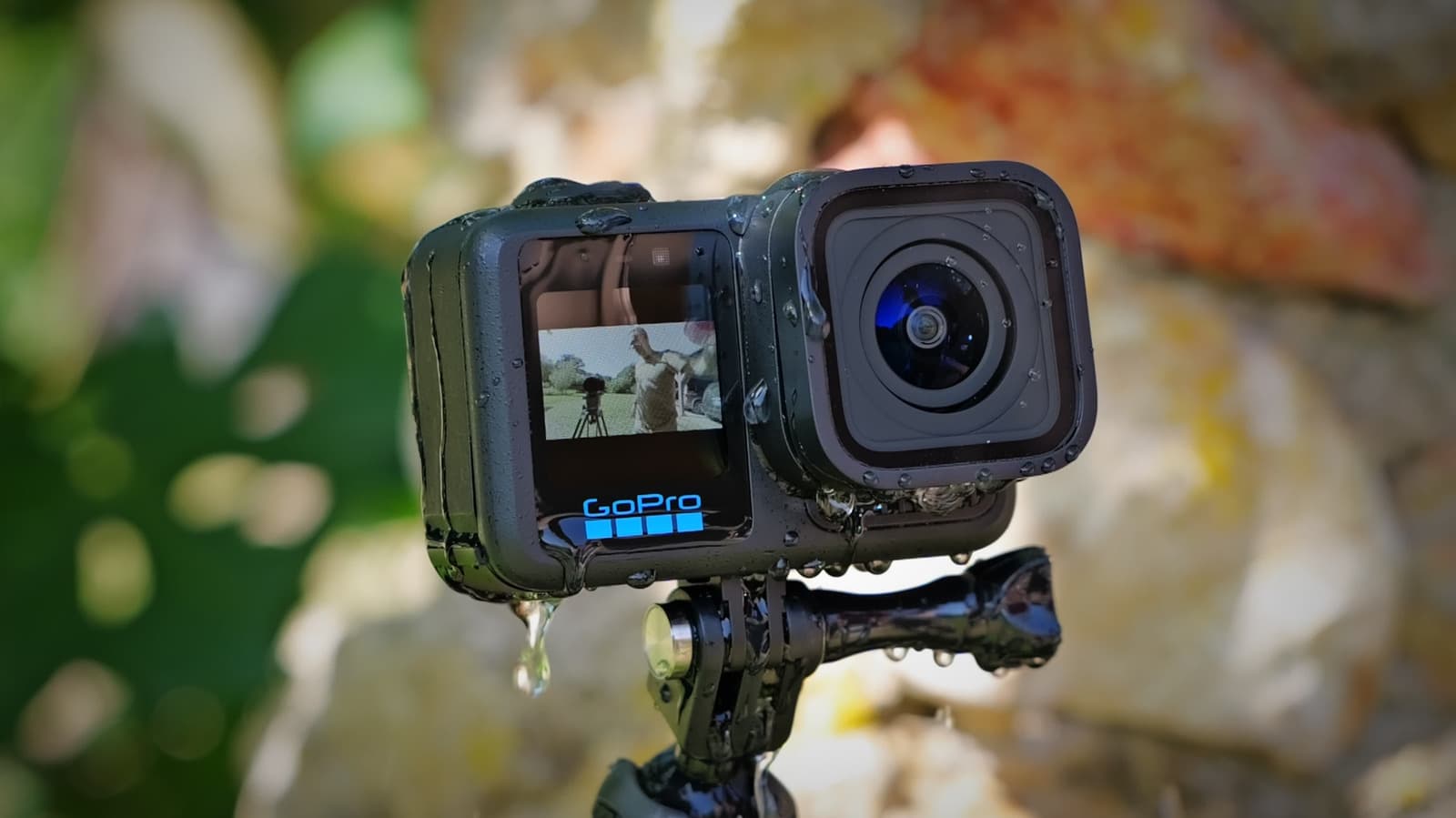
GoPro has introduced the Mission 1 Pro, an action camera built around a 1-inch sensor. The device captures video at 8K resolution with 60 frames per second and 4K at 240 fps. Reviewers note the footage is sharp and color accurate, setting a new benchmark for action cam video quality.
The larger sensor allows for improved low-light performance and dynamic range compared to previous GoPro models. The camera also includes advanced stabilization technology to keep footage smooth during high-motion activities. Users can expect professional-grade video output suitable for filmmaking and extreme sports.
GoPro designed the Mission 1 Pro with a rugged, waterproof body rated for depths up to 33 feet without a housing. The camera supports HDR video and features multiple shooting modes, including time-lapse and slow motion. Its front-facing display aids vloggers and selfie shooters.
Pricing for the Mission 1 Pro starts at $599, making it significantly more expensive than the standard GoPro Hero line. The high cost reflects the premium sensor and enhanced video capabilities. GoPro targets the camera at serious content creators and professionals who demand the best image quality.
The Mission 1 Pro is available for preorder starting today on GoPro's website and through select retailers. Shipments are scheduled to begin on March 15, 2025. The camera comes with a carrying case, extra battery, and mounting accessories in the box.
GoPro CEO Nicholas Woodman stated, "The Mission 1 Pro represents our commitment to pushing the boundaries of what an action camera can do. We believe this camera will empower creators to capture their adventures in unprecedented detail." The company expects the device to appeal to filmmakers, athletes, and travel enthusiasts seeking top-tier video performance.
Universal Music Group and TikTok Renew Licensing Deal to Address AI Music Concerns
Universal Music Group and TikTok have renewed their licensing agreement, with a focus on combating unauthorized AI-generated music. The deal aims to protect artists' rights and ensure fair compensation.
Universal Music Group (UMG) and TikTok announced the renewal of their licensing agreement on Wednesday, marking a continuation of their partnership. The new deal places significant emphasis on addressing the challenges posed by artificial intelligence in music creation. Both parties have committed to working together to identify and remove unauthorized AI-generated content that mimics UMG artists.
Under the terms of the agreement, TikTok will implement improved content moderation tools to detect and block AI-generated music that infringes on UMG's copyrights. The platform will also develop mechanisms to ensure that any AI-generated music using UMG's catalog is properly licensed and compensated. This move comes as the music industry grapples with the rapid rise of AI tools capable of producing convincing vocal and instrumental imitations.
UMG has been a vocal advocate for stricter policies around AI-generated content, pushing platforms and streaming services to adopt more robust moderation practices. The label has previously taken legal action against AI companies for unauthorized use of its artists' voices and music. This renewed deal with TikTok represents a significant step in formalizing those protections within a major social media platform.
TikTok, which has over 1 billion monthly active users, has faced criticism for hosting AI-generated songs that closely mimic popular artists without proper authorization. The platform has already begun testing features that allow users to label AI-generated content, and this agreement will likely accelerate those efforts. Financial terms of the deal were not disclosed, but it is expected to provide UMG artists with improved royalty rates and revenue sharing for AI-related uses.
The agreement also covers traditional licensing for UMG's vast catalog, ensuring that TikTok users can continue to create videos using music from artists like Taylor Swift, Drake, and Billie Eilish. This aspect of the deal is crucial for TikTok, as music is a core component of its content ecosystem. The previous licensing agreement between the two companies expired earlier this year, leading to a temporary removal of UMG music from the platform.
Industry observers note that this deal could set a precedent for how other labels and platforms handle AI-generated music. As AI technology becomes more sophisticated, the music industry is seeking to establish clear guidelines and compensation structures. UMG's proactive stance may influence negotiations with other streaming services and AI developers.
The renewed agreement is effective immediately, and UMG's full catalog is now available on TikTok. Both companies expressed optimism about the partnership, with UMG emphasizing the importance of protecting artists' rights in the age of AI. TikTok stated that it remains committed to fostering a creative environment while respecting intellectual property.
This development underscores the growing tension between technological innovation and copyright protection in the music industry. As AI continues to evolve, the terms of such agreements will likely become a template for future negotiations. For now, UMG and TikTok have set a clear framework for addressing unauthorized AI music, providing a measure of security for artists and rights holders.