AI Is the New Infrastructure of Intelligence, Says TCS Chairman Chandrasekaran
Tata Consultancy Services Chairman N Chandrasekaran declared that artificial intelligence is becoming the fundamental infrastructure of intelligence for businesses worldwide. He highlighted that AI services are generating billions in revenue and that TCS is building secure AI infrastructure and an operating system for industries, with India emerging as a key hub.

Artificial intelligence is rapidly evolving into the core operating system for businesses across the globe, according to Tata Consultancy Services (TCS) Chairman N Chandrasekaran. Speaking at a recent event, he emphasized that AI is no longer a niche technology but the foundational layer upon which modern enterprises operate. Chandrasekaran noted that AI services are already generating billions of dollars in revenue for TCS, reflecting the immense demand for intelligent automation and data-driven decision-making tools. He described AI as the "infrastructure of intelligence," a shift that is reshaping industries from finance to healthcare.
TCS is actively investing in building secure AI infrastructure and developing an AI operating system designed to serve multiple industries. This platform aims to provide a standardized yet customizable layer that integrates with existing enterprise systems, enabling businesses to deploy AI applications at scale. The company is focusing on creating robust security protocols to address concerns around data privacy and algorithmic bias, which are critical for widespread adoption. The AI operating system will offer pre-built modules for tasks like natural language processing, computer vision, and predictive analytics, allowing clients to accelerate their digital transformation journeys.
India is emerging as a key destination for AI infrastructure development, Chandrasekaran noted, citing the country's strong talent pool in software engineering and data science. He pointed out that TCS is leveraging local expertise to build data centers and cloud-based AI services that can support global clients. This aligns with broader trends where multinational corporations are diversifying their tech supply chains and looking to India for reliable, cost-effective AI solutions. The chairman also highlighted that TCS is collaborating with academic institutions and startups to foster innovation in areas like generative AI and edge computing.
The company's focus on AI comes amid strong financial performance. TCS recently reported a robust profit growth for the latest quarter, driven by increased spending on digital services and cloud migration. The firm also added thousands of new employees, signaling confidence in future demand. Chandrasekaran attributed this growth to clients' urgency to adopt AI to remain competitive, especially in sectors like banking, retail, and manufacturing. He warned that companies failing to integrate AI risk falling behind, as the technology becomes a prerequisite for operational efficiency and customer engagement.
For users, the impact of TCS's AI initiatives will be felt across various devices and regions. The company's AI operating system is designed to work on cloud platforms, on-premises servers, and edge devices, enabling real-time analytics in factories, hospitals, and retail stores. TCS is rolling out these services globally, with early adopters in North America, Europe, and Asia-Pacific. While specific pricing models vary by client, the company offers subscription-based and project-based pricing to suit different budgets. Chandrasekaran emphasized that TCS aims to make AI accessible to mid-sized businesses, not just large corporations.
Despite the optimism, several unknowns remain. The regulatory landscape for AI is still evolving, with governments worldwide drafting laws on data governance and algorithmic accountability. TCS is closely monitoring these developments and building compliance features into its platform. Additionally, the rapid pace of AI advancement means that today's cutting-edge solutions may become obsolete quickly. Chandrasekaran acknowledged this challenge, stating that TCS is committed to continuous research and development to stay ahead. The company is also exploring partnerships with AI chipmakers and cloud providers to optimize performance and reduce costs.
Looking ahead, TCS expects to expand its AI workforce significantly and launch new tools for generative AI and autonomous systems. Chandrasekaran predicted that within five years, AI will be embedded in nearly every business process, from supply chain management to customer service. He called on industry leaders to prioritize ethical AI practices and workforce reskilling to ensure that the benefits of AI are widely shared. As TCS continues to scale its AI infrastructure, the company is poised to play a pivotal role in shaping the next era of enterprise technology.
AI Governance Roles Scarce Despite 92% Adoption Rate in Philippine Firms
A new report reveals that while 92% of Philippine organizations use AI, fewer than 12% have hired dedicated AI governance staff. Talent scarcity is cited as the top barrier to scaling AI, highlighting a critical gap in responsible AI deployment.

A staggering 92 percent of organizations in the Philippines have integrated artificial intelligence into their operations, yet fewer than one in eight have appointed someone to oversee its governance. This disconnect is highlighted in the Swarm Philippine AI Report 2025, which surveyed 175 organizations nationwide. The report coins the term “vibe-based” AI use to describe the ad hoc, ungoverned approach many companies are taking. Fifty-seven percent of respondents identified talent scarcity as the primary obstacle to scaling their AI initiatives, underscoring a pressing need for skilled professionals in AI governance.
The report defines AI governance as the framework of policies, processes, and controls that ensure AI systems are used ethically, transparently, and in compliance with regulations. This includes roles such as AI ethicists, compliance officers, and data stewards who monitor bias, privacy, and accountability. Despite high adoption rates, only 12 percent of organizations have filled such positions. The survey indicates that most companies rely on existing IT or legal teams to handle AI oversight, often without formal training or dedicated resources.
Talent scarcity is not just about finding technical AI experts; it extends to governance specialists who understand both the technology and the regulatory landscape. The report notes that universities and training programs have been slow to develop curricula focused on AI governance, leaving a gap between adoption and responsible management. This shortage is particularly acute in sectors like finance, healthcare, and government, where regulatory scrutiny is high. Organizations are increasingly seeking professionals who can navigate complex issues such as algorithmic fairness, data privacy, and explainability.
The “vibe-based” approach to AI use reflects a broader trend where companies deploy AI tools without clear governance structures. This can lead to risks including biased outcomes, security vulnerabilities, and reputational damage. The report warns that as AI becomes more embedded in critical processes—from hiring to customer service—the lack of governance could expose organizations to legal and ethical challenges. Comparatively, global leaders in AI governance, such as the European Union, are moving toward stricter regulations like the AI Act, which mandates accountability measures.
For Philippine organizations, the immediate impact is a bottleneck in scaling AI beyond pilot projects. Without governance roles, companies may struggle to gain trust from customers and regulators. The report recommends that businesses prioritize hiring or training for AI governance positions, even if it means reallocating budgets from other areas. It also suggests that educational institutions collaborate with industry to create specialized courses and certifications. The government could play a role by offering incentives for companies that adopt governance frameworks.
Looking ahead, the report expects the demand for AI governance talent to surge as regulatory pressures mount and high-profile AI failures raise public awareness. However, the timeline for filling these roles remains uncertain. The survey found that only 20 percent of organizations plan to hire AI governance staff within the next year. Without concerted efforts to close the talent gap, the Philippines may see a rise in AI-related incidents that could slow overall adoption. The Swarm Philippine AI Report 2025 serves as a wake-up call for businesses and policymakers to invest in the human infrastructure needed to govern AI responsibly.
Malta Becomes First Country to Offer Free ChatGPT Plus to All Citizens
Malta will provide a year of ChatGPT Plus access to all residents who complete a free AI training course, starting in May. The initiative aims to boost AI literacy and is open to Maltese citizens abroad.
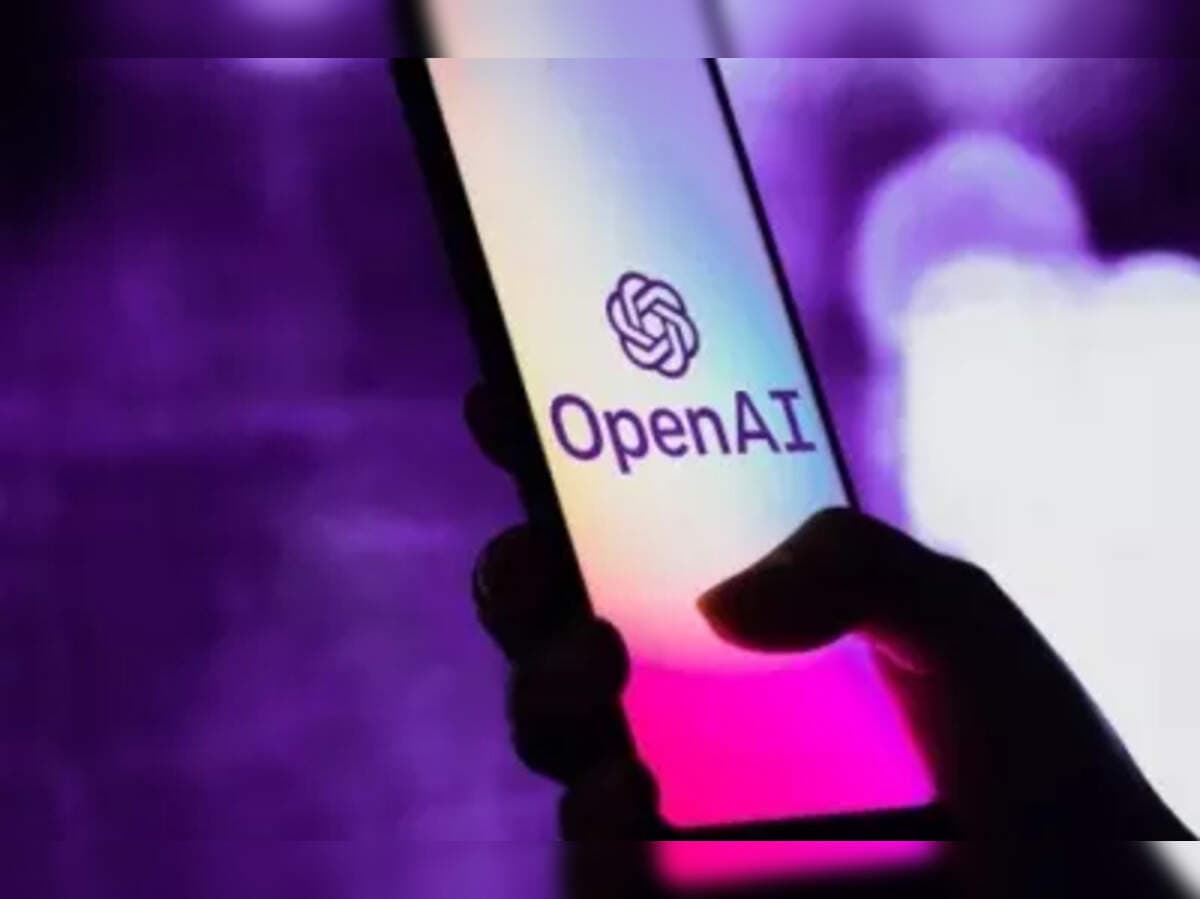
In a groundbreaking move, Malta has announced it will become the first nation to offer every resident a full year of free access to ChatGPT Plus. The initiative, which follows the completion of a free course on artificial intelligence, is set to begin in May and will expand as more citizens finish the training. Maltese citizens living overseas are also eligible to participate, making it a truly inclusive program.
The AI training course, designed to educate the public on the fundamentals and applications of artificial intelligence, is a prerequisite for accessing the premium ChatGPT service. Once citizens complete the course, they will receive a voucher for a one-year ChatGPT Plus subscription, which typically costs $20 per month. The program is a collaboration between the Maltese government and OpenAI, aiming to enhance digital skills and AI adoption across the island nation.
ChatGPT Plus offers several benefits over the free version, including priority access to the latest models, faster response times, and access to advanced features like browsing, plugins, and DALL-E image generation. By providing this premium access, Malta hopes to encourage more citizens to explore AI's potential in their personal and professional lives.
The initiative is part of Malta's broader strategy to become a leader in AI education and adoption. The country has already invested in AI research and development, and this program is expected to accelerate the integration of AI tools in various sectors, including education, healthcare, and business. The government believes that widespread AI literacy will give Maltese citizens a competitive edge in the global job market.
For users, the program means that any Maltese resident aged 16 or older who completes the free course can enjoy ChatGPT Plus without any cost for a year. The course is available online and covers topics such as AI ethics, prompt engineering, and real-world use cases. The government has also set up physical centers for those without internet access, ensuring no one is left behind.
While the exact number of participants is unknown, the program is expected to reach tens of thousands of citizens. The rollout will be phased, starting with those who complete the course earliest. The government has not disclosed the total cost of the initiative, but it is likely a significant investment given the subscription fees involved.
Looking ahead, Malta plans to evaluate the program's impact after the first year and may consider extending it or expanding it to other AI services. The success of this initiative could serve as a model for other nations looking to boost AI adoption. For now, Maltese citizens have a unique opportunity to become early adopters of advanced AI tools, setting a precedent for digital innovation on a national scale.
Inside the OpenAI-Khan Academy Collaboration to Build an AI Tutor
A new book excerpt reveals how OpenAI partnered with Khan Academy to develop an AI-powered tutoring chatbot. The collaboration aimed to bring advanced artificial intelligence into classrooms to personalize learning.

A newly released book excerpt details the collaboration between OpenAI and Khan Academy to create an AI-powered tutoring chatbot. The partnership, which took place over the past year, sought to integrate cutting-edge language models into educational settings. The resulting chatbot, built on OpenAI's GPT technology, is designed to provide personalized assistance to students across various subjects.
According to the excerpt, the development process involved fine-tuning OpenAI's language models on educational content provided by Khan Academy. The chatbot uses natural language processing to understand student queries and respond with explanations, hints, and step-by-step guidance. It can adapt its teaching style based on the student's learning pace and comprehension level.
The AI tutor is capable of handling a wide range of subjects, from mathematics to history, and can generate practice problems and quizzes. It also includes safety features to ensure age-appropriate responses and prevent misuse. The model was trained on a curated dataset to align with educational standards and avoid providing incorrect or harmful information.
Khan Academy, a nonprofit educational organization, has long been at the forefront of online learning. The collaboration with OpenAI marks a significant step in bringing AI to education, potentially transforming how students learn outside the classroom. The chatbot is intended to complement human teachers by offering on-demand support.
OpenAI's GPT technology has already been used in various applications, but this partnership focuses specifically on education. The AI tutor is currently being tested in a limited pilot program with select schools and students. Early feedback indicates that students find the chatbot helpful for homework and exam preparation.
The chatbot is available through Khan Academy's platform, accessible via web browsers and mobile apps. It is free for students and teachers, aligning with Khan Academy's mission to provide free education. There are no current plans for a paid version, though future updates may include premium features.
While the AI tutor shows promise, there are still unknowns about its long-term effectiveness and potential biases. OpenAI and Khan Academy are monitoring the pilot closely and plan to expand access gradually. The next steps include refining the model based on user feedback and conducting broader studies to assess its impact on learning outcomes.
Marketing operating system Nectar Social raises $30M Series A led by Menlo
This development in AI News signals new momentum in the technology agenda.

Marketing operating system Nectar Social raises $30M Series A led by Menlo has become a significant development in the technology sector. This advancement signals new momentum in the ai haberleri space and carries important implications for both consumers and industry players.
The technical details surrounding this announcement suggest a deliberate strategy aimed at capturing market share while addressing existing user pain points. Industry analysts note that the timing of this release aligns with broader shifts in how technology is adopted at scale.
From a competitive standpoint, this move places additional pressure on established players who have dominated the segment for years. The introduction of these features could force rivals to accelerate their own roadmaps or risk losing relevance in an increasingly crowded marketplace.
Consumer reactions have been mixed but generally positive, with early adopters highlighting the practical benefits over marketing promises. The focus appears to be on solving real problems rather than introducing novelty for its own sake.
Looking at the broader ecosystem, this development may trigger ripple effects across adjacent categories. Partnerships, supply chains, and developer communities are all likely to feel the impact as adoption scales.
Whether this represents a lasting shift or a temporary market reaction will depend on execution quality and sustained innovation in the coming quarters.}