
ASUS Pad (T3201) with Tandem OLED Display Launched After Multi-Year Hiatus
ASUS has introduced the ASUS Pad (T3201), its first tablet in several years, featuring a 12.2-inch Tandem OLED display and running Android 16. The device marks the company's return to the tablet market with a focus on premium display technology.
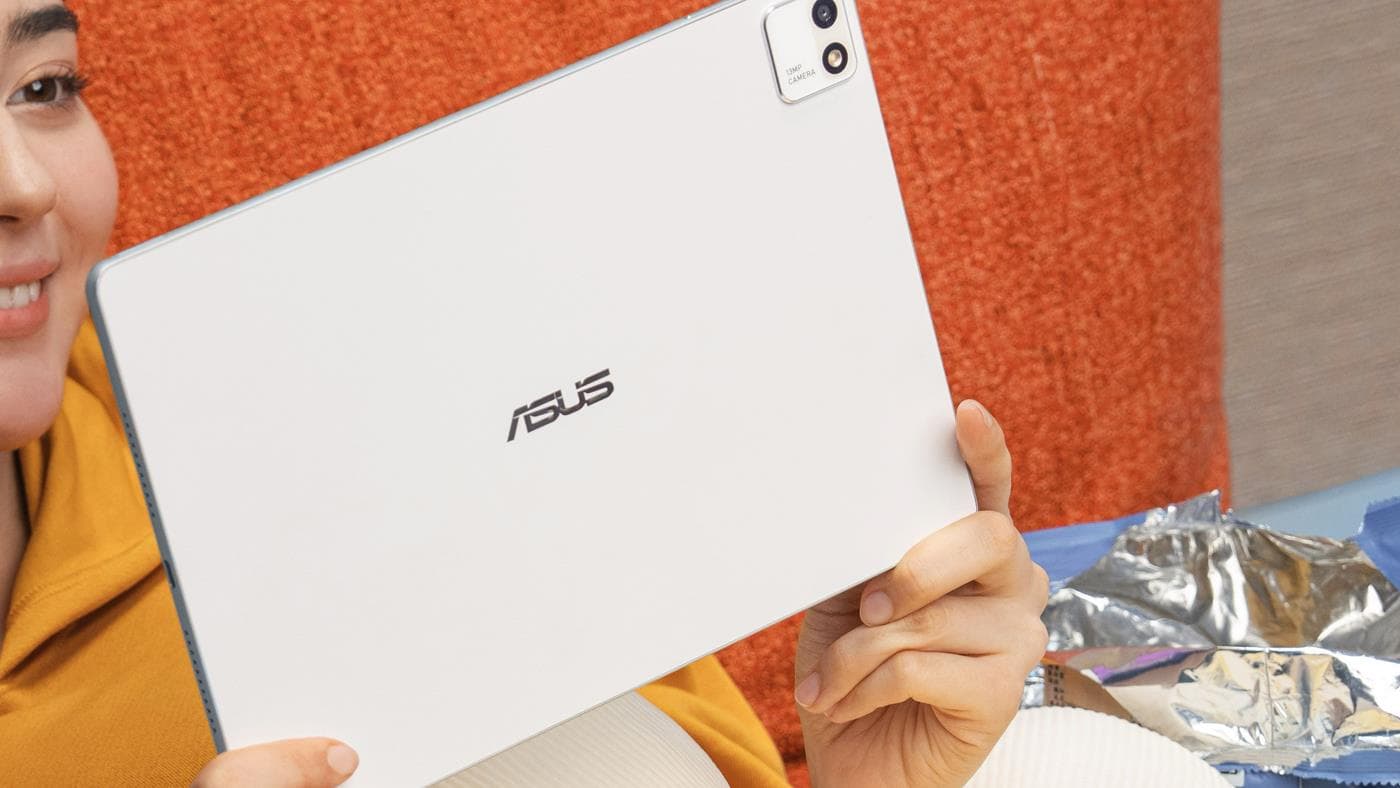
ASUS has officially unveiled the ASUS Pad (model T3201), marking the company's return to the tablet segment after a multi-year absence. The device runs on Android 16 and is distinguished by its 12.2-inch Tandem OLED panel, which the company claims is the best in its class. The announcement signals ASUS's renewed commitment to the tablet market.
The Tandem OLED display technology stacks two OLED layers to achieve higher brightness and improved longevity compared to conventional single-layer OLED panels. This design allows the screen to deliver up to 1,600 nits of peak brightness, making it suitable for outdoor use and HDR content. The display also supports a 120Hz refresh rate for smooth scrolling and responsive touch input.
Under the hood, the ASUS Pad is powered by a MediaTek Dimensity 9300+ processor, paired with 16GB of LPDDR5X RAM and up to 512GB of UFS 4.0 storage. The tablet includes a 13-megapixel rear camera and an 8-megapixel front-facing camera. A 10,000mAh battery supports 65W fast charging via USB-C, providing extended usage times.
For audio, the device features four speakers tuned by Harman Kardon, supporting Dolby Atmos spatial audio. Connectivity options include Wi-Fi 7, Bluetooth 5.4, and optional 5G cellular support. The tablet also includes a microSD card slot for expandable storage and a 3.5mm headphone jack.
The ASUS Pad comes with an optional detachable keyboard cover and a stylus that supports 4,096 levels of pressure sensitivity. The keyboard attaches via pogo pins and includes a trackpad, while the stylus magnetically attaches to the tablet's side for charging and storage. The device measures 7.8mm in thickness and weighs approximately 680 grams.
ASUS has not yet announced pricing or specific availability dates for the ASUS Pad. The company stated that the tablet will launch in select markets starting in the second quarter of 2025. More details regarding regional availability and pricing are expected to be revealed closer to the launch date.
MSI Unveils EdgeMesa N AI+ Mini PC with Nvidia RTX Spark Architecture
MSI introduced the EdgeMesa N AI+ Mini PC, designed for local generative AI, LLM development, and high-performance inference. The device features Nvidia RTX Spark architecture.
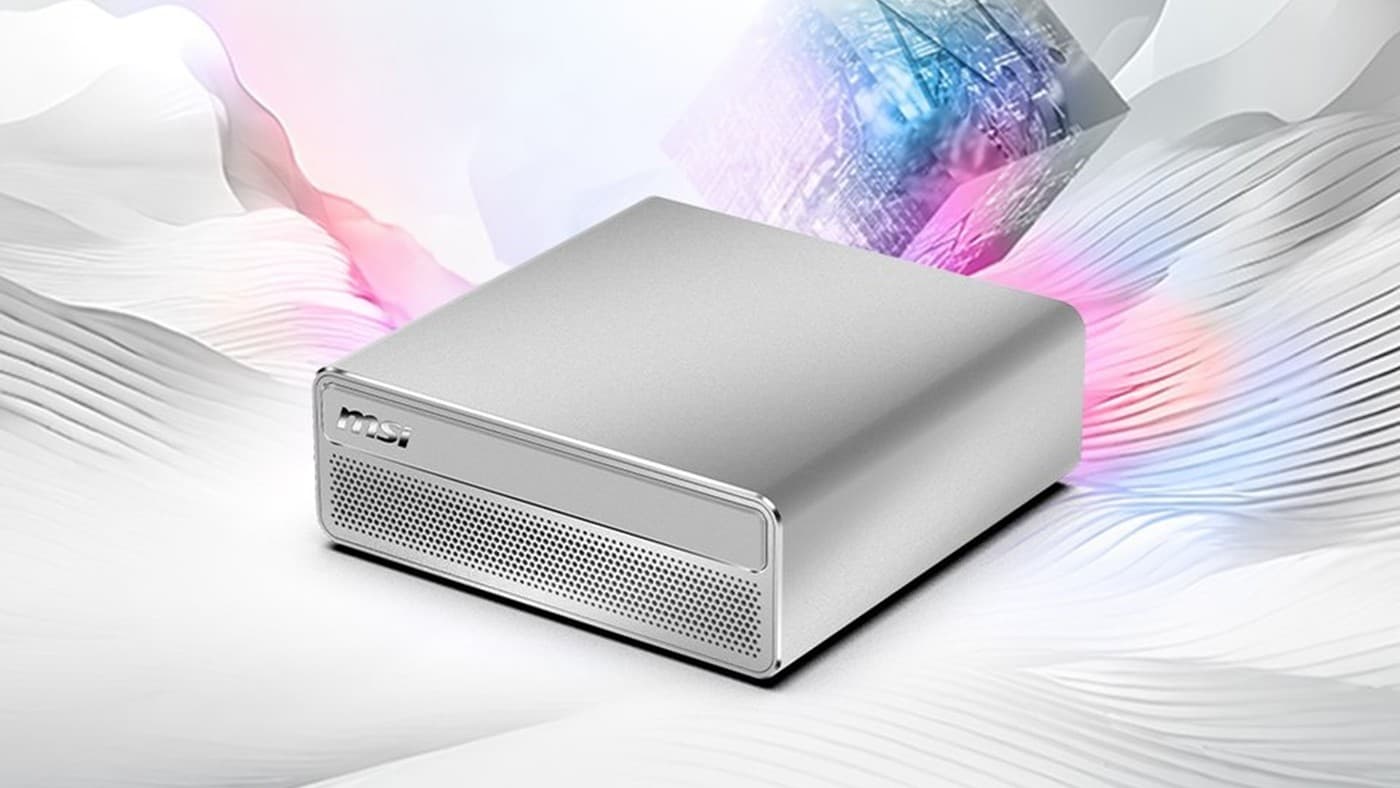
MSI has announced the EdgeMesa N AI+, a new Mini PC model tailored for artificial intelligence workloads. The desktop computer leverages Nvidia's RTX Spark architecture to deliver optimized performance for local generative AI tasks, large language model development, and high-speed inference.
The EdgeMesa N AI+ is built to handle demanding AI computations directly on the device, reducing reliance on cloud-based services. Its compact form factor houses components that support advanced neural network processing and real-time data analysis.
MSI positioned the machine as a tool for developers and researchers working with LLMs and generative AI applications. The Nvidia RTX Spark architecture provides dedicated AI acceleration, enabling faster model training and inference compared to traditional CPU-based systems.
Specific technical specifications, including processor options, memory capacity, and storage configurations, have not been fully detailed by MSI at this time. The company emphasized the system's ability to run complex AI models locally without requiring external GPU enclosures.
The Mini PC targets users who need portable yet powerful computing for AI development. Its small footprint allows deployment in space-constrained environments such as labs, offices, or edge computing setups.
MSI has not yet announced pricing or a specific release date for the EdgeMesa N AI+. The product is expected to compete with other compact AI workstations from manufacturers like Intel and AMD.
Availability will vary by region, with MSI planning to launch the device in select markets initially. The company stated that further details will be shared closer to the product's commercial release.
MSI confirmed that the EdgeMesa N AI+ will ship with a pre-installed software stack optimized for AI workflows, including support for popular frameworks like TensorFlow and PyTorch.
Binance TR and Domino's Offer 800 TL Pizza Voucher for Bitcoin Pizza Day
Binance TR is partnering with Domino's to celebrate Bitcoin Pizza Day by offering new users an 800 TL Domino's digital gift voucher. The promotion targets first-time crypto buyers on the platform.

Binance TR has announced a collaboration with Domino's Pizza to mark Bitcoin Pizza Day. The campaign provides a special incentive for users who purchase cryptocurrency for the first time. New buyers will receive a digital gift voucher worth 800 Turkish Lira from Domino's.
The promotion is designed to attract newcomers to the crypto market. Users must complete their first crypto purchase on Binance TR to qualify for the voucher. The offer is limited to a certain number of participants, though the exact cap was not disclosed.
Bitcoin Pizza Day commemorates the first known commercial transaction using Bitcoin, when 10,000 BTC were used to buy two pizzas in 2010. The event has become an annual celebration in the crypto community, often marked by promotions and discounts.
Binance TR is the Turkish arm of the global Binance exchange. The platform offers a range of cryptocurrencies for trading and has been expanding its local partnerships. Domino's is a well-known pizza delivery chain in Turkey, with numerous outlets nationwide.
The digital voucher can be used for online orders through Domino's Turkey's website or mobile app. Customers can redeem it for any pizza or menu item of their choice, subject to the voucher's terms and conditions.
Interested users must create a Binance TR account and complete identity verification. After purchasing any cryptocurrency for the first time, the voucher code will be sent via email or SMS. The campaign runs until the end of Bitcoin Pizza Day, May 22, 2025.
Binance TR emphasized that this initiative aims to make crypto more accessible and fun. The company stated that it continues to explore innovative ways to engage users and promote digital asset adoption in Turkey.

Google to Release 32 Million Lab-Bred Mosquitoes in California and Florida
Google plans to release 32 million male mosquitoes carrying Wolbachia bacteria in California and Florida to combat West Nile virus and other mosquito-borne diseases. The initiative aims to reduce mosquito populations by preventing reproduction.
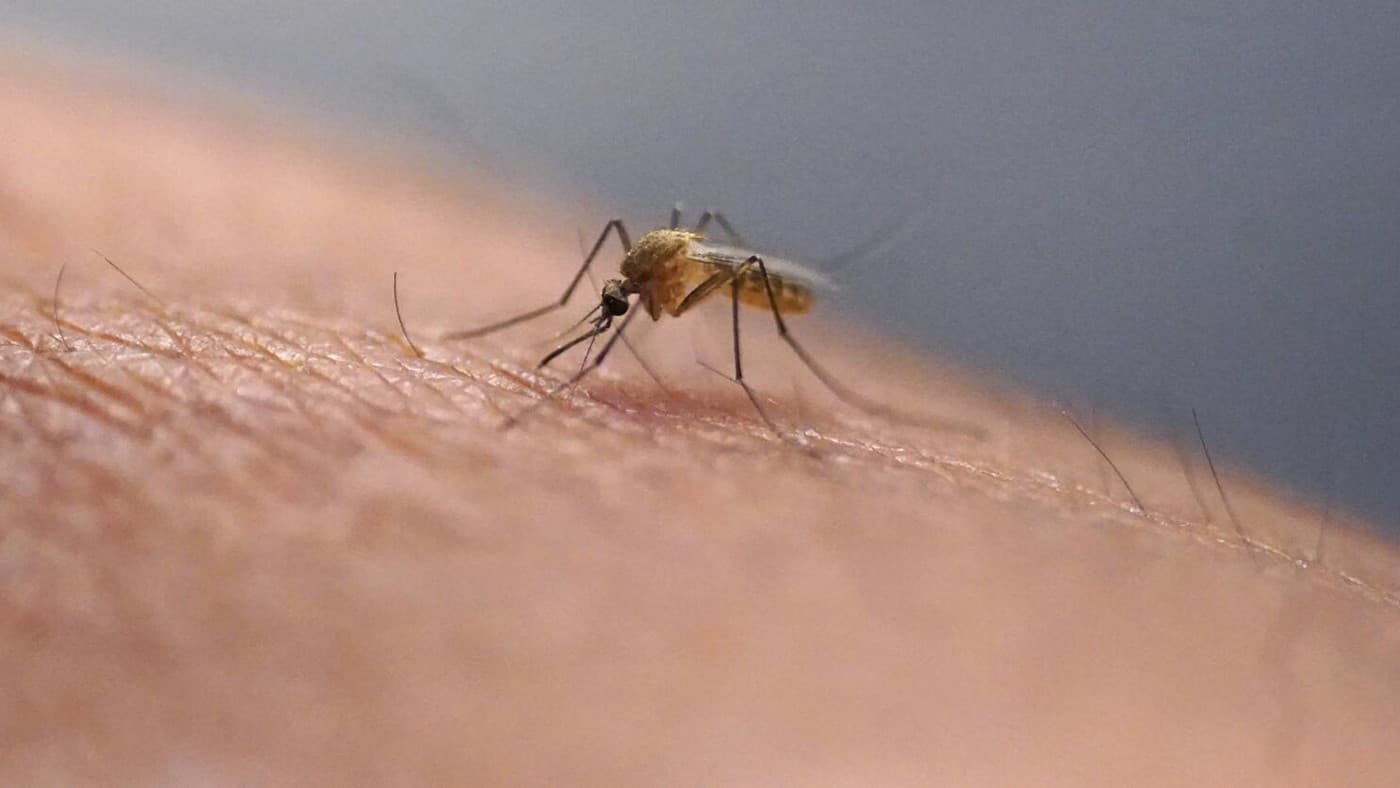
Google announced a plan to release 32 million specially bred male mosquitoes into the wild in California and Florida. The effort targets the reduction of mosquito-borne diseases such as West Nile virus. The mosquitoes are raised in a laboratory and carry the Wolbachia bacterium.
The male mosquitoes do not bite or transmit diseases. Wolbachia bacteria cause reproductive issues in female mosquitoes when they mate with infected males. This leads to eggs that do not hatch, thereby reducing the overall mosquito population.
The project is part of Google's parent company Alphabet's life sciences division, Verily. Verily has been working on mosquito control using this technique for several years. The release is scheduled to take place in specific areas of California and Florida.
In California, the release will occur in Fresno County, where a pilot program was conducted in 2017. In Florida, the release will happen in the Florida Keys, where the Aedes aegypti mosquito is prevalent. This mosquito species is known to carry dengue, Zika, and chikungunya viruses.
The method has been tested in other countries, including Brazil and Australia, with promising results. The goal is to suppress the population of disease-carrying mosquitoes without using chemical pesticides. The technique is considered environmentally friendly as it targets only specific mosquito species.
Verily's approach involves using automated systems to rear and sort the mosquitoes. The company uses machine learning to identify and separate male from female mosquitoes. Only male mosquitoes are released, as they do not bite humans.
The release is expected to begin in the coming months. The exact dates and locations will be coordinated with local mosquito control districts. The project has received approval from the relevant environmental and health agencies.
Google and Verily emphasize that the released mosquitoes are not genetically modified. The Wolbachia bacteria occur naturally in many insect species. The technique has been endorsed by the World Health Organization as a safe and effective method for mosquito control.
The initiative represents a significant investment by Google in public health. The company aims to demonstrate that technology can play a key role in addressing global health challenges. The results of the release will be monitored closely to assess its impact on mosquito populations and disease transmission.
Chinese Researchers Boost Laser Performance 20-Fold Using Quantum Technologies
Chinese physicists have achieved a 20-fold increase in laser performance by leveraging quantum properties of light. The new method could revolutionize optical systems.

Chinese researchers have developed a technique that enhances laser performance by a factor of 20 using quantum technologies. The breakthrough, achieved by a team of physicists, leverages the quantum properties of light to produce more powerful laser effects with lower energy input.
The method involves manipulating the quantum state of photons to achieve greater coherence and intensity. By controlling the quantum fluctuations of light, the researchers were able to significantly amplify the laser output without increasing the energy consumption proportionally.
This advancement could have profound implications for various fields that rely on laser technology, including telecommunications, medical devices, and industrial manufacturing. The ability to generate stronger lasers with less power could lead to more efficient and compact systems.
The team demonstrated the technique in a laboratory setting, achieving a 20-fold improvement in laser performance compared to conventional methods. The results were published in a peer-reviewed journal, detailing the experimental setup and theoretical framework.
While the technology is still in the research phase, the researchers are optimistic about its potential for practical applications. They are now working on scaling up the system and exploring ways to integrate it into existing laser platforms.
The development marks a significant step forward in the field of quantum optics and laser physics. It showcases how quantum principles can be harnessed to overcome limitations of classical laser systems.
Further studies are needed to assess the long-term stability and reliability of the quantum-enhanced lasers. The researchers plan to collaborate with industry partners to accelerate the transition from lab to market.
"Our work demonstrates a new pathway to achieve high-performance lasers using quantum effects," said the lead researcher. "We believe this approach will open up new possibilities for laser applications."