B2B Marketing Summit Highlights AI and Digital Transformation in APAC
The B2B Marketing Summit at Marina Bay Sands convened top APAC marketing executives to discuss the future of B2B marketing, AI, and digital transformation. Key takeaways include the integration of AI into marketing strategies and the acceleration of digital transformation across the region.
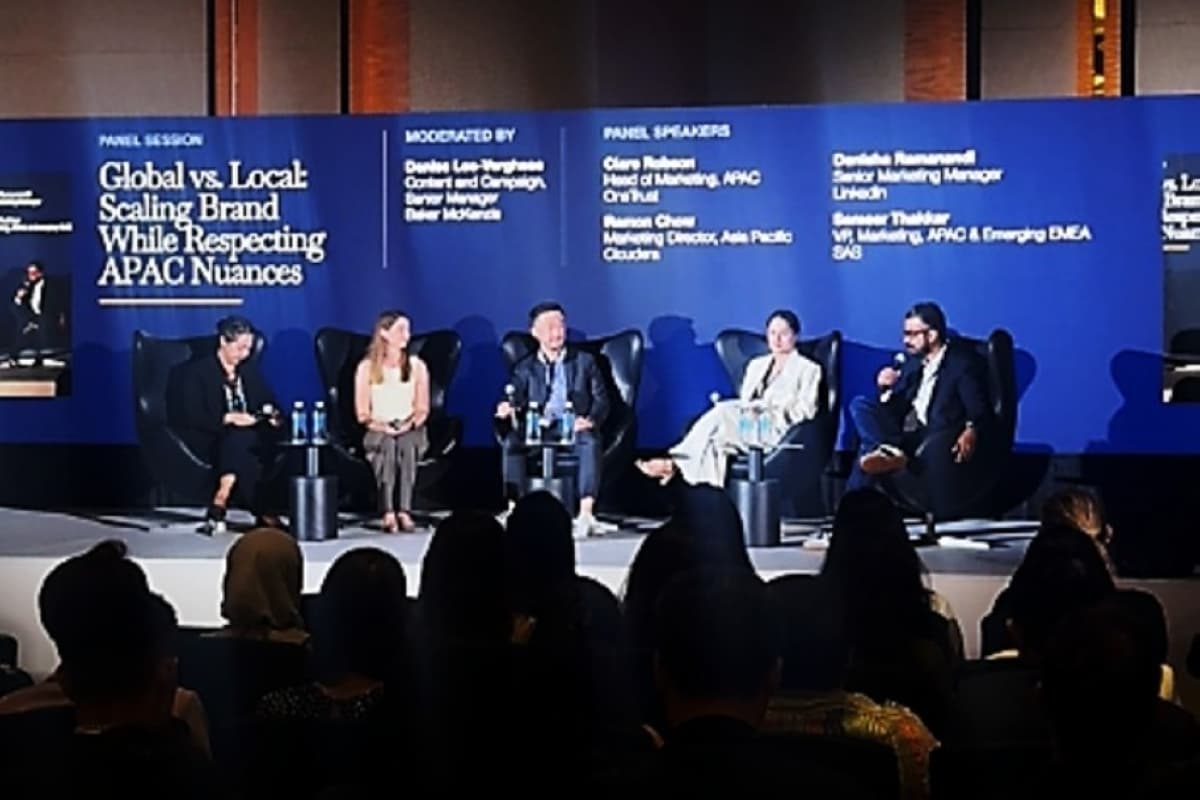
The B2B Marketing Summit recently took place at Marina Bay Sands, gathering leading marketing executives from across the Asia-Pacific region. The event focused on high-level discussions about the future of B2B marketing, artificial intelligence, and digital transformation. Attendees shared insights on how these technologies are reshaping the marketing landscape.
One of the key themes was the integration of artificial intelligence into marketing strategies. Speakers highlighted how AI can automate repetitive tasks, analyze customer data more efficiently, and personalize marketing campaigns at scale. Examples included AI-powered chatbots for customer service and predictive analytics for lead scoring.
Digital transformation was another major topic, with executives discussing how companies are moving from traditional to digital-first approaches. This includes adopting cloud-based tools, leveraging data analytics, and implementing omnichannel strategies to reach customers. The need for agility and continuous learning was emphasized.
Comparisons were drawn between B2B and B2C marketing, noting that while B2C often leads in adopting new technologies, B2B is catching up rapidly. Use cases from various industries, such as fintech, healthcare, and manufacturing, illustrated how AI and digital tools are being applied to solve specific business challenges.
The summit also addressed the skills gap in marketing teams, with a call for upskilling in data analysis and AI literacy. Executives shared strategies for building cross-functional teams that combine marketing expertise with technical knowledge. The importance of a customer-centric approach was reiterated.
User impact was discussed in terms of how these changes affect end customers. For example, AI-driven personalization can lead to more relevant offers and faster response times. However, concerns about data privacy and the need for transparent AI usage were also raised.
Looking ahead, the summit identified several unknowns, such as the long-term impact of generative AI on content creation and the evolving role of human marketers. Attendees expected further integration of AI into marketing automation and a continued push towards data-driven decision-making. The next summit is anticipated to delve deeper into these emerging trends.
Pope Leo XIV's First Encyclical to Address AI Ethics and Human Dignity
The Vatican is preparing to release Pope Leo XIV's first encyclical, which will focus on artificial intelligence and advocate for an ethics-based approach prioritizing human dignity and social harmony. The document is expected to influence global discussions on AI regulation.
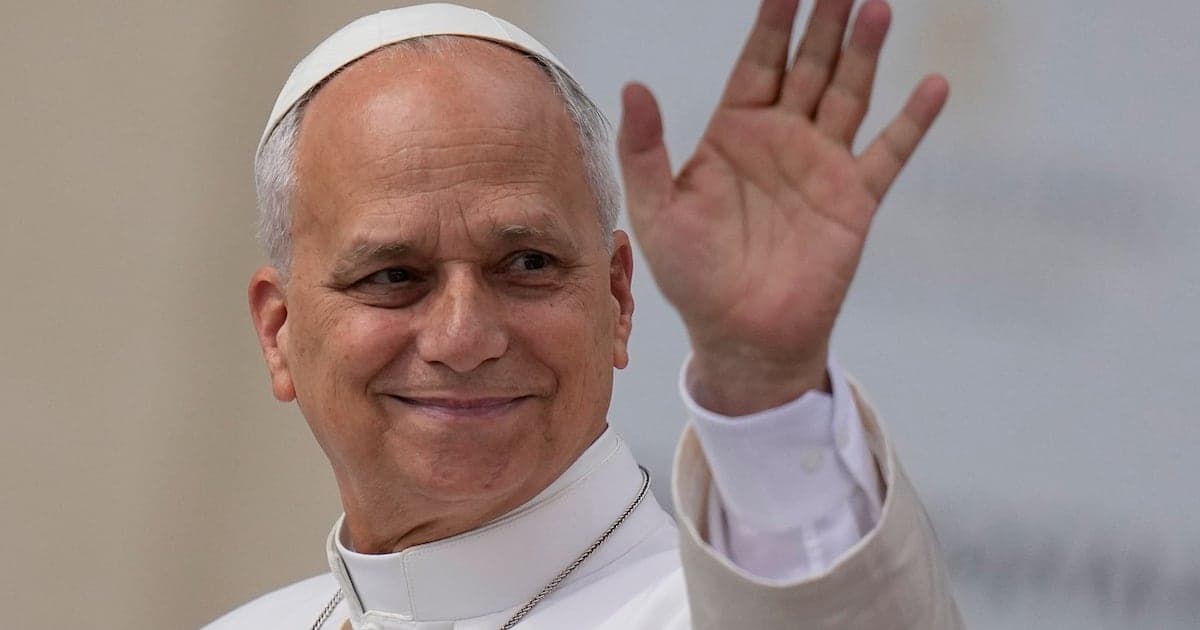
The Vatican is gearing up for the release of Pope Leo XIV’s first encyclical, a document expected to address artificial intelligence and insist on an ethics-based approach to the technology that prioritizes human dignity, social relationships and peace. The encyclical, a formal letter from the pope to Catholic bishops and the wider world, is anticipated to set a moral framework for the development and deployment of AI systems. Vatican officials have hinted that the document will call for international cooperation to ensure AI serves the common good rather than exacerbating inequality or conflict.
Technical details of the encyclical are closely guarded, but sources suggest it will draw on principles of Catholic social teaching, such as solidarity and subsidiarity, to critique unchecked AI development. The document is expected to highlight risks like algorithmic bias, surveillance, and autonomous weapons, while also acknowledging AI's potential benefits in healthcare, education, and environmental protection. Pope Leo XIV, known for his background in theology and ethics, has previously spoken about the need for "algorithmic transparency" and "human-centered innovation."
The encyclical arrives amid growing global debate over AI regulation, with the European Union's AI Act and various national frameworks emerging. The Vatican has engaged with tech leaders and ethicists in recent years, including hosting conferences on AI and ethics. This document builds on the "Rome Call for AI Ethics," a 2020 initiative signed by IBM, Microsoft, and other organizations, which the Vatican helped launch. The new encyclical is expected to amplify that call, urging governments and corporations to adopt ethical guidelines.
For users, the encyclical's impact may be indirect but significant, as it could shape the moral discourse around AI in Catholic-majority countries and influence policy makers. The document is likely to be studied by ethicists, tech companies, and regulators worldwide. While it does not carry legal weight, the Vatican's moral authority could pressure companies to adopt more responsible AI practices. The encyclical will be released in multiple languages, including English, Italian, and Spanish, to reach a global audience.
Pope Leo XIV is expected to formally issue the encyclical during a ceremony at St. Peter's Basilica, with a simultaneous online release on the Vatican's website. The exact date has not been announced, but insiders suggest it could come within the next month. The document's title, traditionally taken from its first few words in Latin, has not been revealed. Observers anticipate that the encyclical will be titled something like "Dignitas et Pax" (Dignity and Peace) to reflect its core themes.
Unknowns remain, including how specific the encyclical will be in addressing particular AI applications like generative AI or facial recognition. Some experts expect it to offer general principles rather than technical prescriptions. The Vatican has also not confirmed whether the pope will issue a separate apostolic exhortation or other document to expand on the encyclical's themes. What is clear is that the document will mark a significant moment in the Vatican's engagement with technology, potentially setting the tone for Catholic thought on AI for decades to come.
Pakistan’s First AI in Healthcare Summit Targets Systemic Gaps
Pakistan’s first national convening on AI in healthcare, held at LUMS under the National AI Hub, brought together clinicians, researchers, and policymakers to explore how artificial intelligence can address the country’s critical healthcare shortages and systemic inefficiencies.
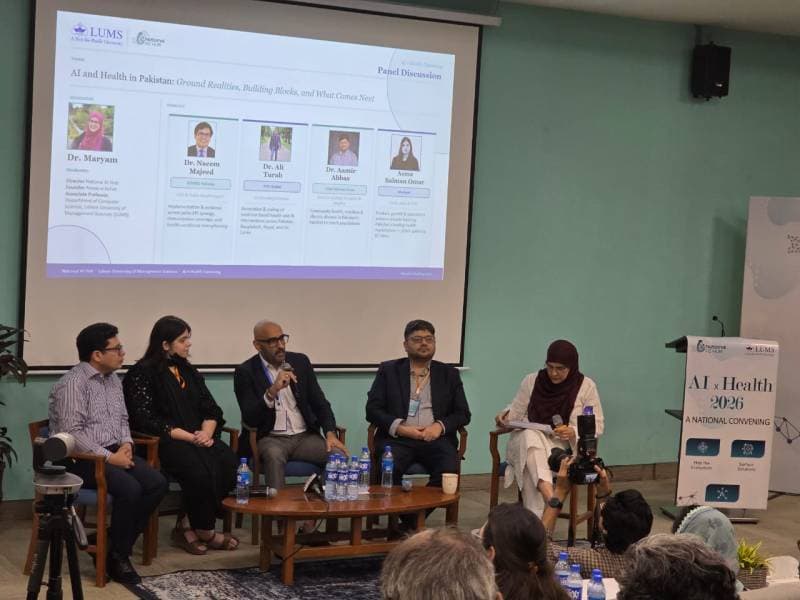
Pakistan’s first national convening on artificial intelligence in healthcare took place at the Syed Babar Ali School of Science and Engineering (SBASSE) at Lahore University of Management Sciences (LUMS), organized under the umbrella of the National AI Hub. The event gathered clinicians, researchers, and policymakers to deliberate on how AI can bridge critical gaps in the country’s healthcare system. With a population exceeding 220 million and a doctor-to-patient ratio well below WHO recommendations, the need for technological intervention has never been more urgent.
Discussions centered on AI applications such as diagnostic imaging, predictive analytics for disease outbreaks, and telemedicine platforms that can extend specialist care to rural areas. Researchers presented pilot projects where machine learning algorithms achieved over 90% accuracy in detecting tuberculosis from chest X-rays and diabetic retinopathy from retinal scans. These tools could significantly reduce diagnostic delays in regions lacking radiologists and ophthalmologists.
Policymakers highlighted the potential of AI to optimize resource allocation in public hospitals, where overcrowding and supply chain inefficiencies are rampant. For instance, predictive models can forecast patient inflow to emergency departments, helping administrators manage staff and bed availability. However, experts cautioned that AI models trained on Western datasets may not perform well on Pakistan’s diverse population, emphasizing the need for locally collected and curated data.
The convening also addressed regulatory and ethical challenges, including data privacy, algorithmic bias, and the need for clear frameworks to govern AI deployment in clinical settings. Participants stressed that without robust data protection laws and standardized validation protocols, AI could exacerbate existing inequalities. The National AI Hub announced plans to develop a national AI healthcare strategy, with input from both public and private stakeholders.
For end users, the most immediate impact is expected in telemedicine and mobile health applications, which can connect patients in remote villages with specialists in urban centers. Several startups at the event showcased AI-powered chatbots that triage symptoms in Urdu and regional languages, reducing unnecessary hospital visits. The government is also exploring AI integration into the Sehat Sahulat Program, a universal health insurance scheme covering low-income families.
Pricing for these AI tools remains a barrier, as most are developed by private firms targeting high-end hospitals. The convening called for public-private partnerships to subsidize AI adoption in public facilities. Additionally, training programs for healthcare workers to interpret AI-generated insights were identified as critical for successful implementation.
Looking ahead, the National AI Hub will host follow-up workshops to draft a white paper on AI in healthcare, expected within six months. The group plans to launch a pilot project in three district hospitals by early next year, focusing on maternal and child health. While the path forward is promising, participants acknowledged that AI is not a panacea—it must be paired with investments in basic infrastructure, electricity, and internet connectivity to truly transform Pakistan’s healthcare landscape.
Court Rules Secret Recording by O'Keefe Media at Staged Date Not Illegal
A federal judge dismissed a lawsuit against O'Keefe Media Group, ruling that a secret recording made during a pretend date did not constitute a tortious act. The decision highlights legal boundaries for undercover journalism.

A federal judge in Virginia has ruled that a secret recording made by O'Keefe Media Group during a staged romantic date did not violate tort law, dismissing a lawsuit filed by the subject of the recording. Judge Anthony Trenga of the Eastern District of Virginia issued the decision on April 12, 2025, in the case of Fseisi v. O'Keefe Media Group. The ruling addresses the legality of undercover journalism tactics used by the conservative media organization.
The lawsuit stemmed from an incident where an O'Keefe Media operative went on a pretend date with Fseisi, secretly recording their conversation without consent. Fseisi alleged that this constituted invasion of privacy and other torts. However, Judge Trenga held that the recording did not meet the legal standards for tortious interference, as the date was a private social interaction rather than a business or professional setting. The court emphasized that Virginia law requires a higher threshold for such claims.
O'Keefe Media Group, founded by James O'Keefe, is known for its undercover investigations targeting various organizations and individuals. The group often uses hidden cameras and staged scenarios to expose alleged misconduct. This case is one of several legal challenges to their methods, with previous rulings yielding mixed results. The decision in Virginia adds to the ongoing debate about the balance between investigative journalism and privacy rights.
The ruling noted that Fseisi voluntarily agreed to the date, and the recording did not capture any intimate or private details beyond what would be expected in a casual conversation. The judge also pointed out that the recording was not published or widely disseminated, limiting potential harm. This distinction was crucial in determining that no tort occurred.
For users of undercover journalism, this decision may embolden similar tactics in Virginia, provided recordings are made in non-intimate settings and not publicly released. However, other states have stricter wiretapping laws that could still impose liability. The case underscores the patchwork of legal protections across the United States regarding secret recordings.
Fseisi's legal team has indicated they may appeal the decision. Meanwhile, O'Keefe Media Group hailed the ruling as a victory for First Amendment rights and investigative reporting. Legal experts expect further litigation as courts continue to grapple with the intersection of privacy and journalism in the digital age.
As of now, no further hearings are scheduled, and the case remains closed at the district court level. The outcome could influence how similar cases are handled in the future, particularly those involving consent and the reasonable expectation of privacy in social settings.
HOAG and BITS BioCyTiH Launch Online AI Program for Teens Aged 12-17
HOAG and BITS BioCyTiH Foundation have introduced a three-month online Certificate Program in Applied Artificial Intelligence for students aged 12 to 17. The program aims to equip young learners with future-ready skills in AI through an immersive curriculum.
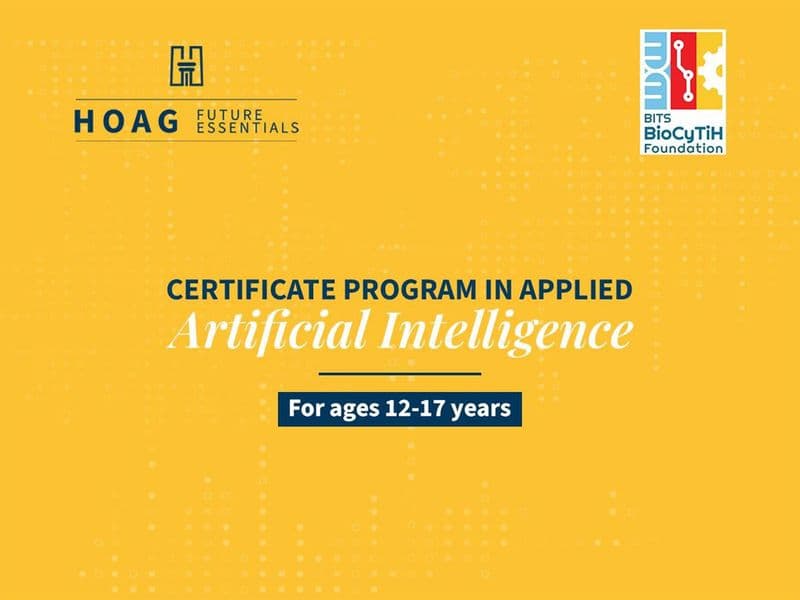
HOAG, in collaboration with BITS BioCyTiH Foundation (BBF), the deep-tech and innovation arm of BITS Pilani, has unveiled a new Certificate Program in Applied Artificial Intelligence. The fully online, three-month immersive program is tailored for students aged 12 to 17, aiming to introduce them to the fundamentals and practical applications of AI. This initiative falls under HOAG's 'Future Essentials' category, which focuses on developing forward-looking critical competencies in young learners.
The program covers key topics such as machine learning, neural networks, natural language processing, and computer vision. Students will engage in hands-on projects and real-world case studies to build a solid foundation in AI concepts and tools. The curriculum is designed to be interactive, with live sessions, assignments, and collaborative activities led by experts from BITS Pilani and industry professionals.
Participants will receive a certificate upon completion, which can enhance their academic profiles and prepare them for advanced studies in AI and related fields. The program also emphasizes ethical considerations in AI development and deployment, ensuring students understand the responsible use of technology.
HOAG's Future Essentials series aims to address the growing demand for digital skills among young learners. By partnering with BITS BioCyTiH Foundation, HOAG leverages the academic rigor and deep-tech expertise of one of India's premier engineering institutions. This collaboration brings credibility and industry relevance to the program, making it a valuable addition to a student's learning journey.
The program is accessible to students across India and internationally, requiring only a stable internet connection. Enrollment is open now, with sessions scheduled to begin in June 2024. The fee structure is designed to be affordable, with early bird discounts available for a limited period.
While the program focuses on foundational AI skills, it does not require prior programming experience, making it inclusive for beginners. However, students with a basic understanding of mathematics and logical reasoning may find the content easier to grasp. The course materials and tools used are selected to be age-appropriate and engaging for teenagers.
Future plans include expanding the program to cover advanced topics and offering specialized tracks in areas like robotics and data science. HOAG and BBF also plan to introduce mentorship opportunities and project showcases to further enrich the learning experience. Interested students and parents can visit the HOAG website for detailed information and registration.