
Blue Origin's New Glenn rocket destroyed in pad explosion; China's space debris grows
Blue Origin's New Glenn rocket was destroyed in a launch pad explosion at Cape Canaveral, Florida, grounding the vehicle indefinitely. Separately, a new analysis shows China's rocket bodies in orbit have increased dramatically, raising space debris concerns.
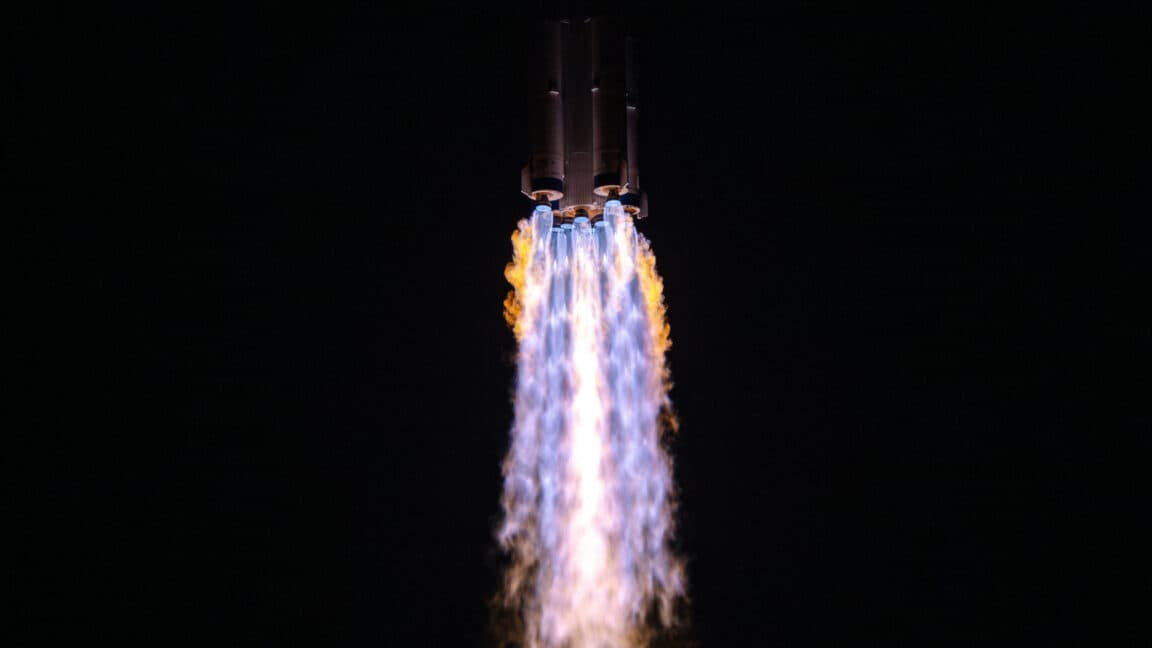
Blue Origin suffered a major setback Thursday night when its New Glenn rocket exploded on the launch pad at Cape Canaveral, Florida. The incident destroyed much of the company's sole orbital-class launch pad, according to sources familiar with the situation. The New Glenn rocket will be grounded for an extended period as investigators assess the damage and determine the cause of the explosion.
As of this writing, the full extent of the damage remains unclear. The explosion occurred during pre-launch preparations, though specific details about the sequence of events have not been released. Blue Origin has not yet issued a formal statement regarding the incident or a timeline for recovery.
The explosion marks a significant blow to Blue Origin's ambitions in the commercial launch market. New Glenn, a heavy-lift rocket designed to compete with SpaceX's Falcon 9 and Falcon Heavy, has been in development for years. The vehicle was intended to support a range of missions, including satellite deployment and potential crewed flights.
In a separate development, a new analysis highlights a growing problem with space debris originating from Chinese launches. According to space domain awareness expert Jim Shell, the mass of Chinese rocket bodies in long-lived orbits has surged from under 100 metric tons to 252 metric tons over the past five years. This increase reflects a sharp uptick in Chinese launch activity.
China appears to be disregarding established norms for disposing of rocket upper stages, the analysis suggests. Most launch operators today reserve propellant to de-orbit upper stages after payload deployment, reducing the risk of debris. However, Chinese rockets are frequently left in orbit, contributing to the growing debris population.
The trend raises concerns about the long-term sustainability of space operations. Debris from spent rocket stages poses collision risks to active satellites and crewed spacecraft. International guidelines recommend minimizing orbital debris, but compliance remains voluntary.
Blue Origin's pad destruction and China's debris contributions underscore challenges facing the space industry. The New Glenn explosion will likely delay Blue Origin's launch manifest and could impact customer contracts. Meanwhile, the debris issue may prompt renewed calls for stricter orbital debris mitigation measures.
Further details on the Blue Origin incident are expected as investigations proceed. The company has not announced a revised timeline for New Glenn's return to flight. For now, the rocket remains grounded, and the launch pad is in ruins.
Blue Origin's New Glenn rocket destroyed in static-fire test explosion
Blue Origin's New Glenn rocket exploded during a static-fire test on Thursday night, producing a fireball visible over Florida. Teams from Blue Origin, the US Space Force, and NASA are assessing the damage and recovering debris.
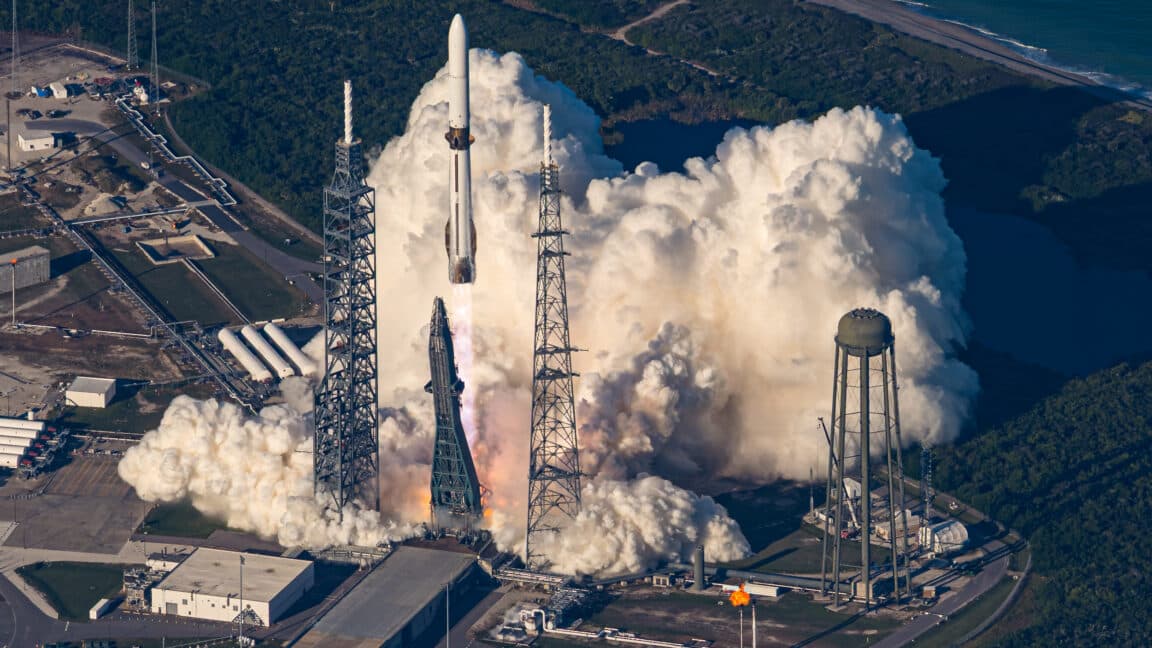
Blue Origin's New Glenn rocket was destroyed in a catastrophic explosion during a static-fire test on Thursday night. The incident produced a massive fireball over Florida, scattering debris across the sea and coastal scrubland. The test was intended to validate the rocket's systems ahead of its maiden flight.
Teams from Blue Origin, the US Space Force, and NASA began assessing the damage on Friday morning. They are working to recover pieces of the rocket and evaluate the condition of Blue Origin's facilities. The explosion sent shards of the rocket far and wide, complicating recovery efforts.
The static-fire test was a standard pre-launch procedure where the rocket's engines are fired while the vehicle remains grounded. The failure indicates a serious anomaly in the propulsion system or ground support equipment. Blue Origin has not yet released details on the cause of the explosion.
New Glenn is a heavy-lift launch vehicle designed to compete with SpaceX's Falcon 9 and Falcon Heavy. The rocket stands 98 meters tall and is powered by seven BE-4 engines. It is intended to carry satellites and cargo to orbit, as well as support Blue Origin's lunar ambitions.
The explosion is a significant setback for Blue Origin, which has faced years of delays in developing New Glenn. The company had hoped to launch the rocket later this year. The damage to facilities may further delay the program.
Blue Origin released a statement confirming the incident and expressing gratitude that no injuries occurred. The company said it is investigating the anomaly and will provide updates as more information becomes available. The US Space Force and NASA are assisting in the investigation.
The debris recovery effort is expected to take several days. Teams are using ground vehicles and aircraft to locate and retrieve fragments of the rocket. The data from the recovered components will be crucial in determining the root cause of the failure.
Blue Origin's next steps will depend on the investigation's findings. The company may need to redesign components or modify its test procedures. The explosion also raises questions about the reliability of the BE-4 engine, which is also used by United Launch Alliance's Vulcan rocket.
No timeline has been given for the next New Glenn test or launch attempt. Blue Origin emphasized that safety remains its top priority. The company thanked its employees and partners for their response to the incident.
Final 24 Hours to Save Up to $410 on TechCrunch Disrupt 2026 Tickets
TechCrunch Disrupt 2026 Early Bird pricing ends tonight at 11:59 p.m. PT, offering savings of up to $410. The event will gather over 10,000 tech leaders in October.

TechCrunch Disrupt 2026 attendees have until 11:59 p.m. PT tonight to secure Early Bird tickets at a discount of up to $410. After this deadline, ticket prices will increase. The event is scheduled for October and is expected to draw more than 10,000 technology professionals. Organizers are urging prospective participants to register before the promotional period closes. The Early Bird offer represents the lowest available price for admission to the conference. TechCrunch Disrupt is known for its startup showcases, expert panels, and networking opportunities. The 2026 edition will feature keynotes from industry leaders and sessions on emerging technologies. Registration can be completed online through the official TechCrunch Disrupt website.

Sea cucumber tissue survives indefinitely in seawater, study finds
Scientists discovered that tissue fragments from the sea cucumber Psolus fabricii can survive indefinitely in ordinary seawater, a phenomenon they call 'naturally occurring tissue immortality.' The finding challenges existing understanding of tissue survival outside the body.
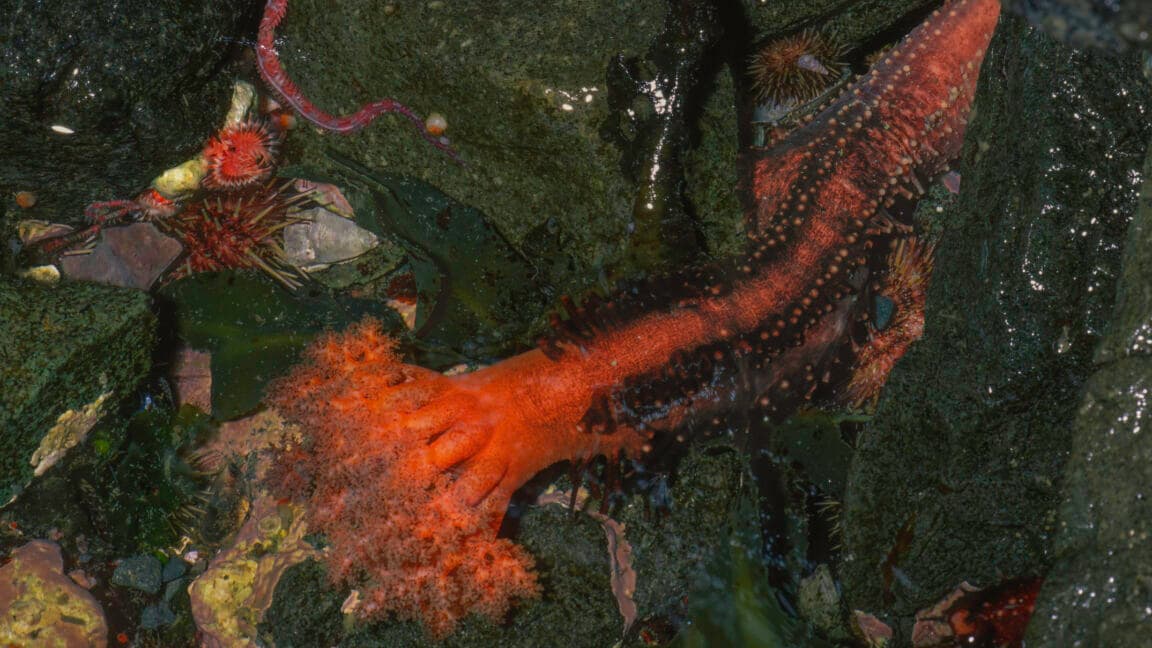
Researchers at Memorial University of Newfoundland have found that tissue fragments from a species of sea cucumber, Psolus fabricii, can survive indefinitely when placed in ordinary seawater. This discovery, described as 'naturally occurring tissue immortality,' contradicts the typical rapid decay of separated tissues. Lead author Sara Jobson stated that such easy tissue survival has never been observed before.
Psolus fabricii inhabits the cold waters of the Atlantic and Arctic oceans. Its underside, called a sole, features a band of tube feet used to grip rocks. The sea cucumber extends soft, branching tentacles into the water to feed on suspended particles. Due to the harsh environment, its feet and tentacles frequently suffer injury and loss.
Evolution has equipped these appendages with a remarkable regenerative capacity. The study's findings suggest that the tissue's ability to survive independently may be linked to this regenerative capability. The research team observed that severed fragments remained alive and active without any special nutrients or sterile conditions.
The phenomenon was observed in multiple tissue types, including tube feet and tentacles. The fragments continued to exhibit cellular activity and movement for extended periods. This challenges the conventional requirement for germ-free environments and growth factors to maintain tissues outside the body.
Jobson emphasized that the survival mechanism is not yet fully understood. The team plans to investigate the molecular and cellular processes underlying this longevity. Potential applications could include insights into tissue regeneration and preservation for medical research.
The study was published in a peer-reviewed journal. Further research will explore whether similar capabilities exist in other marine organisms. The findings open new avenues for understanding tissue survival and regeneration in extreme environments.
Acer Swift Air 14 Launched at $699 with 70Wh Battery, Challenging MacBook Neo
Acer introduced the Swift Air 14 laptop with a starting price of $699 and a 70Wh battery. The device targets the MacBook Neo segment with its lightweight design and competitive specs.
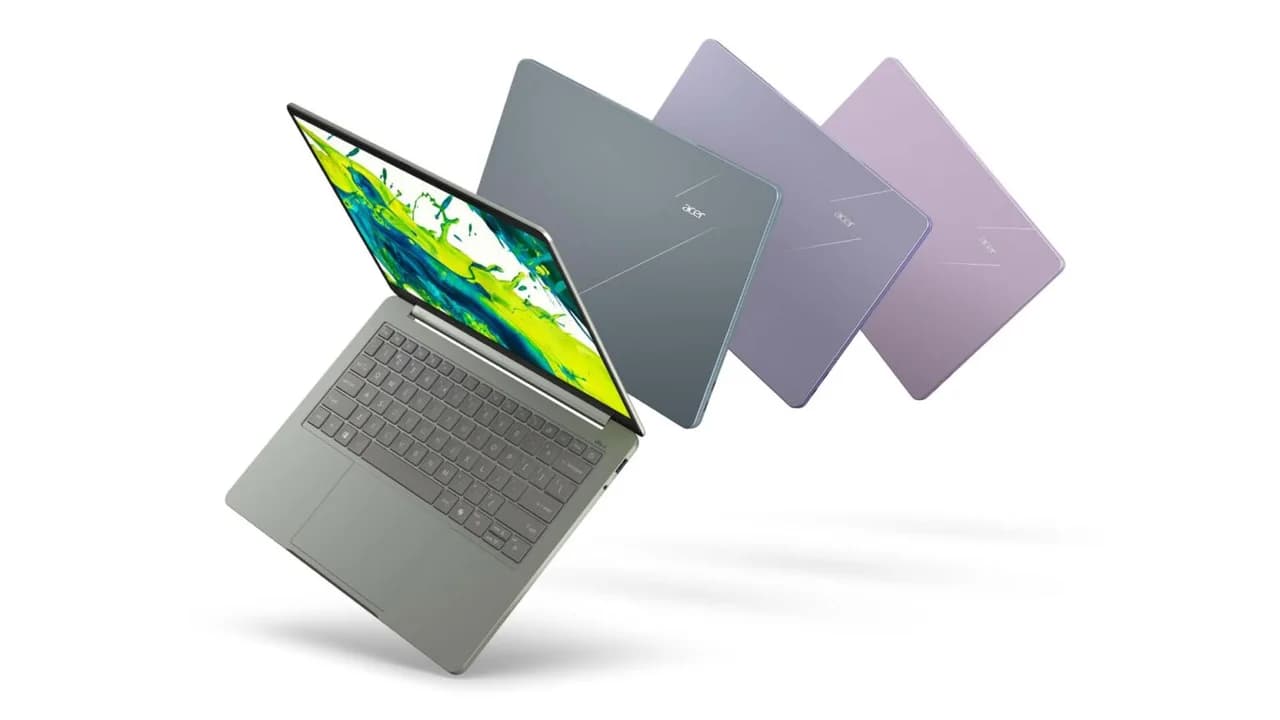
Acer has officially unveiled the Swift Air 14, a new laptop aimed at competing directly with Apple's MacBook Neo. The device was announced at a press event on Tuesday, with a starting price of $699. Acer positions the Swift Air 14 as a lightweight yet powerful option for professionals and students alike.
The Swift Air 14 features a 14-inch OLED display with a resolution of 2880x1800 pixels. The screen supports 100% DCI-P3 color gamut and VESA DisplayHDR 500 True Black certification. Acer claims the display delivers vivid colors and deep blacks, suitable for creative work and media consumption.
Under the hood, the laptop is powered by AMD Ryzen 7 7840U processor paired with up to 32GB of LPDDR5 RAM and up to 1TB PCIe Gen 4 SSD storage. The integrated AMD Radeon 780M graphics handle visual tasks. Acer says the combination offers smooth performance for multitasking and light gaming.
Battery life is a key highlight: the Swift Air 14 packs a 70Wh battery, which Acer rates for up to 12.5 hours of video playback. The laptop supports 65W USB-C fast charging, reaching 50% charge in about 30 minutes. The device weighs just 1.19 kg (2.62 lbs) and measures 14.9mm thick, making it highly portable.
Connectivity includes two USB-C ports (one with Thunderbolt 4 support), two USB-A ports, HDMI 2.1, a 3.5mm audio jack, and a microSD card reader. Wireless options are Wi-Fi 6E and Bluetooth 5.2. The laptop also features a 1080p webcam with a privacy shutter and dual microphones.
The Swift Air 14 runs Windows 11 Home out of the box. Acer includes a backlit keyboard and a fingerprint reader integrated into the power button. The device is available in two color options: Mist Green and Pure Silver.
Acer plans to start shipping the Swift Air 14 in North America on March 15, 2025, with a starting price of $699. European availability will follow in April, with pricing starting at €749. The laptop will be sold through Acer's official website and select retailers.
"The Swift Air 14 redefines what users can expect from a thin and light laptop," said James Lin, General Manager of Acer's Notebook Business. "We combined premium materials, a stunning OLED display, and all-day battery life at an accessible price point."