Sea cucumber tissue survives indefinitely in seawater, study finds
Scientists discovered that tissue fragments from the sea cucumber Psolus fabricii can survive indefinitely in ordinary seawater, a phenomenon they call 'naturally occurring tissue immortality.' The finding challenges existing understanding of tissue survival outside the body.

Researchers at Memorial University of Newfoundland have found that tissue fragments from a species of sea cucumber, Psolus fabricii, can survive indefinitely when placed in ordinary seawater. This discovery, described as 'naturally occurring tissue immortality,' contradicts the typical rapid decay of separated tissues. Lead author Sara Jobson stated that such easy tissue survival has never been observed before.
Psolus fabricii inhabits the cold waters of the Atlantic and Arctic oceans. Its underside, called a sole, features a band of tube feet used to grip rocks. The sea cucumber extends soft, branching tentacles into the water to feed on suspended particles. Due to the harsh environment, its feet and tentacles frequently suffer injury and loss.
Evolution has equipped these appendages with a remarkable regenerative capacity. The study's findings suggest that the tissue's ability to survive independently may be linked to this regenerative capability. The research team observed that severed fragments remained alive and active without any special nutrients or sterile conditions.
The phenomenon was observed in multiple tissue types, including tube feet and tentacles. The fragments continued to exhibit cellular activity and movement for extended periods. This challenges the conventional requirement for germ-free environments and growth factors to maintain tissues outside the body.
Jobson emphasized that the survival mechanism is not yet fully understood. The team plans to investigate the molecular and cellular processes underlying this longevity. Potential applications could include insights into tissue regeneration and preservation for medical research.
The study was published in a peer-reviewed journal. Further research will explore whether similar capabilities exist in other marine organisms. The findings open new avenues for understanding tissue survival and regeneration in extreme environments.
Acer Swift Air 14 Launched at $699 with 70Wh Battery, Challenging MacBook Neo
Acer introduced the Swift Air 14 laptop with a starting price of $699 and a 70Wh battery. The device targets the MacBook Neo segment with its lightweight design and competitive specs.

Acer has officially unveiled the Swift Air 14, a new laptop aimed at competing directly with Apple's MacBook Neo. The device was announced at a press event on Tuesday, with a starting price of $699. Acer positions the Swift Air 14 as a lightweight yet powerful option for professionals and students alike.
The Swift Air 14 features a 14-inch OLED display with a resolution of 2880x1800 pixels. The screen supports 100% DCI-P3 color gamut and VESA DisplayHDR 500 True Black certification. Acer claims the display delivers vivid colors and deep blacks, suitable for creative work and media consumption.
Under the hood, the laptop is powered by AMD Ryzen 7 7840U processor paired with up to 32GB of LPDDR5 RAM and up to 1TB PCIe Gen 4 SSD storage. The integrated AMD Radeon 780M graphics handle visual tasks. Acer says the combination offers smooth performance for multitasking and light gaming.
Battery life is a key highlight: the Swift Air 14 packs a 70Wh battery, which Acer rates for up to 12.5 hours of video playback. The laptop supports 65W USB-C fast charging, reaching 50% charge in about 30 minutes. The device weighs just 1.19 kg (2.62 lbs) and measures 14.9mm thick, making it highly portable.
Connectivity includes two USB-C ports (one with Thunderbolt 4 support), two USB-A ports, HDMI 2.1, a 3.5mm audio jack, and a microSD card reader. Wireless options are Wi-Fi 6E and Bluetooth 5.2. The laptop also features a 1080p webcam with a privacy shutter and dual microphones.
The Swift Air 14 runs Windows 11 Home out of the box. Acer includes a backlit keyboard and a fingerprint reader integrated into the power button. The device is available in two color options: Mist Green and Pure Silver.
Acer plans to start shipping the Swift Air 14 in North America on March 15, 2025, with a starting price of $699. European availability will follow in April, with pricing starting at €749. The laptop will be sold through Acer's official website and select retailers.
"The Swift Air 14 redefines what users can expect from a thin and light laptop," said James Lin, General Manager of Acer's Notebook Business. "We combined premium materials, a stunning OLED display, and all-day battery life at an accessible price point."

Box CEO Levie Warns of 'AI Psychosis' as Companies Replace Workers Without Understanding Roles
Box founder Aaron Levie criticized executives who replace jobs with AI without understanding the work involved, calling it 'AI psychosis.' ClickUp recently laid off 22% of its workforce to deploy AI agents, and tech layoffs in 2026 are already nearly matching the total for all of 2025.
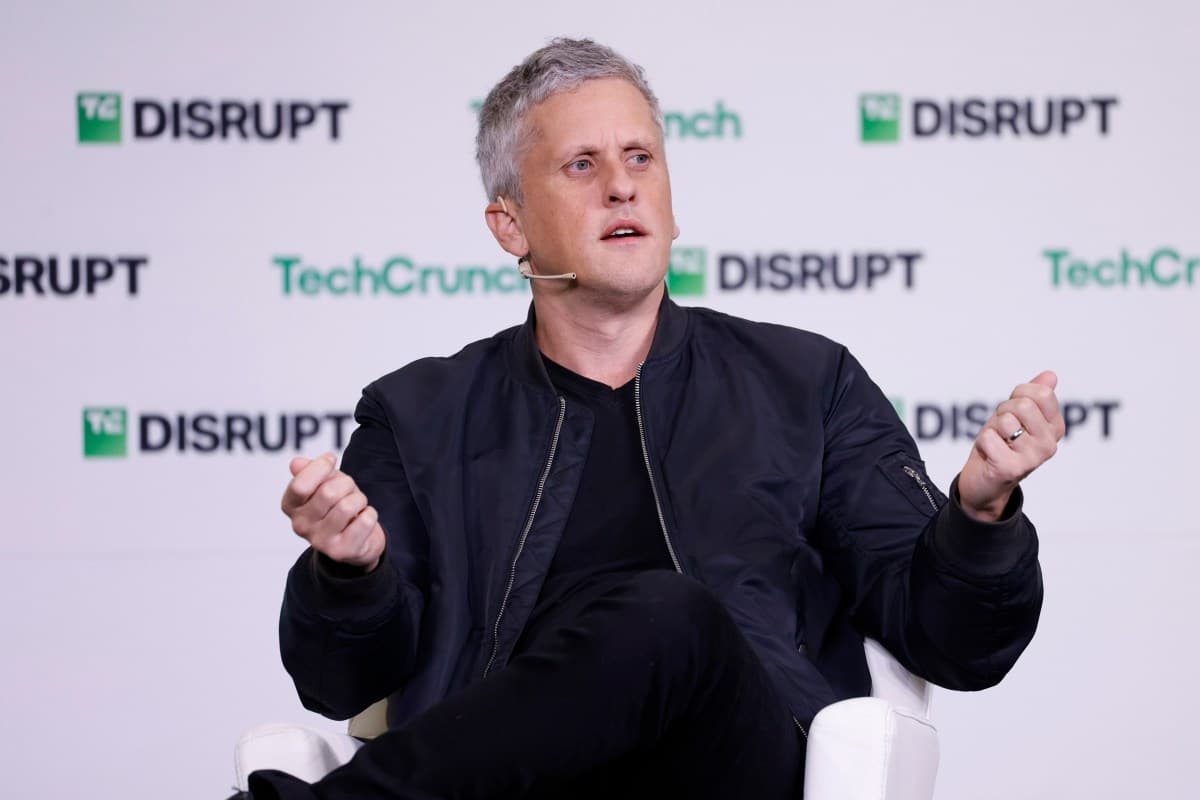
Aaron Levie, the co-founder and CEO of Box, has warned that corporate leaders are making flawed decisions about artificial intelligence replacing human workers. He described a phenomenon he calls 'AI psychosis,' where executives who lack deep knowledge of specific roles assume AI can perform those jobs. Levie made the remarks during a recent interview, pointing to a growing disconnect between management's enthusiasm for automation and the actual complexity of many positions.
Levie argued that the people deciding AI can replace a job are often the least qualified to understand what that job truly entails. He suggested that this mindset leads to premature or misguided layoffs, as companies rush to cut costs by deploying AI tools without fully assessing their limitations. The Box CEO's comments come amid a wave of AI-driven workforce reductions across the technology sector.
ClickUp, a project management software company, recently announced it would cut 22% of its workforce to make room for AI agents. The company stated that the layoffs were part of a strategic shift toward automation, with AI handling tasks previously done by human employees. ClickUp's CEO Zeb Evans said the move was necessary to stay competitive, though critics argue it reflects the very 'psychosis' Levie described.
Data from layoff tracking platforms shows that tech industry job cuts in 2026 are already approaching the total number recorded for the entirety of 2025. Analysts attribute this acceleration to companies aggressively adopting AI technologies, often without clear evidence that the replacements will maintain or improve productivity. The trend has sparked debate about whether executives are overestimating AI's capabilities.
Levie's warning echoes concerns raised by other tech leaders, including OpenAI's Sam Altman and Microsoft's Satya Nadella, who have cautioned against over-reliance on AI. However, Levie's framing of 'AI psychosis' specifically targets decision-makers who lack technical or operational familiarity with the roles they eliminate. He urged companies to conduct thorough assessments before replacing human workers with AI systems.
ClickUp's layoffs are part of a broader pattern in the software industry, where companies are restructuring around AI agents that can automate customer support, data entry, and even some coding tasks. The company said affected employees would receive severance and support, but the move has drawn criticism from labor advocates who argue that AI cannot replicate human judgment in complex workflows.
Levie did not name specific companies beyond ClickUp, but he noted that many organizations are making similar mistakes. He recommended that executives spend time understanding the day-to-day realities of roles they plan to automate, rather than relying on abstract efficiency metrics. 'You can't replace what you don't understand,' Levie said.
As of early 2026, the tech industry has seen over 150,000 layoffs, with AI cited as a primary factor in roughly half of those cases. The trend shows no signs of slowing, with several major firms announcing further cuts tied to AI adoption. Levie's comments serve as a counterpoint to the prevailing narrative that AI will inevitably replace large swaths of the workforce, urging a more measured approach.

ABC Stations Accuse FCC of Punishing Speech in License Renewal Dispute
ABC's eight broadcast TV stations filed early license renewal applications under protest, accusing the FCC of suppressing speech. The FCC ordered the early renewals over allegations that ABC's DEI practices violate anti-discrimination rules.
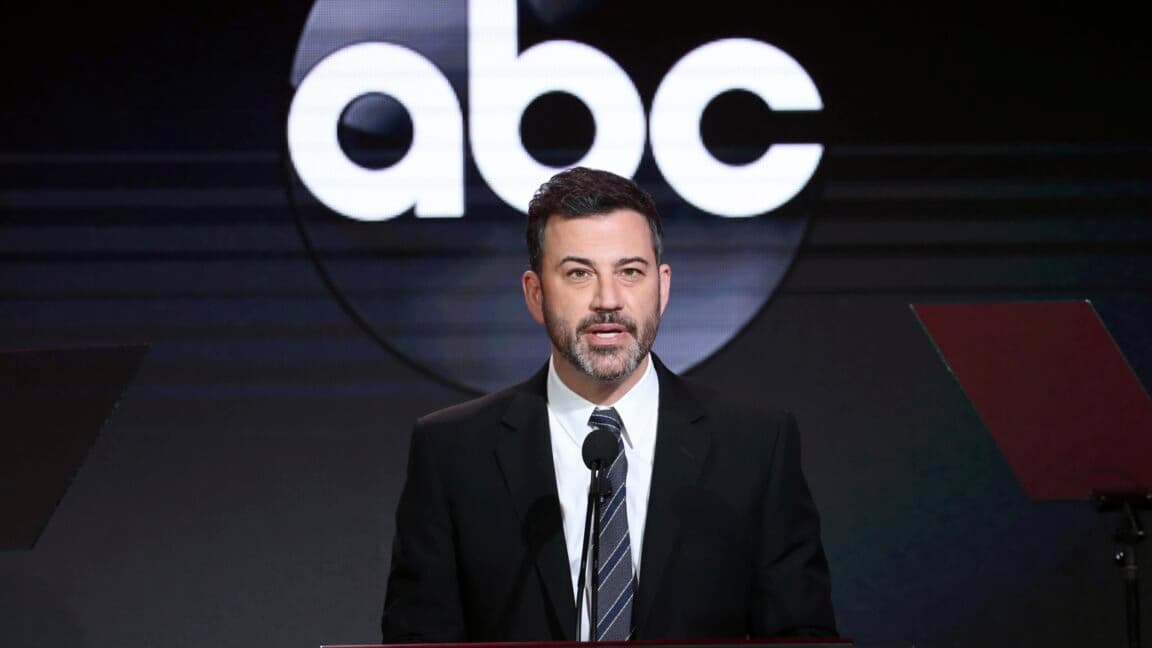
Eight broadcast television stations owned by ABC submitted early license renewal applications under protest yesterday. The stations accused the Federal Communications Commission of attempting to suppress speech through what they described as an unprecedented attack on a single company’s entire portfolio of broadcast licenses.
FCC Chairman Brendan Carr has repeatedly threatened to revoke broadcast licenses from networks that President Trump disfavors. Carr recently ordered Disney-owned ABC to file early license renewal applications for all of its TV stations, citing allegations that the company’s diversity, equity, and inclusion practices violate anti-discrimination rules.
ABC argued in its filings that the only plausible reason for the order is to punish the station for speech the government does not like. The company stated that the FCC is using the license renewal process to penalize a broadcaster for its editorial choices, calling it an extraordinary demonstration of power and coercion directed at disfavored editorial voices.
The dispute centers on the FCC’s authority to review broadcast license renewals. ABC contends that the early renewal requirement is a retaliatory measure aimed at its news coverage and programming decisions, rather than a legitimate regulatory action.
Carr has been vocal about his intention to hold broadcasters accountable for what he views as violations of FCC rules. The chairman’s actions against ABC are part of a broader pattern of targeting media outlets that have drawn criticism from the Trump administration.
ABC’s filings emphasize that the company has complied with all applicable laws and regulations. The stations argue that the FCC’s order lacks legal basis and represents an overreach of regulatory power.
The FCC has not yet responded to ABC’s filings. The case highlights ongoing tensions between the Trump administration and major media organizations over content and regulatory compliance.
ABC’s license renewal applications were filed under protest, preserving the company’s right to challenge the FCC’s action in court. The outcome of this dispute could set a precedent for how the FCC handles license renewals for broadcasters with editorial positions that conflict with government officials.
Samsung Display unveils world's first 4K 360Hz QD-OLED panel
Samsung Display announced the world's first QD-OLED panel with 4K resolution and a 360Hz refresh rate. The new display targets high-end gaming monitors and professional applications.

Samsung Display has introduced a new QD-OLED panel that combines 4K resolution with a 360Hz refresh rate, a first for the technology. The panel is designed for use in premium monitors, particularly aimed at gamers and professionals requiring high refresh rates and sharp image quality. The announcement was made on March 12, 2025, through an official press release.
The new panel leverages Samsung's Quantum Dot OLED technology, which uses quantum dots to enhance color accuracy and brightness. It supports a 4K resolution of 3840 x 2160 pixels and can achieve a refresh rate of up to 360Hz, reducing motion blur and improving responsiveness. The panel also covers 99% of the DCI-P3 color gamut and has a peak brightness of 1,000 nits.
Samsung Display stated that the panel incorporates advanced OLED pixel technology to deliver deep blacks and high contrast ratios. The 360Hz refresh rate is achieved through improved driving circuitry and faster response times, which are critical for competitive gaming. The panel also supports Adaptive-Sync technologies like AMD FreeSync and NVIDIA G-Sync to eliminate screen tearing.
The company plans to begin mass production of the 27-inch and 32-inch versions of the panel in the second quarter of 2025. These panels will be supplied to monitor manufacturers, including Samsung Electronics, Dell, and ASUS, for their upcoming gaming monitors. Pricing for the final products has not been disclosed, but they are expected to be positioned in the premium segment.
Samsung Display highlighted that the new panel is part of its strategy to lead the high-end monitor market. The company has been expanding its QD-OLED lineup, which already includes 34-inch and 49-inch ultrawide panels. The 4K 360Hz variant is expected to compete with LG Display's OLED panels and Mini-LED alternatives.
Industry analysts note that the combination of 4K resolution and 360Hz refresh rate addresses a growing demand for high-performance displays among esports enthusiasts and content creators. The panel's fast response time and wide color gamut make it suitable for both gaming and professional color-critical work.
Samsung Display will showcase the new panel at the upcoming Display Week 2025 event in May. The company expects the first monitors featuring the panel to hit the market in the third quarter of 2025. Specific product announcements from partner brands are anticipated in the coming months.
"This panel represents a significant milestone in display technology, offering both stunning detail and ultra-smooth motion," a Samsung Display representative said in the press release. The company aims to ship over 1 million QD-OLED panels in 2025, driven by demand for high-refresh-rate monitors.