
Dell launches 14S and 16S laptops as successors to Plus lineup
Dell has introduced the 14S and 16S laptops, replacing its previous Plus models. The devices are now available with prices starting at $1,270.
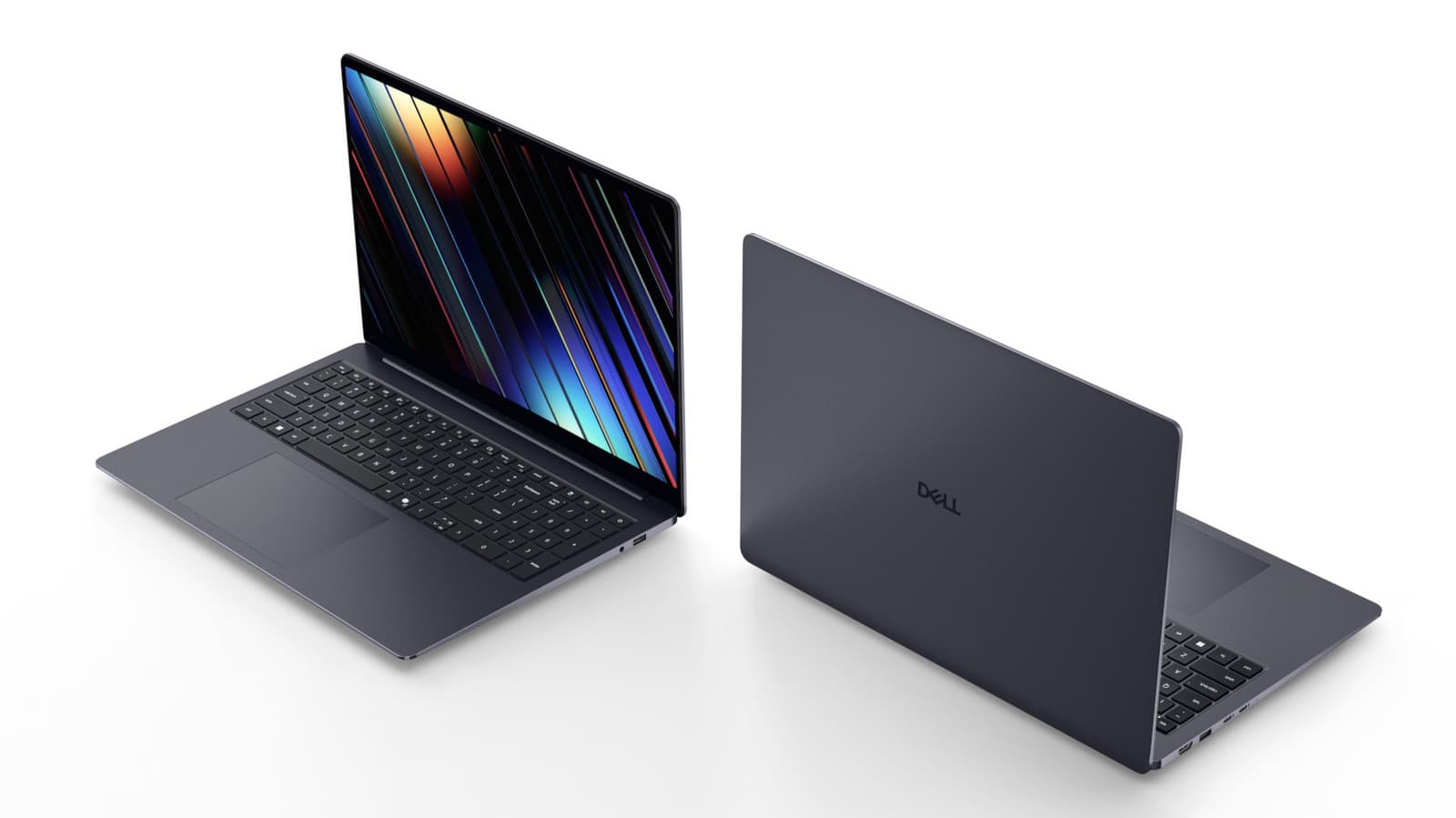
Dell has unveiled the 14S and 16S laptops, which serve as the direct replacements for its earlier Plus series. The new models are now available for purchase, with pricing beginning at $1,270. These laptops target users seeking a balance between performance and portability.
The 14S features a 14-inch display, while the 16S comes with a 16-inch screen. Both models are equipped with Intel's latest processors and offer options for discrete graphics. Dell has focused on improving thermal management and battery life in these iterations.
Key specifications include up to 32GB of RAM and 1TB of SSD storage. The laptops also feature a full HD webcam with a privacy shutter and dual-array microphones. Connectivity options include Thunderbolt 4 ports, USB-A, HDMI, and a headphone jack.
Dell has redesigned the chassis for a more premium feel, with a magnesium alloy construction. The 14S weighs approximately 3.2 pounds, while the 16S comes in at around 4.1 pounds. Both models support Wi-Fi 6E and Bluetooth 5.2.
The 14S and 16S are aimed at professionals and students who need reliable performance for productivity tasks. Dell positions them as versatile machines suitable for both work and entertainment. The company has also emphasized sustainability, using recycled materials in the packaging.
Pricing for the Dell 14S starts at $1,270, while the 16S begins at $1,370. Both models are available now through Dell's official website and select retailers. Customers can configure the laptops with various processor, memory, and storage options.
Dell has not announced any immediate plans for additional configurations or regional availability beyond the initial launch. The company expects the 14S and 16S to appeal to users upgrading from older Dell models or seeking a modern alternative to the Plus series.
Alienware launches entry-level gaming laptop starting at $1,299
Alienware has introduced its most affordable gaming laptop, the Alienware 15, with prices starting at $1,299 for AMD configurations and $1,349 for Intel models. The new laptop aims to make the brand's premium gaming experience more accessible.
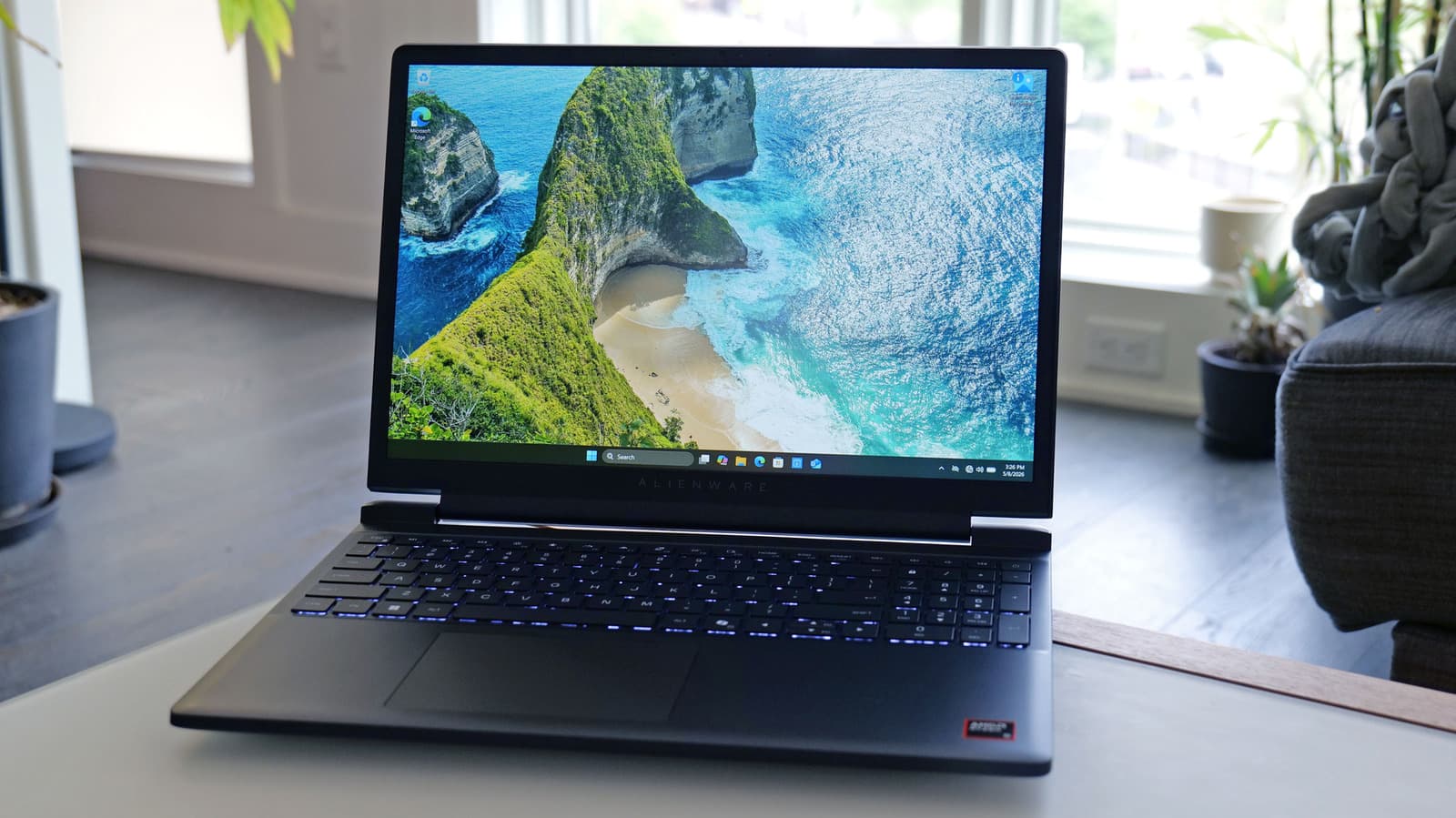
Alienware has unveiled a new entry-level gaming laptop, the Alienware 15, with a starting price of $1,299. The device is available in two configurations: one powered by an AMD processor and another with an Intel chip, priced at $1,349. This marks the company's most affordable gaming laptop to date, broadening its reach to a wider audience.
The Alienware 15 features a 15.6-inch display with options for 1080p or 4K resolution. Buyers can choose between AMD Ryzen 5000 H-series or Intel 11th Gen H-series processors, paired with NVIDIA GeForce RTX 30-series graphics. Memory options range from 8GB to 32GB of DDR4 RAM, and storage includes up to 1TB SSD.
The laptop's design incorporates Alienware's signature Legend 2.0 aesthetic, with a dark side of the moon color scheme. It includes a full-size keyboard with per-key RGB lighting and a 720p webcam. The chassis is made of magnesium alloy and plastic, keeping weight at around 5.5 pounds.
Connectivity options include two USB 3.2 Gen 1 ports, one USB 3.2 Gen 2 port, one Thunderbolt 4 port (on Intel models), HDMI 2.1, a mini DisplayPort, an Ethernet jack, and a headphone/microphone combo jack. The laptop also supports Wi-Fi 6 and Bluetooth 5.2.
Alienware claims the laptop's battery lasts up to 8 hours on a single charge, though real-world usage may vary. The device uses a 180W or 240W power adapter depending on the configuration. The cooling system employs dual fans and four heat pipes to manage thermal performance.
The Alienware 15 is available for preorder starting today on Dell's website. The AMD model starts at $1,299, while the Intel version begins at $1,349. Both configurations are expected to ship in early February. This launch positions Alienware to compete with other budget gaming laptops from brands like ASUS and MSI.

AMD to Extend FSR 4.1 Upscaling Support to Older RDNA 3 GPUs in July
AMD announced that its next-generation FSR 4.1 upscaling technology will be available on older RDNA 3 GPUs starting this July. The feature will be compatible with over 300 games at launch.

AMD revealed plans to bring its upcoming FSR 4.1 upscaling technology to older RDNA 3 graphics cards. The company confirmed the news during a recent presentation, stating that RDNA 3 players will gain access to the feature starting in July. The rollout will encompass more than 300 games at launch.
FSR 4.1 represents the latest iteration of AMD's FidelityFX Super Resolution technology. The upscaling solution aims to boost frame rates and image quality in supported titles. AMD has not yet disclosed specific performance metrics or architectural changes compared to previous versions.
The decision to extend support to RDNA 3 GPUs marks a shift from the initial assumption that FSR 4.1 would be exclusive to newer RDNA 4 hardware. AMD's move broadens the potential user base for the technology, which competes with NVIDIA's DLSS and Intel's XeSS.
RDNA 3-based graphics cards include the Radeon RX 7000 series, launched in late 2022. These GPUs feature AMD's chiplet design and improved ray tracing capabilities. The addition of FSR 4.1 could extend the longevity of these cards for gamers seeking higher performance.
AMD emphasized that FSR 4.1 will be available across a wide library of games from the outset. The company did not provide a full list of supported titles but indicated that major releases and popular multiplayer games would be included. Developers can integrate the technology through AMD's GPUOpen platform.
The July release timeline aligns with AMD's typical software update cadence. The company often rolls out major driver and feature updates during the summer months. FSR 4.1 is expected to be bundled with the Adrenalin driver package.
Pricing for FSR 4.1 remains unchanged as it is a free technology for both developers and end users. AMD confirmed that no additional hardware requirements beyond a compatible RDNA 3 GPU are necessary. The feature will be enabled through driver-level updates rather than game-specific patches.
AMD's announcement positions FSR 4.1 as a key differentiator for its GPU ecosystem. The company stated that the technology will continue to evolve with future updates. Gamers with RDNA 3 cards can expect to start using FSR 4.1 in over 300 games this July.

Google Tests 5GB Free Storage Cap for New Accounts Without Phone Number
Google is testing a policy in select regions where new accounts receive only 5GB of free storage unless a phone number is linked. The change could affect users who previously received 15GB of free storage across Google services.
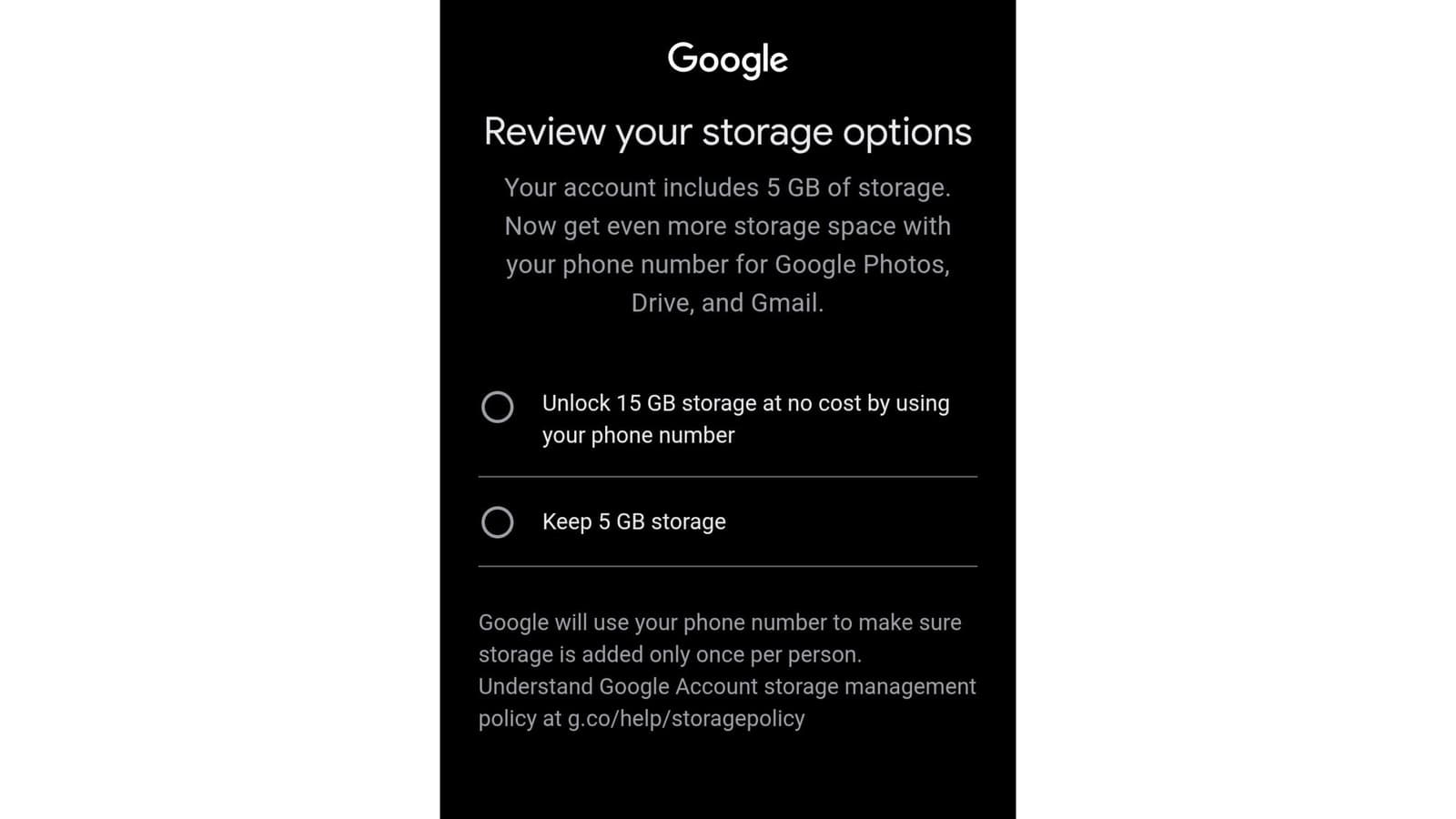
Google has begun testing a new storage policy for account creation in certain regions. New users who do not link a phone number during sign-up may receive only 5GB of free storage instead of the standard 15GB. The company describes the initiative as a regional test, though it has not disclosed which specific markets are involved.
The reduced storage allocation applies to the combined space used by Gmail, Google Drive, and Google Photos. Users who provide a phone number during registration would still receive the full 15GB of complimentary storage. Google has not confirmed whether this policy will eventually roll out globally or remain limited to the test regions.
This change marks a significant departure from Google's long-standing free storage offering. Since 2012, new accounts have received 15GB of storage at no cost, a figure that has remained unchanged even as competitors like Microsoft and Apple have adjusted their free tiers. The test suggests Google may be exploring ways to reduce storage costs or encourage account verification.
Linking a phone number to a Google account has been optional for most users, though it is required for certain features like two-factor authentication. The new policy could incentivize users to provide their phone numbers, which Google may use for account security or targeted advertising purposes. Privacy advocates have raised concerns about the potential for increased data collection.
Google has not provided a timeline for the test or indicated whether existing accounts will be affected. The company stated that it regularly experiments with new features and policies to improve user experience. It remains unclear how the test will influence the company's long-term storage strategy.
Users in the test regions who create an account without a phone number will see a notification about the reduced storage limit. They can upgrade to the full 15GB at any time by adding a phone number to their account. Google has not announced any changes to paid storage plans, which start at $1.99 per month for 100GB.
The test comes as Google faces increasing competition from cloud storage providers like Dropbox and iCloud, which offer similar free tiers. It also follows Google's decision to end free unlimited photo storage in 2021, a move that pushed many users toward paid plans. The company has been gradually tightening its free storage offerings over the past few years.
Google has not confirmed whether the test will expand beyond the initial regions. The company said it will evaluate user feedback and data before making any permanent changes. For now, new users in affected areas must decide whether to provide a phone number or accept the reduced storage limit.
Google I/O 2026 Kicks Off with AI-Focused Announcements
Google I/O 2026 began this week, with the keynote heavily centered on artificial intelligence. The company unveiled new AI features across its product lineup, including updates to Google Assistant and Search.
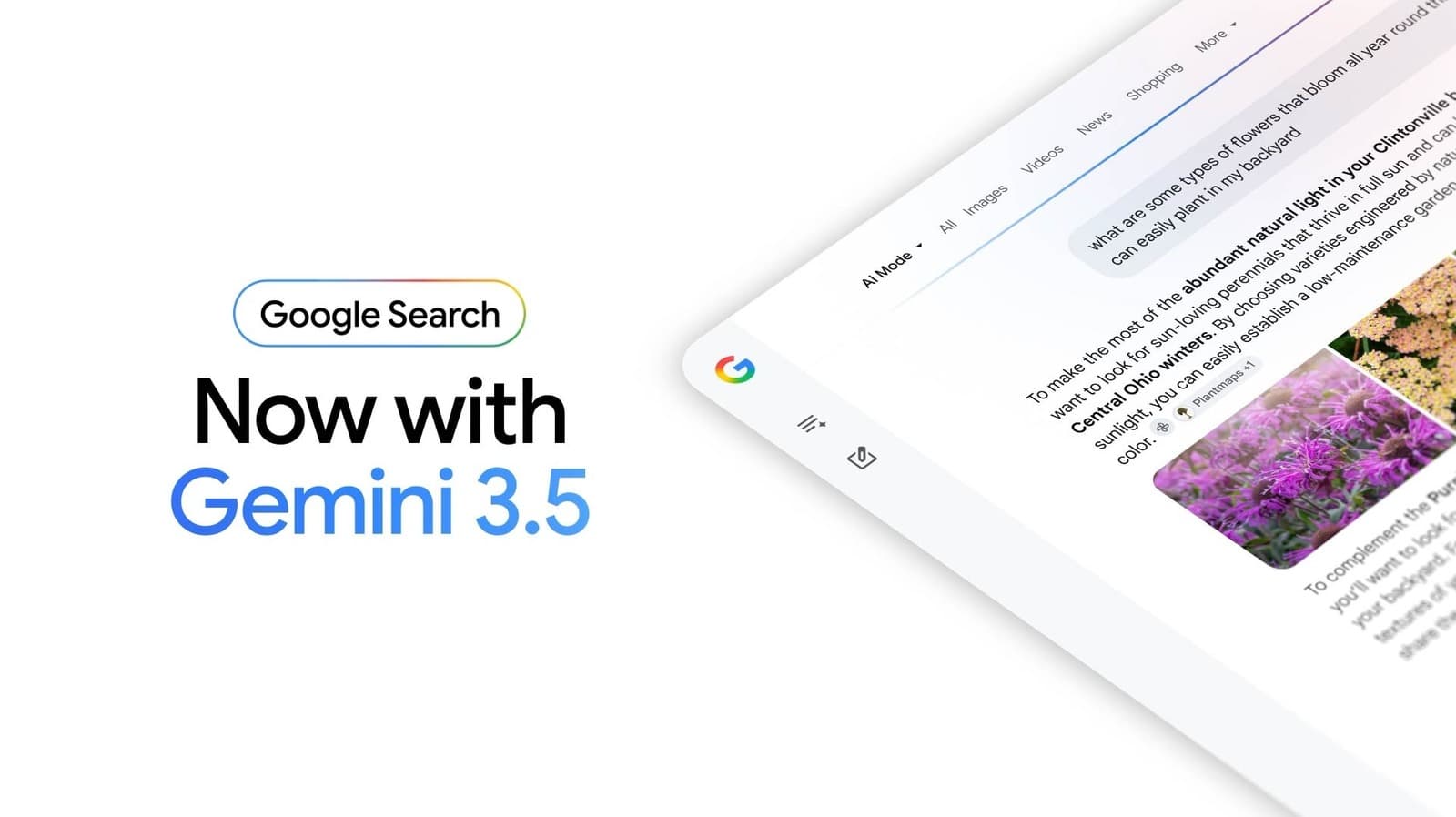
Google I/O 2026 commenced this week, and as anticipated, the event was dominated by artificial intelligence. The keynote presentation, held at the Shoreline Amphitheatre in Mountain View, California, featured a series of announcements centered on AI integration across Google's ecosystem.
Google introduced an upgraded version of Google Assistant, now powered by a new large language model. The assistant can handle more complex, multi-step tasks and maintain context over longer conversations. A demonstration showed the assistant booking a restaurant reservation, adding a calendar event, and sending a message to a contact in a single request.
Search received a significant update with the integration of generative AI. Users can now ask open-ended questions and receive synthesized answers from multiple sources, presented in a conversational format. Google emphasized that this feature aims to provide more comprehensive responses while still citing sources for transparency.
The company also unveiled new AI tools for developers, including a beta version of its generative AI API. This API allows developers to build applications that can generate text, images, and code. Google highlighted use cases such as automated content creation and code assistance.
In the hardware segment, Google announced the Pixel 9a, a mid-range smartphone with AI-enhanced camera features. The device includes a new Magic Editor tool that can remove objects and fill in backgrounds using generative AI. The Pixel 9a is priced at $499 and will be available in June.
Google also showcased Project Starline, an immersive video conferencing system that uses AI to create a 3D holographic effect. The company plans to roll out Starline to select enterprise partners later this year, with a consumer version expected in 2027.
On the sustainability front, Google committed to using AI to optimize energy consumption in its data centers. The company reported a 30% reduction in cooling energy through AI-driven management, contributing to its goal of operating on 24/7 carbon-free energy by 2030.
Google I/O 2026 continues through Friday, with additional sessions focused on machine learning, cloud computing, and developer tools. The company's emphasis on AI reflects its strategy to embed artificial intelligence across all products and services.