Eric Schmidt Booed at University of Arizona Graduation Over AI Job Automation Remarks
Former Google CEO Eric Schmidt was met with boos and shouts from University of Arizona graduates during his 2026 commencement speech after discussing AI and job automation. The incident highlights growing tensions between tech leaders and students concerned about the future of work.

Former Google chief executive Eric Schmidt faced a hostile reception at the University of Arizona's 2026 commencement ceremony, where students booed and shouted during his address on artificial intelligence and job automation. The billionaire tech mogul was invited to deliver the keynote speech but quickly lost the audience when he touched on the potential for AI to replace certain jobs. Graduates expressed their frustration with audible jeers, forcing Schmidt to pause several times before attempting to continue his remarks.
Schmidt's speech focused on the transformative power of AI, urging graduates to embrace technology as a tool for innovation rather than fear it. He argued that automation would create new opportunities even as it displaced some traditional roles, a message that clearly did not resonate with many in the audience. The former Google CEO, who led the company from 2001 to 2011, has been a vocal advocate for AI development and has invested heavily in the field through his philanthropic work.
The incident reflects a broader societal unease about the rapid advancement of AI and its impact on employment. Many students, particularly those graduating in fields like humanities and social sciences, worry that automation will render their degrees less valuable. The University of Arizona, a large public research institution, has a significant number of students from diverse backgrounds, some of whom may feel particularly vulnerable to economic disruption.
Comparisons have been drawn to other recent protests at tech-related events, such as the backlash against Meta's metaverse plans and Amazon's warehouse automation. However, the direct confrontation at a graduation ceremony is relatively rare, signaling a shift in how younger generations view tech leaders. Schmidt, who is worth an estimated $25 billion, represents a tech elite that many students see as out of touch with their concerns.
For the students present, the moment was a powerful statement about their fears for the future. Some attendees later told local media that they felt Schmidt's comments minimized the real struggles of finding stable employment in an increasingly automated economy. Others noted that the booing was not personal but a protest against the narrative that AI is an unalloyed good.
The University of Arizona has not commented on the incident, and Schmidt's representatives have declined to respond. The event is likely to fuel further debate about the role of AI in society and the responsibility of tech leaders when addressing public audiences. It also raises questions about whether universities will reconsider inviting prominent tech figures to speak at future ceremonies.
As AI continues to evolve, such clashes between technologists and the public may become more common. Schmidt's experience at the University of Arizona serves as a cautionary tale for other executives who might underestimate the depth of anxiety surrounding automation. For now, the incident stands as a vivid example of the growing divide between Silicon Valley optimism and the real-world concerns of the workforce.
AI Boom Sparks State-Level Battles Over Rising Utility Profits
As electricity costs climb due to AI-driven demand, states like Pennsylvania are scrutinizing utility profits. Governors and attorneys general are pushing for ratepayer protections amid record earnings for power companies.

The rapid expansion of artificial intelligence infrastructure is fueling disputes across several U.S. states over the swelling profits of electric utilities. In Pennsylvania, Governor Josh Shapiro and Attorney General Michelle Henry have joined forces to challenge what they call excessive earnings by regional power providers, arguing that ratepayers should not bear the burden of AI's energy appetite. The conflict highlights a growing tension between technological progress and consumer protection as data centers and AI models consume ever more electricity.
At the heart of the debate are utilities like PPL Electric Utilities and FirstEnergy, which have reported double-digit profit increases tied to surging demand from AI data centers. These facilities require massive, round-the-clock power to run servers and cooling systems, straining local grids and driving up wholesale electricity prices. Critics contend that utilities are leveraging this demand to justify rate hikes that far exceed their actual costs, padding shareholder returns at the expense of households and small businesses.
Pennsylvania's Public Utility Commission has opened an investigation into whether utility profits are "unjust and unreasonable" under state law, a move that could lead to refunds for customers. Similar probes are underway in Virginia, Ohio, and Texas, where AI data centers have proliferated. In Virginia, home to the world's largest concentration of data centers, lawmakers are considering legislation to cap utility returns on equity, while Ohio's attorney general has filed a formal complaint against AEP Ohio for alleged overearnings.
The pushback marks a shift from previous years when utilities were often praised for investing in grid upgrades and renewable energy. Now, with AI driving a projected 160% increase in data center power demand by 2030, regulators are questioning whether the industry's profit model is fair. "We're seeing utilities use AI as a blank check to raise rates," said a consumer advocate from the Pennsylvania Office of Consumer Advocate. "But there's no guarantee those profits will be reinvested in reliability or clean energy."
For typical households, the impact is already visible. Monthly electric bills in Pennsylvania have risen an average of 18% over the past two years, with utilities attributing the increases to grid modernization and higher fuel costs. However, state audits suggest that a significant portion of those hikes correlates directly with data center interconnection fees and capacity payments, which utilities then factor into residential rates. Low-income families are particularly vulnerable, with some facing disconnection notices as bills climb faster than wages.
The battle extends beyond Pennsylvania. In California, where AI companies like OpenAI and Google are based, utilities have proposed rate structures that would shift more costs onto residential customers while offering discounts to large industrial users. Consumer groups have filed protests, arguing that such policies subsidize AI at the expense of equity. Meanwhile, in Georgia, a proposed 12% rate hike by Georgia Power to support a new Meta data center has sparked public hearings and legislative scrutiny.
Looking ahead, the outcomes of these state-level fights could set precedents for how AI's energy costs are distributed. The Federal Energy Regulatory Commission has signaled it may weigh in on interstate transmission pricing, but for now, the action is in state capitals. Utility executives warn that capping profits could deter investment in needed grid upgrades, but regulators counter that transparency and accountability are long overdue. As one Pennsylvania commissioner put it, "We can have both innovation and fairness—but only if we demand it."
Apple’s Siri Revamp to Feature Auto-Deleting Chats for Enhanced Privacy
Apple is reportedly planning a major Siri overhaul that includes an auto-delete feature for chat histories to bolster user privacy. The update is expected to be unveiled at the upcoming WWDC, positioning Apple's voice assistant as a more privacy-focused alternative to competitors.
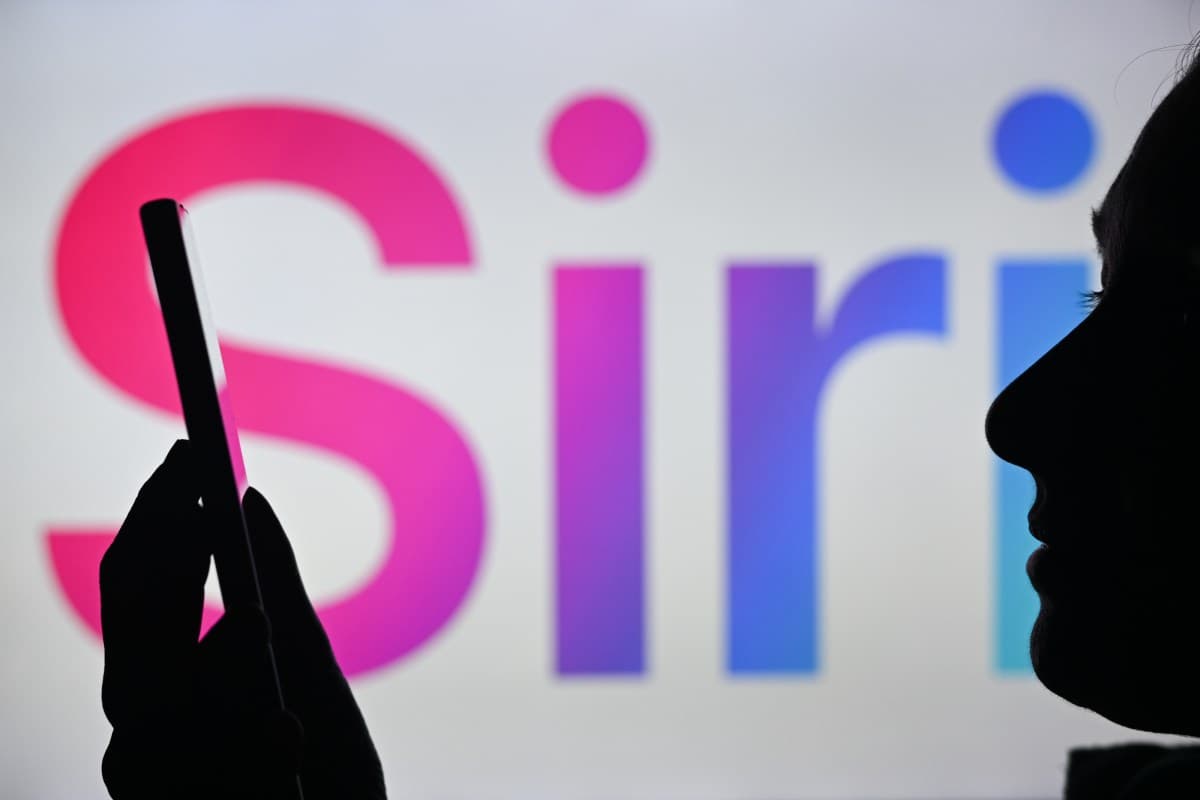
Apple is preparing to unveil a significant revamp of its voice assistant Siri, with a focus on privacy enhancements that could include an automatic deletion feature for chat histories. The update is expected to be announced at the Worldwide Developers Conference (WWDC) in June, marking one of the most substantial overhauls to Siri since its debut in 2011. The move aligns with Apple's long-standing emphasis on user privacy as a key differentiator from rivals like Google and Amazon.
According to sources familiar with the matter, the new Siri will offer users the option to have their conversations automatically deleted after a set period, such as 30 days or immediately after each session. This feature would be similar to the auto-delete options already available in Apple's Messages and FaceTime apps. Additionally, Apple is reportedly developing on-device processing for more Siri requests, reducing the need to send data to Apple's servers and further enhancing privacy.
The revamp is part of a broader push by Apple to integrate more advanced AI capabilities into Siri while maintaining strict privacy standards. The company has been working on improving Siri's natural language understanding and contextual awareness, potentially allowing the assistant to handle more complex tasks without compromising user data. This approach contrasts with competitors like Google Assistant and Amazon Alexa, which rely heavily on cloud-based processing.
Apple's focus on privacy comes amid increasing scrutiny of how tech companies handle user data. By offering auto-deleting chats and on-device processing, Apple aims to differentiate Siri as a voice assistant that respects user privacy by default. This strategy could appeal to privacy-conscious consumers who are wary of having their conversations stored indefinitely by cloud-based assistants.
The auto-delete feature is expected to be optional, giving users control over their data retention preferences. It will likely be integrated into Siri's settings, allowing users to choose between keeping chat histories for improved personalization or having them automatically erased for maximum privacy. This flexibility could help Apple cater to both users who value personalized experiences and those who prioritize privacy above all else.
The updated Siri is expected to roll out with iOS 18, iPadOS 18, and macOS 15 later this year. It will be available on all devices that support these operating systems, including iPhones, iPads, and Macs. While no pricing is involved, the feature will be part of a free software update. Apple is also expected to announce new developer tools that allow third-party apps to integrate with Siri's privacy features.
Despite the promising developments, some details remain unclear, such as the exact duration options for auto-deletion and whether the feature will apply to all Siri interactions or only certain types. Apple may also face challenges in balancing privacy with functionality, as on-device processing could limit Siri's ability to handle complex queries that require cloud resources. The company is expected to provide more specifics at WWDC, including a timeline for the rollout and any additional privacy-focused enhancements.
Trust Takes Center Stage in Musk-OpenAI Legal Battle
In the final days of the Elon Musk-OpenAI trial, the central question has become whether OpenAI CEO Sam Altman is trustworthy. The trial's outcome could have significant implications for the future of AI governance and corporate accountability.

The closing arguments of the high-stakes legal battle between Elon Musk and OpenAI have zeroed in on a fundamental question: Can Sam Altman, the CEO of OpenAI, be trusted? The trial, which has captivated the tech world, is nearing its conclusion, and the issue of trust has emerged as the linchpin of Musk's case. Musk, a co-founder of OpenAI, is suing the organization, alleging that it has strayed from its original nonprofit mission and that Altman has misled the public and investors.
At the heart of the dispute is Musk's claim that OpenAI, under Altman's leadership, has prioritized profit over safety and transparency. Musk's legal team has presented evidence suggesting that Altman made promises about OpenAI's commitment to open-source AI development that were later abandoned. The defense, however, argues that OpenAI has always been transparent about its evolving strategy and that Altman has acted in the best interests of the company and its mission.
The trial has revealed internal emails and communications that paint a complex picture of the relationship between Musk and Altman. Musk, who left OpenAI's board in 2018, has accused Altman of creating a culture of secrecy and of making decisions that prioritize commercial success over ethical considerations. Altman, in turn, has defended OpenAI's record, pointing to its safety protocols and its commitment to responsible AI development.
Legal experts note that the outcome of the trial could set a precedent for how AI companies are held accountable for their stated missions. If Musk prevails, it could force OpenAI to restructure its governance or face increased scrutiny. Conversely, a win for OpenAI could embolden other AI firms to pursue profit without fear of legal repercussions.
The trial has also sparked broader debates about the role of trust in the AI industry. As AI systems become more powerful, the public's trust in the companies developing them is crucial. The case highlights the tension between the idealistic goals of AI research and the commercial realities of running a successful enterprise.
For users and investors, the trial's outcome could have practical implications. A ruling against OpenAI might lead to changes in how the company handles data privacy, model transparency, and safety testing. It could also affect partnerships with other tech giants and the deployment of AI products like ChatGPT.
As the trial enters its final phase, both sides are preparing for a verdict that could reshape the AI landscape. The judge is expected to rule within the next few weeks, and the decision will be closely watched by the tech industry, regulators, and the public. Regardless of the outcome, the trial has already underscored the critical importance of trust in the age of artificial intelligence.
Why trust is a big question at the Elon Musk-OpenAI trial
This development in Technology News signals new momentum in the technology agenda.

Why trust is a big question at the Elon Musk-OpenAI trial has become a significant development in the technology sector. This advancement signals new momentum in the teknoloji haberleri space and carries important implications for both consumers and industry players.
The technical details surrounding this announcement suggest a deliberate strategy aimed at capturing market share while addressing existing user pain points. Industry analysts note that the timing of this release aligns with broader shifts in how technology is adopted at scale.
From a competitive standpoint, this move places additional pressure on established players who have dominated the segment for years. The introduction of these features could force rivals to accelerate their own roadmaps or risk losing relevance in an increasingly crowded marketplace.
Consumer reactions have been mixed but generally positive, with early adopters highlighting the practical benefits over marketing promises. The focus appears to be on solving real problems rather than introducing novelty for its own sake.
Looking at the broader ecosystem, this development may trigger ripple effects across adjacent categories. Partnerships, supply chains, and developer communities are all likely to feel the impact as adoption scales.
Whether this represents a lasting shift or a temporary market reaction will depend on execution quality and sustained innovation in the coming quarters.}