Federal court rejects Elon Musk's claims against Open AI, saying he filed his lawsuit too late
A federal court dismissed Elon Musk's lawsuit against OpenAI and its executives, ruling that he filed too late. Musk had accused them of abandoning a nonprofit mission to develop AI for humanity's benefit.
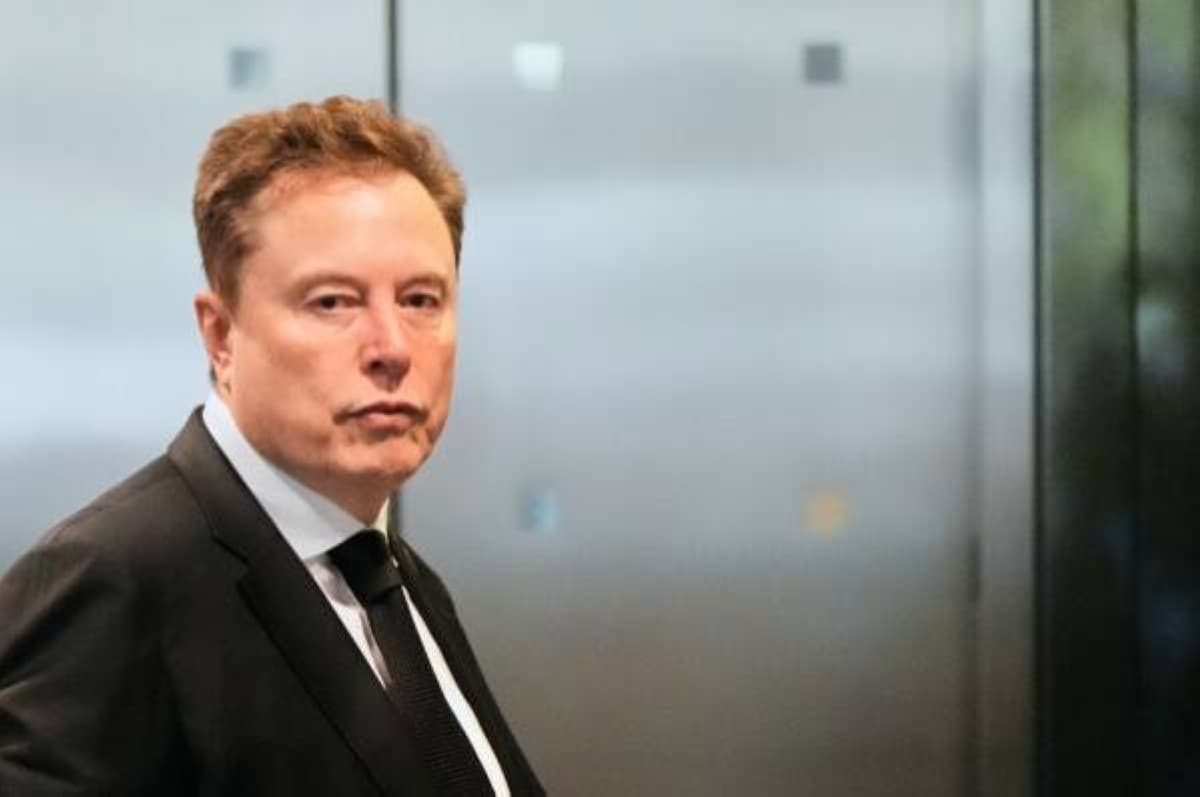
OAKLAND, California — A federal court on Monday dismissed claims filed against OpenAI and its top executives by Elon Musk, who accused them of betraying a shared vision for it to remain a nonprofit dedicated to guiding artificial intelligence’s development for the good of humanity. The court ruled that Musk filed his lawsuit too late, effectively ending the legal challenge. Musk had sought to enforce an alleged agreement that OpenAI would remain a nonprofit, but the judge found no evidence of a binding contract.
The lawsuit, filed earlier this year, alleged that OpenAI and its CEO Sam Altman had abandoned the original mission when the company shifted to a for-profit model. Musk, a co-founder of OpenAI, claimed the move violated the founding principles. The court, however, determined that Musk's claims were not timely, as the alleged breach occurred years ago. The judge noted that Musk had waited too long to bring the case, undermining his argument.
OpenAI was founded in 2015 as a nonprofit research lab with a mission to develop artificial general intelligence (AGI) safely and for the benefit of all. Musk was an early investor and board member but left in 2018. The company later restructured, creating a for-profit arm to attract investment, which Musk argued contradicted its original purpose. The court did not address the merits of the breach of contract claim, focusing instead on the statute of limitations.
Musk's legal team argued that the alleged breach was ongoing, as OpenAI continued to operate as a for-profit entity. The judge disagreed, stating that the key events occurred in 2019 when OpenAI transitioned to a capped-profit model. Since Musk filed his lawsuit in 2024, the court found the claims were time-barred. The ruling effectively shuts down Musk's attempt to force OpenAI back to a nonprofit structure.
The decision is a significant win for OpenAI, which has faced increasing scrutiny over its governance and profit motives. The company has raised billions of dollars from investors like Microsoft, fueling concerns about its commitment to safety and transparency. Musk, who now runs his own AI company xAI, has been a vocal critic of OpenAI's direction, warning about the risks of profit-driven AI development.
OpenAI responded to the dismissal, stating that the court correctly recognized the lawsuit lacked merit. The company reiterated its commitment to its mission, noting that it continues to prioritize safety research while pursuing commercial opportunities. Musk has not indicated whether he will appeal the ruling, but his legal team suggested they are considering options.
The case highlights ongoing tensions in the AI industry over the balance between profit and public benefit. As AI technologies advance, debates about governance, safety, and corporate responsibility are likely to intensify. For now, the court's decision allows OpenAI to proceed with its current structure without legal interference from Musk.
The dismissal was issued by the U.S. District Court for the Northern District of California on Monday. No further hearings are scheduled. OpenAI's next major product release, GPT-5, is expected later this year.
Eric Schmidt Booed at University of Arizona After AI Remarks
Former Google CEO Eric Schmidt was booed by University of Arizona graduates during a commencement speech after comments about artificial intelligence. The incident occurred as Schmidt discussed the potential of AI.
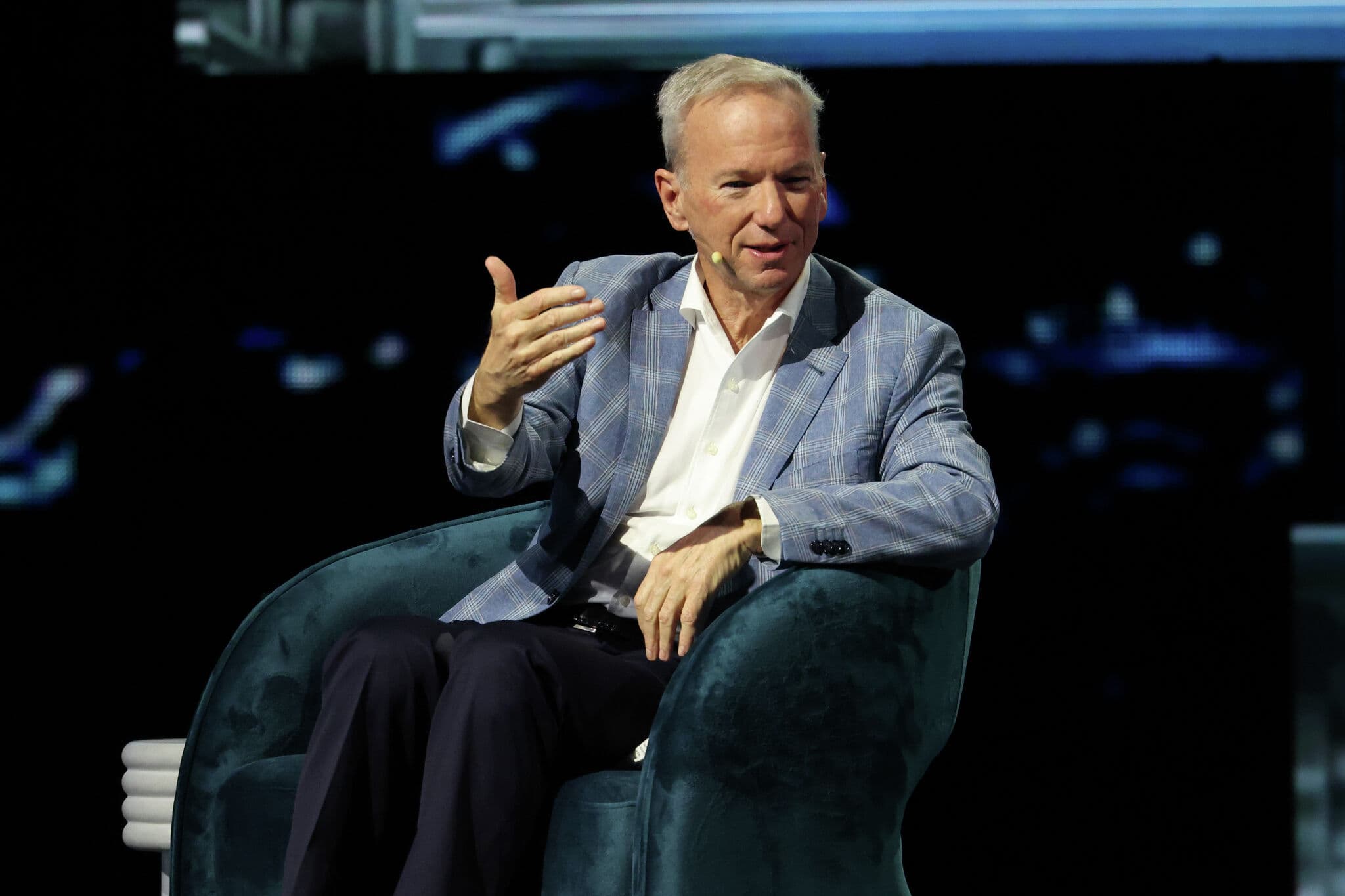
Eric Schmidt, the former chief executive of Google, faced an unfriendly reception at the University of Arizona's graduation ceremony. The billionaire was met with boos from the graduating class after making remarks about artificial intelligence. The incident took place during his commencement address at the university.
Schmidt, who led Google from 2001 to 2011, spoke about the transformative power of AI during his speech. He suggested that AI could revolutionize various industries and daily life. However, his comments did not sit well with the audience, who expressed their disapproval audibly.
The booing began after Schmidt made a statement that some graduates interpreted as dismissive of their concerns. The exact wording that triggered the reaction has not been fully detailed, but it centered on his vision for AI's future. The crowd's response was loud enough to interrupt the speech momentarily.
Schmidt paused briefly after the boos but continued with his address. He did not directly acknowledge the disruption or alter his remarks. The university has not issued an official statement regarding the incident.
This is not the first time Schmidt has stirred controversy with his comments on technology. He has previously made headlines for statements on privacy, data collection, and the role of tech giants. The graduation speech incident adds to a series of public reactions to his views.
The University of Arizona graduation took place on May 12, 2024. Schmidt was invited as the keynote speaker for the ceremony. The event was held at the Arizona Stadium in Tucson.
Schmidt's speech covered a range of topics beyond AI, including entrepreneurship and the importance of education. However, the AI remarks dominated the aftermath of the event. Social media clips of the booing have circulated widely.
The reaction from the graduates highlights growing skepticism about AI among younger generations. Concerns about job displacement, ethics, and privacy have fueled public debate. Schmidt's comments may have inadvertently amplified these anxieties.
As of now, neither Schmidt nor the University of Arizona has provided further comment on the incident. The university's commencement office confirmed the event took place as scheduled.

Jury Rules Against Elon Musk in Legal Dispute with OpenAI
A federal jury ruled against Elon Musk in his legal feud with OpenAI, rejecting claims that the company and its executives betrayed a shared vision for AI development. The case centered on Musk's allegations that OpenAI abandoned its nonprofit mission.
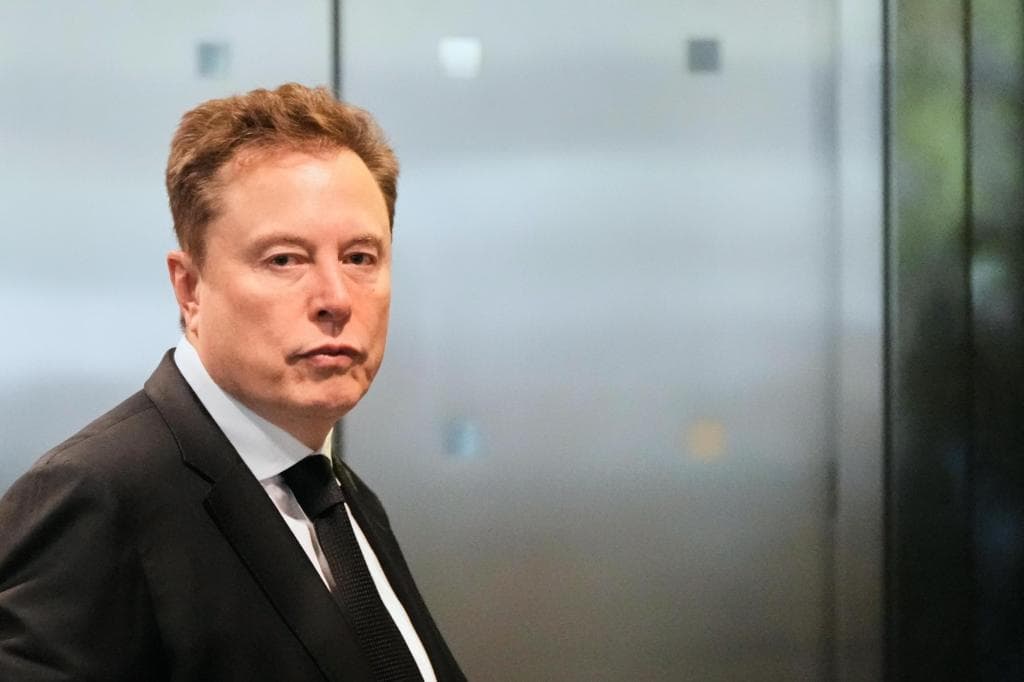
A federal jury has delivered a verdict against Elon Musk in his legal dispute with OpenAI, siding with the artificial intelligence company and its top executives. The case centered on Musk's accusations that OpenAI and its leadership betrayed a shared vision for guiding artificial intelligence's development as a nonprofit dedicated to humanity's benefit.
Musk, a co-founder of OpenAI who left the company in 2018, had alleged that the organization abandoned its original nonprofit mission by transitioning to a for-profit structure and entering into a partnership with Microsoft. The lawsuit claimed that OpenAI's executives, including CEO Sam Altman, breached their fiduciary duties and engaged in unfair business practices.
The jury, however, rejected these claims after hearing evidence presented over several weeks. The court found that OpenAI had not violated any agreements or acted improperly in its shift toward a for-profit model. The verdict represents a significant legal victory for OpenAI and its leadership.
OpenAI was founded in 2015 as a nonprofit research lab with a mission to develop artificial intelligence that benefits all of humanity. Musk was an early investor and board member but left the organization amid disagreements over its direction. In 2019, OpenAI created a for-profit subsidiary to attract investment, including a $1 billion commitment from Microsoft.
Musk's legal team argued that this restructuring represented a fundamental betrayal of the original nonprofit ethos. They contended that OpenAI's partnership with Microsoft prioritized commercial interests over public benefit. The defense countered that the for-profit arm was necessary to secure the massive funding required for advanced AI research.
During the trial, testimony from OpenAI executives emphasized that the company's mission remained unchanged despite the structural changes. They argued that the for-profit entity allowed OpenAI to compete with tech giants while still maintaining a commitment to safety and transparency. The jury ultimately found these arguments persuasive.
The verdict does not include any financial penalties or injunctions against OpenAI. Musk has not indicated whether he plans to appeal the decision. Legal experts note that the case highlighted ongoing tensions in the AI industry between nonprofit ideals and the financial realities of cutting-edge research.
OpenAI released a statement following the verdict, expressing satisfaction with the outcome and reaffirming its commitment to developing AI responsibly. The company said it looks forward to continuing its work without the distraction of litigation. Musk's representatives have not commented publicly on the ruling.

Jury sides with OpenAI in Elon Musk's lawsuit over AI mission
A federal jury ruled against Elon Musk in his lawsuit against OpenAI, rejecting claims that the company and its leaders abandoned a nonprofit mission to develop AI for humanity's benefit.
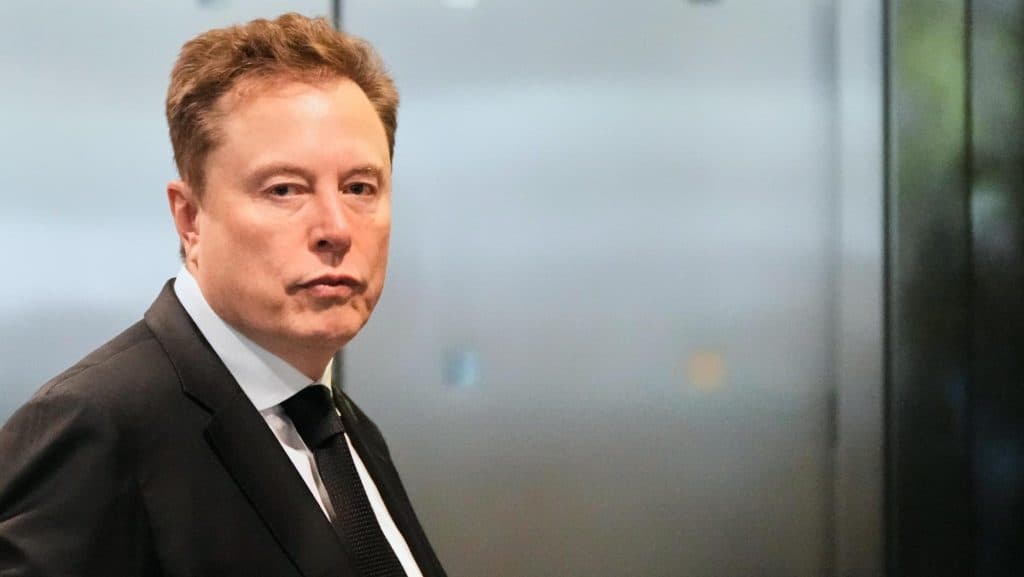
A federal jury delivered a verdict against Elon Musk in his legal dispute with OpenAI, finding that the company and its top executives did not betray a shared vision for artificial intelligence development. Musk had accused OpenAI of abandoning its original nonprofit mission to guide AI for the benefit of humanity.
The lawsuit centered on claims that OpenAI and its leadership, including CEO Sam Altman, shifted focus from a charitable approach to a for-profit model, undermining the founding principles Musk helped establish. Musk, a co-founder of OpenAI, left the company in 2018 and later criticized its direction.
During the trial, OpenAI argued that its evolution into a capped-profit structure was necessary to secure funding and compete in the rapidly advancing AI field. The company maintained that its mission to ensure AI benefits all of humanity remained intact, despite changes in its corporate structure.
Musk's legal team presented evidence of internal communications and public statements to support their argument that OpenAI had strayed from its nonprofit roots. However, the jury found insufficient grounds to hold the company liable for breach of contract or fiduciary duty.
The verdict marks a significant legal victory for OpenAI, which has faced scrutiny over its governance and profit motives. The company has raised billions in funding and partnered with Microsoft, drawing criticism from Musk and others who advocate for open-source AI development.
Musk, who now leads xAI, a competing AI startup, has been vocal about the risks of centralized AI control. He has called for greater transparency and safety measures in AI research, positions that align with his original vision for OpenAI.
The jury's decision does not address broader ethical questions about AI governance but resolves the specific legal claims Musk brought against OpenAI. Neither party has indicated plans for an appeal at this time.
OpenAI released a statement expressing satisfaction with the verdict, reaffirming its commitment to developing safe and beneficial AI. Musk's representatives declined to comment on the outcome.
Theo Baker’s Four-Year Stanford Investigation: Key Findings Before Departure
Theo Baker, a student journalist, spent four years investigating Stanford University. His findings reveal systemic issues and a culture where raising startup funds is easier than securing internships.
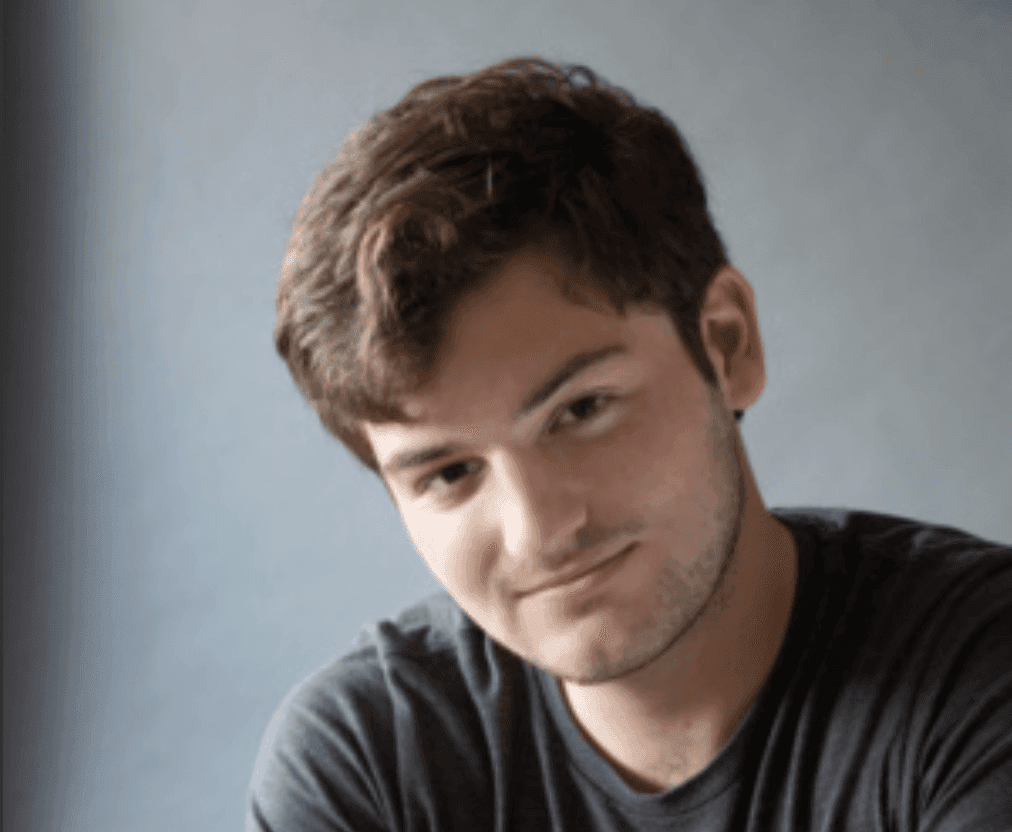
Theo Baker, a student journalist, has spent four years investigating Stanford University. His work has uncovered systemic problems within the institution. Before he leaves, he shares his key findings.
Baker notes a striking trend among young people: raising money for a startup is now easier than getting an internship. This observation underscores a shift in priorities and opportunities in the tech-driven economy.
His investigation delved into Stanford's handling of research integrity, financial conflicts, and administrative transparency. He found instances where university policies fell short of ethical standards.
Baker also highlighted the pressure on students to launch ventures, sometimes at the expense of academic rigor. The university's proximity to Silicon Valley amplifies this entrepreneurial culture.
Despite these issues, Baker acknowledges Stanford's strengths, including its research output and alumni network. However, he argues that the institution must address its internal contradictions.
Baker's reporting has prompted discussions among faculty and administrators. Some have called for reforms in how the university manages conflicts of interest and supports student entrepreneurship.
As Baker prepares to leave Stanford, he hopes his work will inspire continued scrutiny. He emphasizes the importance of holding powerful institutions accountable.
His findings serve as a cautionary tale about the intersection of academia and industry. The full impact of his investigation remains to be seen, but it has already sparked debate on campus.