NextEra Energy in $67B Deal to Acquire Dominion, Creating Power Giant Amid AI Demand Surge
NextEra Energy is pursuing an all-stock acquisition of Dominion Energy valued at roughly $67 billion. The merger aims to form a massive utility company as rising energy consumption from artificial intelligence drives U.S. power demand.
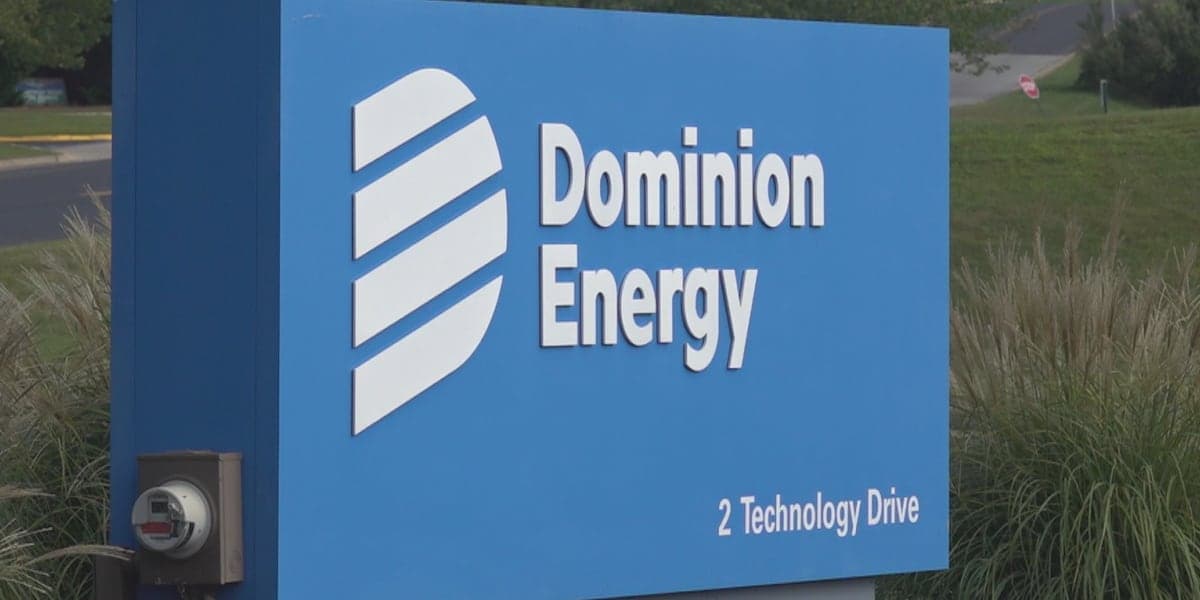
NextEra Energy has proposed an all-stock acquisition of Dominion Energy, a deal valued at approximately $67 billion. The combination would create one of the largest power companies in the United States. The move comes as utilities scramble to meet surging electricity demand driven by the expansion of artificial intelligence data centers.
The proposed transaction would unite NextEra's renewable-heavy portfolio with Dominion's regulated utilities across the Mid-Atlantic and Southeast. NextEra, based in Florida, is the world's largest generator of wind and solar power. Dominion, headquartered in Virginia, serves over 7 million customers in 13 states.
Industry analysts point to AI as a primary catalyst for the deal. Training and operating large language models require vast amounts of electricity, with data center power consumption projected to double by 2030. Utilities are racing to secure generation capacity and grid infrastructure to support this growth.
NextEra's offer values Dominion at roughly $67 billion, including debt. The all-stock structure means Dominion shareholders would receive NextEra shares. The exact exchange ratio has not been disclosed. Both companies' boards have approved the deal, which still requires regulatory and shareholder approvals.
The combined entity would have a market capitalization exceeding $200 billion and serve nearly 15 million customers. It would own a diverse generation fleet including nuclear, natural gas, and renewables. NextEra has emphasized that the merger would accelerate its clean energy transition while meeting new demand.
Dominion has been under pressure from investors to improve its financial performance. The company has faced rising costs from offshore wind projects and grid upgrades. NextEra's offer provides a premium to Dominion's recent trading price, though the exact premium percentage was not specified.
Regulatory hurdles are expected. The deal will face review by the Federal Energy Regulatory Commission and state utility commissions in multiple states. Some consumer groups may oppose the consolidation, citing potential rate increases. NextEra has stated it expects the transaction to close by late 2025.
NextEra CEO John Ketchum said the merger would create a "premier energy company" positioned to lead the AI-driven energy transition. Dominion CEO Robert Blue called the deal "compelling" for shareholders and customers. The companies plan to file regulatory applications in the coming months.
U.S. Explores Secure AI Facility in Israel's Negev Desert
The United States is considering establishing a secure artificial intelligence facility in Israel's Negev Desert. The discussions aim to protect advanced technologies and limit exposure amid rising tech rivalry with China.

The United States is evaluating the possibility of building a secure artificial intelligence facility in Israel's Negev Desert. The discussions focus on safeguarding advanced technologies and reducing exposure to potential adversaries. The proposed site would serve as a hub for AI research and development under strict security protocols.
Officials from both countries have held preliminary talks about the project. The Negev Desert offers a remote location that could facilitate high-level security measures. The facility would likely host sensitive AI projects and data, requiring robust protection against espionage and cyber threats.
The initiative comes amid intensifying technological competition between the U.S. and China. Washington has been seeking ways to secure its technological edge, particularly in AI, which is considered a critical domain for national security and economic competitiveness.
Israel has a strong track record in AI and cybersecurity, making it an attractive partner for such a venture. The country's innovation ecosystem and close ties with the U.S. could provide a conducive environment for the facility. However, the project would also need to address concerns about data privacy and intellectual property protection.
The discussions are still in early stages, and no final decision has been made. The potential facility would require significant investment and coordination between U.S. and Israeli agencies. Both sides are exploring the feasibility and security implications of the plan.
If realized, the facility could become a key node in the U.S. strategy to maintain leadership in AI. It would also deepen the technological partnership between the two countries. The Negev Desert's sparse population and arid climate could offer advantages for cooling and energy efficiency for data centers.
Any agreement would need to navigate legal and regulatory frameworks in both countries. The U.S. government has not publicly confirmed the discussions. Israeli officials have declined to comment on the specifics of the talks.
The proposal reflects broader efforts by the U.S. to shore up its technological infrastructure abroad. Similar initiatives have been considered in other allied nations. The outcome of these discussions could have implications for the global AI landscape and the balance of technological power.

Jury Deliberates in Musk v. OpenAI; Standing Ruling May Precede Altman Removal Arguments
A nine-person jury in Oakland began deliberating Monday in the Musk v. OpenAI trial, which could determine the future of the AI company. The case may end early if the court rules that Elon Musk lacks standing to sue.

A nine-person jury in Oakland began deliberating Monday in the most consequential corporate governance trial in the history of American artificial intelligence, weighing whether OpenAI CEO Sam Altman should be removed. The case, brought by Elon Musk, centers on allegations that Altman and the board breached their fiduciary duties. However, the trial could end before the jury reaches that question if the judge first rules that Musk lacks legal standing to bring the lawsuit.
Musk, a co-founder of OpenAI who left the company in 2018, argues that Altman and the board abandoned the nonprofit's original mission of developing AI for the benefit of humanity. Instead, Musk claims, OpenAI has become a for-profit entity focused on commercial gain, with Altman enriching himself at the expense of the public good. The plaintiffs seek Altman's removal and a court order to restructure the company.
OpenAI's defense contends that Musk's lawsuit is a meritless attack driven by personal grievances and business rivalry. The company argues that its transition to a for-profit model was necessary to secure the massive funding required for advanced AI research. Altman's legal team maintains that he has acted in the company's best interests and that Musk's claims are unsupported by evidence.
The standing issue poses a significant procedural hurdle. Musk must demonstrate that he has a direct and personal stake in the outcome, not merely a general interest in AI safety. If the judge determines that Musk cannot show concrete harm, the case could be dismissed without the jury ever considering the merits of the removal request.
Legal experts note that standing is a threshold question that courts often resolve before trial. The judge has indicated she will rule on the matter after hearing arguments, potentially before the jury begins its deliberations on the substantive claims. A dismissal on standing grounds would be a major victory for OpenAI and Altman.
Should the case proceed, the jury will hear evidence on whether Altman and the board breached their duties. Key witnesses include current and former board members, as well as AI researchers who worked at OpenAI. The trial is expected to last several weeks, with closing arguments scheduled for late May.
The outcome could have far-reaching implications for the governance of AI companies. A ruling against Altman might set a precedent for holding AI executives accountable for mission drift. Conversely, a victory for OpenAI could reinforce the legitimacy of for-profit structures in the AI industry.
Deliberations are ongoing, and no verdict has been reached. The jury will reconvene Tuesday morning to continue discussions. A decision on standing is expected within days.

LG announces UltraGear 25G590B, first 1000Hz 1080p gaming monitor
LG unveiled the UltraGear 25G590B, a 24.5-inch IPS gaming monitor capable of a native 1000Hz refresh rate at 1920x1080 resolution. It is the first announced monitor to achieve 1000Hz at 1080p, targeting esports competitors seeking maximum responsiveness.
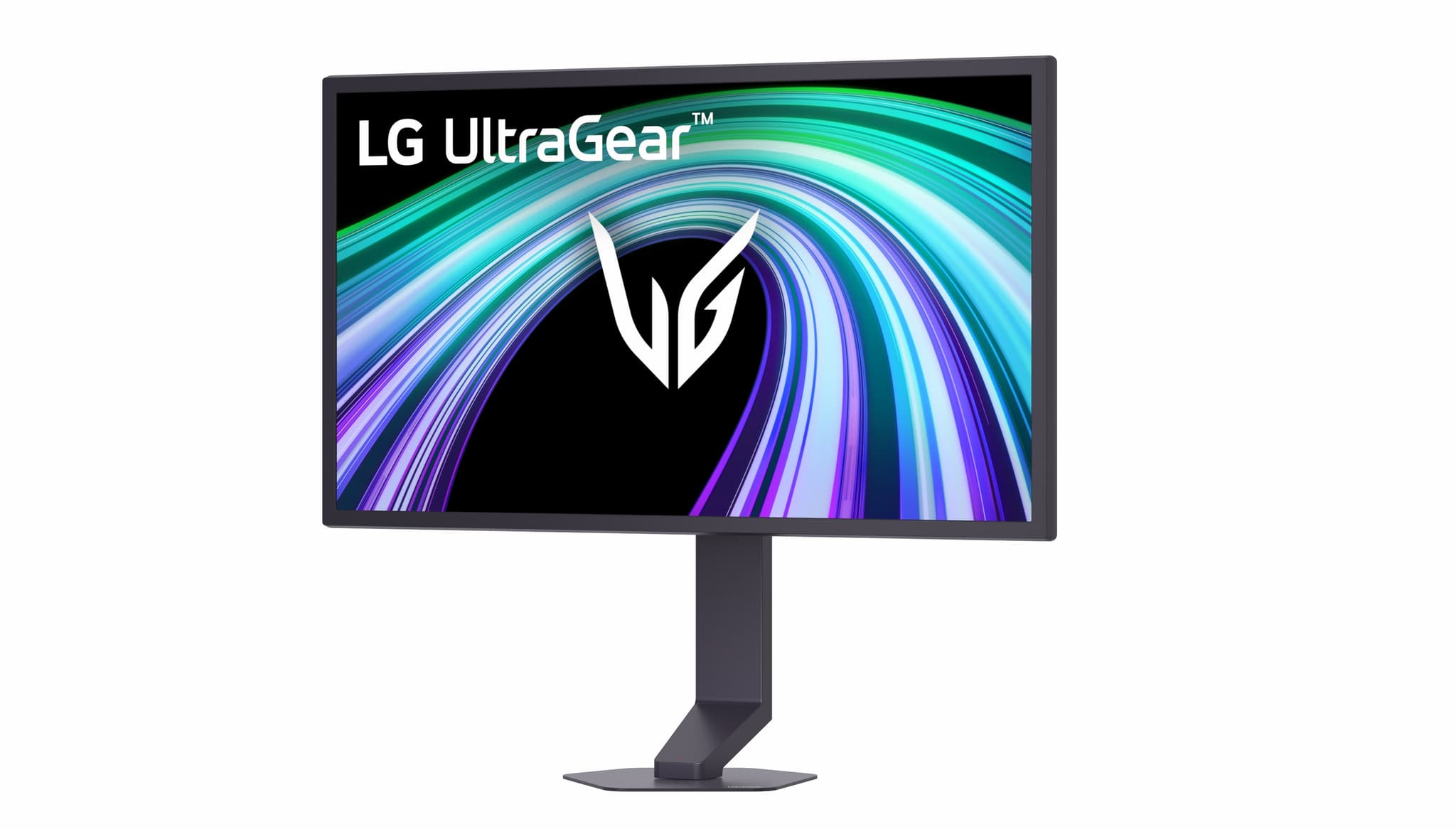
LG has introduced the UltraGear 25G590B, a gaming monitor that the company claims is the first to deliver a native 1000Hz refresh rate at 1920x1080 resolution. The 24.5-inch IPS display is designed for esports competitors who prioritize responsiveness over higher resolutions. Previous 1000Hz models were limited to 720p at most, but LG's offering breaks that barrier.
The monitor's 1000Hz refresh rate means the screen updates 1000 times per second, reducing motion blur and input lag to near-imperceptible levels. This is particularly beneficial in fast-paced games like first-person shooters, where split-second reactions matter. LG positions the UltraGear 25G590B as a tool for competitive gamers who need the fastest possible response times.
While the human eye may not consciously perceive the difference between 360Hz and 1000Hz, the reduction in motion blur and latency can provide a competitive edge. The monitor's 1080p resolution ensures that graphics cards can drive the high frame rates necessary to take full advantage of the refresh rate. LG has not yet disclosed the monitor's response time or other specifications.
The UltraGear 25G590B is expected to launch later this year. Pricing has not been announced, but given the niche target audience and advanced specifications, it is likely to command a premium. LG has not confirmed regional availability, but the monitor is expected to roll out globally.
Esports organizations and professional players may be the primary adopters, as the monitor's capabilities align with the demands of competitive gaming. The 1000Hz refresh rate could also benefit other applications requiring low latency, such as certain simulation or training software.
LG's announcement comes as monitor manufacturers push refresh rates higher, with 360Hz and 500Hz models becoming more common. The UltraGear 25G590B represents a significant leap, though its practical benefits for most gamers remain debatable. LG states the monitor is "ready for esports competitors," emphasizing its focus on the competitive market.
The UltraGear 25G590B is set to be released in 2025. Further details, including pricing and exact availability dates, are expected closer to launch.

Allot CEO to Present at TD Cowen Technology Conference in New York
Allot Ltd. announced CEO Eyal Harari will present at TD Cowen's 54th Annual Technology, Media & Telecom Conference on May 27-28, 2026, in New York.

Allot Ltd., a provider of Security-as-a-Service and network intelligence solutions, disclosed that its chief executive will speak at an upcoming industry conference. The company made the announcement on May 18, 2026, through a press release.
Eyal Harari, Allot's CEO, is scheduled to present at TD Cowen's 54th Annual Technology, Media & Telecom Conference. The event will take place on May 27-28, 2026, at the InterContinental New York Barclay in New York City.
Allot specializes in cybersecurity and network analytics for communications service providers and enterprises. The company's solutions are designed to help clients manage network traffic and protect against digital threats.
The presentation at the TD Cowen conference is expected to cover Allot's business strategy and market position. The company has not disclosed specific topics or timing for Harari's remarks.
Allot is headquartered in Hod Hasharon, Israel, and its shares trade on both the Nasdaq and the Tel Aviv Stock Exchange under the ticker ALLT. The company serves a global customer base with its security and intelligence platforms.
The TD Cowen conference is an annual event that brings together technology, media, and telecom industry leaders. It provides a platform for companies to present their latest developments and engage with investors.
Interested parties can access the presentation through Allot's investor relations website. The company has not indicated whether a replay will be available after the event.