Google I/O 2026 Keynote: Sundar Pichai to Speak on May 19-20
Google I/O 2026 will be held on May 19-20, with CEO Sundar Pichai and DeepMind's Demis Hassabis delivering the keynote. The event is expected to focus on AI advancements, including updates to Gemini Intelligence and the new Google Books.

Google has scheduled its annual developer conference, Google I/O 2026, for May 19-20. The event will feature a keynote address from CEO Sundar Pichai alongside DeepMind CEO Demis Hassabis. The conference is anticipated to showcase the company's latest innovations, particularly in artificial intelligence.
Attendees and viewers can expect significant updates on Google's AI initiatives. The company recently unveiled Gemini Intelligence, a new AI platform, and introduced the revamped Google Books service. These developments are likely to be central themes during the keynote.
The keynote is scheduled to begin at 10:00 AM PT on May 19. Google will provide a live stream on its official YouTube channel and the Google I/O website. Viewers can also follow real-time updates through Google's social media channels.
Google I/O traditionally serves as a platform for announcing new hardware, software, and developer tools. This year's conference is expected to include sessions on Android, Chrome, and cloud services, alongside AI-focused presentations.
Demis Hassabis's participation underscores the growing importance of DeepMind within Google's AI strategy. The division has been instrumental in advancing machine learning and natural language processing technologies.
The conference will be held at the Shoreline Amphitheatre in Mountain View, California. In-person attendance is limited to developers and media, but the live stream ensures global access.
Google has not disclosed specific product launches for this year's event. However, industry observers anticipate updates to Google Assistant, Bard, and other AI-powered services.
Registration for the virtual event is free and open to the public. Developers can access session recordings and technical documentation after the conference concludes.
Theo Baker’s Four-Year Stanford Investigation: Key Findings Before Departure
Theo Baker, a student journalist, spent four years investigating Stanford University. His findings reveal systemic issues and a culture where raising startup funds is easier than securing internships.
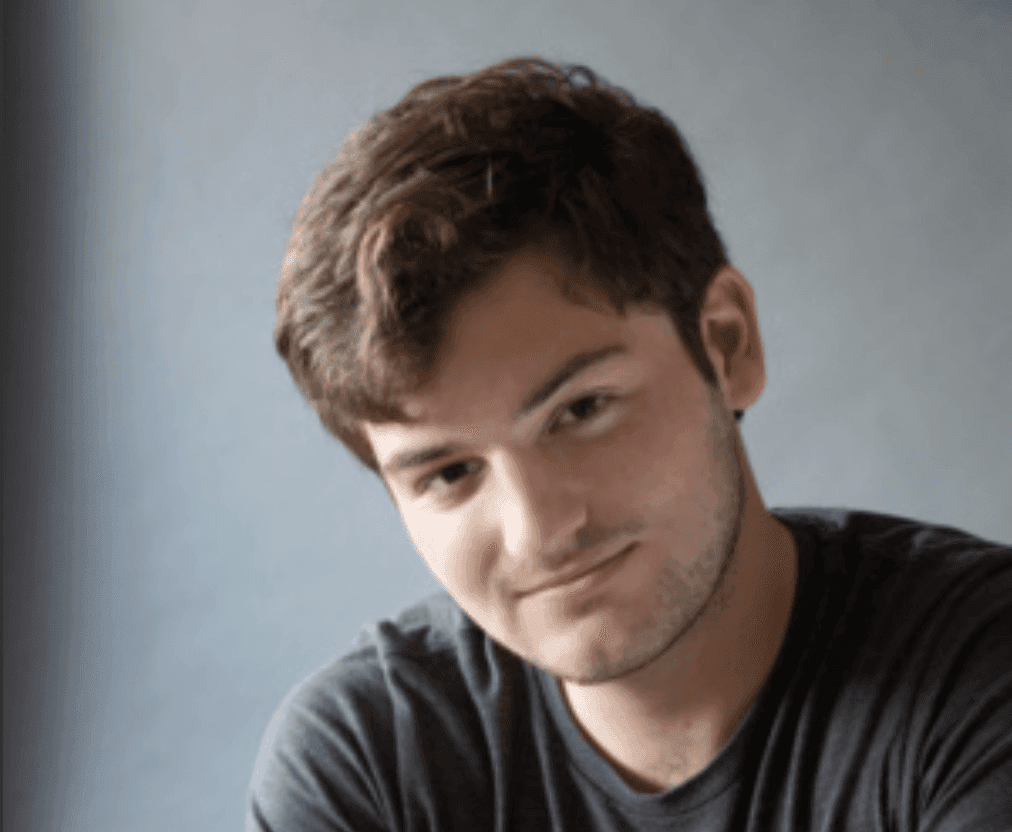
Theo Baker, a student journalist, has spent four years investigating Stanford University. His work has uncovered systemic problems within the institution. Before he leaves, he shares his key findings.
Baker notes a striking trend among young people: raising money for a startup is now easier than getting an internship. This observation underscores a shift in priorities and opportunities in the tech-driven economy.
His investigation delved into Stanford's handling of research integrity, financial conflicts, and administrative transparency. He found instances where university policies fell short of ethical standards.
Baker also highlighted the pressure on students to launch ventures, sometimes at the expense of academic rigor. The university's proximity to Silicon Valley amplifies this entrepreneurial culture.
Despite these issues, Baker acknowledges Stanford's strengths, including its research output and alumni network. However, he argues that the institution must address its internal contradictions.
Baker's reporting has prompted discussions among faculty and administrators. Some have called for reforms in how the university manages conflicts of interest and supports student entrepreneurship.
As Baker prepares to leave Stanford, he hopes his work will inspire continued scrutiny. He emphasizes the importance of holding powerful institutions accountable.
His findings serve as a cautionary tale about the intersection of academia and industry. The full impact of his investigation remains to be seen, but it has already sparked debate on campus.

Eric Schmidt Calls for Increased Immigration Amid AI-Driven Job Displacement Concerns
Billionaire Eric Schmidt advocates for more immigration even as AI threatens mass layoffs. He rejects migration cuts that could help American workers cope with job losses.
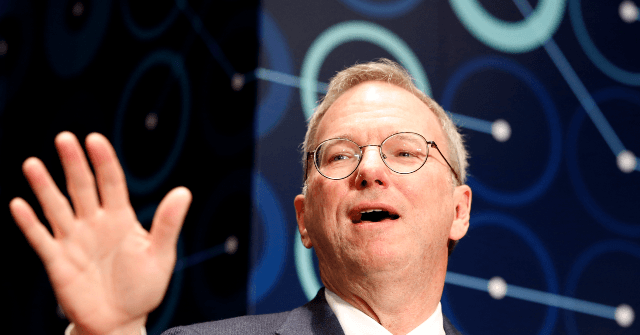
Eric Schmidt, the former CEO of Google and a prominent tech billionaire, has voiced opposition to reducing immigration levels as a response to potential job displacement caused by artificial intelligence. Schmidt argues that the United States should maintain or even increase its intake of foreign workers, particularly those with technical expertise. His comments come amid growing fears that AI advancements could lead to widespread unemployment across various sectors.
Speaking at a recent technology conference, Schmidt emphasized the importance of attracting global talent to sustain innovation and economic growth. He dismissed the notion that cutting immigration would protect American jobs, suggesting instead that a robust influx of skilled workers is necessary for the country to remain competitive. Schmidt's stance places him at odds with some policymakers who advocate for stricter immigration controls in the face of automation.
The billionaire's remarks highlight a broader debate within the tech industry about the balance between fostering innovation and addressing the societal impacts of AI. While some experts warn that AI could eliminate millions of jobs, Schmidt contends that the technology will also create new opportunities that require a diverse and skilled workforce. He believes that restricting immigration would hinder the development of these emerging fields.
Schmidt's position is not without controversy. Critics argue that his views reflect a disconnect from the concerns of ordinary workers who may be displaced by AI. They point to studies suggesting that automation could disproportionately affect lower-skilled jobs, many of which are held by native-born Americans. However, Schmidt maintains that the long-term benefits of immigration outweigh the short-term disruptions.
The former Google chief also touched on the need for educational reforms to prepare the domestic workforce for an AI-driven economy. He called for increased investment in STEM education and retraining programs to help workers transition into new roles. Schmidt acknowledged that such measures are essential to mitigate the negative effects of automation but insisted that they should complement, not replace, a pro-immigration policy.
Schmidt's advocacy for more immigration aligns with the views of many Silicon Valley leaders who rely on foreign talent to fuel their companies' growth. Tech giants like Google, Apple, and Microsoft have long lobbied for expanding the H-1B visa program, which allows skilled foreign workers to be employed in the United States. Schmidt's comments reinforce this industry perspective, even as the political climate around immigration grows increasingly polarized.
The debate over AI and immigration is likely to intensify as the technology continues to advance. Schmidt's remarks serve as a reminder that the intersection of these two issues will be a key battleground in shaping the future of work. For now, his call for more immigration stands as a clear challenge to those who see migration restrictions as a solution to AI-induced job losses.

U.S. Explores Secure AI Facility in Israel's Negev Desert
The United States is considering establishing a secure artificial intelligence facility in Israel's Negev Desert. The discussions aim to protect advanced technologies and limit exposure amid rising tech rivalry with China.

The United States is evaluating the possibility of building a secure artificial intelligence facility in Israel's Negev Desert. The discussions focus on safeguarding advanced technologies and reducing exposure to potential adversaries. The proposed site would serve as a hub for AI research and development under strict security protocols.
Officials from both countries have held preliminary talks about the project. The Negev Desert offers a remote location that could facilitate high-level security measures. The facility would likely host sensitive AI projects and data, requiring robust protection against espionage and cyber threats.
The initiative comes amid intensifying technological competition between the U.S. and China. Washington has been seeking ways to secure its technological edge, particularly in AI, which is considered a critical domain for national security and economic competitiveness.
Israel has a strong track record in AI and cybersecurity, making it an attractive partner for such a venture. The country's innovation ecosystem and close ties with the U.S. could provide a conducive environment for the facility. However, the project would also need to address concerns about data privacy and intellectual property protection.
The discussions are still in early stages, and no final decision has been made. The potential facility would require significant investment and coordination between U.S. and Israeli agencies. Both sides are exploring the feasibility and security implications of the plan.
If realized, the facility could become a key node in the U.S. strategy to maintain leadership in AI. It would also deepen the technological partnership between the two countries. The Negev Desert's sparse population and arid climate could offer advantages for cooling and energy efficiency for data centers.
Any agreement would need to navigate legal and regulatory frameworks in both countries. The U.S. government has not publicly confirmed the discussions. Israeli officials have declined to comment on the specifics of the talks.
The proposal reflects broader efforts by the U.S. to shore up its technological infrastructure abroad. Similar initiatives have been considered in other allied nations. The outcome of these discussions could have implications for the global AI landscape and the balance of technological power.

Jury Deliberates in Musk v. OpenAI; Standing Ruling May Precede Altman Removal Arguments
A nine-person jury in Oakland began deliberating Monday in the Musk v. OpenAI trial, which could determine the future of the AI company. The case may end early if the court rules that Elon Musk lacks standing to sue.
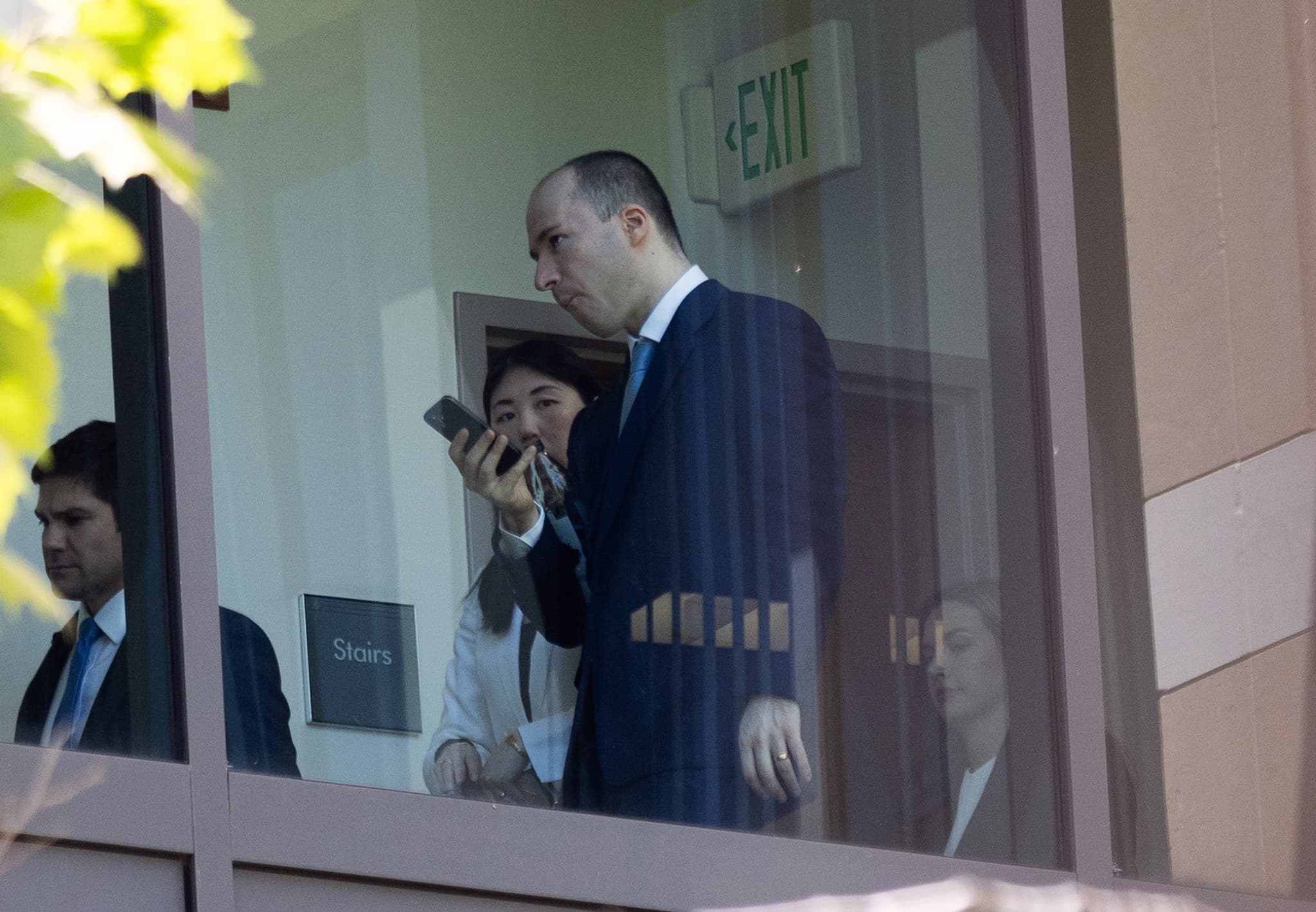
A nine-person jury in Oakland began deliberating Monday in the most consequential corporate governance trial in the history of American artificial intelligence, weighing whether OpenAI CEO Sam Altman should be removed. The case, brought by Elon Musk, centers on allegations that Altman and the board breached their fiduciary duties. However, the trial could end before the jury reaches that question if the judge first rules that Musk lacks legal standing to bring the lawsuit.
Musk, a co-founder of OpenAI who left the company in 2018, argues that Altman and the board abandoned the nonprofit's original mission of developing AI for the benefit of humanity. Instead, Musk claims, OpenAI has become a for-profit entity focused on commercial gain, with Altman enriching himself at the expense of the public good. The plaintiffs seek Altman's removal and a court order to restructure the company.
OpenAI's defense contends that Musk's lawsuit is a meritless attack driven by personal grievances and business rivalry. The company argues that its transition to a for-profit model was necessary to secure the massive funding required for advanced AI research. Altman's legal team maintains that he has acted in the company's best interests and that Musk's claims are unsupported by evidence.
The standing issue poses a significant procedural hurdle. Musk must demonstrate that he has a direct and personal stake in the outcome, not merely a general interest in AI safety. If the judge determines that Musk cannot show concrete harm, the case could be dismissed without the jury ever considering the merits of the removal request.
Legal experts note that standing is a threshold question that courts often resolve before trial. The judge has indicated she will rule on the matter after hearing arguments, potentially before the jury begins its deliberations on the substantive claims. A dismissal on standing grounds would be a major victory for OpenAI and Altman.
Should the case proceed, the jury will hear evidence on whether Altman and the board breached their duties. Key witnesses include current and former board members, as well as AI researchers who worked at OpenAI. The trial is expected to last several weeks, with closing arguments scheduled for late May.
The outcome could have far-reaching implications for the governance of AI companies. A ruling against Altman might set a precedent for holding AI executives accountable for mission drift. Conversely, a victory for OpenAI could reinforce the legitimacy of for-profit structures in the AI industry.
Deliberations are ongoing, and no verdict has been reached. The jury will reconvene Tuesday morning to continue discussions. A decision on standing is expected within days.