
Lancia Gamma Returns as Fastback Crossover, Debuts in 2026
Lancia has unveiled the first images of the 2026 Lancia Gamma, a fastback crossover that will be available in both hybrid and electric versions. The model is central to the brand's transformation strategy.
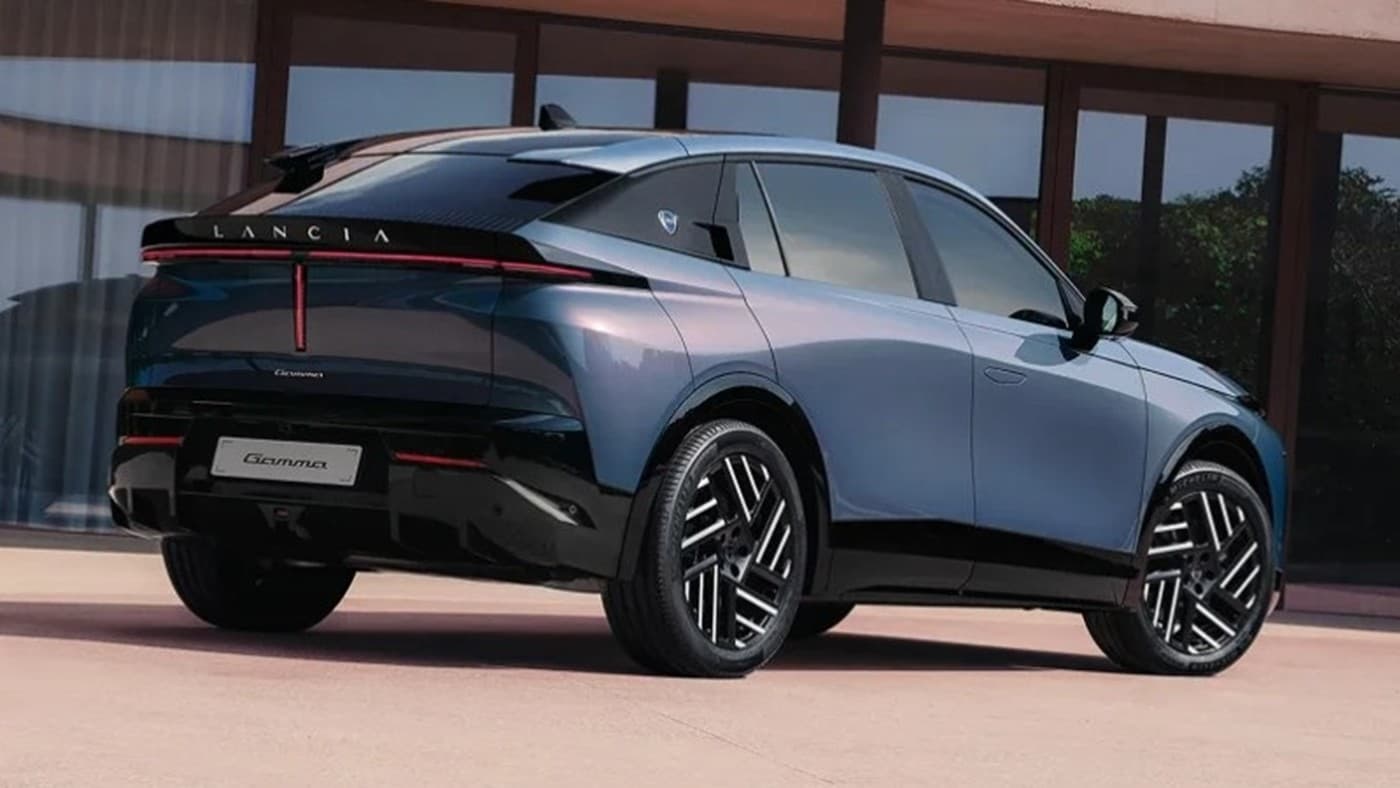
Lancia has released the first official images of the upcoming 2026 Lancia Gamma, marking the return of a nameplate that last appeared in the 1980s. The new Gamma adopts a fastback crossover body style, a departure from its predecessor's hatchback and sedan forms. The vehicle is positioned as a key pillar in Lancia's broader brand revival plan.
The Gamma will be offered with both hybrid and fully electric powertrains, reflecting the brand's commitment to electrification. Technical specifications have not been disclosed, but the model is expected to share its platform with other Stellantis group vehicles. The design language draws from Lancia's recent Pu+Ra HPE concept, featuring sharp lines and a distinctive front fascia.
Lancia describes the Gamma as a "fastback crossover," blending coupe-like roofline with elevated ride height. The images show a sleek silhouette with flush door handles and slim LED lighting elements. The interior has not been revealed, but the brand has hinted at a minimalist cabin with sustainable materials.
The Gamma is scheduled to enter production in 2026, with sales expected to begin later that year. Pricing has not been announced, but the model is likely to compete in the premium compact crossover segment. Lancia plans to introduce the Gamma alongside the new Ypsilon and Delta models as part of its ten-year product roadmap.
Lancia's revival strategy includes a shift toward electrification and a focus on the European market. The brand aims to rebuild its image as a premium player, leveraging Stellantis resources. The Gamma's launch will be preceded by the new Ypsilon in 2024, followed by the Delta in 2028.
Initial availability will be limited to select European markets, with a potential expansion depending on demand. Lancia has not confirmed plans for other regions. The Gamma will be produced at Stellantis's plant in Italy, supporting the brand's "Made in Italy" positioning.
Lancia CEO Luca Napolitano stated that the Gamma represents "the essence of Lancia's renaissance," combining Italian design with advanced technology. The company expects the model to attract both loyal customers and new buyers seeking a distinctive alternative in the crossover segment.
Lexus TZ: First Fully Electric Three-Row SUV Debuts as Upscale Highlander EV
Lexus has introduced the TZ, its first fully electric three-row SUV, positioned as a quieter and more luxurious alternative to the Toyota Highlander EV. The vehicle features a 77 kWh battery pack and an estimated range of over 300 miles.
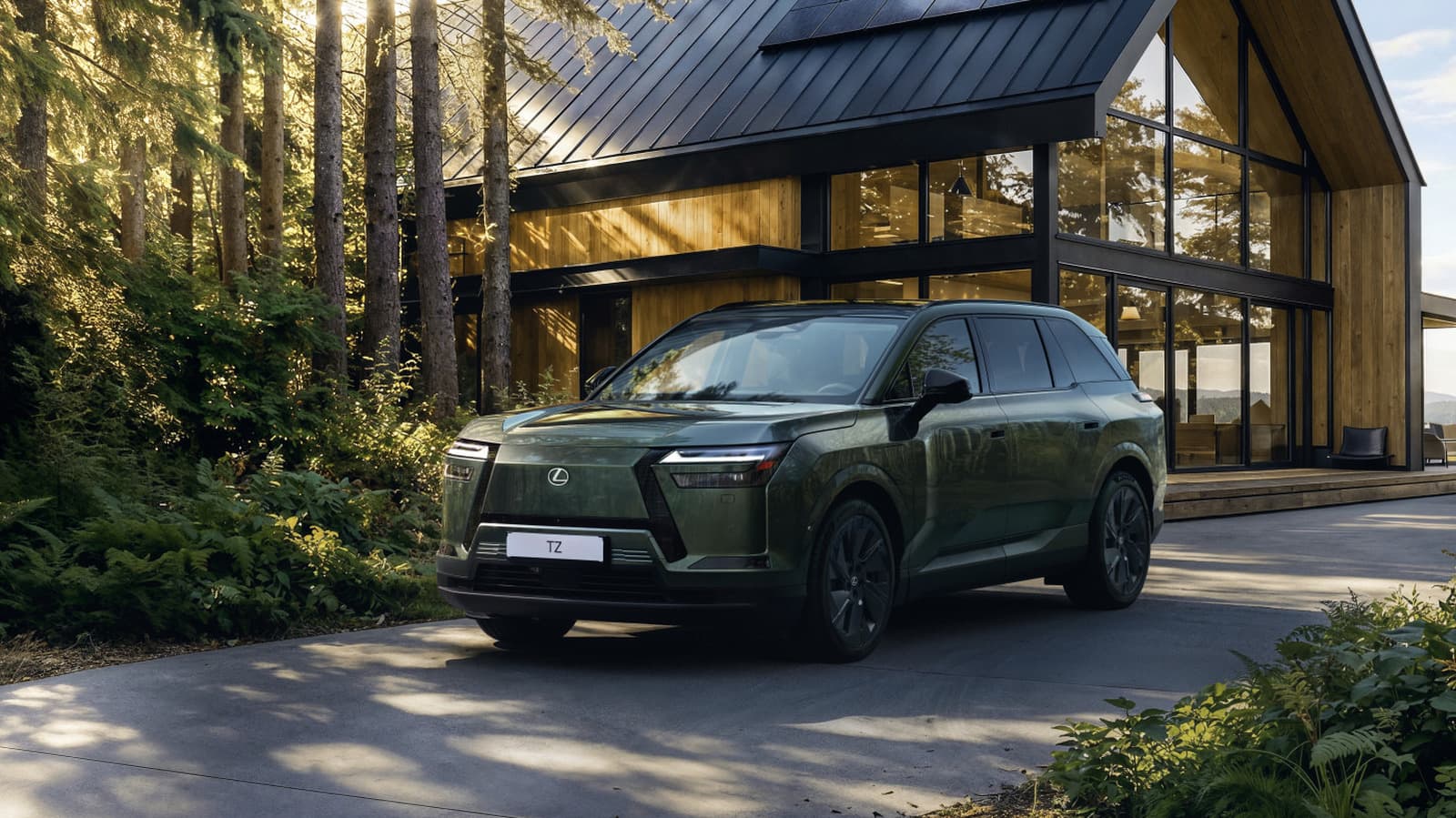
Lexus has unveiled the TZ, marking the brand's entry into the fully electric three-row SUV segment. The vehicle is positioned as a more refined and upscale counterpart to the Toyota Highlander EV, sharing its platform but offering distinct styling and a quieter cabin experience. The TZ is expected to go on sale in late 2024, with pricing starting around $60,000.
The TZ is built on Toyota's e-TNGA platform, which also underpins the bZ4X and the Subaru Solterra. However, Lexus engineers have focused on reducing noise, vibration, and harshness, resulting in a significantly quieter ride compared to its Toyota sibling. The SUV features a 77 kWh lithium-ion battery pack, powering a dual-motor all-wheel-drive system that produces a combined 308 horsepower.
Lexus claims the TZ can accelerate from 0 to 60 mph in 6.5 seconds, with an estimated range of over 300 miles on a full charge. The vehicle supports DC fast charging at up to 150 kW, allowing a 10-80% charge in approximately 30 minutes. The TZ also includes a heat pump for improved efficiency in cold weather.
Inside, the TZ offers seating for up to seven passengers, with captain's chairs available for the second row. The cabin features a 14-inch touchscreen infotainment system with wireless Apple CarPlay and Android Auto, a 12.3-inch digital instrument cluster, and a head-up display. Lexus also offers a Mark Levinson premium audio system and a panoramic glass roof.
Safety features include the Lexus Safety System+ 3.0, which encompasses adaptive cruise control, lane-keeping assist, automatic emergency braking, and blind-spot monitoring. The TZ also comes with a 360-degree camera system and front and rear parking sensors.
The TZ will be available in three trim levels: Standard, Premium, and Luxury. The Standard trim starts at $59,995, while the Premium and Luxury trims are priced at $64,995 and $69,995, respectively. All prices include a $1,295 destination fee.
Lexus plans to offer the TZ in all 50 U.S. states, with deliveries beginning in the fourth quarter of 2024. The vehicle will be built at Toyota's plant in Princeton, Indiana, alongside the Highlander and Highlander EV.
"The TZ represents a new chapter for Lexus, combining our signature quiet luxury with zero-emission performance," said a Lexus spokesperson. "We believe it will appeal to families seeking a premium electric SUV without compromise."

Waymo’s Chinese-Made Robotaxi Ojai Now Open for Riders, Aims for Profit
Waymo has launched its newest robotaxi, the Ojai minivan, which is built in China and designed for commercial profitability. The vehicle is now accepting riders after extensive testing.

Waymo has introduced its latest autonomous vehicle, the Ojai minivan, which is now available for public rides. The robotaxi, manufactured in China, is engineered with a focus on generating revenue for the company. This launch follows years of development and testing, but arrives during a period of significant challenges for Waymo.
The Ojai minivan is built on a platform designed specifically for autonomous ride-hailing services. Waymo has integrated its sixth-generation self-driving system into the vehicle, which includes a suite of sensors such as lidar, cameras, and radar. The company claims the system is more cost-effective than previous iterations, enabling lower operational costs.
Waymo has been testing the Ojai in various cities, including San Francisco and Phoenix, where it has logged thousands of miles. The vehicle is now accepting riders in select areas, with plans to expand service coverage over time. Pricing is set to be competitive with existing ride-hailing services, though exact rates have not been disclosed.
The launch comes amid a turbulent period for Waymo, which has faced regulatory scrutiny and safety concerns. The company has been under investigation by the National Highway Traffic Safety Administration after several incidents involving its autonomous vehicles. Waymo has also experienced leadership changes and layoffs in recent months.
Despite these challenges, Waymo remains a leader in the autonomous vehicle industry. The Ojai represents a strategic shift toward vehicles that are not only technologically advanced but also commercially viable. By using a Chinese-manufactured platform, Waymo aims to reduce production costs and accelerate deployment.
The Ojai minivan is equipped with a range of features designed for passenger comfort and safety. The interior includes spacious seating, large windows, and a user-friendly interface for riders. Waymo has also implemented new safety protocols, including enhanced emergency braking and obstacle detection systems.
Waymo plans to gradually increase the number of Ojai vehicles on the road as it scales operations. The company has not announced a specific timeline for nationwide expansion but expects to add more cities in the coming months. Riders can access the service through the Waymo One app, which is available for iOS and Android.
Waymo CEO Dmitri Dolgov stated that the Ojai marks a new chapter for the company, emphasizing its commitment to making autonomous transportation accessible and profitable. The company is also exploring partnerships with other automakers to further expand its fleet. Waymo's long-term goal remains to deploy fully autonomous vehicles across the United States and eventually globally.

Turkey's EV charging infrastructure grows: Socket count exceeds 43,000
Turkey's electric vehicle charging socket count surpassed 43,000 in April. The share of green energy-supported charging stations in total consumption reached approximately 60 percent.
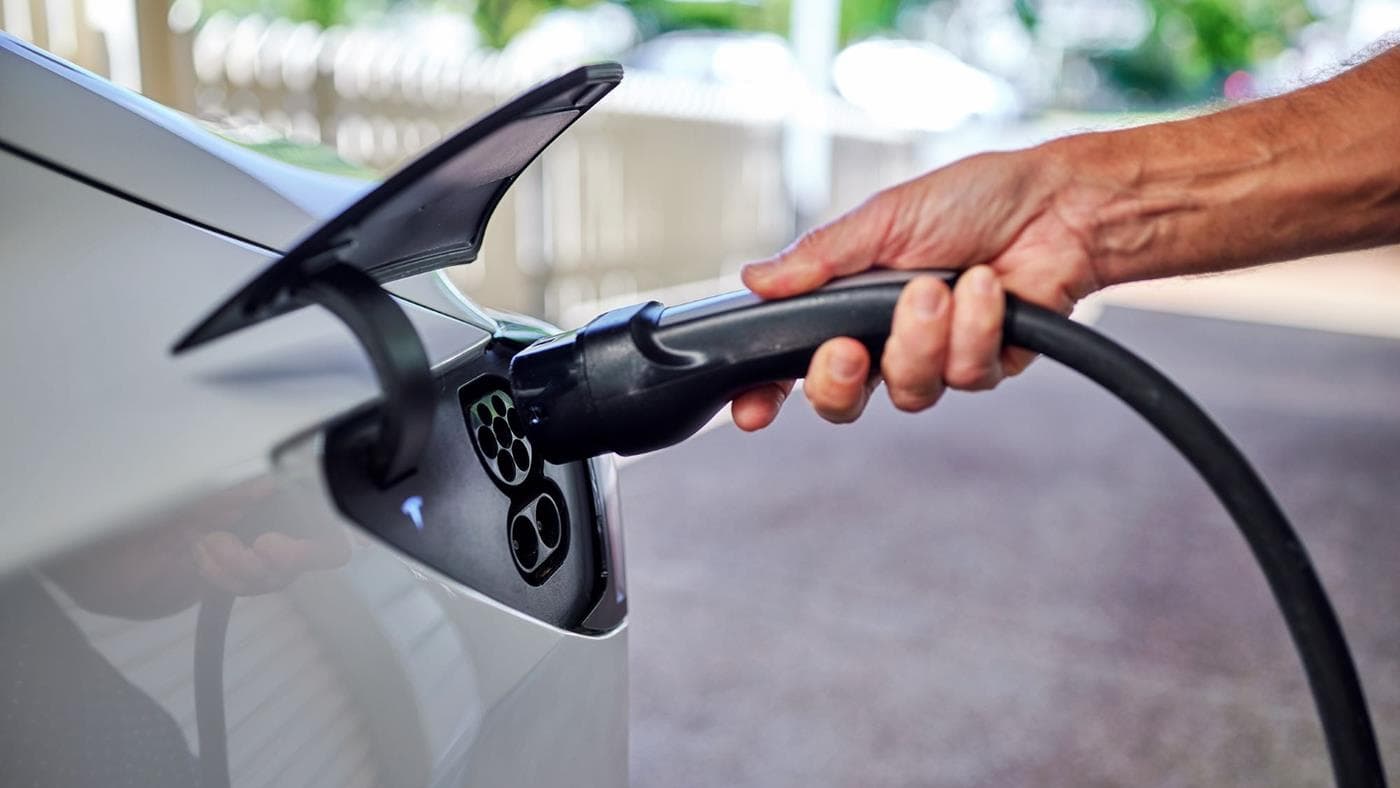
Turkey's electric vehicle charging infrastructure continues to expand, with the number of charging sockets exceeding 43,000 in April. The milestone reflects ongoing investments in the country's EV ecosystem, driven by both public and private initiatives. The data was released by the Energy Market Regulatory Authority (EMRA), which tracks the deployment of charging stations across the nation.
Green energy-supported charging stations now account for nearly 60 percent of total electricity consumption in the sector. This shift aligns with Turkey's broader goals of increasing renewable energy use and reducing carbon emissions. The integration of solar and wind power into charging networks has been a key factor in achieving this share.
The growth in socket numbers has been steady, with monthly increases averaging several thousand units. As of April, the total number of charging points stood at 43,200, up from around 40,000 at the start of the year. The expansion is particularly notable in major cities like Istanbul, Ankara, and Izmir, where EV adoption rates are highest.
Charging station operators have been investing heavily in fast-charging technology to reduce wait times for drivers. Direct current (DC) fast chargers now make up a significant portion of new installations, enabling drivers to recharge their vehicles in under an hour. This has helped alleviate range anxiety, a common barrier to EV adoption.
The government has also played a role by offering incentives for charging infrastructure development. Tax breaks and subsidies have encouraged private companies to install charging points in residential complexes, shopping malls, and along highways. These measures are part of a broader strategy to support the transition to electric mobility.
Despite the progress, challenges remain. The distribution of charging stations is uneven, with rural areas still underserved. Additionally, the grid capacity in some regions may need upgrades to handle increased demand from fast chargers. Industry stakeholders are working with utilities to address these issues.
Looking at the data, the average utilization rate of charging sockets has increased, indicating growing EV usage. The number of registered electric vehicles in Turkey has also risen, surpassing 50,000 units in early 2024. This growth trajectory suggests that the charging infrastructure will need to continue expanding to keep pace with demand.
EMRA officials stated that the agency will continue to monitor the market and adjust regulations as needed. The authority emphasized the importance of maintaining a competitive environment to drive innovation and lower costs for consumers. The latest figures underscore the rapid development of Turkey's EV charging network, which is expected to grow further in the coming months.

2027 Audi RS5 first drive: A performance PHEV with split personalities
Audi's 2027 RS5 combines a turbocharged V6 with an electric motor, offering a dual-personality driving experience. The car features RS5-specific bodywork with widened arches and aggressive styling cues.
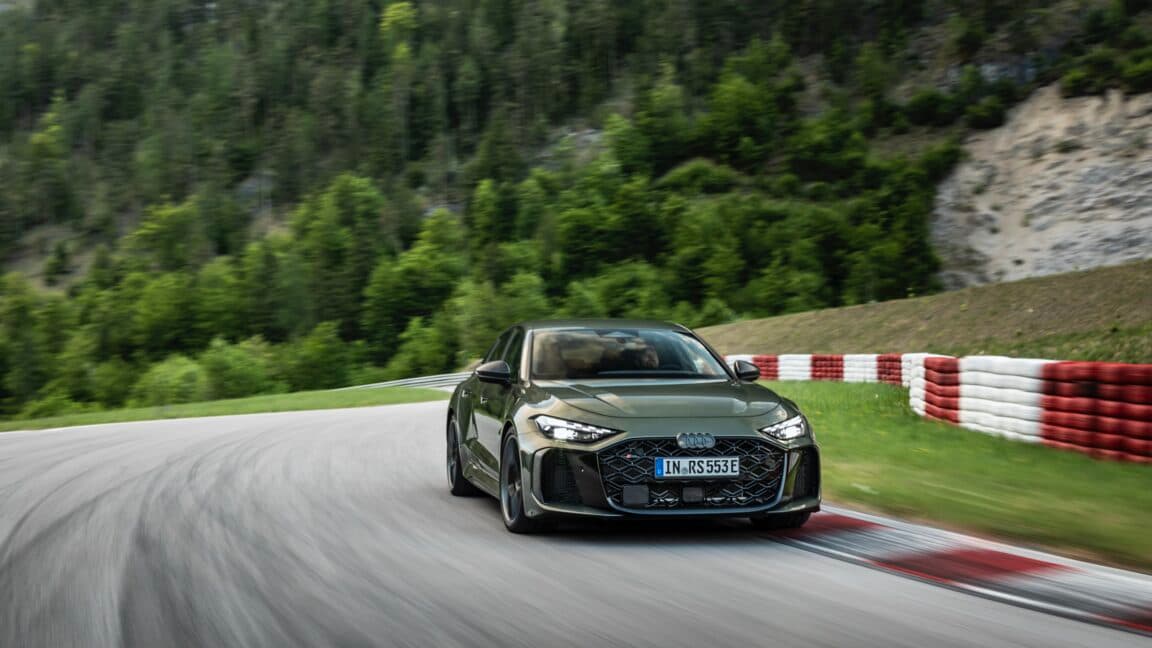
Audi provided flights from Washington, DC, to Munich, Germany, and accommodation so Ars could drive the RS5. Ars does not accept paid editorial content. SAALFELDEN, Austria—Audi may have built a reputation for technology over the years, either pioneering or early-adopting things like all-wheel drive, direct-injection engines, and so on. But it's also true that along the way it has earned a bit of a reputation for cars that look good inside and out but maybe aren't the most exciting things on four wheels. Not so for the models reworked by Audi Sport, the company's motorsports division, which now also spends its time building the company's new Formula 1 power units. And like those latest F1 cars, its newest RS5 road car also marries together a turbocharged V6 and an electric motor. How convenient.
The underlying chassis of the new RS5 is shared with the A5 that we first drove last summer, but the only common body panels between the lesser A5 and this car is the hood; everything else is RS5-specific. Aggressive wheel arch blisters add more than 3.5 inches (90 mm) of width compared to the A5, and massive air intakes dominate the front fascia. At the rear, a pair of large oval exhaust pipes are set into a diffuser. Oh, and you don't get those kinds of carbon-fiber accents on a regular A5. Perhaps my favorite styling detail? The rear OLED tail lights have a checkered flag pattern (as do the daylight running lights up front).
Under the hood, the RS5 employs a 2.9-liter twin-turbo V6 that produces 450 horsepower and 442 lb-ft of torque. That engine is paired with a single electric motor integrated into the eight-speed automatic transmission, contributing an additional 184 horsepower and 228 lb-ft of torque. Total system output reaches 630 horsepower and 627 lb-ft of torque, though Audi notes that the combined figures are not simply additive due to the hybrid system's characteristics. The electric motor draws power from a 14.4 kWh lithium-ion battery pack mounted under the rear seats.
Drivers can select from several drive modes that alter the car's behavior. In EV mode, the RS5 can travel up to 30 miles on electric power alone, with a top speed of 84 mph. The default hybrid mode balances efficiency and performance, while a Sport mode prioritizes power delivery and keeps the engine running. A dedicated RS mode sharpens throttle response, stiffens the adaptive dampers, and activates a boost function for maximum acceleration. The transition between electric and gasoline power is seamless, with the electric motor filling in torque gaps before the turbos spool.
On the road, the RS5 exhibits a split personality. In its gentler settings, it cruises quietly and comfortably, masking its performance potential. But when provoked, the car transforms into a sharp, responsive machine. The all-wheel-drive system, which can send up to 85 percent of torque to the rear axle, helps the RS5 rotate through corners with precision. The steering is direct and well-weighted, though it lacks some feedback. The brakes, with 15.7-inch front discs and six-piston calipers, provide strong stopping power.
Audi has also revised the interior for the RS5, adding RS-specific displays and controls. The 12.3-inch digital instrument cluster includes a lap timer and g-force meter, while the 10.1-inch infotainment screen features RS-specific graphics. The front seats are heavily bolstered and offer excellent support during spirited driving. Rear seat space is adequate for two adults, though the sloping roofline limits headroom. Cargo capacity stands at 12.0 cubic feet, slightly less than the standard A5 due to the hybrid battery.
Pricing for the 2027 Audi RS5 starts at $87,500, including destination. The car is expected to arrive at US dealerships in late 2026. Audi has not yet announced official EPA fuel economy ratings, but estimates suggest a combined rating of around 25 mpg when the battery is depleted. The RS5 competes with the BMW M4 Competition and Mercedes-AMG C63 S E Performance, both of which also offer hybrid powertrains.
Audi's RS5 represents a significant step in the brand's electrification strategy, blending high performance with hybrid efficiency. The car's ability to switch between silent electric cruising and explosive V6 power gives it a unique character in the segment. With its aggressive styling and advanced technology, the RS5 aims to satisfy both daily driving needs and weekend track ambitions.