Meta Develops AI-Powered Necklace Using Limitless Technology
Meta is working on a new AI-powered necklace and wearable devices using technology from Limitless, which it acquired in late 2025. The necklace is designed to assist users with daily tasks through voice commands and AI features.
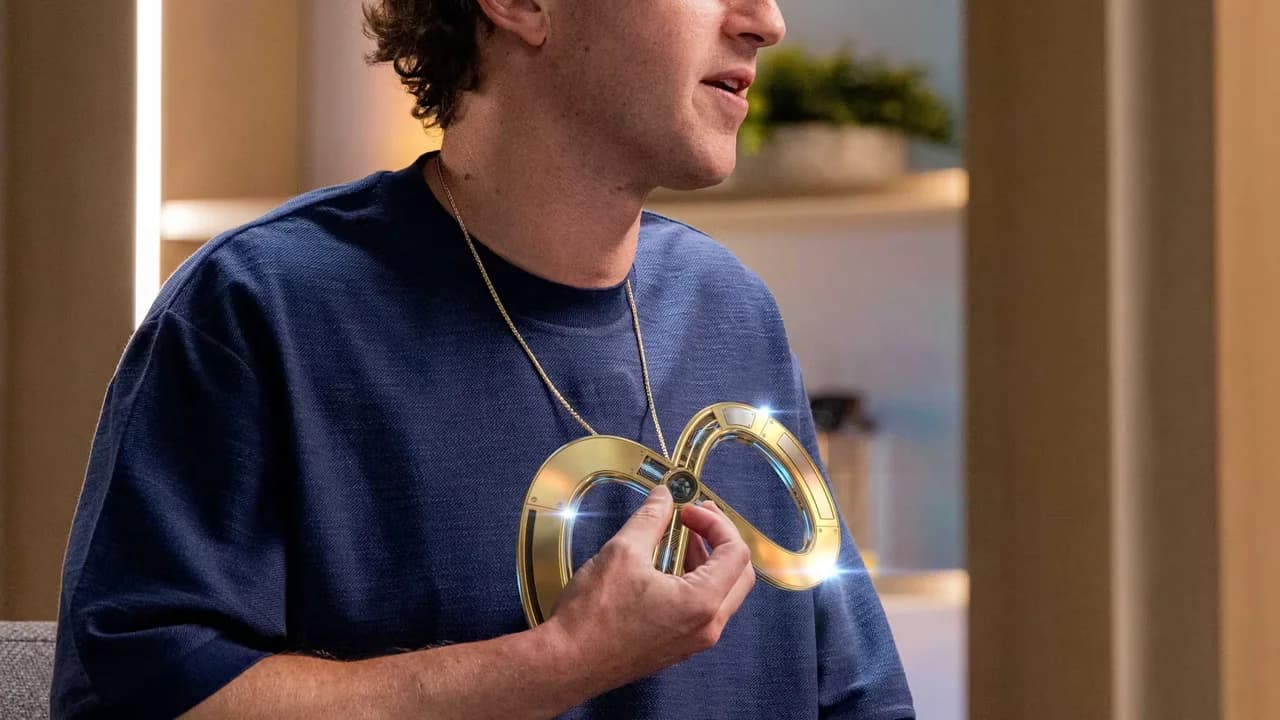
Meta has begun developing a new artificial intelligence-powered necklace, leveraging technology from Limitless, a company it acquired in late 2025. The wearable device is part of Meta's broader push into AI-driven hardware, aiming to integrate digital assistance into everyday accessories. Sources familiar with the project indicate the necklace will feature voice interaction capabilities, allowing users to perform tasks such as setting reminders, sending messages, and accessing information hands-free. The device is expected to connect to Meta's ecosystem, including its social platforms and smart glasses. Meta has not officially confirmed the product, but internal documents suggest the necklace is in early prototyping stages. The company is also exploring additional wearable form factors, including smart rings and clips, to expand its AI hardware lineup. Limitless, prior to its acquisition, specialized in compact AI assistants for productivity, and Meta plans to adapt that technology for consumer wearables. The necklace is designed to be always-on, with a small microphone and speaker embedded in a pendant-like form. Battery life and connectivity details remain undisclosed, but the device is expected to rely on Bluetooth to pair with smartphones. Meta's move follows similar efforts by competitors like Amazon and Apple, which have released AI wearables such as the Echo Frames and AirPods. The company aims to differentiate its product by integrating its large language model, Llama, to provide more natural conversations. Privacy concerns have been raised, as the device would constantly listen for voice commands. Meta has stated it will implement on-device processing for sensitive data. The necklace is not expected to launch before 2027, as Meta continues to refine the design and software. Pricing has not been determined, but the device is likely to be priced competitively with other AI wearables. Meta's investment in Limitless underscores its commitment to wearable AI, following the success of its Ray-Ban Meta smart glasses. The company believes that voice-activated accessories will become a primary interface for AI interactions. Industry analysts note that the market for AI wearables is still nascent, with few products achieving mainstream adoption. Meta's brand recognition and existing user base could give it an edge. However, the company faces challenges in ensuring the necklace's utility and battery life meet consumer expectations. The project is being led by Meta's Reality Labs division, which also oversees its augmented reality and virtual reality efforts. Meta has not commented on the report, and the information remains unconfirmed. The development of the necklace signals Meta's intent to embed AI into more personal devices, moving beyond screens and into everyday objects.
HP Reports 30% of Users Still on Windows 10, Urges Upgrade to Windows 11
HP announced that 30% of its users are still using Windows 10. The company is encouraging these users to upgrade to Windows 11.
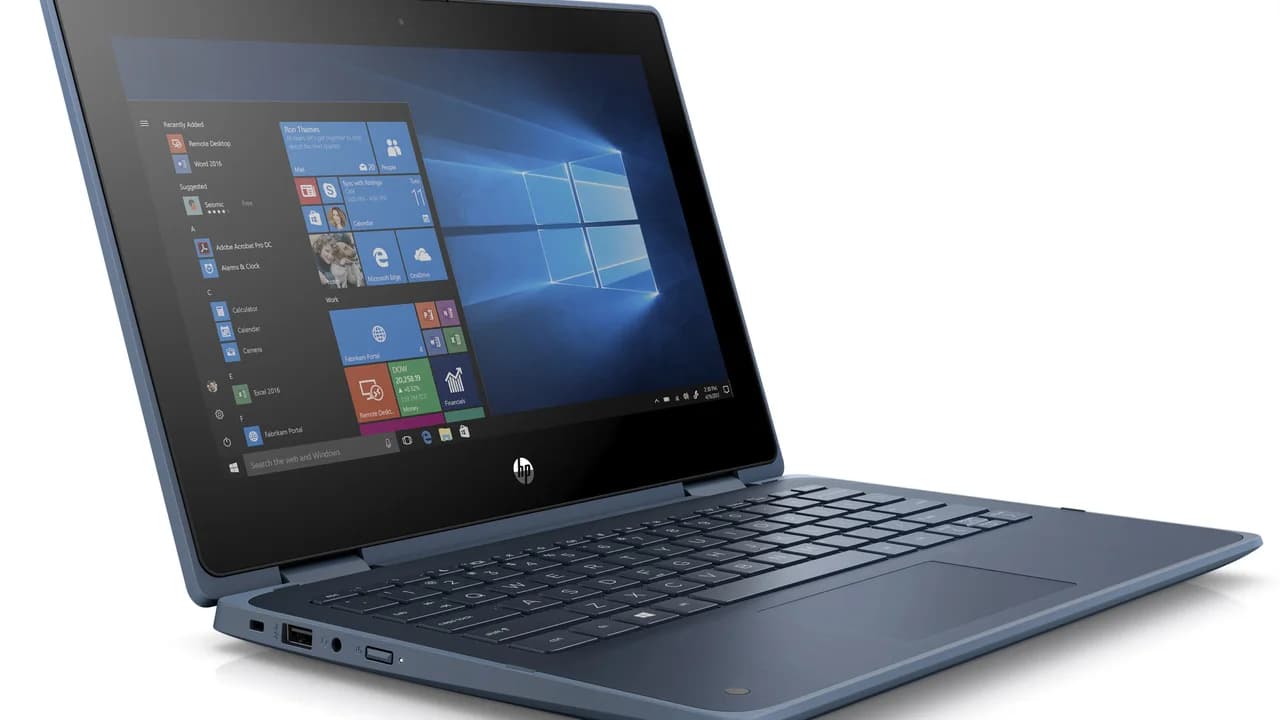
HP has disclosed that approximately 30 percent of its user base continues to operate on Windows 10. The computer manufacturer made the announcement as part of its broader push to migrate customers to the newer Windows 11 operating system.
The company did not specify the exact number of users affected but emphasized the significance of the remaining Windows 10 install base. HP is actively promoting the transition to Windows 11, citing improvements in security, performance, and user experience.
Windows 10, which launched in 2015, remains widely used despite Microsoft ending mainstream support for the operating system. HP's data suggests a substantial portion of its customers have yet to adopt the successor platform.
HP's call to action comes as Microsoft prepares to phase out Windows 10 entirely. The software giant has set an end-of-support date for October 14, 2025, after which no further security updates will be provided for the older OS.
For users still on Windows 10, HP recommends checking system compatibility with Windows 11. The newer OS requires specific hardware, including a compatible 64-bit processor, 4GB of RAM, and 64GB of storage, along with TPM 2.0 and Secure Boot capabilities.
HP is offering guidance and tools to help users assess their devices' readiness for the upgrade. The company also provides upgrade options through its support channels and retail partners.
The announcement underscores the ongoing transition in the PC market as manufacturers and Microsoft push for broader adoption of Windows 11. HP's data highlights the challenge of migrating a large installed base still reliant on the older platform.
SpaceX wins $4.16B US Space Force contract for missile tracking satellite network
SpaceX has been selected by the US Space Force to lead the development of a satellite network for missile and air target tracking under the Golden Dome program. The contract is valued at $4.16 billion.
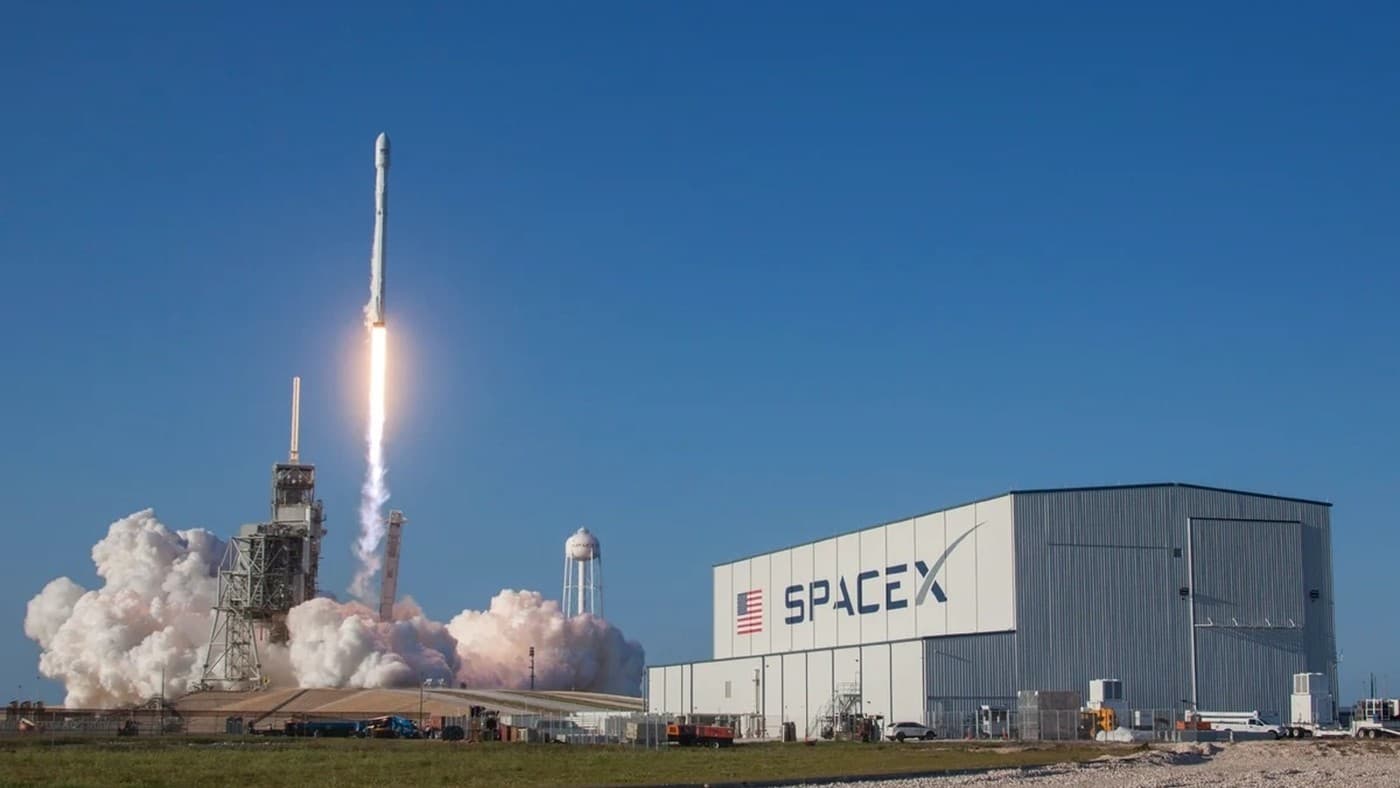
The US Space Force has awarded SpaceX a contract worth $4.16 billion to build a satellite network designed to track missile and air targets. The program, known as Golden Dome, aims to enhance the nation's defense capabilities against advanced threats.
SpaceX will develop and deploy a constellation of satellites equipped with advanced sensors to detect and monitor hypersonic missiles, cruise missiles, and other airborne objects. The network is intended to provide persistent global coverage and real-time tracking data to military command centers.
The Golden Dome program represents a significant expansion of the US military's space-based surveillance infrastructure. Current systems rely on a mix of ground-based radars and geostationary satellites, which have limitations in coverage and response time. The new low-Earth orbit constellation promises lower latency and higher resolution tracking.
SpaceX's Starlink satellite manufacturing and launch capabilities are expected to accelerate the deployment timeline. The company has already demonstrated rapid iteration and mass production of satellites, which could be adapted for defense purposes. The contract includes options for additional satellites and ground support systems.
The selection of SpaceX underscores the Pentagon's increasing reliance on commercial space companies for national security missions. This marks one of the largest single contracts awarded to a private space firm for defense purposes. Other companies, including Blue Origin and United Launch Alliance, were also considered for the program.
Work on the Golden Dome network will begin immediately, with initial operational capability targeted for the late 2020s. The full constellation is expected to comprise hundreds of satellites, though exact numbers remain classified. The contract also covers ground segment development and integration with existing missile warning systems.
SpaceX will leverage its Falcon 9 and Starship rockets for satellite deployment. The company's launch cadence and reusable rocket technology are expected to reduce costs and accelerate the timeline. The US Space Force has emphasized the need for rapid fielding of new capabilities to counter evolving threats from China and Russia.
The Golden Dome program is part of a broader effort to modernize US missile defense architecture. The satellite network will complement ground-based interceptors and airborne sensors, providing a multi-layered defense against ballistic and hypersonic missiles. The system is designed to track threats from launch through terminal phase.
SpaceX CEO Elon Musk stated that the company is honored to support national security and will deliver the most advanced space-based tracking system ever built. The US Space Force confirmed the award on Tuesday, noting that the contract includes fixed-price incentives for performance milestones.

MSI Unveils Monitor That Switches Between Three Resolutions and Refresh Rates
MSI announced a new monitor capable of switching between three resolution and refresh rate modes. The display can toggle from 4K at 240Hz for games like Crimson Desert to 1080p at 680Hz for competitive titles such as Counter-Strike 2.
MSI has introduced a next-generation monitor that offers users the ability to switch between three distinct resolution and refresh rate configurations. The display is designed to adapt to different gaming scenarios, providing flexibility for both visually demanding single-player titles and fast-paced competitive shooters.
The monitor supports a 4K resolution at a 240Hz refresh rate, which is suitable for graphically intensive games like Crimson Desert. For players who prioritize speed over resolution, the monitor can shift to a 1440p mode at 480Hz. The third mode drops the resolution to 1080p while boosting the refresh rate to 680Hz, targeting esports titles such as Counter-Strike 2.
MSI has not yet disclosed the specific panel technology used in this monitor, but the company stated that it utilizes a proprietary switching mechanism. This mechanism allows the monitor to change its resolution and refresh rate settings without requiring manual adjustments through the on-screen display menu. The transition between modes is reportedly seamless and can be triggered via a dedicated button or software.
The monitor is expected to feature a 27-inch screen size, though MSI has not confirmed final specifications. The company also hinted at support for HDMI 2.1 and DisplayPort 2.1 inputs to accommodate the high bandwidth required for 4K at 240Hz and 1080p at 680Hz.
MSI plans to showcase the monitor at upcoming trade shows, including CES 2025. The company has not announced a specific release date or pricing, but industry analysts expect the monitor to launch in the second half of 2025 with a price tag exceeding $1,000.
This product targets enthusiasts who play a mix of AAA titles and competitive shooters, eliminating the need for multiple monitors. MSI's approach mirrors trends in the monitor market where manufacturers are exploring variable resolution and refresh rate technologies to cater to diverse gaming preferences.
The monitor will compete with other high-refresh-rate displays from brands like Asus and Samsung, though none currently offer three distinct resolution-refresh rate combinations. MSI's innovation could set a new standard for versatility in gaming monitors.
MSI confirmed that the monitor will be available globally upon release, with regional pricing to be announced closer to the launch date. The company emphasized that the product is still in development and specifications may change before the final version ships.
SoftBank to Invest Up to €75 Billion in French Data Center Construction
SoftBank announced plans to invest up to €75 billion to build data centers in France, aiming to develop and operate up to 5 gigawatts of additional capacity. The investment targets expanding digital infrastructure in the country.

SoftBank Group disclosed a major investment plan for France, committing up to €75 billion to construct data centers. The Japanese conglomerate stated its objective is to develop and operate as much as 5 gigawatts of new data center capacity. This initiative marks one of the largest infrastructure investments by a foreign firm in France's digital sector.
The announcement came during a meeting between SoftBank executives and French officials. The company emphasized that the investment would support the growing demand for cloud computing and artificial intelligence services. SoftBank plans to build multiple facilities across France, though specific locations were not immediately detailed.
SoftBank's investment aligns with France's national strategy to bolster its digital economy and attract foreign capital. The French government has been actively promoting the country as a hub for data centers, offering incentives for sustainable energy use. SoftBank noted that the new data centers would incorporate energy-efficient technologies.
The 5 gigawatts of capacity represents a significant addition to France's existing data center infrastructure. For context, France currently has around 1.5 gigawatts of operational data center capacity. SoftBank's investment could triple that figure, positioning France as a leading European data center market.
SoftBank has been expanding its data center portfolio globally, with existing operations in Japan, the United States, and other regions. The French investment is part of a broader push to capitalize on the AI boom, which requires massive computing power. The company did not provide a timeline for the construction or completion of the facilities.
The investment is subject to regulatory approvals and market conditions. SoftBank stated that it would work closely with French authorities to ensure compliance with local laws. The company also plans to partner with French energy providers to secure renewable power for the data centers.
SoftBank's commitment comes amid a global surge in data center construction driven by cloud providers and AI startups. France has emerged as a attractive location due to its low-carbon energy mix and government support. The investment is expected to create thousands of jobs during construction and operation phases.
SoftBank Group CEO Masayoshi Son described the investment as a vote of confidence in France's digital future. The company said it aims to begin construction within the next two years, pending permits. SoftBank's French data centers are slated to serve both domestic and international clients.