
BYD to Cover Accident Costs for 'God's Eye' Autonomous Driving System
Chinese automaker BYD announced a new assurance program for its 'God's Eye' autonomous driving system, covering accident costs to relieve users of liability. The program aims to boost consumer confidence in self-driving technology.
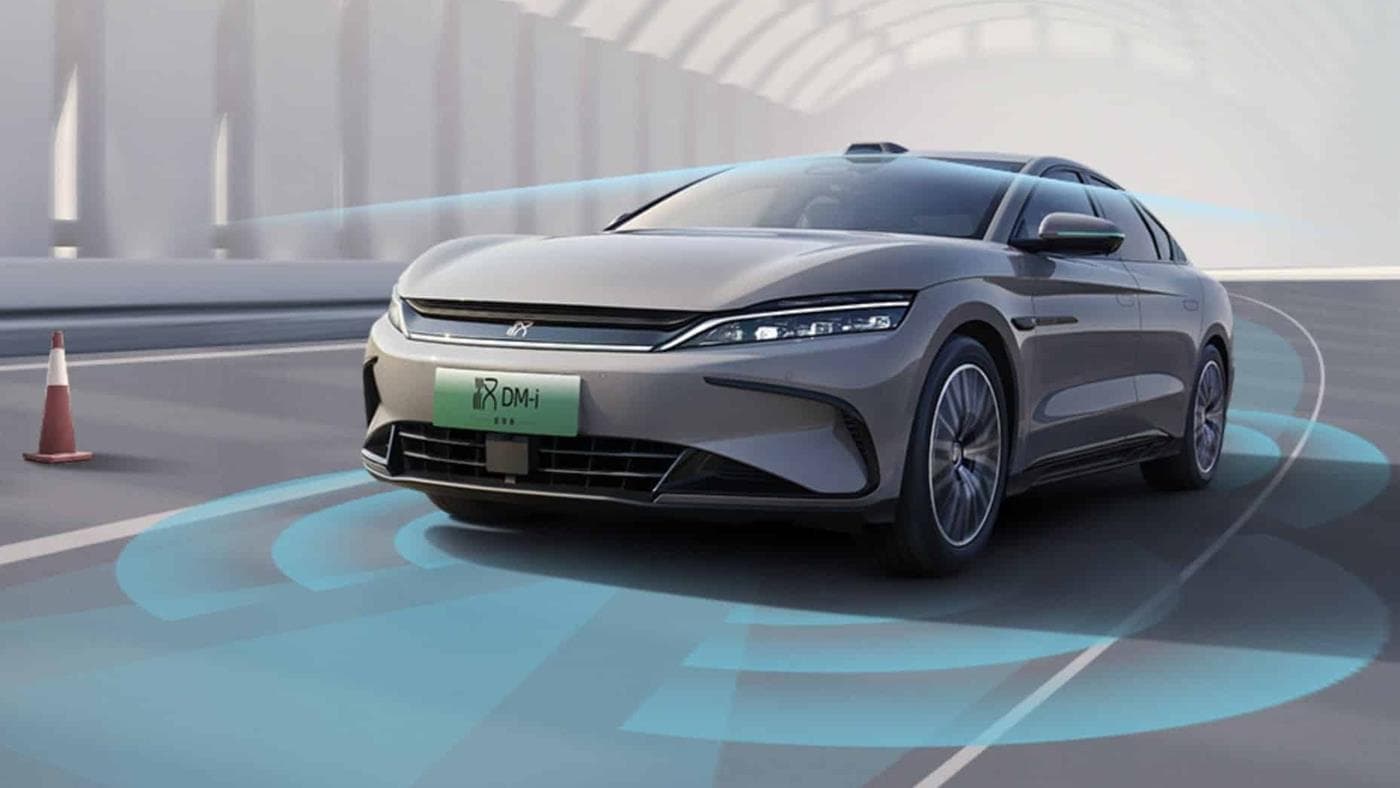
BYD, the Chinese automotive giant, has introduced a pioneering assurance program for its 'God's Eye' autonomous driving system. The initiative eliminates users' financial responsibility in the event of accidents involving the system. This marks a first in the industry, as automakers typically hold drivers liable for incidents during autonomous operation.
The 'God's Eye' system, developed by BYD, offers advanced driver-assistance features. The company stated that the program covers all accident-related costs when the system is engaged. BYD emphasized that this move is designed to build trust among consumers hesitant about autonomous technology.
Under the program, BYD will assume full liability for damages, repairs, and medical expenses resulting from crashes. The coverage applies to both the vehicle and third-party property. BYD clarified that the program does not require additional fees or subscriptions from customers.
BYD's decision comes amid growing scrutiny of autonomous driving safety. Competitors like Tesla and Waymo have faced legal challenges over accident liability. BYD aims to differentiate itself by offering this comprehensive coverage, potentially setting a new industry standard.
The program will initially launch in China, where BYD has a strong market presence. The company plans to expand it to other regions as regulatory approvals are obtained. BYD did not specify a timeline for international rollout.
BYD's 'God's Eye' system is available on select models, including the Han and Tang series. The company has not disclosed the total number of vehicles equipped with the system. BYD expects the assurance program to accelerate adoption of its autonomous driving features.
Industry analysts view this as a strategic move to capture market share in the premium EV segment. BYD's approach could pressure rivals to offer similar guarantees. The program reflects BYD's confidence in the reliability of its autonomous driving technology.
BYD stated, 'We are committed to making autonomous driving safe and accessible for everyone. This program removes the financial burden from our customers.' The company will provide detailed terms and conditions on its official website.
F1 reliability concerns emerge after years of stability in 2026 season
After a period of consistent reliability, Formula 1 teams are facing new challenges in 2026, with mechanical issues affecting race outcomes. The Canadian Grand Prix highlighted these concerns as several drivers experienced problems.
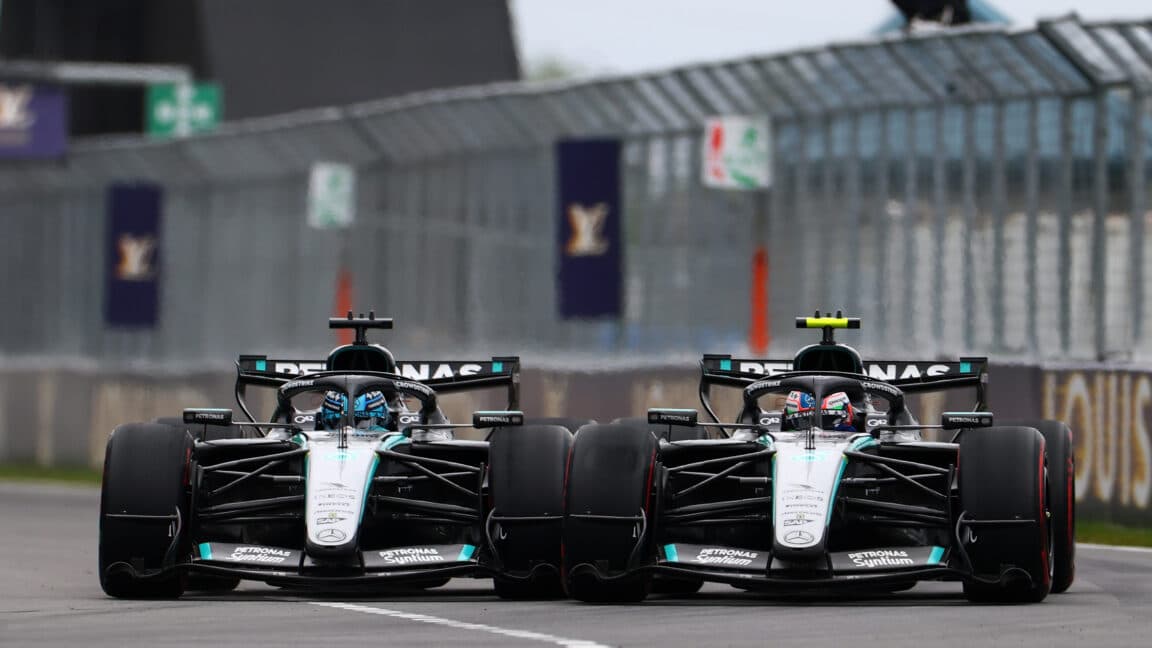
Formula 1's reputation for mechanical reliability has been shaken in the 2026 season, with a series of technical failures disrupting races. The Canadian Grand Prix, held on the artificial island built for Expo 67, saw multiple retirements due to engine and gearbox issues. Teams that had enjoyed years of trouble-free operation are now grappling with unexpected breakdowns.
Mercedes driver Kimi Antonelli extended his championship lead with a fourth consecutive victory in Canada. The 19-year-old Italian now holds a 43-point advantage over teammate George Russell. With 25 points awarded for a win, Russell faces a deficit equivalent to two race victories, a precarious position when competing with identical machinery.
The weekend was a sprint event, limiting practice time for teams to gather data on their upgrade packages. Several teams introduced new components in Montreal, but not all performed as expected. Reliability problems affected both power unit manufacturers and chassis suppliers, raising questions about the direction of technical development.
Ferrari, which unveiled its new electric vehicle during the race weekend, also struggled with reliability. The team's drivers reported inconsistent power delivery and braking issues during the race. Other midfield teams experienced similar problems, with some failing to finish the 70-lap event.
The trend of reduced reliability marks a departure from recent seasons, where mechanical failures were rare. In 2024 and 2025, the average number of race retirements per event was below three. In 2026, that figure has climbed to nearly five, according to team data.
Drivers have expressed frustration with the situation, noting that races are increasingly decided by reliability rather than driver skill. The Canadian Grand Prix winner, Antonelli, acknowledged that his victory was aided by the retirements of several rivals. He stated that the team is working to understand the root causes of the issues.
Teams are now prioritizing reliability upgrades over performance gains for the next races. The championship battle may hinge on which team can best address these mechanical concerns. The next event, the Austrian Grand Prix, will provide another test of the cars' durability.
Formula 1's governing body, the FIA, has not yet commented on the reliability trend. However, sources indicate that technical directives may be issued to address common failure modes. The 2026 season continues with the Austrian Grand Prix on June 30.

BYD demonstrates ultra-fast charging in -30°C: 12 minutes to full charge
BYD released a test video showing its ultra-fast charging system working in extreme cold. The Denza Z9GT reached 97% charge from 20% in just 12 minutes at -30°C.
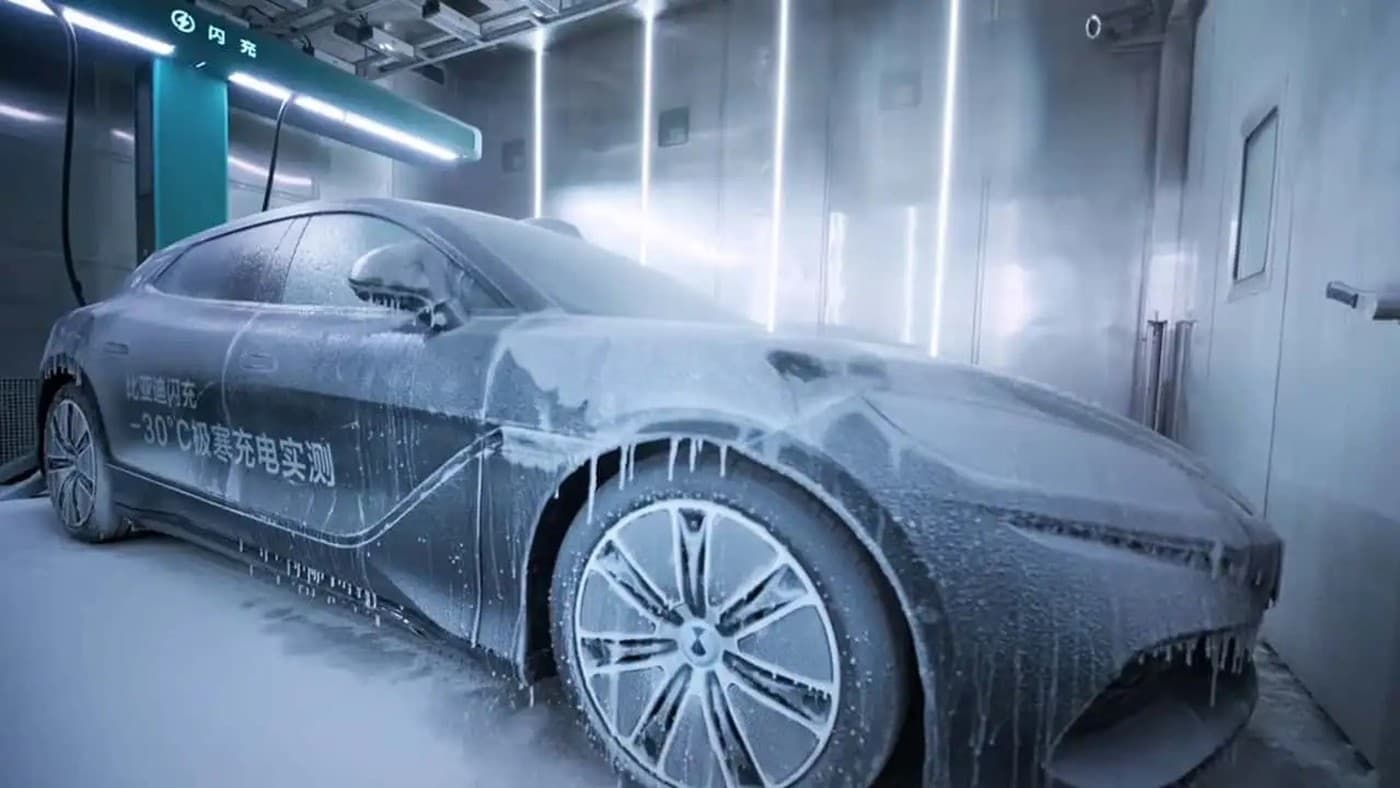
BYD has released a new test video demonstrating the effectiveness of its ultra-fast charging system in extreme cold conditions. The Chinese automaker showcased the Denza Z9GT model achieving a charge from 20% to 97% in just 12 minutes at -30 degrees Celsius.
The test was conducted in a controlled environment simulating severe winter temperatures. BYD's proprietary blade battery technology and advanced thermal management system enabled the rapid charging despite the freezing conditions.
Ultra-fast charging typically faces challenges in low temperatures due to increased internal resistance and reduced chemical reaction rates. BYD claims its system overcomes these limitations through intelligent battery heating and optimized charging protocols.
The Denza Z9GT is an electric luxury sedan under BYD's Denza brand, co-developed with Mercedes-Benz. It features an 800-volt architecture supporting peak charging power of up to 360 kW.
BYD has been expanding its ultra-fast charging network across China, with plans to install thousands of charging stations capable of delivering such high power. The company aims to make long-distance travel more convenient for EV owners.
The test video comes as BYD continues to compete with other automakers in the fast-charging race. Competitors like Tesla and Hyundai have also demonstrated rapid charging capabilities, but extreme cold performance remains a key differentiator.
BYD's blade battery, known for its safety and energy density, is now being adapted for even faster charging without compromising longevity. The company says the battery can maintain high charging speeds across a wide temperature range.
The Denza Z9GT is expected to launch in China later this year, with pricing starting around 400,000 yuan (approximately $55,000). BYD has not yet announced international availability for the model.

Solar-Powered Cars Could Gain 30 km Daily Range, Study Finds
A new study suggests solar-powered cars could add up to 30 km of range per day, making them more viable than previously thought. Researchers found that with current photovoltaic technology, vehicles could generate significant energy even in cloudy conditions.
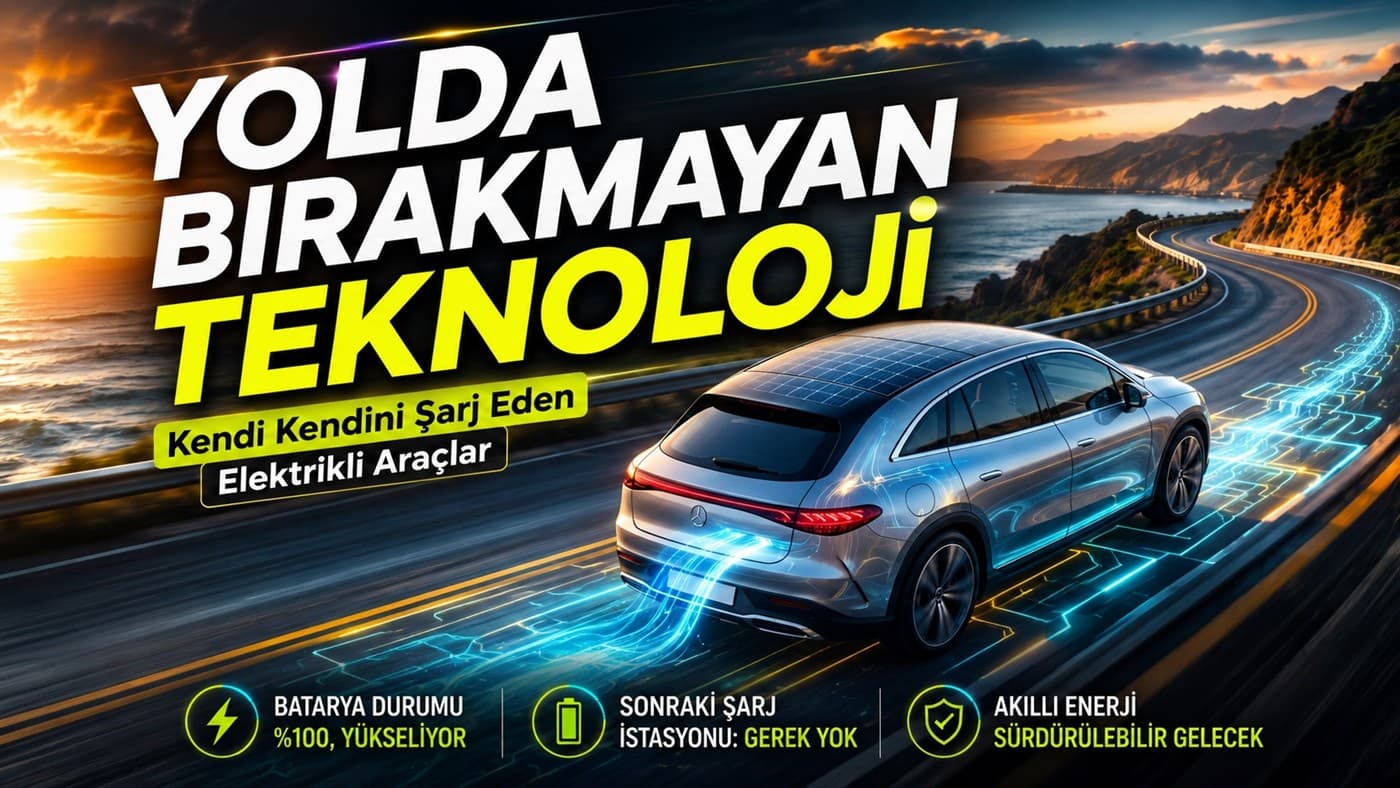
A recent study has brought solar-powered cars closer to reality, indicating they could add up to 30 kilometers of range per day. Researchers from multiple institutions analyzed the potential of integrating photovoltaic cells into vehicle surfaces. Their findings suggest that even with current technology, solar energy could meaningfully extend electric vehicle range.
The study examined various factors including geographic location, weather patterns, and vehicle design. In sunny regions, a car covered in solar panels could generate enough energy for 30 km of driving daily. Even in overcast areas, the researchers estimated a gain of 10 to 15 km per day.
Modern solar cells have reached efficiencies above 20%, making them practical for automotive use. The team considered both traditional rooftop panels and newer technologies like transparent solar films for windows. They concluded that a combination of these could cover a significant portion of daily commuting needs.
The research also addressed common concerns about solar cars, such as weight and cost. While adding solar panels increases vehicle weight, the energy generated over the car's lifetime offsets this. The cost of photovoltaic cells has dropped dramatically, making integration economically feasible.
Several automakers have already experimented with solar roofs. Hyundai's Sonata Hybrid and Toyota's Prius Prime offer optional solar panels, though they primarily power auxiliary systems. The new study suggests that with optimized design, solar could directly contribute to propulsion.
The researchers emphasized that solar charging is not a replacement for grid charging but a supplement. For urban commuters driving less than 30 km daily, solar could cover their entire energy needs. This could reduce strain on the electrical grid and lower charging costs.
Practical implementation faces challenges, including panel durability and efficiency in low light. However, the study notes that solar technology is advancing rapidly. Perovskite solar cells, for example, promise higher efficiency and flexibility, which could be integrated into curved car surfaces.
The study was published in the journal Nature Energy. The researchers plan to collaborate with automotive manufacturers to develop prototypes. They estimate that solar-assisted electric vehicles could enter the market within five years, with initial models offering 20 km of solar range per day.

Lexus TZ: First Fully Electric Three-Row SUV Debuts as Upscale Highlander EV
Lexus has introduced the TZ, its first fully electric three-row SUV, positioned as a quieter and more luxurious alternative to the Toyota Highlander EV. The vehicle features a 77 kWh battery pack and an estimated range of over 300 miles.
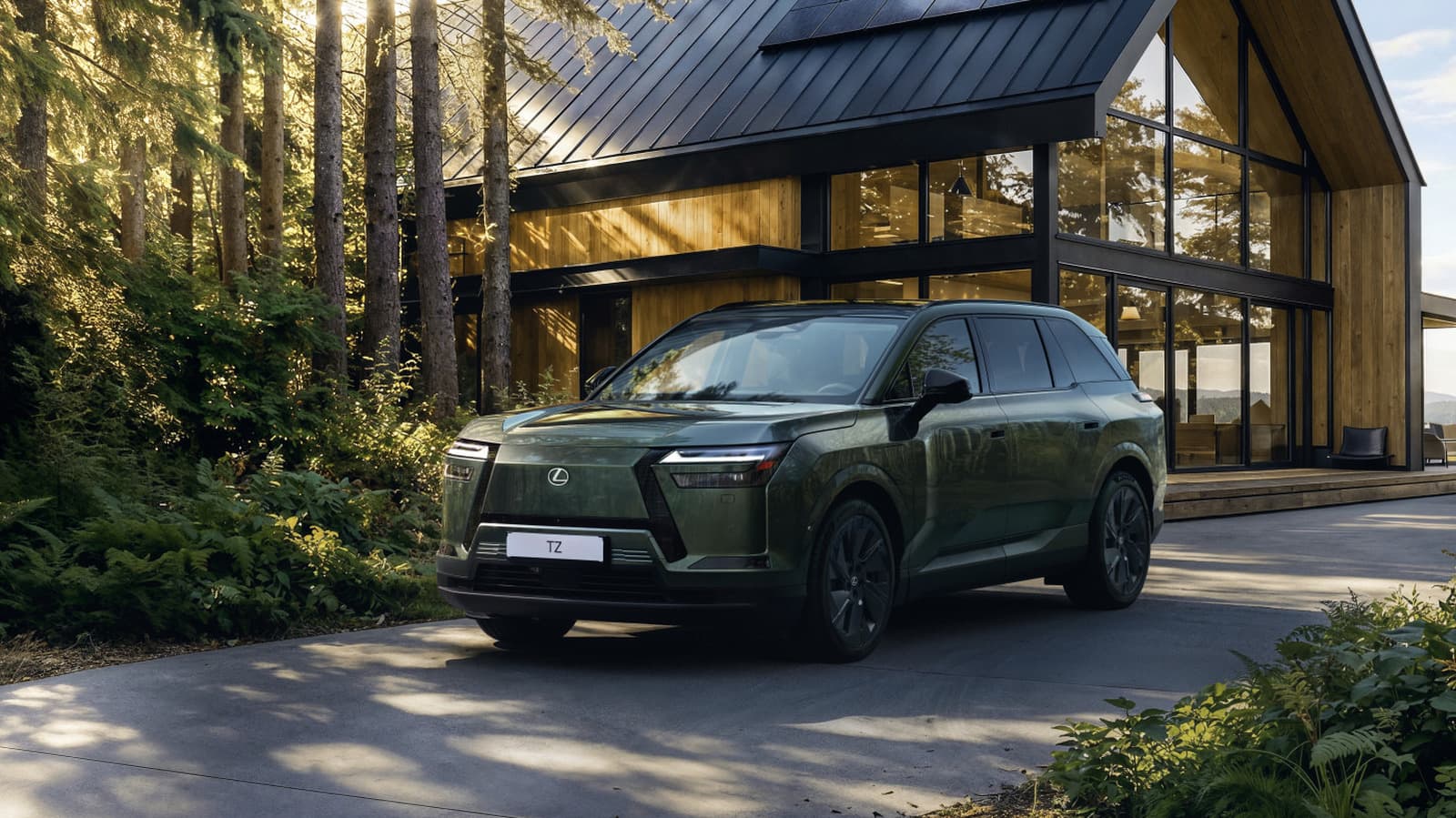
Lexus has unveiled the TZ, marking the brand's entry into the fully electric three-row SUV segment. The vehicle is positioned as a more refined and upscale counterpart to the Toyota Highlander EV, sharing its platform but offering distinct styling and a quieter cabin experience. The TZ is expected to go on sale in late 2024, with pricing starting around $60,000.
The TZ is built on Toyota's e-TNGA platform, which also underpins the bZ4X and the Subaru Solterra. However, Lexus engineers have focused on reducing noise, vibration, and harshness, resulting in a significantly quieter ride compared to its Toyota sibling. The SUV features a 77 kWh lithium-ion battery pack, powering a dual-motor all-wheel-drive system that produces a combined 308 horsepower.
Lexus claims the TZ can accelerate from 0 to 60 mph in 6.5 seconds, with an estimated range of over 300 miles on a full charge. The vehicle supports DC fast charging at up to 150 kW, allowing a 10-80% charge in approximately 30 minutes. The TZ also includes a heat pump for improved efficiency in cold weather.
Inside, the TZ offers seating for up to seven passengers, with captain's chairs available for the second row. The cabin features a 14-inch touchscreen infotainment system with wireless Apple CarPlay and Android Auto, a 12.3-inch digital instrument cluster, and a head-up display. Lexus also offers a Mark Levinson premium audio system and a panoramic glass roof.
Safety features include the Lexus Safety System+ 3.0, which encompasses adaptive cruise control, lane-keeping assist, automatic emergency braking, and blind-spot monitoring. The TZ also comes with a 360-degree camera system and front and rear parking sensors.
The TZ will be available in three trim levels: Standard, Premium, and Luxury. The Standard trim starts at $59,995, while the Premium and Luxury trims are priced at $64,995 and $69,995, respectively. All prices include a $1,295 destination fee.
Lexus plans to offer the TZ in all 50 U.S. states, with deliveries beginning in the fourth quarter of 2024. The vehicle will be built at Toyota's plant in Princeton, Indiana, alongside the Highlander and Highlander EV.
"The TZ represents a new chapter for Lexus, combining our signature quiet luxury with zero-emission performance," said a Lexus spokesperson. "We believe it will appeal to families seeking a premium electric SUV without compromise."