Nvidia Earnings and Retail Reports Set to Test Market Rally This Week
Investors await Nvidia's quarterly earnings to gauge AI demand, while Walmart and other retailers report on consumer spending amid inflation. The results will shape market direction as stocks hover near record highs.

Stock markets are scaling new peaks, but the coming week could determine whether the rally has legs. All eyes are on Nvidia's earnings report, scheduled for Wednesday, which will provide a critical litmus test for the artificial intelligence boom that has powered much of the market's gains. Meanwhile, major retailers including Walmart, Target, and Home Depot are set to release quarterly results, offering insights into consumer behavior as inflation persists and interest rates remain elevated.
Nvidia, the chipmaker at the heart of the AI revolution, is expected to report another blockbuster quarter. Analysts project revenue growth of over 100% year-over-year, driven by insatiable demand for its graphics processing units used in data centers and AI applications. The company's guidance will be closely scrutinized for signs that the AI spending spree by tech giants like Microsoft and Meta is sustainable. Any disappointment could trigger a sharp sell-off in tech stocks, which have led the broader market higher.
Retail earnings will paint a picture of the American consumer, who has remained resilient despite higher prices and borrowing costs. Walmart, the largest U.S. retailer, is expected to show steady sales growth, though margins may be squeezed by inflation and theft. Target and Home Depot will provide updates on discretionary spending, which has softened as households shift to essentials. These reports come amid mixed economic data, with strong job growth but cooling retail sales in recent months.
The confluence of tech and consumer data makes this week pivotal for market sentiment. If Nvidia delivers a strong report and retailers hold up, it could reinforce the narrative of a soft landing for the economy. Conversely, weak results could revive fears of a slowdown or excessive AI hype. The Federal Reserve's minutes from its last meeting, due Wednesday, will also be parsed for clues on interest rate policy.
For investors, the stakes are high. The S&P 500 is up nearly 20% in 2024, with Nvidia alone accounting for a significant portion of that gain. A stumble from the chipmaker could expose the market's concentration risk, where a handful of mega-cap stocks drive most returns. Retailers, on the other hand, represent the broader economy and could signal whether consumers are finally buckling under pressure.
Beyond the numbers, these reports will shape sector rotation. Strength in AI could boost tech and semiconductor ETFs, while weak retail data might favor defensive sectors like utilities and healthcare. International markets are also watching, as Nvidia's supply chain ties to Asia and Europe mean its performance has global implications.
Uncertainty remains high heading into the week. Options markets are pricing in a potential 10% swing in Nvidia's stock after earnings, reflecting the binary nature of the event. For retailers, inventory levels and holiday season outlooks will be key. Any surprises—positive or negative—could set the tone for trading into September, a historically volatile month for stocks.
AI-Powered Home Security Cameras Spark Confusion with Inaccurate Descriptions
Some AI-enhanced home security cameras are generating misleading or erroneous descriptions of events, causing frustration and false alarms for users in the US. The technology, intended to provide detailed alerts, often misidentifies objects or actions, undermining trust in smart home security systems.

A growing number of homeowners in the United States are reporting issues with artificial intelligence (AI) powered home security cameras that promise detailed event descriptions but instead deliver confusing or inaccurate alerts. These cameras, equipped with advanced object recognition and natural language generation, are designed to notify users about specific activities, such as a person walking up the driveway or an animal crossing the yard. However, users have complained that the AI frequently mislabels objects, misinterprets actions, or produces vague descriptions that lead to unnecessary panic or missed threats.
The problem stems from the AI models used to analyze video footage in real time. These models rely on pattern recognition to identify people, vehicles, animals, and other objects, but they can struggle with unusual angles, poor lighting, or partially obscured subjects. For instance, a camera might describe a blowing tree branch as a person, or a shadow as an animal, triggering false alerts. In some cases, the AI generates overly generic descriptions, such as "motion detected in the backyard," failing to provide the specificity that users expect from an AI-powered system.
Several popular brands, including Ring, Nest, and Arlo, have integrated AI features that generate text alerts like "a person is at the front door" or "a package has been delivered." While these features work well under ideal conditions, edge cases—such as a delivery person bending down or a pet walking past the lens—often result in misidentifications. For example, a user reported receiving an alert that said "a vehicle is in the driveway" when a large dog was actually present, while another user received a "person detected" notification for a mannequin in a neighbor's yard.
The confusion has practical consequences. False alarms can lead to unnecessary police dispatches, wasted time reviewing footage, and decreased trust in the system. Some users have disabled AI alerts altogether, reverting to simple motion detection. Security experts note that while AI can enhance home monitoring, it is not yet reliable enough for critical situations. The technology is trained on vast datasets, but real-world environments vary widely, and the AI may not generalize well to every home's layout, lighting, or activity patterns.
These issues affect users across all major platforms, including iOS and Android apps that accompany the cameras. Pricing for AI-enhanced cameras ranges from $100 to $400, with some requiring a subscription for advanced AI features. For example, Ring's Protect Plan ($3-$10 per month) enables person and package detection, while Nest Aware ($6-$12 per month) adds familiar face alerts. Despite the premium cost, the AI performance remains inconsistent, leading to frustration among paying customers.
As smart home adoption grows, manufacturers are under pressure to improve AI accuracy. Google, Amazon, and Arlo have released software updates to refine detection algorithms, but users report mixed results. The industry is exploring ways to combine multiple sensors—such as radar and thermal imaging—to reduce false positives, but these solutions are not yet widespread. In the meantime, users are advised to adjust sensitivity settings and verify alerts before taking action.
Looking ahead, the next generation of AI cameras may incorporate more advanced machine learning techniques, such as transformer models, to better understand context. However, until these improvements are deployed, homeowners should temper their expectations. The technology remains a helpful tool but not a flawless one, and relying solely on AI descriptions could lead to security gaps or unnecessary alarms.
NPR's Manoush Zomorodi Explores How Tech Affects Physical Health in New Book
Manoush Zomorodi, host of NPR's TED Radio Hour, releases 'Body Electric,' a book examining technology's impact on physical health. The work follows her previous book 'Bored and Brilliant' on mental health and is a collaboration with Columbia University Medical Center.

Manoush Zomorodi, the acclaimed reporter, podcast host, and author, is turning her attention to the physical toll of technology in her new book, 'Body Electric.' The book, a collaboration between NPR and Columbia University Medical Center, offers a comprehensive look at how our constant connection to devices affects our bodies. It follows her previous work, 'Bored and Brilliant,' which explored technology's impact on mental health and creativity.
'Body Electric' delves into the physiological consequences of prolonged screen time, poor posture, and sedentary behavior exacerbated by tech use. Zomorodi draws on scientific research and expert interviews to highlight issues like text neck, digital eye strain, and disrupted sleep patterns. The book also offers practical advice for mitigating these effects, such as taking regular breaks and adjusting ergonomics.
Zomorodi's exploration of tech's physical impact stems from her extensive podcasting background. She previously hosted WNYC's 'Note to Self,' which examined digital life, and now hosts NPR's 'TED Radio Hour.' Her work consistently bridges journalism and personal experience, making complex topics accessible to a broad audience.
The book positions itself as a follow-up to 'Bored and Brilliant,' which argued that constant digital stimulation hampers creativity and mental well-being. 'Body Electric' extends this critique to the physical realm, arguing that our bodies are paying the price for our digital habits. Zomorodi emphasizes that small changes can lead to significant improvements in health.
'Body Electric' is aimed at anyone who feels physically drained by their reliance on technology. It provides actionable strategies for reducing strain, from adjusting screen brightness to incorporating movement into the workday. The book is available in print, digital, and audio formats, with Zomorodi narrating the audiobook herself.
The book's release comes at a time when remote work and digital dependence are at an all-time high. Zomorodi hopes to spark a broader conversation about the need for tech companies to design products with physical health in mind. She also calls for workplace policies that prioritize employee well-being.
While 'Body Electric' offers solutions, Zomorodi acknowledges that more research is needed to fully understand technology's long-term physical effects. She plans to continue exploring this topic through her podcast and future projects. For now, the book serves as a vital resource for those seeking to reclaim their physical health in a digital age.
Cerebras Nearly Collapsed Burning $8M Monthly Before $60B AI Chip IPO
Cerebras Systems, now valued at $60B after its 2026 IPO, nearly went under in its early years while burning $8 million a month developing what many considered an impossible chip. The company's survival hinged on a pivot to wafer-scale AI chips, which eventually revolutionized AI computing.
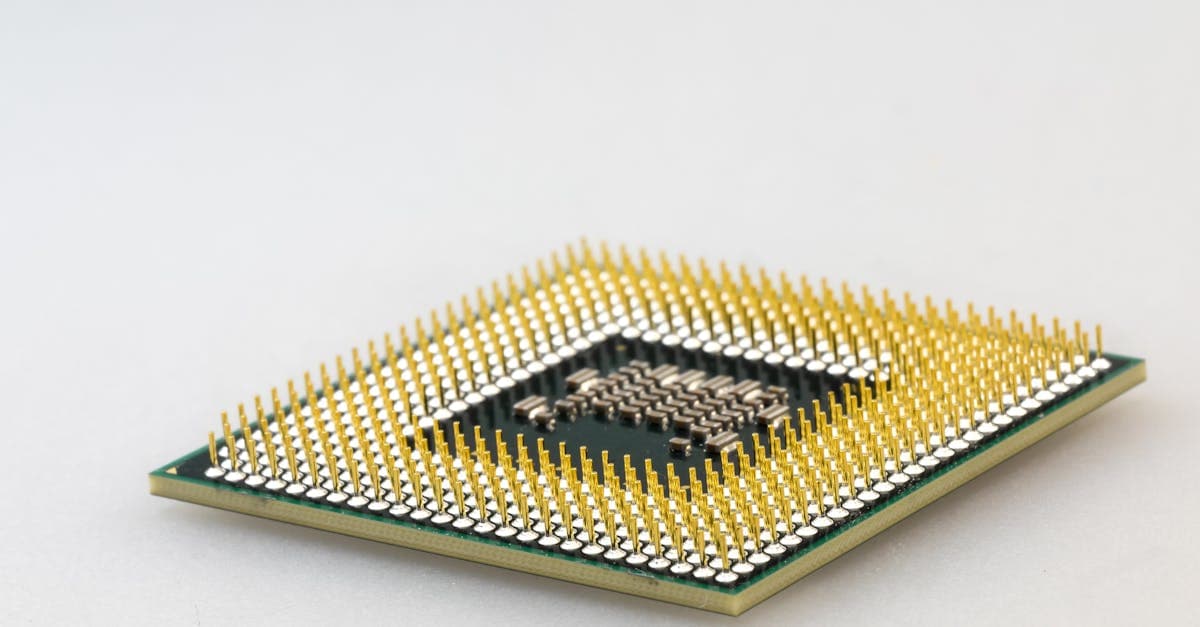
Cerebras Systems, which recently became the biggest tech IPO of 2026 with a $60 billion valuation, nearly collapsed in its early years while burning through $8 million a month. The company was developing a chip that many industry experts believed was impossible to build. At one point, Cerebras had only a few months of runway left before running out of cash entirely.
The chip in question was the Wafer-Scale Engine (WSE), a massive processor the size of a dinner plate that contained 1.2 trillion transistors. Traditional chip manufacturing produces multiple chips from a single silicon wafer, but Cerebras aimed to use the entire wafer as one giant chip. This approach required solving enormous technical challenges, including heat dissipation, manufacturing defects, and power delivery across the wafer.
Cerebras's breakthrough came when it developed a redundant architecture that could route around defective areas on the wafer, allowing the chip to function despite inevitable manufacturing imperfections. The company also designed a sophisticated cooling system using water channels embedded directly into the chip package. These innovations made the WSE viable for AI workloads that required massive parallel processing.
The company's survival was secured by a combination of strategic pivots and key investors who believed in the vision. Cerebras initially targeted scientific computing but later repositioned itself for AI training and inference, which proved to be a much larger market. The company also secured crucial funding rounds from investors like Benchmark Capital and Coatue Management.
Cerebras's wafer-scale chips are now used by major AI labs, including national laboratories and large enterprises. The chips excel at training large language models and running inference for applications like drug discovery and climate modeling. Compared to traditional GPU clusters, Cerebras systems offer lower latency and higher throughput for certain workloads.
The IPO was a landmark event for the AI hardware industry, demonstrating that alternative chip architectures could compete with Nvidia's dominant GPUs. Cerebras's success has also validated the wafer-scale approach, prompting other chipmakers to explore similar designs. The company now faces the challenge of scaling production to meet surging demand.
For users and enterprises, Cerebras's chips are not sold directly but through cloud services like Cerebras Cloud and partnerships with data center operators. Pricing is not publicly disclosed but is typically based on compute time or subscription models. The chips are available in select regions, primarily in the United States and Europe, with expansion plans for Asia.
Despite its success, Cerebras faces ongoing challenges, including competition from Nvidia's next-generation architectures and the need to continuously improve its software stack. The company is also exploring new applications in edge computing and autonomous systems. Industry watchers expect Cerebras to announce its next-generation WSE within the next year.
Turtle Beach Stealth Pro 2 Takes on SteelSeries with $50 Lower Price Tag
Turtle Beach's Stealth Pro 2 wireless headset offers similar features to the SteelSeries Arctis Nova Pro Omni at a $50 lower price. The new headset boasts wireless hi-res audio, improved mic quality, and broad console compatibility.
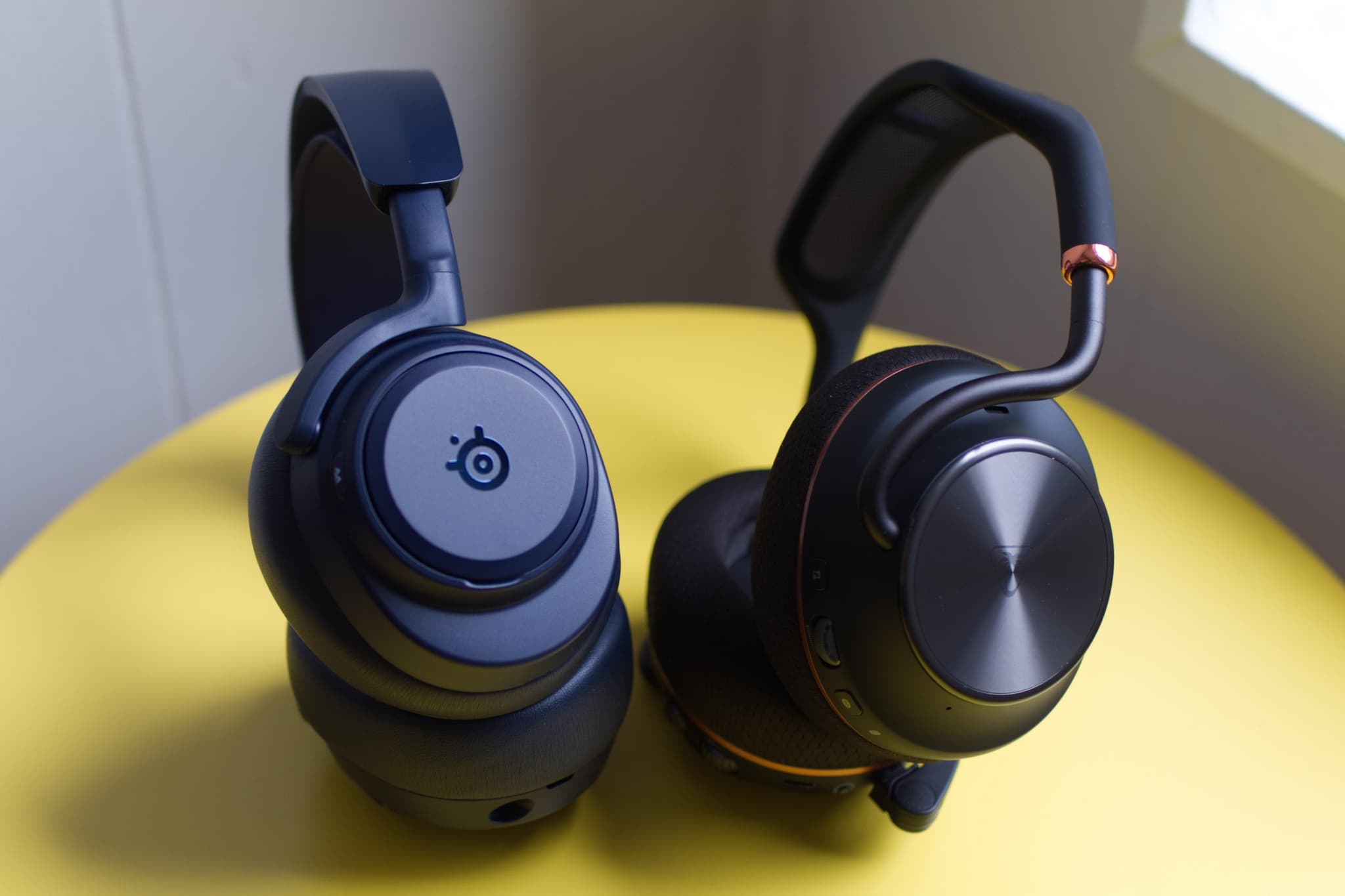
Turtle Beach has launched the Stealth Pro 2, a wireless gaming headset that directly competes with SteelSeries' latest premium offering, the Arctis Nova Pro Omni, but at a significantly lower price point. The Stealth Pro 2, priced at $349, undercuts the Nova Pro Omni by $50, making it an attractive option for gamers seeking high-end audio without breaking the bank. Both headsets were released within weeks of each other, with the Nova Pro Omni arriving on May 5th and the Stealth Pro 2 hitting shelves shortly before.
The Stealth Pro 2 supports wireless hi-res audio at 24-bit / 96kHz over a 2.4GHz connection, matching the Nova Pro Omni's audio capabilities. It also features improved microphone quality for clearer in-game communication and is compatible with all major consoles, including PlayStation, Xbox, and Nintendo Switch, across all its models. The headset uses a dual-battery system, allowing users to swap batteries for uninterrupted gaming sessions, a feature borrowed from its predecessor.
Turtle Beach has equipped the Stealth Pro 2 with 50mm Nanoclear drivers, which deliver a wide frequency range and immersive sound. The headset also includes active noise cancellation (ANC) to block out ambient noise, a feature that was present in the previous Stealth Pro model. On the design front, the Stealth Pro 2 retains a similar aesthetic to its predecessor, with a sturdy build and plush ear cushions for comfort during long gaming sessions.
The Stealth Pro 2 enters a competitive market where SteelSeries has dominated with the Arctis Nova Pro Wireless series. The Nova Pro Omni, priced at $399, offers a similar feature set, including wireless hi-res audio and ANC. However, SteelSeries also offers the $599 Nova Elite, which upgrades build materials and uses larger drivers but otherwise shares the same core features. Turtle Beach's aggressive pricing positions the Stealth Pro 2 as a value-oriented alternative for gamers who want premium features without the premium price.
The headset is available now directly from Turtle Beach's website and through major retailers like Amazon and Best Buy. It comes in two variants: one for Xbox and one for PlayStation, each optimized for the respective console's audio standards. The $349 price point applies to both versions, making it a consistent option across platforms. Turtle Beach has also confirmed that the Stealth Pro 2 will receive firmware updates to ensure compatibility with future consoles and audio formats.
While the Stealth Pro 2 offers compelling value, it does lack some of the premium touches found in the Nova Elite, such as metal construction and larger drivers. Additionally, the headset's software suite, while functional, may not be as polished as SteelSeries' Sonar audio tool. However, for most gamers, the differences in build quality and driver size may not justify the $250 price gap between the Stealth Pro 2 and the Nova Elite.
Looking ahead, Turtle Beach is expected to release additional accessories for the Stealth Pro 2, such as replacement ear pads and a charging stand. The company has also hinted at potential software updates that could add new features like spatial audio profiles. For now, the Stealth Pro 2 stands as a strong contender in the premium wireless headset space, offering a near-identical feature set to its rival at a more accessible price.