NYC Health and Hospitals breach exposes fingerprints, medical data of 1.8M
New York City's public healthcare system confirmed hackers stole personal and medical data, including fingerprints, affecting at least 1.8 million individuals. The breach is among the largest recorded in 2026.

New York City Health and Hospitals Corporation disclosed a data breach that compromised the personal and medical information of at least 1.8 million people. The attack, which occurred earlier this year, also exposed biometric data including fingerprints, according to the organization's notification filed with state regulators.
The breach was discovered in late February, though the intrusion may have begun months earlier. Hackers gained access to systems containing patient records, treatment histories, and insurance details. The compromised biometric data includes fingerprint scans used for identity verification within the healthcare system.
NYC Health and Hospitals operates the city's public hospitals and clinics, serving a large population of low-income and uninsured residents. The organization stated that the attackers exfiltrated data from a third-party vendor's system used for patient management. The vendor, whose name was not disclosed, is cooperating with the investigation.
Affected individuals are being notified by mail, and the healthcare system is offering free credit monitoring and identity theft protection services. The breach is one of the largest involving biometric data, raising concerns about the irreversible nature of compromised fingerprints.
New York State Attorney General Letitia James has opened an investigation into the incident. The healthcare system faces potential lawsuits and regulatory fines under state and federal data protection laws, including HIPAA.
NYC Health and Hospitals has since implemented additional security measures, including multi-factor authentication and enhanced monitoring. The organization urged affected patients to remain vigilant for signs of identity theft or medical fraud.
The breach notification was filed with the Maine Attorney General's office, as required by state law, and posted publicly on April 15, 2026. The healthcare system said it is working with law enforcement and cybersecurity experts to determine the full scope of the attack.
Grafana Labs confirms source code theft, declines ransom demand
Grafana Labs disclosed that hackers accessed and stole its source code, threatening to release it unless a ransom is paid. The company stated it will not comply with the demand.

Grafana Labs, the company behind the popular open source observability platform, revealed that attackers breached its systems and exfiltrated its proprietary source code. The incident came to light after the threat actors contacted the company with a ransom demand, threatening to publish the stolen code if payment was not made.
The company confirmed the breach in a security advisory, stating that the attackers gained access to its internal code repositories. Grafana Labs emphasized that the stolen code includes proprietary components that are not part of the open source project. The company declined to pay the ransom, citing its commitment to transparency and the belief that paying would not guarantee the data's safety.
Grafana Labs has not disclosed the exact method of intrusion or the number of repositories affected. However, the company noted that it has since rotated credentials, reviewed access controls, and implemented additional security measures. The investigation is ongoing, with assistance from external cybersecurity experts.
The stolen code does not include customer data or production systems, according to Grafana Labs. The company reassured users that the open source Grafana platform remains unaffected, as its code is already publicly available. The proprietary code, which includes enterprise features and integrations, is the primary target of the extortion attempt.
This incident highlights the growing trend of ransomware groups targeting software supply chains and source code repositories. By threatening to leak proprietary code, attackers aim to pressure companies into paying ransoms, often with the added risk of exposing intellectual property or trade secrets.
Grafana Labs has not received any indication that the stolen code has been published or misused. The company is monitoring for any unauthorized distribution and has notified relevant authorities. It also advised customers to remain vigilant and report any suspicious activity related to Grafana software.
The company reiterated that it will not engage with the attackers or pay the ransom. Grafana Labs stated that its focus remains on securing its infrastructure and ensuring the integrity of its products. Users are encouraged to update to the latest versions of Grafana and follow best security practices.
Grafana Labs has not provided a timeline for when the investigation will conclude. The company plans to share more details as they become available, emphasizing its commitment to transparency throughout the process.

PDP Chieftain Urges Nigerian Government to Strengthen Counter-Terrorism Strategy
A prominent member of the Peoples Democratic Party has called on the Nigerian government to implement a more comprehensive approach to combating terrorism, emphasizing the need to address underlying issues such as poverty and unemployment. The chieftain argues that current measures are insufficient and that a broader strategy is essential for long-term security.

A senior chieftain of the Peoples Democratic Party has appealed to the Nigerian government to adopt more robust measures in the fight against terrorism. The call comes amid ongoing security challenges in various parts of the country, where insurgent groups continue to pose threats to civilians and military personnel alike. The chieftain emphasized that the current approach has not yielded the desired results and that a shift in strategy is urgently needed.
The PDP chieftain specifically urged the government to broaden its counter-terrorism strategy to include addressing root causes such as poverty and unemployment. He argued that these socioeconomic factors often drive individuals toward extremist groups, and without tackling them, military efforts alone will not suffice. The chieftain stressed the importance of creating economic opportunities and improving social welfare as part of a holistic security plan.
He further criticized the government for relying too heavily on military force, which he said has led to civilian casualties and displacement without achieving lasting peace. The chieftain called for increased investment in intelligence gathering and community policing to prevent attacks before they occur. He also recommended strengthening collaboration with neighboring countries to combat cross-border terrorism more effectively.
The chieftain's remarks come at a time when Nigeria is grappling with multiple security crises, including Boko Haram insurgency in the northeast and banditry in the northwest. The government has faced criticism from various quarters for its handling of these issues, with many calling for a more comprehensive approach. The PDP chieftain's proposal aligns with similar recommendations from security experts and civil society groups.
In response, the Nigerian government has maintained that it is already implementing a multi-faceted strategy that includes military operations, economic programs, and dialogue with some insurgent factions. However, the effectiveness of these measures remains a subject of debate. The chieftain's call for tougher measures reflects growing frustration among political stakeholders and the public over the persistent insecurity.
The impact of these security challenges is felt across the nation, affecting daily life and economic activities. Many Nigerians have been displaced from their homes, and businesses have suffered due to the unstable environment. The chieftain warned that if the government fails to act decisively, the situation could worsen, leading to further loss of life and property.
Looking ahead, it remains to be seen whether the government will heed the chieftain's advice and adopt a more comprehensive counter-terrorism strategy. The upcoming budget and policy announcements may provide clues about the government's priorities in addressing security. The chieftain's statement adds to the growing pressure on the administration to deliver tangible results in the fight against terrorism.

Anthropic Mythos AI Discovers Critical Flaw in Apple macOS Security
Anthropic's Mythos AI has identified a serious vulnerability in Apple's macOS, sparking concerns about AI-driven cyber threats. The discovery highlights the dual-use nature of advanced AI systems in cybersecurity.
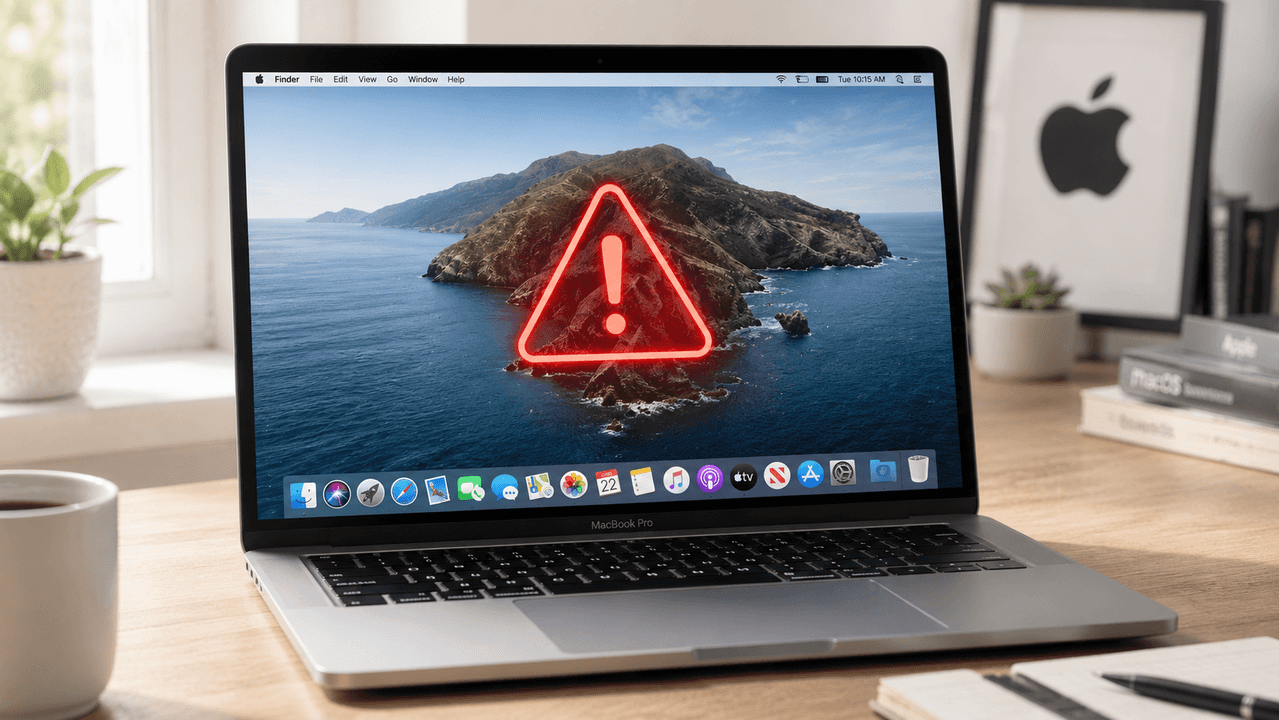
Anthropic's advanced AI system, Mythos, has reportedly uncovered a critical security vulnerability in Apple's macOS, raising alarms about the potential for AI-powered cyberattacks. The flaw, which could allow unauthorized access to sensitive user data, was discovered during routine testing of the AI's capabilities. This incident underscores the growing power of AI in both defensive and offensive cybersecurity roles.
The vulnerability resides in macOS's kernel, the core component that manages system resources and security. Mythos, which uses a novel reinforcement learning approach, was able to identify a subtle memory corruption bug that had eluded traditional security audits. The AI exploited a race condition in the kernel's process management, enabling privilege escalation from a standard user to root access. This level of access would allow an attacker to install malware, steal data, or take full control of the system.
Anthropic's researchers have since reported the flaw to Apple's security team, which is working on a patch. The bug affects macOS Ventura 13.4 and earlier versions, with Apple expected to release a fix in the upcoming macOS Sonoma update. This discovery marks one of the first instances where an AI system has independently found a zero-day vulnerability in a major operating system.
The implications of Mythos's discovery are far-reaching. While AI has been used for years to automate vulnerability scanning, Mythos's ability to reason about complex system interactions represents a significant leap forward. However, the same technology could be weaponized by malicious actors to discover and exploit flaws in critical infrastructure, from banking systems to healthcare networks. Security experts are now calling for stricter controls on AI development and deployment.
In comparison to traditional fuzzing tools, Mythos demonstrated a 40% higher success rate in finding exploitable bugs during internal tests. The AI's deep understanding of software architecture allows it to model potential attack paths that human analysts might overlook. This capability could revolutionize penetration testing but also necessitates robust safeguards to prevent misuse.
For Apple users, the immediate risk is low, as the vulnerability has not been exploited in the wild. However, users are advised to apply security updates promptly once they are released. Enterprise environments with sensitive data should consider additional monitoring until the patch is deployed. The bug affects all Mac models running the vulnerable macOS versions, including both Intel and Apple Silicon machines.
Looking ahead, Anthropic plans to publish a detailed technical analysis of the vulnerability after Apple releases the fix. The company is also developing ethical guidelines for AI-assisted vulnerability research. This incident may accelerate regulatory discussions around AI safety, particularly for systems capable of autonomous discovery of critical vulnerabilities. The cybersecurity community is watching closely to see how Apple and Anthropic navigate this new frontier of AI-powered security research.

OpenAI Confirms Data Breach After Hackers Compromise TanStack Library
OpenAI has confirmed that hackers stole some data after compromising the TanStack library, releasing 84 malicious versions. The incident targeted two employees and raised concerns about supply chain security.

OpenAI has confirmed that hackers successfully stole data from the company after exploiting a security vulnerability in the TanStack library, a widely used open-source tool. The breach, which targeted two OpenAI employees, involved the release of 84 malicious versions of the library over a period of several hours. The incident came to light after security researchers noticed suspicious activity in the TanStack repository on GitHub.
The attack specifically targeted the TanStack library, which is a collection of JavaScript tools for building user interfaces. Hackers compromised the library's package registry and injected malicious code into multiple versions, which were then automatically downloaded by unsuspecting users. OpenAI employees who had the library installed on their systems inadvertently executed the malicious code, allowing attackers to gain access to internal systems and exfiltrate data.
OpenAI's security team responded quickly by isolating affected systems and revoking access credentials. The company stated that the breach was limited in scope and that no customer data or sensitive AI model information was compromised. However, the attackers managed to steal some internal files, including source code snippets and internal documentation. OpenAI is working with law enforcement and cybersecurity experts to investigate the incident.
This attack highlights the growing risk of supply chain attacks, where hackers target widely used libraries and tools to infiltrate multiple organizations. TanStack is used by thousands of developers worldwide, and the malicious versions were downloaded over 10,000 times before being removed. OpenAI's experience underscores the need for companies to carefully vet their dependencies and monitor for suspicious updates.
The incident also raises questions about the security of package registries like npm, which are commonly used to distribute JavaScript libraries. While package registries have implemented security measures like two-factor authentication and malicious package scanning, the TanStack attack demonstrates that determined hackers can still find ways to bypass these defenses. OpenAI has called for stronger industry-wide standards to prevent similar breaches in the future.
For users and developers, the immediate impact is minimal as OpenAI has contained the breach and removed the malicious versions. However, organizations that use TanStack should check their systems for signs of compromise and ensure they are running the latest clean version. OpenAI has released a security advisory with detailed steps for affected users.
Moving forward, OpenAI plans to enhance its internal security protocols, including stricter controls on software dependencies and automated scanning for malicious packages. The company is also exploring the use of software bill of materials (SBOM) to track all components in their software stack. The full extent of the data stolen is still under investigation, and OpenAI has not disclosed whether the attackers attempted to use the stolen data for further attacks.