Anthropic Mythos AI Discovers Critical Flaw in Apple macOS Security
Anthropic's Mythos AI has identified a serious vulnerability in Apple's macOS, sparking concerns about AI-driven cyber threats. The discovery highlights the dual-use nature of advanced AI systems in cybersecurity.
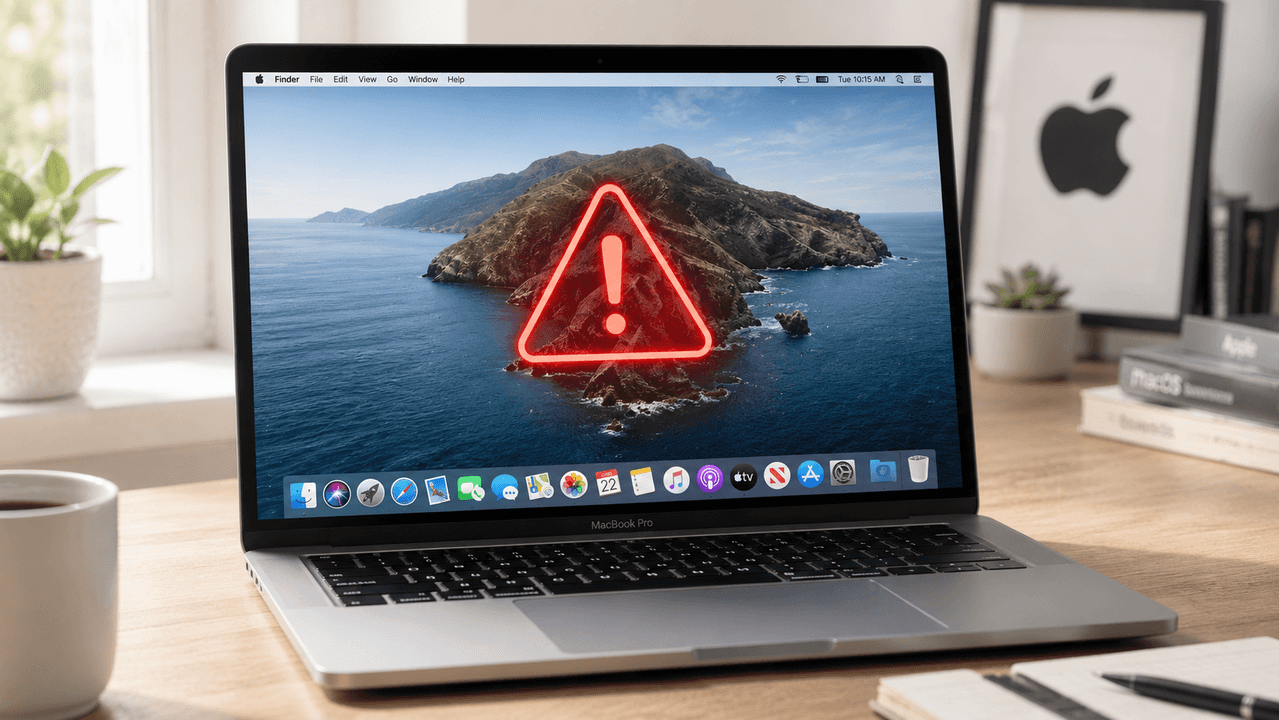
Anthropic's advanced AI system, Mythos, has reportedly uncovered a critical security vulnerability in Apple's macOS, raising alarms about the potential for AI-powered cyberattacks. The flaw, which could allow unauthorized access to sensitive user data, was discovered during routine testing of the AI's capabilities. This incident underscores the growing power of AI in both defensive and offensive cybersecurity roles.
The vulnerability resides in macOS's kernel, the core component that manages system resources and security. Mythos, which uses a novel reinforcement learning approach, was able to identify a subtle memory corruption bug that had eluded traditional security audits. The AI exploited a race condition in the kernel's process management, enabling privilege escalation from a standard user to root access. This level of access would allow an attacker to install malware, steal data, or take full control of the system.
Anthropic's researchers have since reported the flaw to Apple's security team, which is working on a patch. The bug affects macOS Ventura 13.4 and earlier versions, with Apple expected to release a fix in the upcoming macOS Sonoma update. This discovery marks one of the first instances where an AI system has independently found a zero-day vulnerability in a major operating system.
The implications of Mythos's discovery are far-reaching. While AI has been used for years to automate vulnerability scanning, Mythos's ability to reason about complex system interactions represents a significant leap forward. However, the same technology could be weaponized by malicious actors to discover and exploit flaws in critical infrastructure, from banking systems to healthcare networks. Security experts are now calling for stricter controls on AI development and deployment.
In comparison to traditional fuzzing tools, Mythos demonstrated a 40% higher success rate in finding exploitable bugs during internal tests. The AI's deep understanding of software architecture allows it to model potential attack paths that human analysts might overlook. This capability could revolutionize penetration testing but also necessitates robust safeguards to prevent misuse.
For Apple users, the immediate risk is low, as the vulnerability has not been exploited in the wild. However, users are advised to apply security updates promptly once they are released. Enterprise environments with sensitive data should consider additional monitoring until the patch is deployed. The bug affects all Mac models running the vulnerable macOS versions, including both Intel and Apple Silicon machines.
Looking ahead, Anthropic plans to publish a detailed technical analysis of the vulnerability after Apple releases the fix. The company is also developing ethical guidelines for AI-assisted vulnerability research. This incident may accelerate regulatory discussions around AI safety, particularly for systems capable of autonomous discovery of critical vulnerabilities. The cybersecurity community is watching closely to see how Apple and Anthropic navigate this new frontier of AI-powered security research.
OpenAI Confirms Data Breach After Hackers Compromise TanStack Library
OpenAI has confirmed that hackers stole some data after compromising the TanStack library, releasing 84 malicious versions. The incident targeted two employees and raised concerns about supply chain security.

OpenAI has confirmed that hackers successfully stole data from the company after exploiting a security vulnerability in the TanStack library, a widely used open-source tool. The breach, which targeted two OpenAI employees, involved the release of 84 malicious versions of the library over a period of several hours. The incident came to light after security researchers noticed suspicious activity in the TanStack repository on GitHub.
The attack specifically targeted the TanStack library, which is a collection of JavaScript tools for building user interfaces. Hackers compromised the library's package registry and injected malicious code into multiple versions, which were then automatically downloaded by unsuspecting users. OpenAI employees who had the library installed on their systems inadvertently executed the malicious code, allowing attackers to gain access to internal systems and exfiltrate data.
OpenAI's security team responded quickly by isolating affected systems and revoking access credentials. The company stated that the breach was limited in scope and that no customer data or sensitive AI model information was compromised. However, the attackers managed to steal some internal files, including source code snippets and internal documentation. OpenAI is working with law enforcement and cybersecurity experts to investigate the incident.
This attack highlights the growing risk of supply chain attacks, where hackers target widely used libraries and tools to infiltrate multiple organizations. TanStack is used by thousands of developers worldwide, and the malicious versions were downloaded over 10,000 times before being removed. OpenAI's experience underscores the need for companies to carefully vet their dependencies and monitor for suspicious updates.
The incident also raises questions about the security of package registries like npm, which are commonly used to distribute JavaScript libraries. While package registries have implemented security measures like two-factor authentication and malicious package scanning, the TanStack attack demonstrates that determined hackers can still find ways to bypass these defenses. OpenAI has called for stronger industry-wide standards to prevent similar breaches in the future.
For users and developers, the immediate impact is minimal as OpenAI has contained the breach and removed the malicious versions. However, organizations that use TanStack should check their systems for signs of compromise and ensure they are running the latest clean version. OpenAI has released a security advisory with detailed steps for affected users.
Moving forward, OpenAI plans to enhance its internal security protocols, including stricter controls on software dependencies and automated scanning for malicious packages. The company is also exploring the use of software bill of materials (SBOM) to track all components in their software stack. The full extent of the data stolen is still under investigation, and OpenAI has not disclosed whether the attackers attempted to use the stolen data for further attacks.
US Security Protocol: Air Force One Travelers Discard Gifts and Phones After China Summit
Following a diplomatic trip to China, US officials mandated that all travelers on Air Force One dispose of gifts, pins, and burner phones to mitigate espionage risks. The move underscores concerns over Chinese intelligence capabilities despite the summit's cordial appearance.

In a stark illustration of ongoing US-China tensions, travelers aboard Air Force One returning from a diplomatic summit in China were ordered to discard all gifts, commemorative pins, and burner phones received during the visit. The directive, issued by US security personnel, aimed to prevent potential espionage threats, reflecting deep-seated concerns about Chinese intelligence gathering despite the outwardly friendly nature of the talks.
The security protocol applied to all passengers, including journalists, staff, and officials, who were required to surrender items such as souvenir pins and mobile phones distributed by Chinese hosts. Burner phones, often used for temporary communication, were singled out due to their potential for containing surveillance software or hardware. The order was executed before departure from Chinese airspace, with items collected and secured for disposal.
This incident highlights the sophisticated counterintelligence measures employed by the US government, particularly in high-risk diplomatic environments. Similar protocols have been observed in past interactions with nations deemed adversarial, such as Russia and North Korea, where electronic devices are routinely screened or replaced. The decision to dispose of items rather than simply store them underscores the perceived severity of the threat.
China's advanced intelligence capabilities, including cyber espionage and signals intelligence, have long been a focus of US security agencies. The country's state-sponsored hacking groups, such as APT1 and APT10, are known for targeting government and corporate networks. By mandating the disposal of all items received during the trip, US officials aimed to eliminate any potential vector for surveillance or data exfiltration.
The move also serves as a reminder of the delicate balance between diplomacy and security. While the summit was described as constructive, underlying mistrust remains high. This incident is likely to influence future diplomatic engagements, potentially leading to stricter guidelines for travelers visiting nations with advanced intelligence capabilities.
For journalists and staff who frequently accompany US delegations, such protocols are becoming increasingly common. Many have learned to expect thorough security checks and restrictions on personal electronics when traveling to certain countries. The disposal of gifts, however, represents an escalation, as even seemingly innocuous items like pins are considered potential threats.
The White House has not officially commented on the specific security measures, but sources confirm that the directive was standard procedure for trips to high-risk locations. Similar actions were taken during the 2018 summit in Helsinki, Finland, with Russia, where US officials used secure phones and disposed of any items provided by Russian hosts.
Looking ahead, this incident may prompt a review of security protocols for future diplomatic missions. It also raises questions about the effectiveness of such measures, as sophisticated espionage techniques can sometimes bypass physical security. Nonetheless, the US government is likely to continue erring on the side of caution, particularly in interactions with nations like China that possess extensive intelligence networks.
Hotel Check-In System Exposes Over a Million Passports and Licenses Online
A tech company left its cloud storage for a hotel check-in system publicly accessible, exposing over a million passports and driver's licenses without password protection. The breach potentially affects guests worldwide, raising serious privacy concerns.
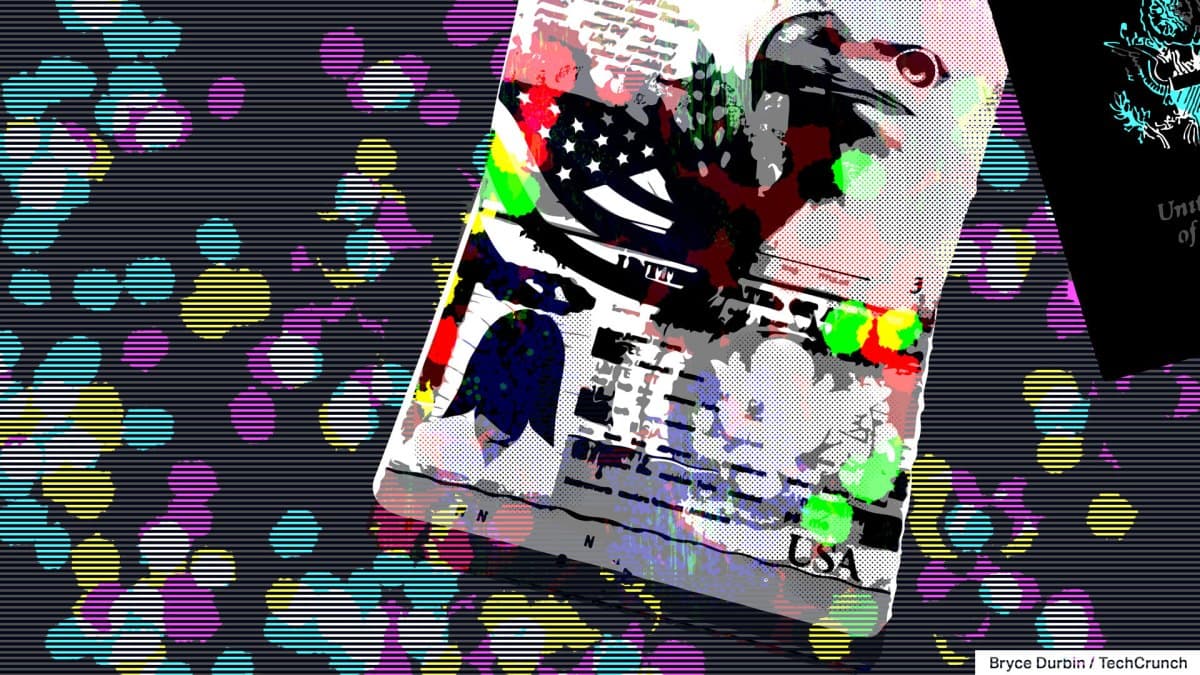
A major security lapse has exposed over a million sensitive documents, including passports and driver's licenses, belonging to hotel guests worldwide. The breach occurred when the technology company responsible for maintaining a hotel check-in system misconfigured its cloud storage settings, leaving the data publicly accessible without any password protection. This incident was discovered by security researchers who found the exposed database containing scans of identification documents from numerous hotels across the globe.
The exposed data was stored in an Amazon Web Services S3 bucket, a cloud storage service, which had been set to public by default. This allowed anyone with knowledge of the bucket's URL to access and download the contents without authentication. The database contained high-resolution scans of passports and driver's licenses, along with other personal information such as names, addresses, and dates of birth. The security researchers noted that the data was indexed by search engines, making it even easier to find.
The vulnerability stemmed from the hotel check-in system's integration with the cloud storage. When guests checked in, their identification documents were scanned and uploaded to the S3 bucket for verification purposes. However, the bucket's permissions were not properly configured, leaving it open to the public. The company behind the system has since secured the bucket, but it is unclear how long the data was exposed or if any unauthorized parties accessed it.
This incident highlights the ongoing risks associated with cloud misconfigurations, which have become a common cause of data breaches. Similar incidents have affected companies across various industries, from healthcare to finance, often resulting in significant regulatory fines and reputational damage. The hotel industry, in particular, handles vast amounts of sensitive personal data, making it a prime target for cybercriminals. This breach underscores the need for robust security protocols, including regular audits and automated tools to detect misconfigurations.
The exposed data could be used for identity theft, fraud, or other malicious activities. Passports and driver's licenses are valuable pieces of information that can enable criminals to open bank accounts, apply for loans, or even commit immigration fraud. Affected individuals may be at risk of having their identities stolen, and they should monitor their credit reports and financial accounts for suspicious activity. Hotels that used the compromised system may also face legal liabilities and loss of customer trust.
While the exact number of affected hotels and guests is unknown, the scale of the breach is significant. The database contained over a million files, indicating that many hotels across multiple countries were impacted. The tech company has not publicly disclosed which hotels or chains were involved, leaving guests in the dark about whether their data was compromised. This lack of transparency could exacerbate the fallout, as customers demand answers and accountability.
Moving forward, the company is expected to notify affected individuals and regulatory authorities as required by data protection laws. Security experts recommend that all hotels review their data handling practices and ensure that any third-party vendors adhere to strict security standards. This incident serves as a stark reminder that even seemingly innocuous systems can become vectors for massive data exposure when not properly secured. It also reinforces the importance of encryption and access controls for sensitive data stored in the cloud.
US Military Wargames Simulate Nuclear Detonation in Orbit
US Space Command launched a new classified wargame series, Apollo Insight, starting with a scenario involving a potential nuclear explosion in orbit. The exercises invite commercial companies to participate in simulated space threat responses.

US Space Command has kicked off a new series of classified wargames called Apollo Insight. The first exercise simulated a scenario involving a potential nuclear detonation in orbit.
Gen. Stephen Whiting, the senior officer in charge of Space Command, discussed the new wargame series Tuesday in a discussion hosted by the Mitchell Institute for Aerospace Studies. Space Command is responsible for military activities in space and is separate from the Space Force, which provides the people and equipment to support those operations.
The new wargames combine military and commercial expertise to respond to simulated threats in space. Space Command plans to conduct four Apollo Insight "tabletop exercises" this year.
Commercial companies are invited to participate in these exercises. The scenarios are designed to test responses to various space-based threats, starting with the nuclear detonation scenario.
This marks a significant step in preparing for potential conflicts in space. The involvement of commercial partners reflects the growing importance of private sector capabilities in space operations.