Pornhub Unblocks UK Users Who Verify Age via Apple
Pornhub's parent company Aylo announced that UK iOS users who verify their age through Apple will regain full access to the adult website. The move comes as the UK implements new age verification laws for online adult content.

Pornhub is restoring access for UK users who verify their age through Apple’s system, its parent company Aylo confirmed. The change applies specifically to iOS users in the UK who complete the age verification process via Apple’s technology. Those who do not verify will continue to face restrictions on the platform.
Aylo stated that the decision aligns with the UK’s new regulatory framework for adult content. The company emphasized that age verification is a critical step to ensure compliance with local laws. Apple’s system provides a secure and private method for users to confirm they are over 18.
The verification process requires users to authenticate their Apple ID, which then confirms their age without sharing personal data with Pornhub. This approach aims to balance legal requirements with user privacy. Aylo noted that the system is designed to prevent underage access while minimizing data exposure.
UK users who do not verify their age will still be blocked from viewing content on Pornhub. The company has previously restricted access in other regions with similar age verification mandates. Aylo said it is working to implement comparable solutions for other platforms and devices.
The UK’s Online Safety Act, which took effect earlier this year, imposes strict obligations on adult websites to verify user ages. Non-compliance can result in significant fines. Pornhub’s move to integrate Apple’s verification system is seen as a direct response to these legal pressures.
Aylo also operates other adult sites such as YouPorn and RedTube, which may adopt similar verification methods in the future. The company has not yet announced plans for Android users or desktop access. Currently, only iOS users in the UK have the option to verify via Apple.
The age verification feature is available immediately for UK iOS users. Pornhub expects the system to expand to other regions as local regulations evolve. Aylo reiterated its commitment to age verification as a standard practice across its platforms.
Xbox drops Microsoft Copilot AI from consoles and mobile app
Microsoft has canceled plans to bring its Copilot AI assistant to Xbox consoles and will remove it from the Xbox mobile app. The decision affects the AI feature that was previously integrated into the Xbox experience.
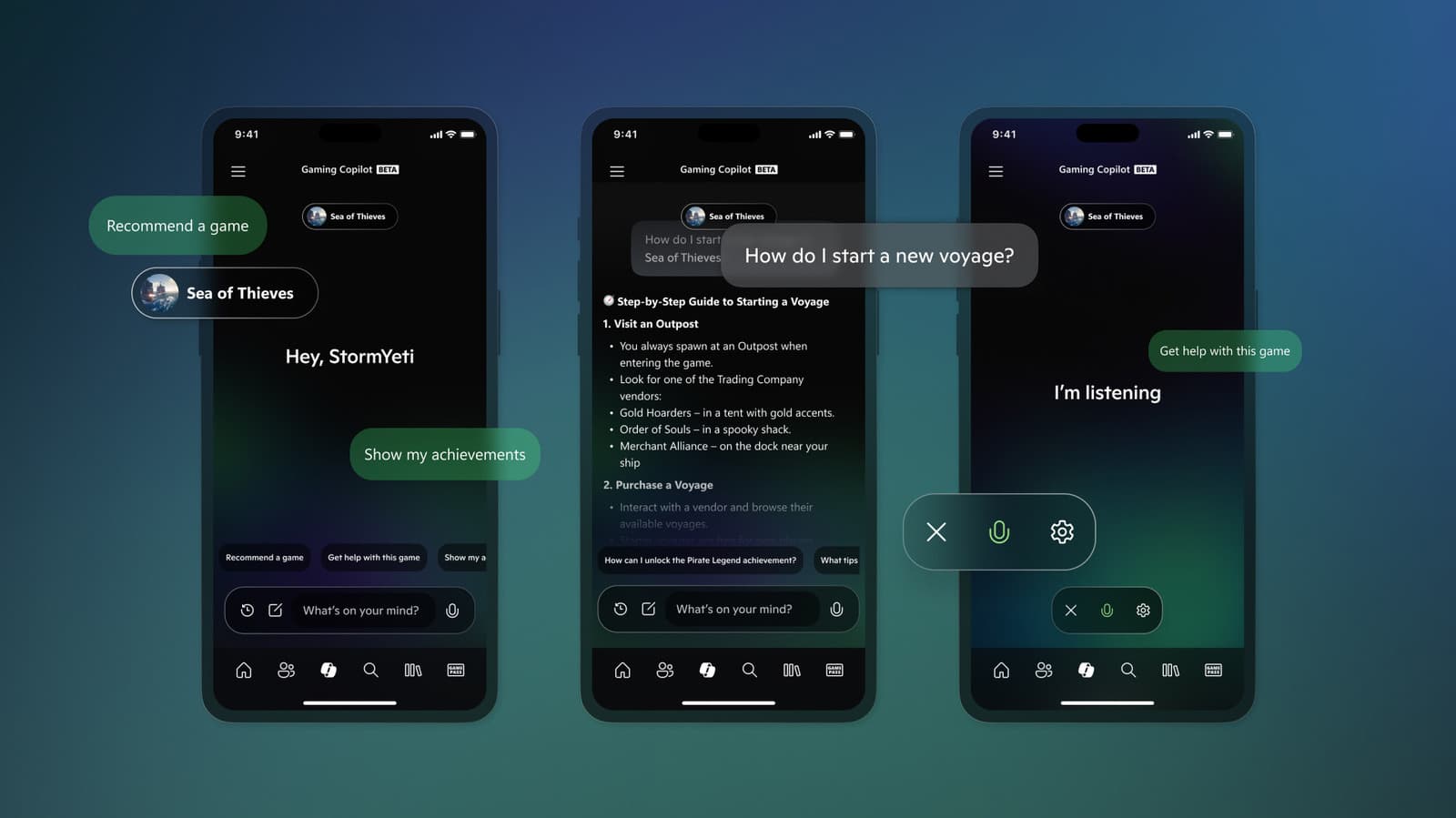
Microsoft has decided to abandon its plan to integrate the Copilot AI assistant into Xbox consoles, according to a company announcement. The feature, which was initially introduced as a test for select users, will also be removed from the Xbox mobile app. The move marks a shift in Microsoft's strategy for bringing AI capabilities to its gaming ecosystem.
The Copilot AI was designed to assist players with game recommendations, troubleshooting, and other tasks through natural language interactions. It was first made available to a subset of Xbox Insiders in April 2024 for testing on consoles and the mobile app. However, Microsoft has now concluded that the feature did not meet its expectations for the gaming audience.
A Microsoft spokesperson confirmed the decision, stating that the company is "pausing" the Copilot integration on Xbox to focus on other AI initiatives. The spokesperson added that the feedback from testers indicated that the AI assistant was not as useful for gaming scenarios as initially hoped. The removal will take effect in the coming weeks.
For users who currently have access to Copilot on their Xbox console, the feature will be disabled through a system update. On the Xbox mobile app, the Copilot tab will be removed entirely. Microsoft has not specified whether the AI assistant will return in a different form in the future.
The decision comes as Microsoft continues to invest heavily in AI across its other products, including Windows, Office, and Azure. The company has integrated Copilot into its productivity suite and operating system, but the gaming division appears to be taking a different approach. Xbox has instead been focusing on AI for game development tools and cloud gaming optimization.
Industry analysts note that the move reflects the challenge of applying general-purpose AI assistants to specialized environments like gaming. While Copilot has found success in productivity contexts, its utility for console users was limited. The removal is unlikely to affect the majority of Xbox players, as the feature was still in testing and not widely available.
Microsoft has not announced any replacement for the Copilot AI on Xbox. The company continues to explore other AI applications for gaming, including AI-driven NPCs and procedural content generation. For now, Xbox users will not have access to the AI assistant on their consoles or mobile devices.
The Copilot removal is scheduled to roll out with the next Xbox system update and mobile app update. Users who have the feature enabled will see it disappear automatically. Microsoft has not provided a specific date for the change but confirmed it will happen within the next month.

Anthropic reportedly agrees to pay Google $200 billion for chips and cloud access
Anthropic has reportedly agreed to a five-year deal worth over $200 billion to use Google's cloud services and chips. The agreement is part of a series of circular financial arrangements that sustain the AI industry.

Anthropic has entered into a five-year agreement with Google valued at more than $200 billion, according to a report from The Information. The deal grants the AI startup access to Google's cloud computing infrastructure and custom tensor processing units (TPUs). This arrangement is one of several similar pacts that have become common in the AI sector, where major cloud providers invest in AI companies that in turn spend heavily on cloud services.
The agreement underscores the symbiotic relationship between AI startups and cloud giants. Google, Amazon, and Microsoft have all made substantial investments in AI firms, often with commitments to use their cloud platforms. These deals help cloud providers secure long-term revenue while giving startups the computational resources needed to train and run large language models.
Anthropic, founded by former OpenAI employees, has been a key player in the AI race. The company develops the Claude series of AI models, which compete with OpenAI's GPT systems. Access to Google's TPUs is critical for training these models, which require vast amounts of computing power.
The $200 billion figure, if accurate, would represent one of the largest such agreements in the industry. It highlights the enormous capital requirements for AI development and the strategic importance of cloud partnerships. Google has been expanding its cloud business, and deals like this help it compete with Amazon Web Services and Microsoft Azure.
Critics have raised concerns about the circular nature of these investments. Cloud providers invest in AI startups, which then use that capital to pay for cloud services, effectively recycling money within the ecosystem. This has led to questions about the sustainability of the AI boom and whether these companies can generate independent revenue.
Anthropic has not publicly confirmed the details of the deal. Google also declined to comment on the report. The agreement is said to include provisions for future pricing and capacity guarantees, ensuring Anthropic has access to sufficient computing resources as it scales.
The deal comes amid a broader trend of AI companies securing long-term cloud commitments. OpenAI has a multi-billion-dollar agreement with Microsoft, and other startups have similar arrangements. These deals provide stability for both parties but also tie the fortunes of AI firms to their cloud partners.
For Google, the Anthropic deal strengthens its position in the AI arms race. The company has been investing heavily in its own AI models, including Gemini, while also providing infrastructure for third-party developers. The agreement with Anthropic ensures that Google's cloud division remains a key player in the AI ecosystem.
Anthropic's reliance on Google's infrastructure raises questions about independence, but the company has stated it maintains control over its technology and data. The startup has also explored building its own chips, though such efforts are in early stages. For now, the partnership with Google provides the resources needed to compete in the rapidly evolving AI landscape.

reMarkable Paper Pro: New Entry-Level Slate Targets Corporate Buyers
reMarkable has launched the Paper Pro, a new entry-level digital writing slate designed to appeal more to corporate buyers. The device starts at $579 and is available for pre-order now.

reMarkable has introduced the Paper Pro, a new entry-level digital writing slate that the company says is consciously designed to appeal more to corporate buyers. The device, which starts at $579, is available for pre-order starting today.
The Paper Pro features a 10.3-inch monochrome E Ink display with a resolution of 1872 x 1404 pixels and 226 PPI. It includes a new Marker stylus that requires no charging and offers a paper-like writing experience with low latency. The device runs on a custom Linux-based operating system and provides cloud synchronization for notes and documents.
reMarkable has positioned the Paper Pro as a tool for professionals who need to take handwritten notes, annotate documents, and organize their work digitally. The company emphasizes the device's ability to replace paper notebooks and printed documents, reducing clutter and improving productivity.
Compared to the higher-end reMarkable 2, the Paper Pro lacks some features such as a front light and a higher-resolution display. However, it retains the core writing and reading capabilities that have made reMarkable devices popular among note-takers and academics.
The Paper Pro is available in a single configuration with 8GB of storage. It comes with the Marker stylus and a USB-C cable for charging and data transfer. The device measures 187 x 246 x 4.7 mm and weighs 403 grams.
reMarkable is targeting corporate buyers with the Paper Pro, offering volume discounts and integration with enterprise cloud services. The company also provides a 30-day money-back guarantee and a one-year warranty.
The Paper Pro is available for pre-order in the United States, Canada, the United Kingdom, and select European countries. Shipping is expected to begin in late November. The device is priced at $579, with the Marker stylus included.
Chrome Downloads 4GB AI File Without User Consent, Researcher Claims
A security researcher alleges that Google Chrome downloads a 4GB AI model file without user consent. The file is part of a built-in AI feature that can be disabled via a toggle.
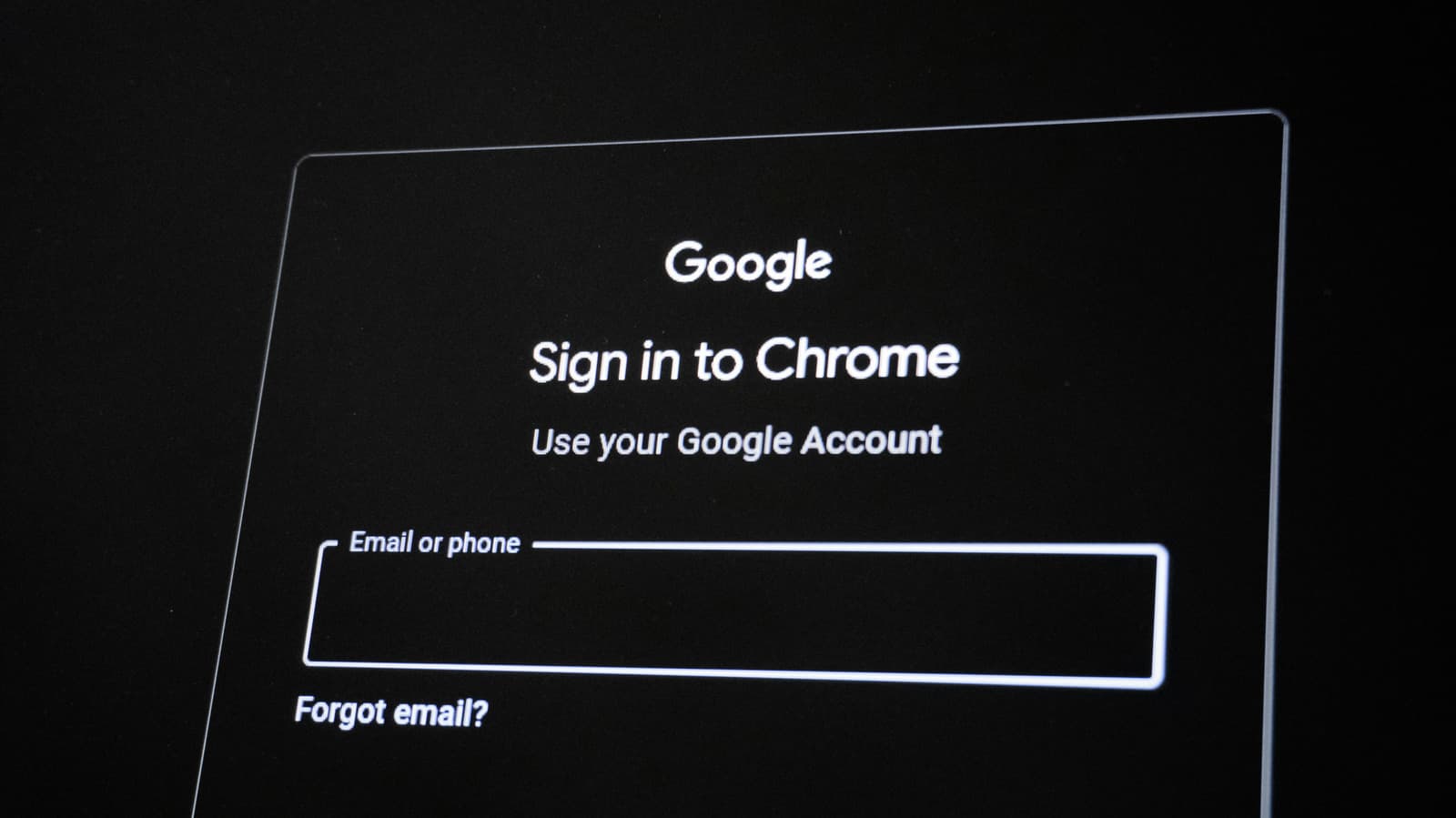
A security researcher has accused Google Chrome of downloading a 4GB artificial intelligence model file without obtaining user permission. The allegation centers on a file associated with the browser's integrated AI capabilities, which the researcher claims is automatically fetched in the background. The download reportedly occurs even when users have not opted into any AI features, raising concerns about data usage and privacy.
The file in question is part of Chrome's built-in AI functionality, which Google has been gradually expanding. The researcher, who shared findings on social media, stated that the download happens without clear notification or consent. This has sparked debate about transparency in how browsers handle large background downloads, particularly for features that may not be immediately obvious to users.
Google has not yet issued an official response to the specific claim, but the company has previously emphasized user control over AI features. Chrome includes a toggle in its settings that allows users to disable the AI model download. The toggle is located under the "Privacy and security" section, labeled as "Allow AI-powered features." Disabling this option prevents the browser from downloading or using the AI model.
The 4GB file size is notable, as it represents a significant amount of data for a background download. For users with limited bandwidth or data caps, such an automatic download could lead to unexpected charges or slowed connections. The researcher highlighted that the download occurs without a clear prompt, which may violate user expectations around consent.
Chrome's AI features include capabilities like smart text selection, tab organization, and other machine learning-driven tools. These features are designed to enhance browsing efficiency, but their automatic activation has drawn criticism. The toggle provides a straightforward way for users to opt out, but critics argue that the default behavior should require explicit consent.
The incident adds to ongoing discussions about how tech companies deploy AI features. As browsers and operating systems increasingly integrate AI, questions about user agency and data handling become more pressing. The researcher's findings underscore the need for clearer communication about what software does in the background.
For now, users concerned about the download can navigate to Chrome's settings and disable the AI toggle. This action will stop the current download and prevent future ones. The setting is available in the latest stable version of Chrome across desktop and mobile platforms. Google has not indicated any plans to change the default behavior.
The researcher's report has prompted some users to check their own Chrome installations for the file. The AI model is stored locally and can be deleted manually if the toggle is turned off. However, without the toggle disabled, Chrome may re-download the file after updates or cache clearing.
As of now, Google has not commented on whether the download process will be revised. The company typically addresses such concerns through updates or documentation. Users seeking more information can refer to Chrome's help pages on AI features, which describe the toggle and its effects.