Samsung One UI 8.5 Update: Which Galaxy Devices Are Eligible?
Samsung has accelerated the rollout of its One UI 8.5 update. The company has released a list of Galaxy S, Z, A, M, and Tab series devices that will receive the update.
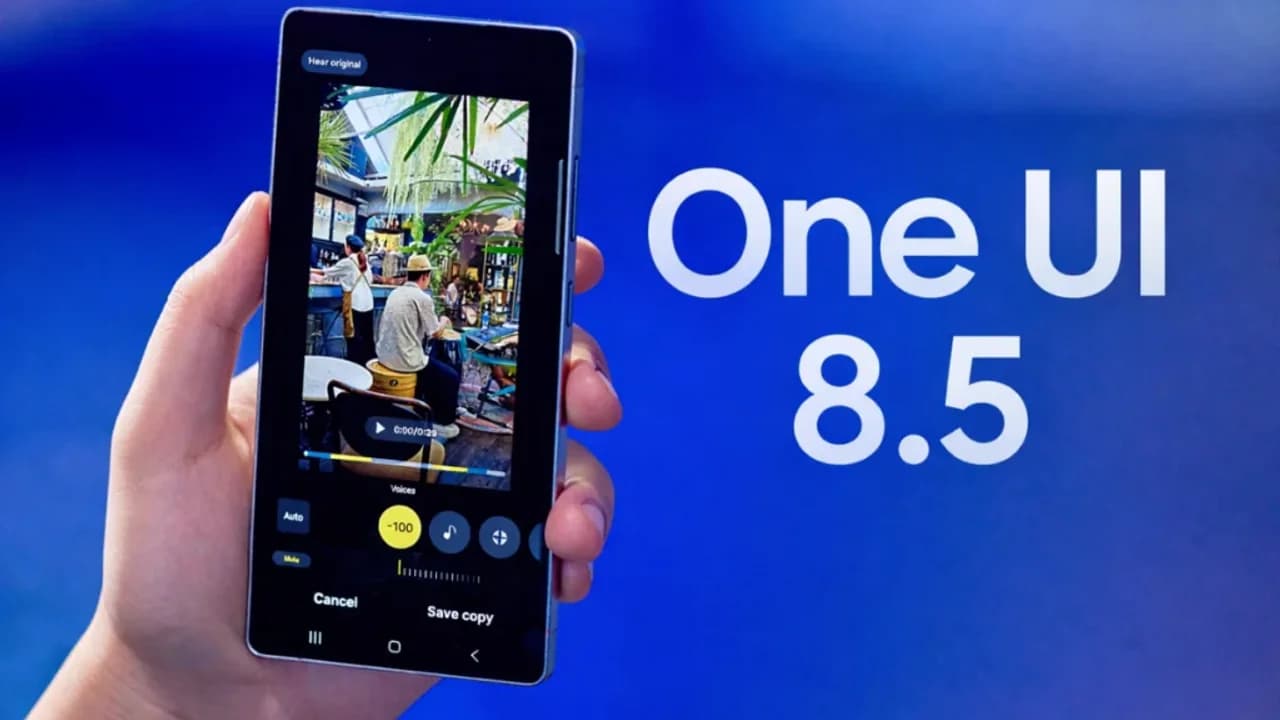
Samsung is speeding up the distribution of its One UI 8.5 software update. The company has published an updated list of Galaxy devices that are eligible for the new interface.
The One UI 8.5 update brings several enhancements and new features to Samsung's smartphone and tablet lineup. It includes improvements to the user interface, performance optimizations, and updated applications.
Among the devices receiving the update are models from the Galaxy S series, including the Galaxy S24, S23, and S22 families. The Galaxy Z foldable series, such as the Galaxy Z Fold 6 and Z Flip 6, are also included.
Samsung's mid-range Galaxy A series, including the Galaxy A55 and A35, are part of the update list. Additionally, select Galaxy M series devices and Galaxy Tab tablets will get the One UI 8.5 update.
The update is being rolled out in phases, starting with flagship models and gradually expanding to mid-range and budget devices. Samsung has not provided a specific timeline for when all eligible devices will receive the update.
Users can check for the update by going to Settings > Software Update > Download and Install on their Galaxy device. The update may also be available through Samsung's Smart Switch PC software.
Samsung confirmed that the One UI 8.5 update will be available for over 50 Galaxy devices globally. The company continues to refine its software experience with each iteration of One UI.
Xiaomi to Add Privacy Screen Feature Similar to Samsung's in HyperOS 4 Update
Xiaomi is developing a privacy screen feature akin to Samsung's, set to launch with the HyperOS 4 update later this year. The feature aims to prevent onlookers from viewing the screen content.
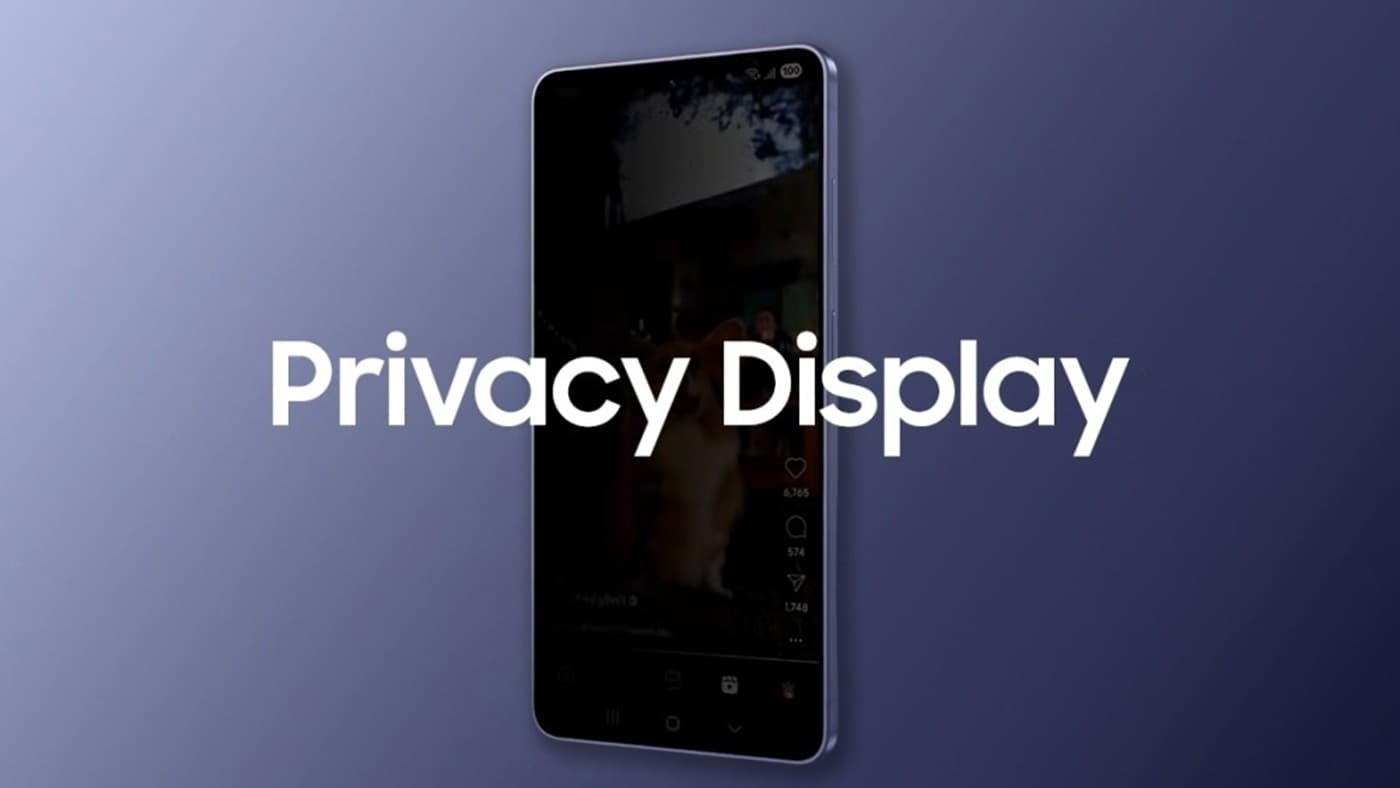
Xiaomi is working on a privacy screen feature that closely resembles Samsung's existing Privacy Screen functionality. The feature is expected to arrive with the HyperOS 4 update, which is slated for release later this year. This development was reported by a tipster known for sharing details about upcoming Xiaomi software features.
The privacy screen feature will allow users to restrict the viewing angle of their phone's display, making it difficult for people nearby to see what is on the screen. This is particularly useful in public spaces such as trains, buses, or crowded areas where sensitive information might be exposed. The feature can be toggled on or off via the quick settings panel or through the display settings menu.
Samsung has offered a similar feature on its Galaxy devices for several years, branded as Privacy Screen. It works by reducing the brightness and contrast of the display when viewed from an angle, while maintaining clarity for the person directly in front of the screen. Xiaomi's implementation is expected to function in a comparable manner, leveraging the display hardware to limit visibility.
The HyperOS 4 update is anticipated to bring a host of new features and improvements to Xiaomi devices. HyperOS is Xiaomi's custom operating system based on Android, and each major version introduces enhancements to performance, security, and user interface. The privacy screen feature is just one of several additions rumored for the upcoming update.
Xiaomi has not officially confirmed the development of this feature. The information comes from a tipster on social media who has a track record of accurately predicting Xiaomi software updates. As with all unconfirmed reports, details may change before the official release.
The privacy screen feature is expected to be available on a wide range of Xiaomi devices, including the flagship Mi series and the Redmi lineup. However, the exact list of compatible devices has not been disclosed. The feature may require specific display hardware to function effectively, so older or budget models might not support it.
HyperOS 4 is likely to begin rolling out to Xiaomi devices in the fourth quarter of this year. The update will be distributed over-the-air to eligible smartphones and tablets. Users can expect the privacy screen feature to be included in the initial release or added via a subsequent update.
Xiaomi has not provided a specific release date for HyperOS 4 or the privacy screen feature. The company typically announces major software updates during its product launch events or through official press releases. Further details are expected to emerge as the release date approaches.
Samsung Galaxy Z Fold 8 to Eliminate Crease with New OLED Display Tech
Samsung's upcoming Galaxy Z Fold 8 series will feature a new OLED display technology that eliminates the crease, offering a smooth screen experience. The device is expected to launch in the second half of 2025.
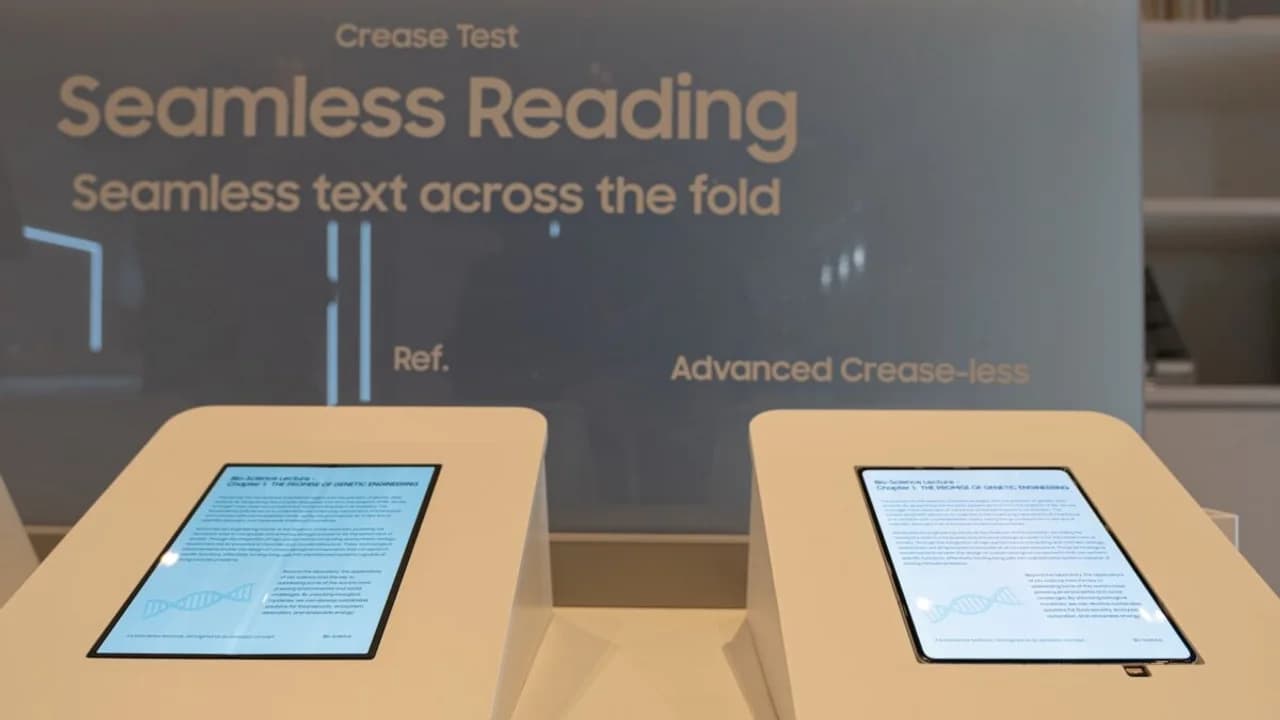
Samsung is preparing to address one of the most persistent criticisms of foldable phones with its next-generation Galaxy Z Fold 8 series. The company plans to introduce a new OLED display technology that completely removes the crease from the folding screen. This development marks a significant step forward in foldable display engineering.
The new display technology relies on an advanced panel structure that minimizes the physical stress caused by folding. Samsung's display division has been working on materials and layer compositions that allow the screen to bend without leaving a visible line. Early prototypes reportedly show a flat surface even after thousands of folding cycles.
Industry sources indicate that the Galaxy Z Fold 8 will use a redesigned hinge mechanism that works in tandem with the new OLED panel. The hinge is expected to distribute pressure more evenly across the display, reducing the formation of creases over time. This combination of hardware and display improvements aims to deliver a user experience comparable to traditional slab phones.
Samsung has been gradually reducing the crease visibility with each generation, but the Z Fold 8 is the first model designed to eliminate it entirely. The company's internal testing suggests that the new display can withstand over 200,000 folds without significant degradation. This durability metric aligns with Samsung's previous foldable phone standards.
The Galaxy Z Fold 8 series is expected to launch in the second half of 2025, following Samsung's typical release schedule for its premium foldable lineup. Pricing is likely to remain competitive with previous models, starting around $1,799 for the base configuration. The device will initially be available in select markets, including South Korea, the United States, and parts of Europe.
Samsung has not officially confirmed the specifications or release date of the Galaxy Z Fold 8. The company typically unveils its foldable phones at its Unpacked events in August. Analysts predict that the crease-free display could become a key selling point for the device, potentially driving higher adoption among consumers who were previously hesitant about foldable technology.
Samsung's display subsidiary, Samsung Display, is expected to supply the new OLED panels for the Z Fold 8. The technology may eventually trickle down to other foldable devices in Samsung's portfolio, including the Galaxy Z Flip series. For now, the focus remains on perfecting the large-screen foldable experience.
A Samsung spokesperson declined to comment on the specifics of the Galaxy Z Fold 8's display technology. The company stated that it continuously innovates to improve its foldable product lineup and will share details at the appropriate time.
Apple to bring theft detection lock to iPhones, similar to Android feature
Apple is developing a new security system for iPhones that automatically locks the device when it detects theft. The feature works similarly to Android's Theft Detection Lock solution.
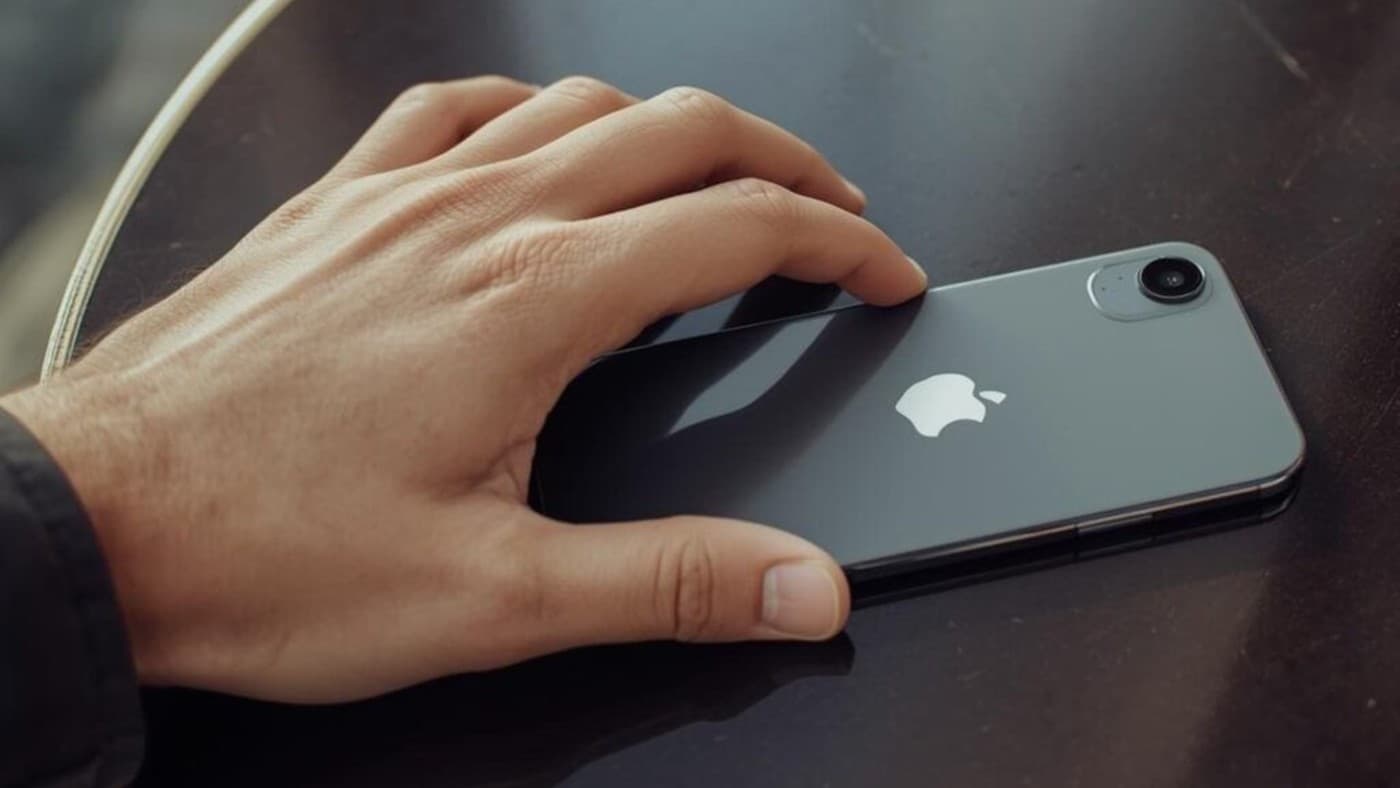
Apple is working on a new security feature for iPhones that will automatically lock the device when it senses it has been stolen. The system is designed to detect common movements associated with theft, such as sudden running or being snatched from a user's hand. Once triggered, the iPhone will lock itself, preventing unauthorized access to personal data and disabling key functions like Apple Pay.
The feature mirrors Android's Theft Detection Lock, which was introduced earlier this year. Android's version uses accelerometer data and machine learning to identify suspicious motion patterns. Apple's implementation is expected to rely on similar sensors, including the accelerometer and gyroscope, to detect when a device is forcibly taken.
According to sources familiar with the development, the system will also consider other contextual clues, such as disconnection from a paired Apple Watch or sudden changes in Wi-Fi networks. If the iPhone determines it has been stolen, it will immediately lock the screen and require the user's passcode or biometric authentication to unlock.
The new security measure is part of Apple's broader effort to combat iPhone theft, which has become a growing concern in many cities. In addition to the automatic lock, Apple is reportedly working on enhanced activation lock features to make stolen devices harder to resell.
Apple has not officially announced the feature, but code references have been found in recent iOS beta versions. The feature is expected to be included in a future iOS update, possibly iOS 18 or later. It remains unclear whether the feature will be available on all iPhone models or limited to newer devices with specific hardware capabilities.
The theft detection lock is one of several security enhancements Apple is planning. The company is also exploring ways to prevent thieves from accessing sensitive data even if they obtain the device's passcode. This includes requiring biometric authentication for critical actions like changing Apple ID settings or disabling Find My iPhone.
Apple's move comes as smartphone theft continues to be a problem worldwide. Law enforcement agencies have reported that stolen iPhones are often quickly wiped and resold, making recovery difficult. By automatically locking the device upon theft detection, Apple aims to render stolen iPhones useless to thieves.
The feature is expected to be optional, allowing users to enable or disable it in the Settings app. Apple has not provided a specific release date, but the feature is likely to debut in a public beta later this year before a wider rollout. The company has not commented on the development. Apple's new theft detection lock for iPhones is expected to arrive in a future iOS update, with no official release date announced yet.
Samsung Expands One UI 9 Beta to Galaxy S26 Series in India
Samsung has launched the One UI 9 beta program based on Android 17 for the Galaxy S26 series in India. The update introduces new features and bug fixes.
Samsung has expanded its One UI 9 beta program to the Galaxy S26 series in India. The update is based on Android 17 and brings a range of new features and improvements. Users enrolled in the beta program can now test the latest software before its official release.
The One UI 9 beta introduces a redesigned user interface with smoother animations and enhanced customization options. Samsung has also included several bug fixes addressing issues reported in previous versions. The update aims to improve system stability and overall performance.
Among the new features are an updated notification panel and improved multitasking capabilities. The beta also includes enhanced privacy controls and better integration with Samsung's ecosystem. Users can expect a more intuitive experience with refined gestures and navigation.
The beta program is currently available for Galaxy S26, S26+, and S26 Ultra models in India. Participants must have a Samsung account and enroll through the Samsung Members app. The update is rolled out over the air, and users will receive a notification once it's ready.
Samsung has advised beta testers to back up their data before installing the update. Some apps may not be fully compatible with the beta version. The company plans to release the stable version of One UI 9 later this year.
Interested users in India can join the beta program by navigating to the Samsung Members app and selecting the One UI 9 beta banner. The program is limited to a certain number of participants, so early enrollment is recommended.
Samsung has not announced a timeline for the global rollout of One UI 9. The beta program in India will help the company gather feedback and refine the software before its wider release.