Pope Leo XIV Establishes AI Study Group Ahead of First Encyclical
Pope Leo XIV has created a study group on artificial intelligence at the Vatican, signaling a focus on ethical AI governance. The move precedes his first encyclical, expected to emphasize human dignity and peace in technology development.

VATICAN CITY -- Pope Leo XIV has established a new study group dedicated to artificial intelligence, the Vatican announced on Saturday. The initiative comes as the pontiff prepares to release his first encyclical, which is widely expected to address the ethical implications of rapidly advancing AI technologies. The study group will explore how AI can be developed and deployed in ways that uphold human dignity and promote global peace, aligning with Catholic social teaching.
The study group will be composed of theologians, ethicists, scientists, and technology experts from various countries. Its mandate includes examining the moral and social challenges posed by AI, such as algorithmic bias, job displacement, and the potential for autonomous weapons. The Vatican emphasized that the group's work will inform the Church's position on AI governance, advocating for regulations that prioritize human well-being over profit or power.
Pope Leo XIV has previously spoken about the need for an "ethics of algorithms" that ensures technology serves humanity rather than the other way around. This new study group builds on the Vatican's earlier engagements with AI, including the 2020 Rome Call for AI Ethics, which was signed by tech giants like Microsoft and IBM. The call outlined principles such as transparency, inclusion, and accountability in AI systems.
The upcoming encyclical is expected to be the first major papal document focused on technology since Pope Francis's 2015 encyclical on the environment. Analysts suggest that Leo XIV will use the document to call for international cooperation on AI regulation, similar to global efforts on climate change. The Vatican has historically positioned itself as a moral voice on emerging technologies, and this encyclical could shape public discourse on AI ethics worldwide.
For Catholics and the broader public, the study group and encyclical signal a growing recognition of AI's transformative impact on society. The Vatican's involvement may influence how governments and corporations approach AI regulation, especially in countries with large Catholic populations. The study group is expected to produce recommendations for ethical AI development, which could be integrated into Catholic educational and social programs.
The exact release date of the encyclical has not been announced, but Vatican insiders suggest it could come within the next few months. The study group is already convening meetings, with preliminary findings expected to be shared with the Pope later this year. The Vatican has also indicated that the encyclical will address AI's role in healthcare, education, and warfare, areas where ethical dilemmas are most acute.
While the study group's work is still in its early stages, the Vatican has made clear that its ultimate goal is to ensure that AI is used to enhance human life, not diminish it. As AI continues to evolve, the Catholic Church's engagement with the technology is likely to deepen, potentially setting a precedent for other religious and ethical institutions. The world will be watching to see how Leo XIV's vision shapes the future of AI governance.
New Jersey Groups Urge Congresswoman to Halt AI Data Center Development
Over 60 New Jersey organizations have called on Representative Mikie Sherrill to pause the construction of AI data centers, citing concerns over rising electricity costs and water scarcity. The groups argue that the rapid expansion of AI infrastructure could strain the state's resources and burden residents with higher utility bills.
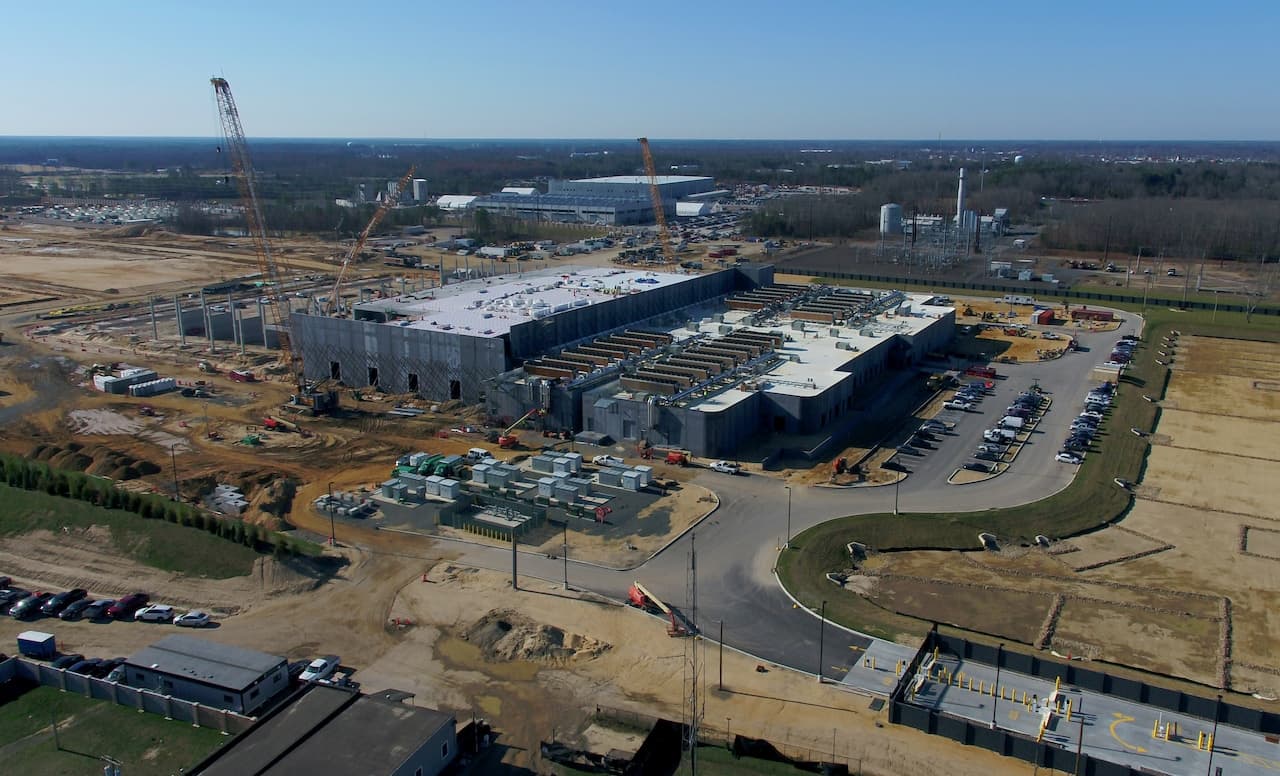
More than 60 community and environmental groups in New Jersey have united to urge U.S. Representative Mikie Sherrill to halt the construction of artificial intelligence data centers in the state. In a letter sent earlier this week, the coalition warned that the rapid expansion of AI infrastructure could lead to significant increases in electricity rates and place an unsustainable demand on New Jersey's water supply. The groups argue that without proper oversight, the state risks prioritizing corporate interests over the well-being of its residents.
The letter highlights that AI data centers are notoriously energy-intensive, requiring vast amounts of electricity to power and cool the servers that run complex machine learning models. According to the groups, a single large-scale data center can consume as much power as tens of thousands of homes. They also point out that these facilities often use water-intensive cooling systems, which could exacerbate water shortages in drought-prone areas. New Jersey, while not typically associated with severe water scarcity, has experienced periodic droughts and faces growing competition for water resources.
The coalition specifically called on Sherrill, who represents New Jersey's 11th congressional district, to support a moratorium on new data center permits until a comprehensive environmental and economic impact study is completed. They emphasized that the benefits of AI development should not come at the expense of affordable utilities and environmental sustainability. The letter also noted that several other states, including Virginia and Oregon, have faced similar debates over data center expansion.
New Jersey has seen a surge in data center construction in recent years, driven by the increasing demand for cloud computing and AI services. Major tech companies have invested heavily in the region, drawn by its proximity to major East Coast markets and relatively reliable power grid. However, critics argue that the state's aging infrastructure may not be equipped to handle the additional load, potentially leading to grid instability and higher maintenance costs passed on to consumers.
If the moratorium is not implemented, the groups warned that New Jersey residents could see their electricity bills rise by as much as 20% over the next decade. They also expressed concerns about the environmental impact of increased fossil fuel usage to meet the data centers' energy demands, which could undermine the state's clean energy goals. The letter recommended that any new data centers be required to use renewable energy sources and adopt water-efficient cooling technologies.
Representative Sherrill's office has acknowledged receipt of the letter but has not yet issued a formal response. The congresswoman has previously expressed support for responsible AI development, balancing innovation with environmental protection. The coalition hopes that her background as a former federal prosecutor will lead her to advocate for stronger regulatory oversight. Similar campaigns in other states have resulted in temporary pauses on data center construction, though permanent restrictions have been rare.
As the debate over AI infrastructure intensifies, New Jersey stands at a crossroads. The outcome of this advocacy effort could set a precedent for how other states manage the growth of the AI industry. For now, the coalition plans to escalate its campaign by reaching out to state legislators and organizing public forums. They also intend to file a formal petition with the New Jersey Board of Public Utilities, urging the agency to conduct its own investigation into the potential impacts of data center expansion.
Should You Unplug Your Electronics During a Thunderstorm? Expert Advice
Thunderstorms pose a serious risk to electronics through power surges. Experts recommend unplugging sensitive devices to prevent damage from lightning strikes.
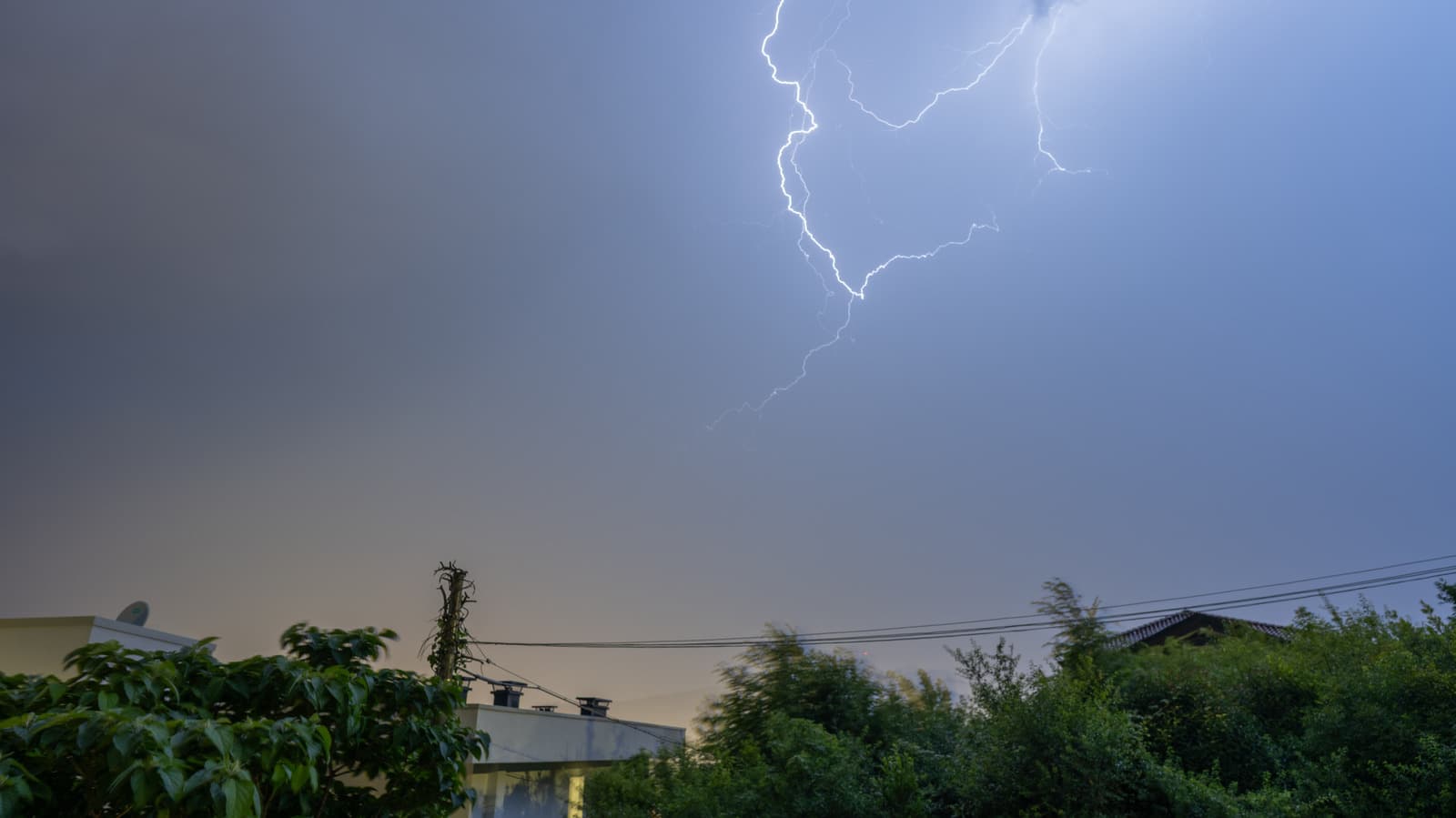
For decades, the advice has been clear: unplug your electronics during a thunderstorm to protect them from lightning-induced power surges. But with modern surge protectors and advanced electrical systems, many wonder if this precaution is still necessary. The short answer is yes—lightning strikes can still cause catastrophic damage to devices even with surge protection. A direct strike or nearby strike can send a massive voltage spike through power lines, overwhelming standard surge protectors and frying connected electronics.
Lightning doesn't have to hit your house to cause problems. A strike on a power line or transformer can send a surge through the grid, entering your home through outlets. While whole-house surge protectors and quality power strips offer some defense, they are not foolproof. The National Oceanic and Atmospheric Administration (NOAA) notes that a lightning strike can carry up to 1 billion volts of electricity, far exceeding the capacity of most consumer surge protectors, which typically handle surges up to 6,000 volts.
Modern electronics are more sensitive than ever due to miniaturized components and always-on features. Smart TVs, computers, gaming consoles, and even smart home devices can be damaged by even minor surges. The cost of replacing these devices often far outweighs the inconvenience of unplugging them for a short period. Additionally, data loss from a fried hard drive or corrupted firmware can be irreparable.
Surge protectors are rated by their clamping voltage (how quickly they respond) and energy absorption capacity (measured in joules). A typical power strip with surge protection might offer 1,000-2,000 joules, which is sufficient for small surges but can be overwhelmed by a lightning strike. Whole-house surge protectors installed at the main electrical panel provide a first line of defense, but they too have limits. For maximum protection, unplugging devices is the only sure way to prevent damage.
Beyond electronics, lightning can also damage wiring and appliances. Refrigerators, washers, and dryers with electronic controls are at risk. Even if a device is turned off, it can still be damaged if plugged in, because the surge travels through the power cord. Unplugging disconnects the device from the electrical path entirely.
For those who cannot unplug every device, focusing on high-value or sensitive items is practical. Computers, home theater systems, and network equipment are top priorities. Using a surge protector with a high joule rating (3,000 or more) and a low clamping voltage (under 330 volts) offers better protection. However, no consumer device can guarantee safety from a direct lightning strike.
The safest approach is to unplug electronics when a thunderstorm is forecast or when you hear thunder. If you are away from home, consider using smart plugs that can be remotely controlled to cut power. Some whole-house surge protectors also include monitoring features that alert you to power quality issues.
Despite advancements in electrical safety, the risk of lightning damage persists. As storms become more severe with climate change, the threat may even increase. Until technology offers perfect protection, the old advice remains valid: when thunder roars, unplug your gear. The few minutes of inconvenience are a small price for peace of mind and the safety of your electronics.
AI Expansion Drives Utility Profit Surge, Sparking State-Level Bill Disputes
The rapid growth of artificial intelligence is causing electricity demand to soar, leading to higher utility profits and rising bills for residents. State officials are pushing back, arguing the system unfairly burdens consumers.
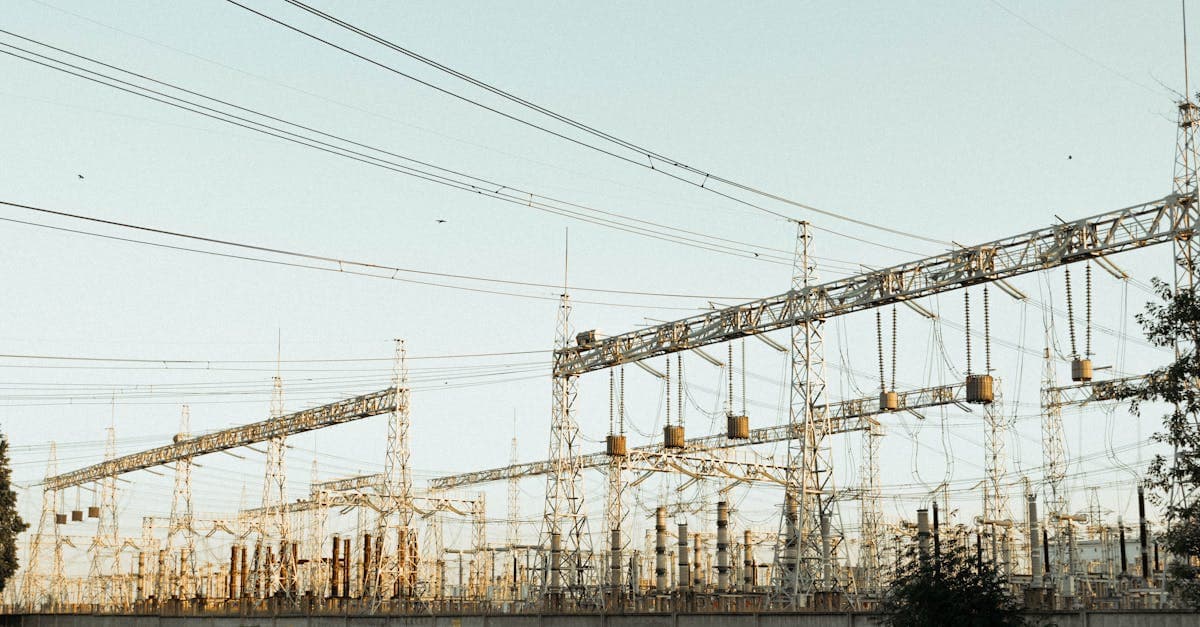
The artificial intelligence boom is fueling a surge in electricity demand, which in turn is driving up utility profits and sparking political battles in several states. Governors, attorneys general, and consumer advocates are protesting rising electricity bills, arguing that cash-strapped residents are being forced to bear the costs of infrastructure upgrades needed to power AI data centers. The conflict highlights a growing tension between the economic benefits of AI and the financial strain on households.
AI data centers require massive amounts of electricity to run servers and cooling systems, with some facilities consuming as much power as a small town. To meet this demand, utilities are investing heavily in new power plants, transmission lines, and grid upgrades. These capital expenditures are typically passed on to customers through higher rates, even as utilities report record profits from the increased demand.
In states like Virginia, Georgia, and Ohio, officials have filed complaints with public utility commissions, challenging rate hikes that disproportionately affect residential customers. They argue that the current regulatory framework allows utilities to profit excessively from AI-driven demand without adequate oversight. Some have proposed legislation to require utilities to offer discounted rates for low-income households or to cap profit margins on infrastructure projects tied to AI.
The situation has also drawn attention from federal regulators, who are examining whether the costs of grid upgrades are being fairly allocated between commercial and residential users. The Federal Energy Regulatory Commission has opened a proceeding to review utility rate designs, particularly for large-scale industrial customers like data centers. Meanwhile, tech companies are exploring on-site renewable generation and battery storage to reduce their reliance on the grid.
For everyday consumers, the impact is already visible in higher monthly bills. In some regions, electricity rates have increased by double digits over the past year, with further hikes expected as more data centers come online. Low-income families and fixed-income retirees are particularly vulnerable, as energy costs consume a larger share of their budgets. Advocacy groups are calling for moratoriums on rate increases until new pricing models are implemented.
Looking ahead, the outcome of these state-level disputes could set precedents for how AI-related energy costs are distributed nationwide. Some experts predict that utilities will face increasing pressure to offer more transparent pricing and to invest in energy efficiency programs. Others warn that without regulatory reform, the AI boom could exacerbate energy inequality, leaving poorer communities to subsidize the growth of the technology sector.
While the debate continues, one thing is clear: the intersection of AI and energy policy is emerging as a critical issue for lawmakers and consumers alike. As data center construction accelerates, the question of who pays for the power will remain a flashpoint in state capitals across the country.
AI Boom Sparks State-Level Battles Over Rising Utility Profits
As electricity costs climb due to AI-driven demand, states like Pennsylvania are scrutinizing utility profits. Governors and attorneys general are pushing for ratepayer protections amid record earnings for power companies.

The rapid expansion of artificial intelligence infrastructure is fueling disputes across several U.S. states over the swelling profits of electric utilities. In Pennsylvania, Governor Josh Shapiro and Attorney General Michelle Henry have joined forces to challenge what they call excessive earnings by regional power providers, arguing that ratepayers should not bear the burden of AI's energy appetite. The conflict highlights a growing tension between technological progress and consumer protection as data centers and AI models consume ever more electricity.
At the heart of the debate are utilities like PPL Electric Utilities and FirstEnergy, which have reported double-digit profit increases tied to surging demand from AI data centers. These facilities require massive, round-the-clock power to run servers and cooling systems, straining local grids and driving up wholesale electricity prices. Critics contend that utilities are leveraging this demand to justify rate hikes that far exceed their actual costs, padding shareholder returns at the expense of households and small businesses.
Pennsylvania's Public Utility Commission has opened an investigation into whether utility profits are "unjust and unreasonable" under state law, a move that could lead to refunds for customers. Similar probes are underway in Virginia, Ohio, and Texas, where AI data centers have proliferated. In Virginia, home to the world's largest concentration of data centers, lawmakers are considering legislation to cap utility returns on equity, while Ohio's attorney general has filed a formal complaint against AEP Ohio for alleged overearnings.
The pushback marks a shift from previous years when utilities were often praised for investing in grid upgrades and renewable energy. Now, with AI driving a projected 160% increase in data center power demand by 2030, regulators are questioning whether the industry's profit model is fair. "We're seeing utilities use AI as a blank check to raise rates," said a consumer advocate from the Pennsylvania Office of Consumer Advocate. "But there's no guarantee those profits will be reinvested in reliability or clean energy."
For typical households, the impact is already visible. Monthly electric bills in Pennsylvania have risen an average of 18% over the past two years, with utilities attributing the increases to grid modernization and higher fuel costs. However, state audits suggest that a significant portion of those hikes correlates directly with data center interconnection fees and capacity payments, which utilities then factor into residential rates. Low-income families are particularly vulnerable, with some facing disconnection notices as bills climb faster than wages.
The battle extends beyond Pennsylvania. In California, where AI companies like OpenAI and Google are based, utilities have proposed rate structures that would shift more costs onto residential customers while offering discounts to large industrial users. Consumer groups have filed protests, arguing that such policies subsidize AI at the expense of equity. Meanwhile, in Georgia, a proposed 12% rate hike by Georgia Power to support a new Meta data center has sparked public hearings and legislative scrutiny.
Looking ahead, the outcomes of these state-level fights could set precedents for how AI's energy costs are distributed. The Federal Energy Regulatory Commission has signaled it may weigh in on interstate transmission pricing, but for now, the action is in state capitals. Utility executives warn that capping profits could deter investment in needed grid upgrades, but regulators counter that transparency and accountability are long overdue. As one Pennsylvania commissioner put it, "We can have both innovation and fairness—but only if we demand it."