
Volkswagen Unveils Passat with 1,468 km Range for China Market
Volkswagen has introduced a new Passat model for the Chinese market, offering an electric range of nearly 1,500 km. The vehicle is built on the next-generation PHEV platform and features the brand's latest design language.
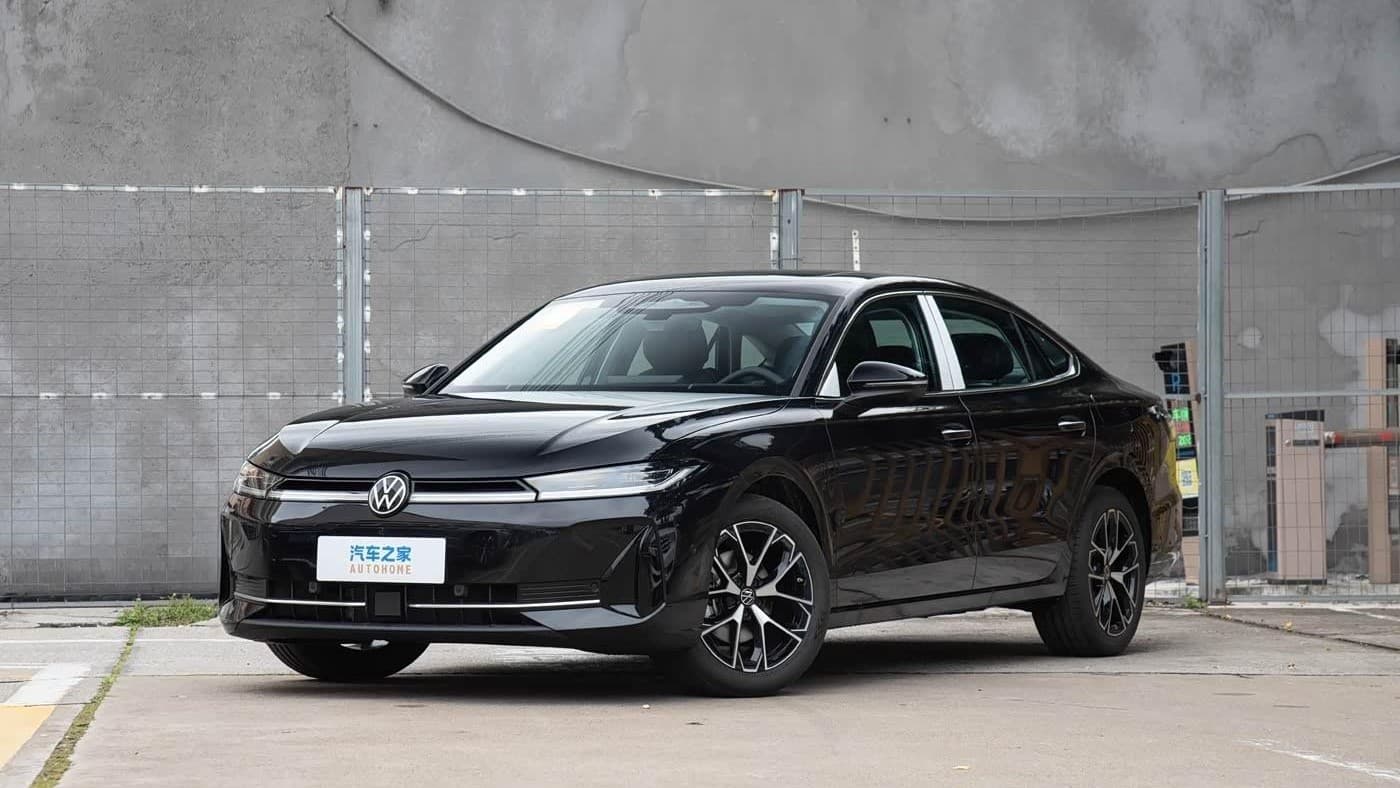
Volkswagen has revealed a new Passat variant developed specifically for the Chinese market, boasting an impressive electric range of 1,468 kilometers. The model, which is based on the company's next-generation plug-in hybrid electric vehicle (PHEV) platform, represents a significant step in the automaker's electrification strategy for China.
The new Passat adopts Volkswagen's most recent design language, featuring a sleek and modern exterior. The vehicle's extended range is achieved through a combination of a high-capacity battery pack and an efficient hybrid powertrain, allowing for extended zero-emission driving.
Volkswagen's decision to launch this long-range Passat in China underscores the importance of the Chinese market for the brand's electric vehicle ambitions. China is the world's largest automotive market and has been aggressively promoting new energy vehicles (NEVs) through subsidies and regulations.
The Passat PHEV is expected to compete with other long-range plug-in hybrids and electric vehicles in the Chinese market, such as those from local manufacturers like BYD and NIO. The model's near-1,500 km range addresses range anxiety, a common concern among consumers considering electrified vehicles.
Volkswagen has not yet announced pricing or a specific launch date for the new Passat in China. However, the vehicle is expected to go on sale in the coming months, with production likely taking place at one of Volkswagen's joint venture plants in the country.
The introduction of this long-range Passat aligns with Volkswagen's broader goal of becoming a leader in electric mobility. The company has committed to investing heavily in electrification, with plans to launch numerous electric and plug-in hybrid models globally by 2030.
Volkswagen's Chinese joint ventures, including SAIC Volkswagen and FAW-Volkswagen, will play a key role in producing and distributing the new Passat. The model is expected to be available through dealerships across China, with potential for export to other markets in the future.
Volkswagen stated that the new Passat PHEV demonstrates the company's commitment to providing sustainable mobility solutions tailored to the needs of Chinese consumers. The vehicle's long electric range is designed to meet the demands of both daily commuting and longer journeys, offering flexibility and reduced emissions.
Skoda's Ultra-Cheap SUV Kylaq Could Reach Europe at $7,900
Skoda CEO Klaus Zellmer announced the company is evaluating importing the Kylaq compact SUV to Europe after adapting it to regional standards. The model starts at $7,900 in India.
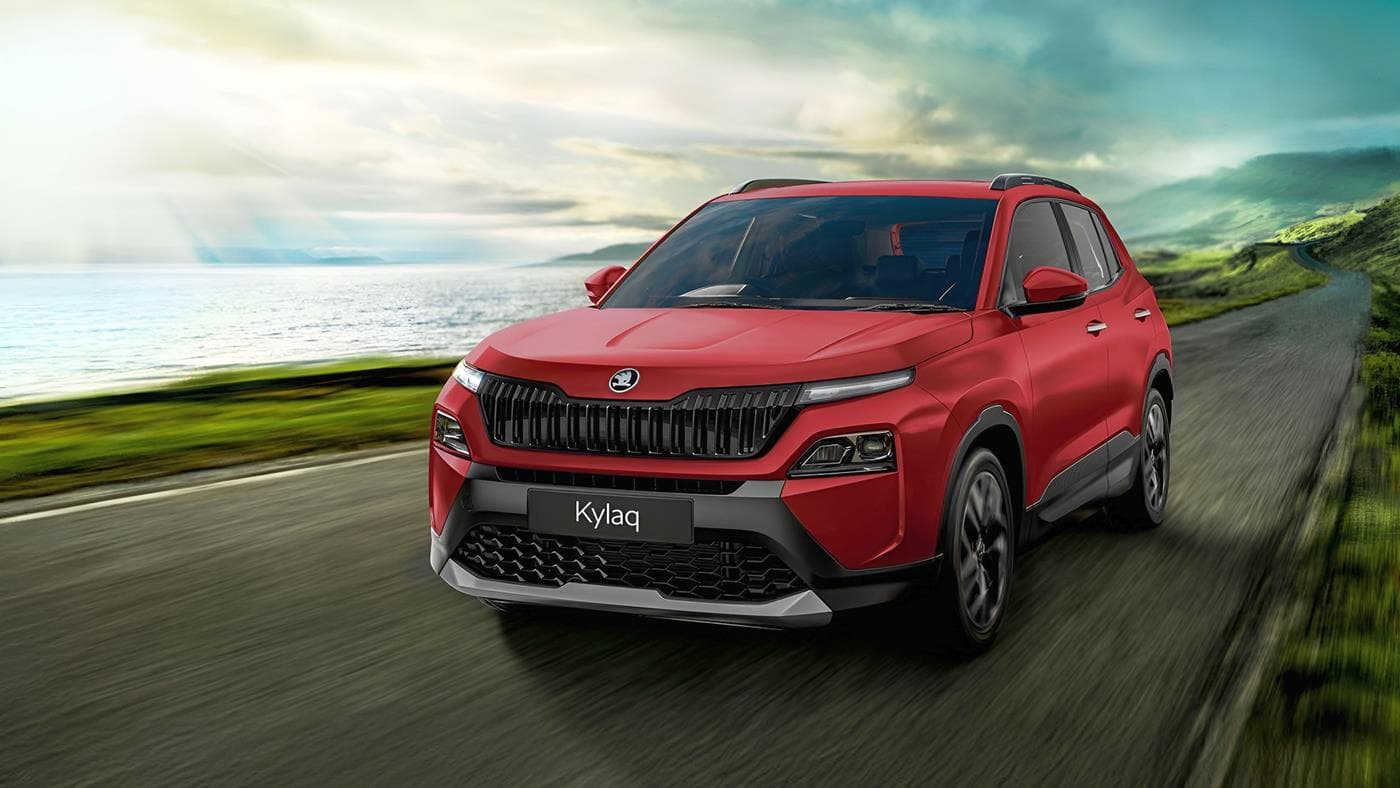
Skoda is considering bringing its budget-friendly Kylaq SUV to European markets. CEO Klaus Zellmer confirmed the company is exploring the possibility of importing the compact model after making it compliant with European regulations. The vehicle currently sells in India for $7,900.
The Kylaq is a subcompact SUV designed for emerging markets, offering a low entry price point. It measures under four meters in length, which qualifies it for tax benefits in India. The model is built on the MQB-A0-IN platform, a version of Volkswagen's modular architecture tailored for cost-sensitive regions.
Under the hood, the Kylaq is expected to feature a 1.0-liter three-cylinder turbocharged petrol engine producing around 115 horsepower. It will likely be offered with both manual and automatic transmissions. The SUV's compact dimensions and affordable pricing aim to attract first-time car buyers in price-conscious markets.
Zellmer noted that adapting the Kylaq for Europe would require modifications to meet stricter safety and emissions standards. These changes could include adding advanced driver-assistance systems and upgrading the exhaust aftertreatment. The company has not yet decided whether the project will proceed.
If launched in Europe, the Kylaq would compete with other small SUVs like the Dacia Sandero Stepway and the Suzuki Ignis. Its potential price point of around €10,000 would undercut many rivals, making it one of the most affordable new cars on the continent. Skoda already sells the Kamiq and Karoq SUVs in Europe, but the Kylaq would slot below them.
The Kylaq was first unveiled in India in late 2024 and went on sale there in early 2025. Skoda has not provided a timeline for a potential European launch. The company is also evaluating other markets for the model, including Southeast Asia and Africa.
Zellmer emphasized that any decision to bring the Kylaq to Europe would depend on a thorough business case analysis. The company must weigh development costs against expected sales volumes. Skoda aims to expand its presence in the entry-level segment while maintaining profitability.
For now, the Kylaq remains an India-only model. Skoda has not confirmed any export plans beyond the current evaluation stage. The company will continue to monitor market conditions and regulatory requirements before making a final decision.

Updated Honda City Debuts in India with Hybrid Option, Turkey Launch Uncertain
Honda has launched the facelifted City sedan in India, featuring updated design and a hybrid powertrain. Whether the model will reach the Turkish market remains unconfirmed.
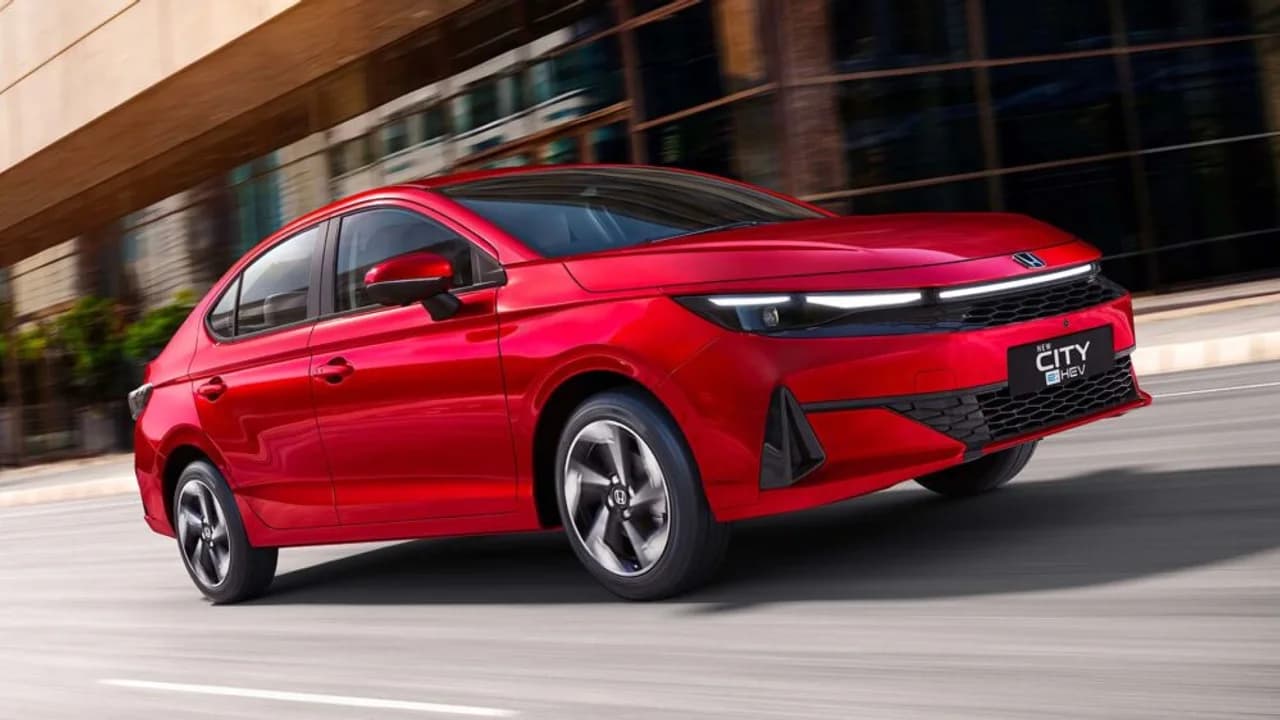
Honda introduced the refreshed City sedan in India, bringing design revisions and a new hybrid engine option. The updated model aims to strengthen the brand's presence in the compact sedan segment.
The exterior receives a revised front grille, updated bumper, and new LED headlamps. At the rear, the car gets a redesigned bumper and taillight cluster. The interior gains a new touchscreen infotainment system with wireless Apple CarPlay and Android Auto connectivity.
Under the hood, the Honda City now offers a 1.5-liter petrol engine paired with an electric motor, producing a combined output of 126 horsepower. The hybrid system is mated to an e-CVT transmission. A standard 1.5-liter petrol engine with 121 horsepower and a six-speed manual or CVT gearbox remains available.
Safety features include six airbags, electronic stability control, and a rearview camera as standard. Higher trims add Honda Sensing suite, which includes adaptive cruise control, lane keep assist, and collision mitigation braking.
The facelifted City is built on Honda's global platform and is manufactured at the company's plant in India. It competes with the Hyundai Verna, Maruti Suzuki Ciaz, and Volkswagen Virtus in the Indian market.
Honda has not announced plans to bring the updated City to Turkey. The previous-generation City was sold in Turkey until 2020, but the current model has not been offered there. The company's Turkish lineup currently includes the Civic, HR-V, and CR-V.
Pricing for the new Honda City in India starts at 11.87 lakh rupees (approximately $14,300) for the base petrol variant and goes up to 15.86 lakh rupees (around $19,100) for the top-spec hybrid version. Deliveries are expected to begin in the coming weeks.
Honda stated that the new City "sets new benchmarks in the sedan segment with its advanced technology and refined design." The company has not provided a timeline for potential exports to other markets, including Turkey.

Global EV Sales Surge Worldwide Except in the US, Creating Market Divide
Electric vehicle sales are booming globally, but the United States is falling behind, creating a K-shaped market that poses risks for both legacy and startup automakers.
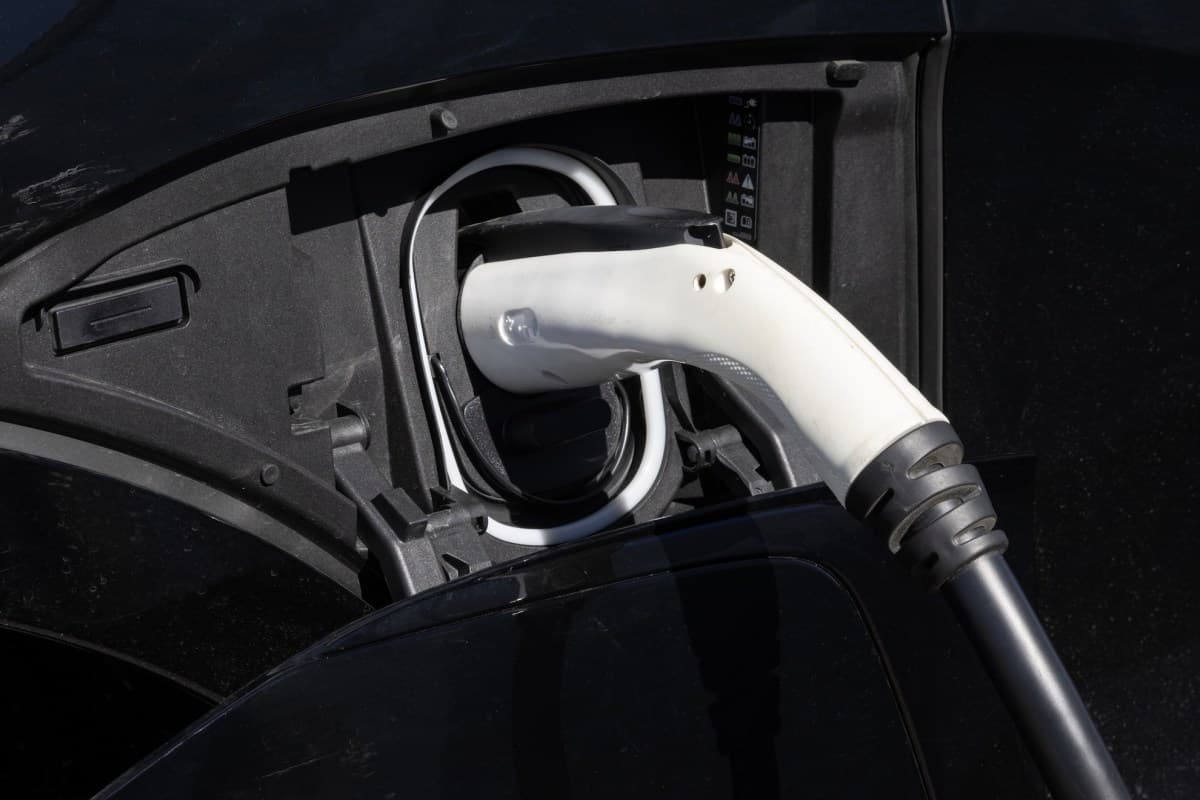
Electric vehicle sales have experienced a significant surge across most global markets, yet the United States is notably lagging behind. This divergence is creating a K-shaped market dynamic, where some regions thrive while others struggle. The trend poses considerable risks for both established automakers and new entrants heavily invested in EV production.
Data from multiple industry sources indicates that EV adoption rates in Europe, China, and other parts of Asia have accelerated sharply. In contrast, U.S. EV sales growth has slowed, hampered by factors such as limited charging infrastructure, higher vehicle prices, and consumer hesitation. This gap is widening despite federal incentives and automaker commitments to electrification.
Legacy automakers like General Motors and Ford have announced ambitious EV plans but face challenges in scaling production and achieving profitability. Startups such as Rivian and Lucid are also under pressure as they struggle to meet sales targets and manage cash burn. The U.S. market's sluggishness could delay their path to breakeven and force strategic pivots.
The K-shaped recovery pattern is evident in contrasting sales figures: while global EV sales rose by over 30% in the first half of the year, U.S. growth was in the single digits. China remains the largest EV market, with strong government support and a wide range of affordable models. Europe also shows robust growth, driven by stringent emissions regulations and expanding charging networks.
Industry analysts point to several reasons for the U.S. slowdown. High interest rates make EV financing more expensive, and the average EV price remains above $50,000, limiting affordability. Additionally, range anxiety and insufficient public charging stations deter potential buyers. Political polarization around climate policies has also contributed to uneven adoption across states.
Automakers are responding by adjusting strategies. Some are delaying new EV model launches or shifting focus to hybrids. Others are investing in domestic battery production to qualify for tax credits under the Inflation Reduction Act. However, these measures may take years to fully impact sales.
The K-shaped divide could reshape the competitive landscape. Companies heavily reliant on the U.S. market may face consolidation or partnerships to survive. Meanwhile, global players with strong positions in China and Europe are better positioned to capitalize on the EV transition.
As of the latest reports, global EV sales are projected to reach 14 million units this year, with China accounting for over half. The U.S. share is expected to remain below 10%. Without significant policy changes or infrastructure investments, the gap may persist, leaving American automakers at a disadvantage in the rapidly evolving industry.