AI Terminology Explained: A Glossary of Key Terms and Phrases
A comprehensive glossary defines essential AI terms and phrases for readers unfamiliar with the technology. The guide covers concepts from machine learning to neural networks.

The rapid advancement of artificial intelligence has introduced a flood of specialized vocabulary. Many people encounter terms like "large language model" or "diffusion" without a clear understanding of their meaning. A new glossary aims to bridge that gap by providing straightforward definitions for the most commonly used AI terminology.
Machine learning, a subset of AI, refers to systems that improve performance through experience rather than explicit programming. Algorithms analyze data to identify patterns and make decisions with minimal human intervention. Deep learning, a more advanced branch, uses multi-layered neural networks to process complex information such as images or speech.
Neural networks are computing systems inspired by the human brain. They consist of interconnected nodes, or neurons, that process data in layers. Training a neural network involves adjusting the connections between neurons to reduce errors in its output. This process requires vast amounts of data and computational power.
Generative AI describes models that create new content, including text, images, music, or video. These systems learn patterns from training data and then generate original outputs that mimic those patterns. Examples include language models that write essays and image generators that produce artwork from text prompts.
Large language models, or LLMs, are a type of generative AI trained on enormous text datasets. They can understand and produce human-like text, answer questions, summarize documents, and even write code. Models like GPT-4 and Claude are prominent examples of LLMs currently in use.
Diffusion models are a class of generative models that create images by gradually adding and then removing noise from data. Starting from random noise, the model refines the image step by step until it matches a given text description. This technique powers many popular AI image generators.
Reinforcement learning involves training an AI agent through trial and error. The agent takes actions in an environment and receives rewards or penalties based on outcomes. Over time, it learns to maximize rewards, making it effective for tasks like game playing or robotics.
The glossary also covers terms like "transformer," a neural network architecture that underpins many modern LLMs. Transformers process entire sequences of data simultaneously, enabling efficient handling of long-range dependencies in text. This architecture has become foundational in natural language processing.
Understanding these terms helps demystify how AI systems operate and what they can achieve. As AI continues to integrate into daily life, familiarity with its vocabulary becomes increasingly valuable for informed discussions and decisions.
Samsung Display unveils world's first 4K 360Hz QD-OLED panel
Samsung Display announced the world's first QD-OLED panel with 4K resolution and a 360Hz refresh rate. The new display targets high-end gaming monitors and professional applications.

Samsung Display has introduced a new QD-OLED panel that combines 4K resolution with a 360Hz refresh rate, a first for the technology. The panel is designed for use in premium monitors, particularly aimed at gamers and professionals requiring high refresh rates and sharp image quality. The announcement was made on March 12, 2025, through an official press release.
The new panel leverages Samsung's Quantum Dot OLED technology, which uses quantum dots to enhance color accuracy and brightness. It supports a 4K resolution of 3840 x 2160 pixels and can achieve a refresh rate of up to 360Hz, reducing motion blur and improving responsiveness. The panel also covers 99% of the DCI-P3 color gamut and has a peak brightness of 1,000 nits.
Samsung Display stated that the panel incorporates advanced OLED pixel technology to deliver deep blacks and high contrast ratios. The 360Hz refresh rate is achieved through improved driving circuitry and faster response times, which are critical for competitive gaming. The panel also supports Adaptive-Sync technologies like AMD FreeSync and NVIDIA G-Sync to eliminate screen tearing.
The company plans to begin mass production of the 27-inch and 32-inch versions of the panel in the second quarter of 2025. These panels will be supplied to monitor manufacturers, including Samsung Electronics, Dell, and ASUS, for their upcoming gaming monitors. Pricing for the final products has not been disclosed, but they are expected to be positioned in the premium segment.
Samsung Display highlighted that the new panel is part of its strategy to lead the high-end monitor market. The company has been expanding its QD-OLED lineup, which already includes 34-inch and 49-inch ultrawide panels. The 4K 360Hz variant is expected to compete with LG Display's OLED panels and Mini-LED alternatives.
Industry analysts note that the combination of 4K resolution and 360Hz refresh rate addresses a growing demand for high-performance displays among esports enthusiasts and content creators. The panel's fast response time and wide color gamut make it suitable for both gaming and professional color-critical work.
Samsung Display will showcase the new panel at the upcoming Display Week 2025 event in May. The company expects the first monitors featuring the panel to hit the market in the third quarter of 2025. Specific product announcements from partner brands are anticipated in the coming months.
"This panel represents a significant milestone in display technology, offering both stunning detail and ultra-smooth motion," a Samsung Display representative said in the press release. The company aims to ship over 1 million QD-OLED panels in 2025, driven by demand for high-refresh-rate monitors.

Texas measles outbreak analysis reveals 20% hospitalization rate, debunks 'just a rash' claims
A new CDC study of the 2024 West Texas measles outbreak shows 20% of cases required hospitalization, mostly young children. The data contradicts claims by Health Secretary Robert F. Kennedy Jr. that measles is harmless.

The U.S. Centers for Disease Control and Prevention published a detailed analysis of last year's major measles outbreak that originated in West Texas, providing fresh evidence of the virus's severity. The study, released yesterday in the Morbidity and Mortality Weekly Report, examined cases from the multi-state outbreak that spread rapidly through undervaccinated communities. Researchers found that approximately one in five infected individuals required hospital care, with young children bearing the brunt of severe complications.
Health Secretary Robert F. Kennedy Jr., a prominent anti-vaccine advocate, has repeatedly dismissed measles as "just a rash" and alleged that outbreaks are fabricated to create fear. In 2021, Kennedy wrote that "Measles outbreaks have been fabricated to create fear" when the U.S. recorded only 49 cases nationwide. The new data directly contradicts those assertions, showing a disease that frequently leads to pneumonia, encephalitis, and other serious outcomes.
The outbreak emerged in an area with declining vaccination rates, a trend that has accelerated over the past two decades. The U.S. declared measles eliminated in 2000 following a highly successful vaccination campaign, but slipping immunization coverage has allowed the virus to regain a foothold. The West Texas cluster quickly spread to multiple states, overwhelming local health departments and straining hospital resources.
Hospitalization rates in the outbreak reached 20%, with children under five years old comprising the majority of severe cases. Measles complications often require intensive care, including respiratory support and treatment for dehydration. The virus is highly contagious, with each infected person capable of spreading it to 12 to 18 others in a susceptible population.
Public health officials have long warned that falling vaccination rates would lead to the resurgence of preventable diseases. The current outbreak follows a pattern seen in other countries where measles reemerged after immunization coverage dropped below the 95% threshold needed for herd immunity. The CDC report underscores the fragility of the elimination status achieved in 2000.
Kennedy's appointment as Health Secretary has raised concerns among medical professionals about the administration's commitment to evidence-based public health policy. His past statements questioning vaccine safety and efficacy have been widely debunked by scientific research. The new outbreak data provides a stark real-world example of the consequences of vaccine skepticism.
The study's authors emphasized that measles remains a serious threat, particularly for unvaccinated individuals. They urged clinicians to maintain high suspicion for measles in patients with fever and rash, especially those with travel to outbreak areas or known exposure. The report also highlighted the importance of maintaining robust vaccination programs to prevent future outbreaks.
As of the publication date, the outbreak has subsided but sporadic cases continue to be reported. The CDC continues to monitor the situation and recommends that all eligible individuals receive the measles-mumps-rubella vaccine. The full MMWR report is available on the CDC website.

CNN Sues Perplexity Over Copyright Infringement Claims
CNN has filed a lawsuit against Perplexity AI, alleging copyright infringement. The media company claims the AI search startup used its content without authorization.
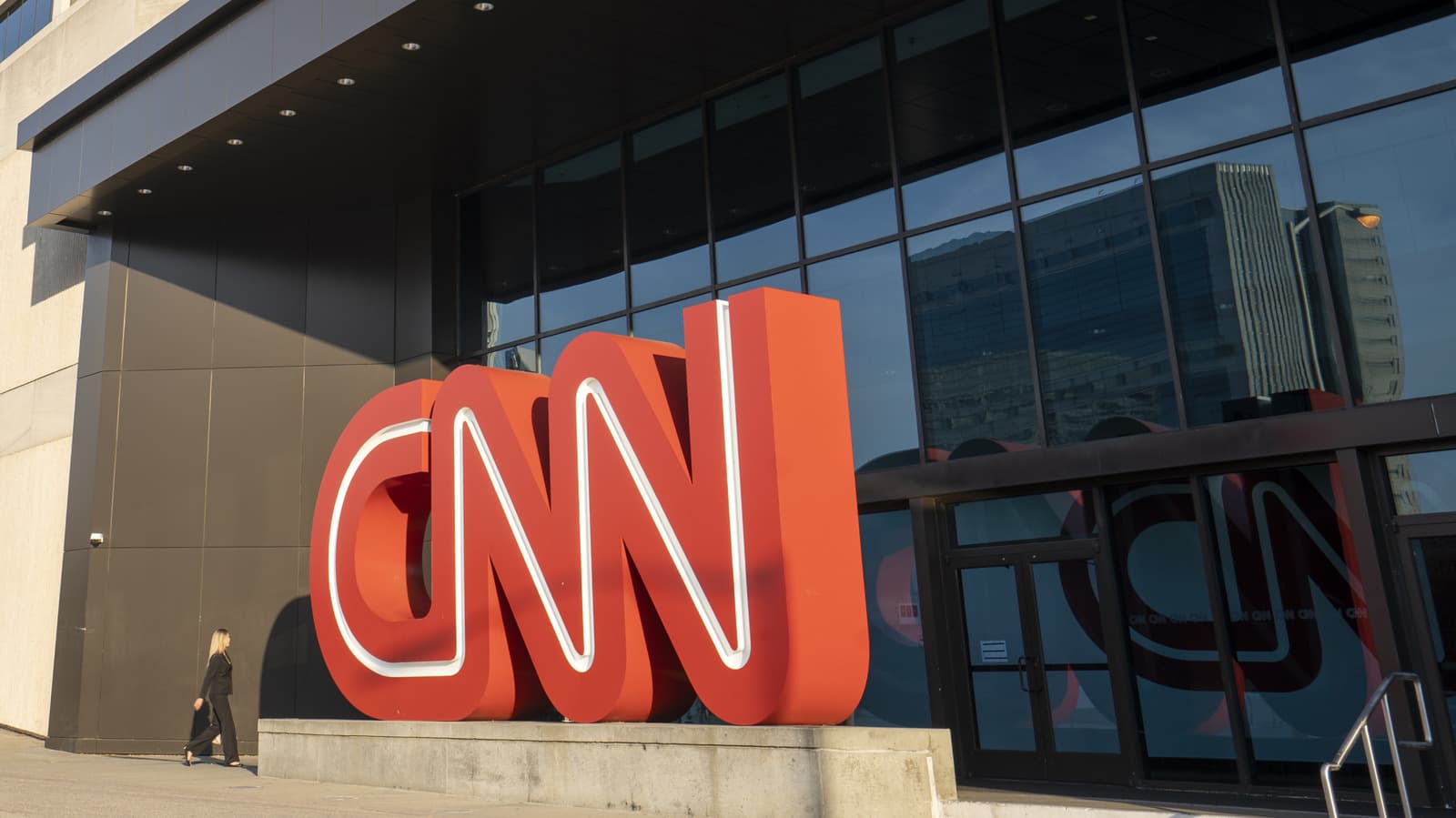
CNN has initiated legal proceedings against Perplexity AI, becoming the latest media organization to challenge the artificial intelligence search startup over copyright issues. The lawsuit, filed in a federal court, accuses Perplexity of using CNN's copyrighted articles and content without obtaining proper licenses or permission.
The complaint alleges that Perplexity's AI-powered search engine scrapes and reproduces substantial portions of CNN's reporting, effectively bypassing paywalls and diminishing the value of the news outlet's original journalism. CNN contends that this practice violates copyright law and undermines the economic model that supports quality news production.
Perplexity, which markets itself as an AI-driven answer engine, has faced similar legal actions from other publishers. The New York Times and other media companies have previously sued the startup over comparable allegations. These lawsuits highlight growing tensions between AI companies and content creators over the use of copyrighted material for training and generating responses.
In its filing, CNN seeks damages and an injunction to prevent Perplexity from continuing to use its content without authorization. The media company argues that the startup's actions constitute willful infringement, as Perplexity was aware of CNN's copyright protections but proceeded regardless.
Perplexity has not yet publicly responded to the lawsuit. The company has previously defended its practices, stating that it operates within the bounds of fair use by providing summaries and citations rather than full reproductions. However, publishers argue that the AI's outputs often contain verbatim or near-verbatim excerpts, which go beyond acceptable limits.
The case adds to a broader legal landscape where media companies are increasingly asserting their rights against AI firms. Similar disputes have involved OpenAI, Google, and other tech giants, with outcomes that could shape the future of content licensing and AI development.
CNN's lawsuit was filed in the Southern District of New York. The court will now consider the merits of the case, which could set a precedent for how AI search engines interact with copyrighted news content. A trial date has not yet been set.

Proposed US rules would let agencies cancel grants at any time
The US Office of Management and Budget has proposed new rules that would allow federal agencies to cancel any grant at any time if it is deemed not in the 'national interest.' The rules also deprioritize peer review and ban grants on certain culture war topics.
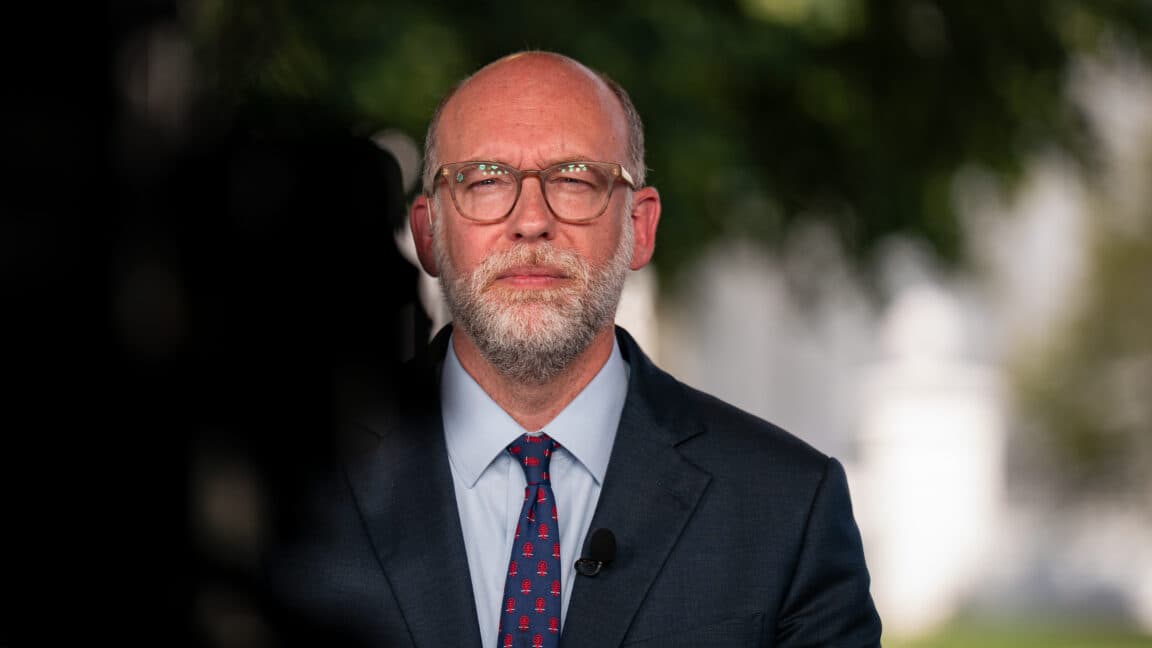
The US Office of Management and Budget has proposed new rules that would fundamentally alter how federal grant funding is managed. Under the proposal, political appointees would have the final say on grant decisions, and peer review would become a secondary consideration. The rules would also allow any federal agency to cancel any grant at any time based on a vague assertion that it is not in the "national interest."
The proposed rules stem from an executive order issued by the Trump administration last August. That order aimed to change the grant funding system, which had relied on peer reviewers rating applications based on scientific quality and feasibility. Subject-matter experts within funding agencies used those ratings to determine which grants received funding.
The administration lost multiple court cases after issuing the executive order, as courts found that executive orders cannot circumvent legal requirements and can be vacated without strong justification. To avoid a similar fate, the Office of Management and Budget decided to merge the executive order with other administration priorities and send it through the formal federal rulemaking process.
The resulting document has been described as a horror show for US science research. In addition to making peer review a secondary consideration, the rules would ban grants on a number of culture war topics. They would also limit international collaborations and block spending on activities such as publishing papers and attending conferences.
The proposed rules would apply to all federal agencies that issue grants. The Office of Management and Budget has not specified a timeline for finalizing the rules, but the formal rulemaking process typically involves a public comment period before any final action is taken.
Critics of the proposal argue that it would undermine the scientific integrity of the US research enterprise. They contend that allowing political appointees to override peer review and cancel grants at will would introduce political bias into funding decisions and discourage long-term research projects.
The Office of Management and Budget has defended the proposal as necessary to ensure that grant funding aligns with national priorities. The agency has stated that the rules would provide greater flexibility and accountability in how taxpayer dollars are spent on research.
The proposed rules are now open for public comment before any final decision is made.