
Chinese researchers develop HG-STR algorithm for drone swarms with 100% kill rate in simulations
Chinese researchers have developed a new algorithm called HG-STR that enables drone swarms to achieve a 100% kill rate in simulations, even under communication disruptions and electronic jamming. The algorithm allows drones to autonomously detect and engage targets without relying on external commands.

Chinese researchers have unveiled a new algorithm designed to enhance the combat capabilities of drone swarms. The algorithm, named HG-STR, reportedly achieved a 100% kill rate in simulated battlefield scenarios. The development was announced by a team from a Chinese research institution, marking a significant advancement in autonomous drone warfare technology.
The HG-STR algorithm enables drone swarms to operate effectively even when communication links are severed or under heavy electronic jamming. In such conditions, individual drones can autonomously detect and engage targets without relying on centralized command. This capability addresses a critical vulnerability of drone swarms, which often depend on constant communication with a ground station.
During simulations, the algorithm demonstrated the ability to coordinate multiple drones to simultaneously attack a target. The drones used onboard sensors and artificial intelligence to identify and prioritize threats. The researchers claimed that the algorithm's decision-making process allowed for rapid adaptation to changing battlefield conditions.
The development comes amid growing global interest in drone swarm technology for military applications. Several countries, including the United States and China, have been investing in autonomous systems that can operate in contested environments. The HG-STR algorithm is seen as a potential game-changer in this field, as it reduces the reliance on vulnerable communication links.
However, experts caution that simulation results may not fully translate to real-world performance. Factors such as weather, terrain, and enemy countermeasures could affect the algorithm's effectiveness. The researchers acknowledged that further testing in realistic environments is necessary before the technology can be deployed.
The Chinese research team plans to conduct field trials with actual drones in the coming months. If successful, the HG-STR algorithm could be integrated into existing drone platforms used by the Chinese military. The algorithm's ability to operate under electronic warfare conditions could provide a strategic advantage in future conflicts.
Details of the algorithm's architecture and specific capabilities have not been publicly disclosed due to security concerns. The research was published in a Chinese academic journal, with limited technical information available to the public. The team stated that the algorithm is designed to be compatible with various types of drones, including small quadcopters and larger fixed-wing UAVs.
The announcement has drawn attention from defense analysts worldwide, who are closely monitoring advancements in autonomous weapons systems. The development of algorithms like HG-STR raises ethical and legal questions about the use of AI in combat. International discussions on regulating lethal autonomous weapons systems have intensified in recent years.
As of now, no official statement has been released by the Chinese government regarding the deployment of the HG-STR algorithm. The research team emphasized that the technology is still in the experimental stage and requires further validation. The algorithm's performance in real-world conditions remains to be seen, but the simulation results have already sparked considerable interest in the defense community.
Nvidia targets $200B CPU market with AI agent PCs from Microsoft, Dell, HP
Nvidia is entering the CPU market with AI agent PCs developed alongside Microsoft, Dell, and HP. The company aims to capture a share of the $200 billion CPU market by integrating AI capabilities directly into personal computers.
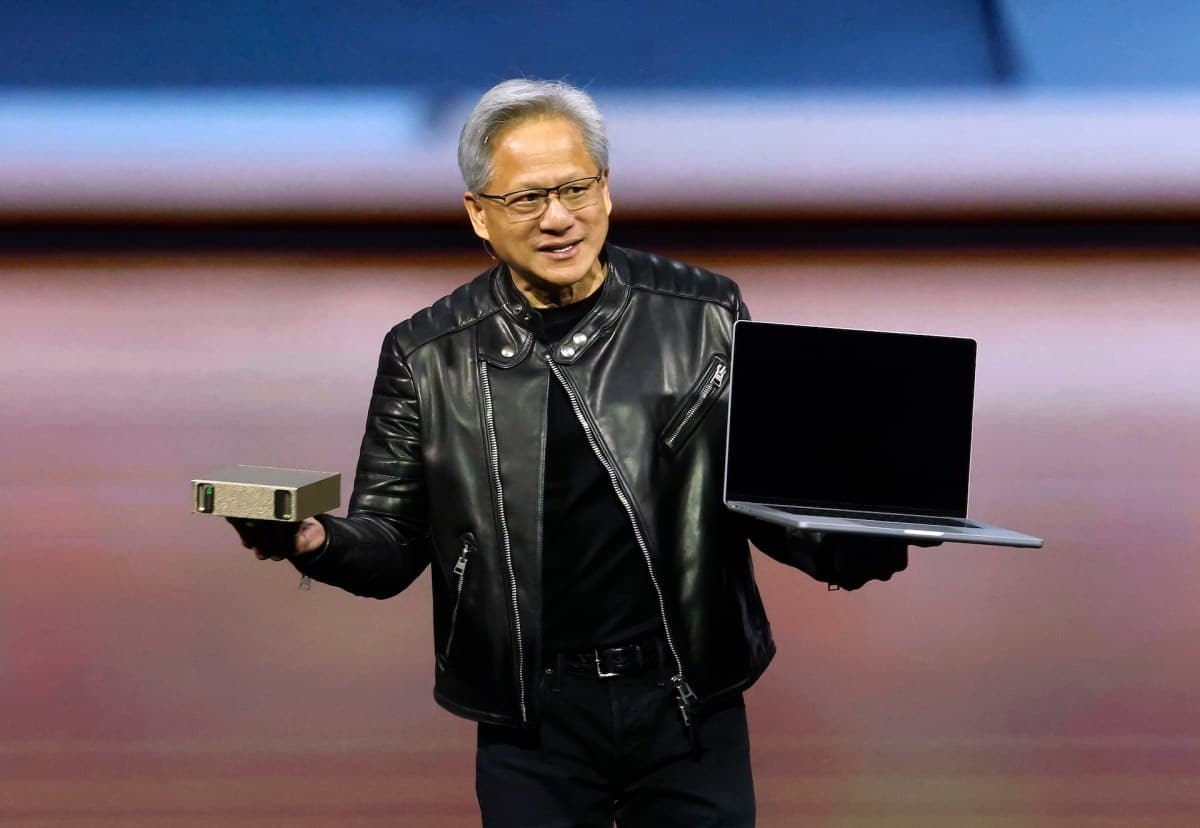
Nvidia is making a strategic push into the $200 billion CPU market by partnering with Microsoft, Dell, and HP to launch a new category of AI agent PCs. The initiative aims to embed artificial intelligence directly into personal computers, enabling them to perform complex tasks autonomously. Nvidia's approach focuses on making AI agents accessible, secure, and practical for everyday users.
The AI agent PCs will leverage Nvidia's GPU technology combined with custom CPU designs to handle AI workloads locally. This architecture allows the systems to run AI models without relying on cloud connectivity, reducing latency and enhancing privacy. Microsoft, Dell, and HP will integrate these chips into their upcoming PC lines, targeting both consumer and enterprise markets.
Nvidia's entry into the CPU space represents a significant shift from its traditional focus on graphics processors. The company has developed a specialized chip that combines CPU cores with AI accelerators, optimized for running large language models and other AI applications. This hybrid design aims to outperform traditional CPUs in AI tasks while maintaining compatibility with existing software.
The partnership with Microsoft brings integration with Windows and Azure AI services, allowing seamless deployment of AI agents. Dell and HP will offer the PCs in various form factors, including desktops and laptops, with configurations tailored for different use cases. The companies emphasize security features such as hardware-based encryption and secure enclaves for AI processing.
Nvidia claims the AI agent PCs can handle tasks like real-time language translation, automated data analysis, and personalized virtual assistants without internet dependency. The systems are designed to learn user behavior over time, adapting to individual preferences. Early benchmarks suggest significant performance gains over traditional CPUs in AI-specific workloads.
The market for AI-enabled PCs is projected to grow rapidly, with analysts estimating it could reach $200 billion within the next few years. Nvidia's move positions it to compete directly with Intel and AMD in the CPU market, while also expanding its AI ecosystem. The company plans to offer multiple chip tiers to address different price points and performance requirements.
Pricing for the AI agent PCs will vary by configuration, with entry-level models starting around $1,000 and high-end versions exceeding $3,000. The first devices are expected to ship in the second half of 2025, with pre-orders opening in select markets earlier. Microsoft, Dell, and HP will announce specific models and availability dates in the coming months.
Nvidia CEO Jensen Huang stated that the AI agent PCs represent a new computing paradigm, bringing intelligence directly to users' fingertips. The company is working with software developers to create applications that leverage the hardware's AI capabilities. Nvidia also plans to release a software development kit for third-party AI agent creation.

May highlights: prehistoric mining, blue octopus, catnip preference, political polarization
May's overlooked scientific stories include a possible prehistoric copper mine in the Pyrenees, a new tiny blue octopus species, evidence that cats prefer silver vine to catnip, and a study suggesting political polarization behaves like a phase transition.

Each month, a number of compelling scientific stories fail to receive the attention they deserve. For May, editors have selected several noteworthy studies that nearly slipped through the cracks. Among them are discoveries ranging from ancient mining operations to feline behavior and political dynamics.
High in the eastern Pyrenees, a prehistoric cave excavated between 2021 and 2023 has yielded artifacts that suggest it may have been an ancient copper smelting site. Spanish archaeologists analyzed the finds and proposed that humans occupied the cave far more frequently than previously believed. The team published these preliminary findings in the journal Frontiers in Environmental Archaeology.
In marine biology, researchers described a new species of tiny blue octopus. The creature, notable for its vivid coloration and diminutive size, adds to the growing diversity of known cephalopods. Details of the discovery appeared in a recent taxonomic study.
A separate investigation into feline preferences found that cats appear to favor silver vine over catnip. The study, which observed behavioral responses to both plants, indicated that silver vine elicited stronger reactions in a majority of the test subjects. The findings may have implications for understanding feline sensory biology.
Political polarization was the subject of a study that modeled ideological divisions as a phase transition. Researchers drew parallels between the sudden shifts in political alignment and physical systems that undergo abrupt changes in state. The work was published in a peer-reviewed journal and has sparked discussion among social scientists.
Other stories from May include advances in renewable energy technology and a re-evaluation of historical climate data. Each of these studies, while not widely covered, offers significant insights into their respective fields.
The full articles for each highlighted story are available through the original sources. Readers are encouraged to explore the complete research for a deeper understanding of these findings.

Apple TV Surpasses Netflix in Content Quality Index, Study Finds
A new quality index by MoffetNathanson ranks Apple TV above Netflix in content quality. The study highlights Apple TV's strong performance in original programming.

MoffetNathanson, a research firm, has released a new quality index that evaluates streaming platforms based on content quality. The index places Apple TV ahead of Netflix, marking a notable shift in the competitive landscape. Apple TV's original series and films received high marks for critical acclaim and audience engagement.
Netflix, long considered a leader in original content, slipped in the rankings despite its vast library. The index measures factors such as critic scores, viewer ratings, and cultural impact. Apple TV's focused strategy on fewer but higher-quality productions appears to have paid off.
The study analyzed data from the past year, including releases from major streaming services. Apple TV's investment in prestige projects like "Ted Lasso" and "Severance" contributed to its top position. Netflix, with a larger volume of content, saw its average quality score decline.
MoffetNathanson noted that Apple TV's curated approach contrasts with Netflix's volume-driven model. The index suggests that quality over quantity can yield better results in viewer satisfaction. However, Netflix still leads in total viewership hours due to its extensive catalog.
The findings come as streaming services face increasing competition for subscribers. Apple TV has been expanding its original content slate, while Netflix continues to invest heavily in new series and films. The index may influence how platforms prioritize content strategies.
Apple TV's rise in the quality index reflects its growing reputation among critics and audiences. The service has won multiple Emmy Awards for its original programming. Netflix, despite its broader reach, has faced criticism for canceling shows prematurely.
The MoffetNathanson index is based on a proprietary methodology that weights various quality metrics. It provides a benchmark for comparing streaming services beyond subscriber numbers. Apple TV's performance underscores the importance of content curation in a crowded market.
Apple TV is available as a subscription service for $9.99 per month, with select original content also accessible through Apple One bundles. Netflix offers plans starting at $6.99 per month with ads. The study's results were published on MoffetNathanson's website.

Google Pixel Watch 5 Leaked in Underwater Video by Borderlands Creator
Randy Pitchford, creator of Borderlands, has leaked an unannounced Google Pixel Watch 5 in an underwater video. The footage shows the smartwatch submerged, revealing its design and features.
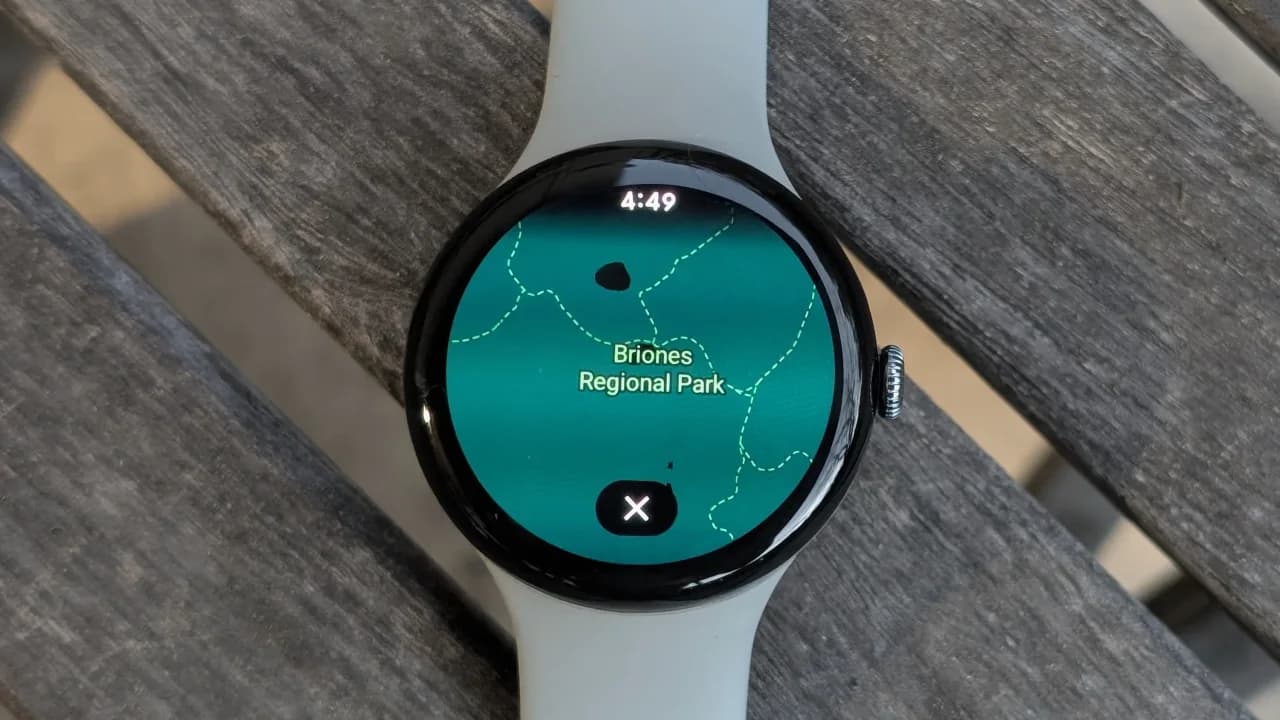
Randy Pitchford, the creator of the Borderlands video game series, has surfaced an unannounced Google Pixel Watch 5 in an underwater video. The footage, posted on social media, shows the smartwatch submerged in water, providing an early look at its design. The device appears to be a prototype, as it has not been officially announced by Google.
The video reveals a circular watch face with a sleek, minimalist design. The display is visible underwater, suggesting strong water resistance. The watch appears to be running Wear OS, with a custom Google interface. The band shown is a sporty silicone strap, likely designed for fitness tracking.
Details about the Pixel Watch 5's specifications remain scarce. However, the leak hints at potential improvements in water resistance and display visibility. The previous Pixel Watch 4 offered 5ATM water resistance, and the new model may exceed that rating. The video also shows the watch tracking a swim workout, indicating enhanced swim-tracking capabilities.
Pitchford did not provide any context on how he obtained the device. He is known for his work on the Borderlands franchise and has a history of sharing tech finds. The leak comes ahead of Google's expected fall hardware event, where the Pixel Watch 5 is rumored to launch alongside the Pixel 10 series.
Google has not commented on the leak. The company typically unveils its Pixel Watch lineup in October. The Pixel Watch 5 is expected to feature a new processor, improved battery life, and advanced health sensors. Pricing is anticipated to start around $349 for the base model.
The underwater video confirms that the Pixel Watch 5 will retain the circular design language of its predecessors. It also suggests that Google is focusing on durability and fitness features. The watch is likely to compete with the Apple Watch Series 10 and Samsung Galaxy Watch 7.
Availability is expected in October 2025, with pre-orders starting shortly after the announcement. The Pixel Watch 5 will be sold through the Google Store and major retailers. The leak has generated buzz among tech enthusiasts, but official details remain pending.
As of now, Google has not confirmed the Pixel Watch 5's existence. The company is expected to provide more information at its upcoming hardware event. The leak by Randy Pitchford offers an early glimpse, but consumers should wait for official specifications and pricing.