ClickUp lays off hundreds, plans to replace with AI agents
ClickUp, a nine-year-old project management startup, is laying off hundreds of employees and plans to replace them with thousands of AI agents. The move signals a shift in how the company views the future of work.

ClickUp, the project management software company founded in 2016, announced it is laying off a significant portion of its workforce. The company plans to replace the laid-off employees with thousands of AI agents, according to an internal memo obtained by multiple outlets. The layoffs affect approximately 200 employees, or about 10% of the company's staff.
The AI agents will take over tasks previously handled by human workers, including customer support, sales, and some engineering functions. ClickUp CEO Zeb Evans stated that the decision was driven by the need to increase efficiency and reduce costs. The company has been developing its AI capabilities for over a year, and Evans believes the technology is now mature enough to handle these roles.
ClickUp's move is one of the most aggressive examples of AI replacing human workers in the tech industry. While many companies have experimented with AI for specific tasks, ClickUp is essentially replacing entire departments. The company expects the AI agents to be more productive and available 24/7, which will allow ClickUp to scale without adding human headcount.
The layoffs come as ClickUp faces increasing competition from other project management tools like Asana, Monday.com, and Notion. The company has raised over $500 million in funding and was valued at $4 billion in 2021. However, like many tech startups, ClickUp has been under pressure to cut costs and show a path to profitability.
Employees affected by the layoffs will receive severance packages, including extended health insurance and job placement assistance. ClickUp has not disclosed the exact number of AI agents that will be deployed, but Evans indicated that the number could be in the thousands. The company plans to roll out the AI agents over the next several months.
The decision has sparked debate about the role of AI in the workplace. Critics argue that replacing human workers with AI could lead to job losses and increased inequality. Supporters counter that AI can handle repetitive tasks, freeing humans to focus on more creative and strategic work. ClickUp's approach suggests that the company believes AI can handle not just repetitive tasks but also complex roles like sales and engineering.
ClickUp's move could set a precedent for other tech companies. If the AI agents prove successful, other startups and even larger companies may follow suit. The company is betting that AI can deliver better results at a lower cost, but the long-term impact on company culture and innovation remains uncertain.
ClickUp's AI agents are expected to be fully operational by the end of the year. The company has not announced any further layoffs at this time. Evans emphasized that the decision was difficult but necessary for the company's future growth.
Turkish Engineers Unveil AI-Powered Combat Robot SARBOT L1 at SAHA Expo 2026
Turkish engineers introduced the SARBOT L1, an AI-powered combat robot developed by LA2 Dynamics, at SAHA Expo 2026. The robot is designed to replace soldiers on the battlefield.

Turkish engineers have introduced the SARBOT L1, an AI-powered combat robot developed by LA2 Dynamics, at SAHA Expo 2026. The robot is designed to replace soldiers on the battlefield, marking a new era in military technology. The unveiling took place at the expo, which is a major defense industry event in Turkey.
The SARBOT L1 is equipped with advanced artificial intelligence systems that enable autonomous operations. It can be deployed in high-risk environments to perform tasks that would otherwise endanger human soldiers. The robot's design focuses on mobility, durability, and precision in combat scenarios.
LA2 Dynamics, the company behind the SARBOT L1, has emphasized the robot's ability to operate in various terrains and conditions. The AI allows the robot to make real-time decisions, navigate obstacles, and engage targets with accuracy. The robot is also designed to communicate with other units and command centers.
The development of the SARBOT L1 reflects a growing trend in defense technology toward unmanned systems. Many countries are investing in robotic platforms to reduce casualties and enhance operational efficiency. Turkey has been actively developing indigenous defense technologies, and the SARBOT L1 is a significant addition to its portfolio.
The robot's potential applications include reconnaissance, surveillance, and direct combat roles. It can be armed with various weapon systems, making it versatile for different mission profiles. The AI capabilities also allow for coordinated operations with drones and other robotic assets.
The SARBOT L1 is expected to undergo further testing and evaluation before potential deployment. LA2 Dynamics has not disclosed specific technical specifications or pricing details. The company aims to offer the robot to both domestic and international military customers.
SAHA Expo 2026 provided the platform for the public debut of the SARBOT L1. The event showcases the latest innovations in the defense and aerospace sectors. The introduction of the robot has generated interest among defense experts and potential buyers.
The SARBOT L1 represents a step forward in the use of artificial intelligence in military applications. As technology advances, robots like the SARBOT L1 could become more common on battlefields, changing the nature of warfare. LA2 Dynamics plans to continue developing the robot's capabilities based on feedback from military users.

Huawei unveils Kirin 2026 chip with transistor density record
Huawei announced the Kirin 2026 processor, claiming a new transistor density record. The chip introduces the Tau Law strategy for performance and efficiency gains.
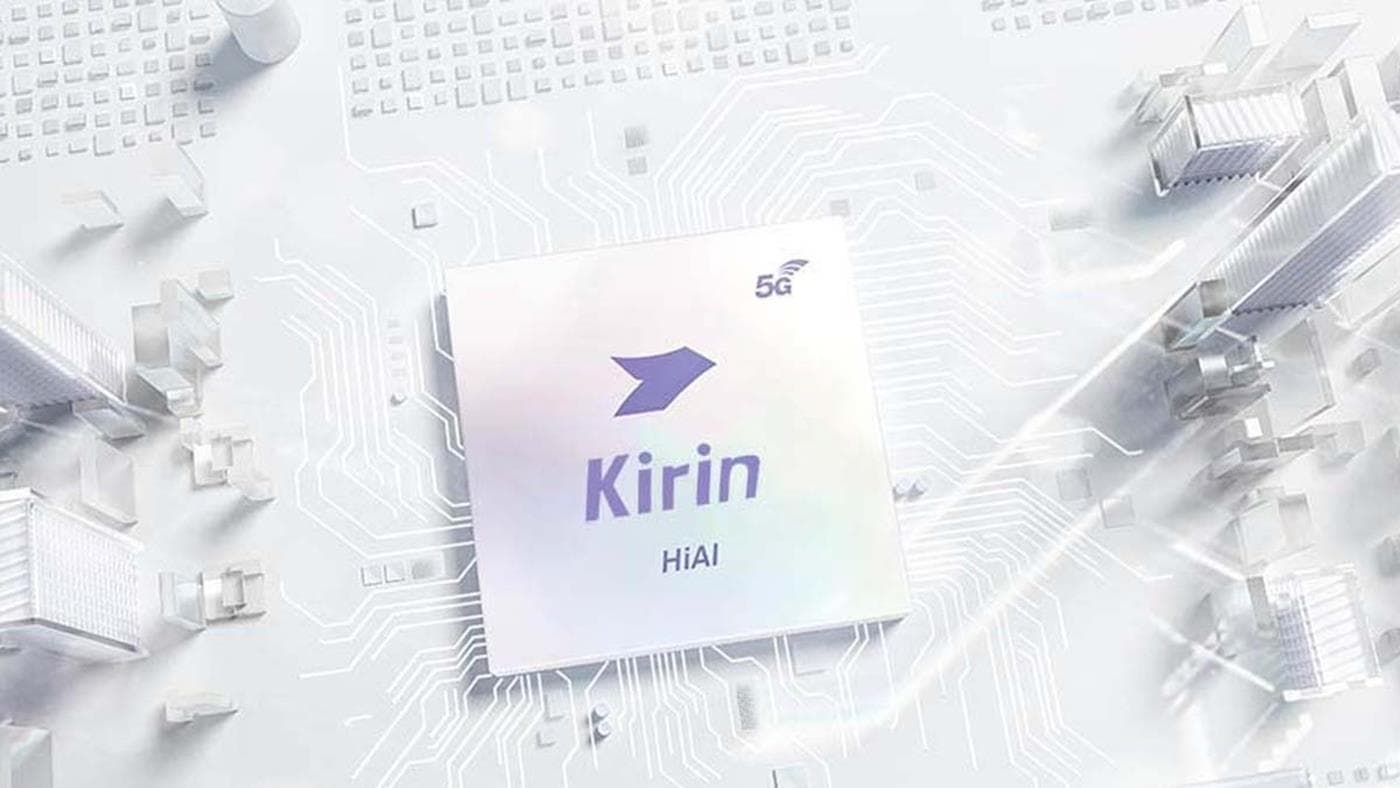
Huawei has introduced its latest mobile processor, the Kirin 2026, at a launch event in Shenzhen. The company claims the chip achieves a new record in transistor density, surpassing previous industry benchmarks. This development marks a significant step in Huawei's semiconductor strategy, which it calls the Tau Law approach.
The Kirin 2026 is built on an advanced process node, though Huawei did not disclose the exact nanometer size. The chip integrates a new architecture that the company says improves both performance and power efficiency. Huawei emphasized that the Tau Law strategy focuses on optimizing transistor layout and interconnect design rather than simply shrinking die sizes.
According to Huawei, the Kirin 2026 delivers a 30% increase in performance per watt compared to its predecessor. The chip also features an upgraded neural processing unit for AI tasks, supporting on-device machine learning with lower latency. Huawei claims the NPU achieves a 50% improvement in AI inference speed.
The processor includes a new image signal processor that supports up to 200-megapixel cameras and 8K video recording at 60 frames per second. Huawei also integrated a 5G modem with support for carrier aggregation across multiple bands. The company stated that the modem achieves peak download speeds of 10 Gbps.
Huawei's Tau Law strategy represents a departure from traditional Moore's Law scaling. The company explained that by focusing on transistor density and interconnect efficiency, it can continue to improve chip performance without relying solely on process node shrinks. This approach could have implications for the broader semiconductor industry.
The Kirin 2026 will first appear in Huawei's flagship smartphones expected later this year. Huawei confirmed that the Mate 70 series, scheduled for a Q4 2025 launch, will be the first devices to feature the new chip. The company also plans to use the processor in its upcoming foldable phones and tablets.
Pricing for devices with the Kirin 2026 has not been announced. Huawei stated that the chip will be manufactured exclusively by its in-house semiconductor arm, HiSilicon. The company did not provide details on production volumes or yield rates.
Huawei's announcement comes amid ongoing US trade restrictions that limit its access to advanced chipmaking tools. The company said the Kirin 2026 demonstrates its ability to innovate despite these challenges. Huawei reiterated its commitment to developing its own semiconductor technology.

Sennheiser Momentum 5 Headphones Debut with Dolby Atmos and Enhanced ANC
Sennheiser has launched the Momentum 5 wireless headphones, featuring Dolby Atmos with head tracking and upgraded active noise cancellation. The headphones are priced at $349.95 and will be available starting October 10.
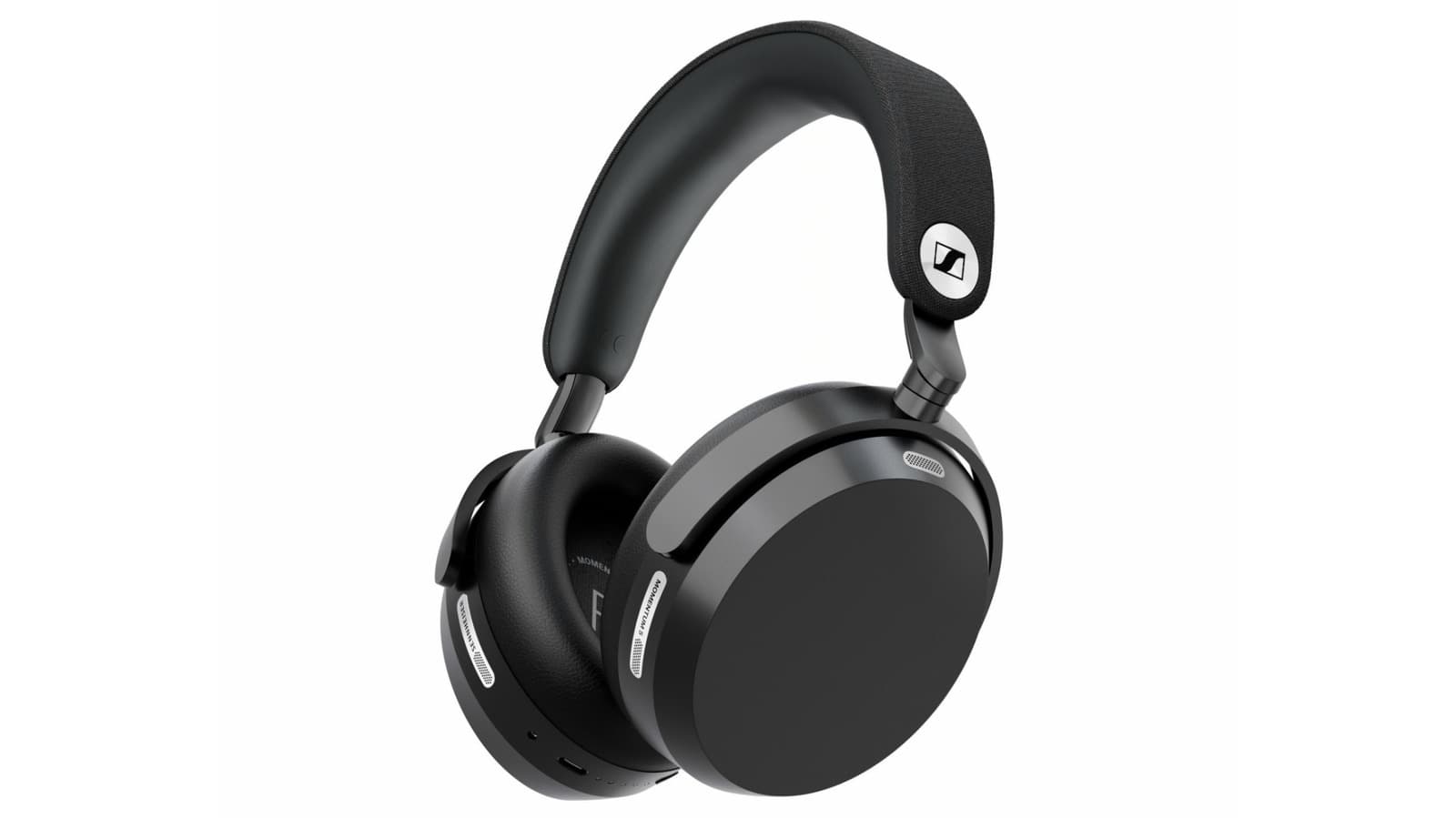
Sennheiser introduced the Momentum 5 wireless headphones on Tuesday, marking the latest addition to its premium audio lineup. The new model focuses on delivering improved sound quality and more effective noise cancellation compared to its predecessor. A key feature is support for Dolby Atmos with dynamic head tracking, which adjusts the audio spatialization as the listener moves their head.
The headphones incorporate Sennheiser's proprietary acoustic system, including 42mm transducers designed to reproduce a wide frequency range. The company claims the Momentum 5 offers a more natural and immersive listening experience, with enhanced clarity across bass, midrange, and treble. The active noise cancellation (ANC) system has been upgraded with adaptive technology that automatically adjusts to the user's environment.
Sennheiser also introduced a Transparency mode that allows ambient sounds to pass through without removing the headphones. The Momentum 5 supports Bluetooth 5.4 with multipoint connectivity, enabling simultaneous pairing with two devices. Codec support includes AAC, SBC, and aptX Adaptive for high-resolution audio streaming.
Battery life is rated at up to 60 hours with ANC enabled, and a quick charge feature provides 6 hours of playback from a 10-minute charge. The headphones come with a USB-C charging cable and a 3.5mm audio cable for wired use. The design remains largely similar to the Momentum 4, with a foldable structure and memory foam ear cushions covered in leatherette.
The Momentum 5 is available in three color options: black, white, and copper. Sennheiser has also updated the companion app, offering a five-band equalizer and sound personalization through a hearing test. The headphones are priced at $349.95 and will begin shipping on October 10 from Sennheiser's website and select retailers.
Huawei Unveils 1.4nm Chip Plan Without ASML EUV Machines
Huawei announced it can develop 1.4nm chips without relying on ASML's advanced EUV lithography machines. The company is pursuing alternative manufacturing methods to achieve this milestone.
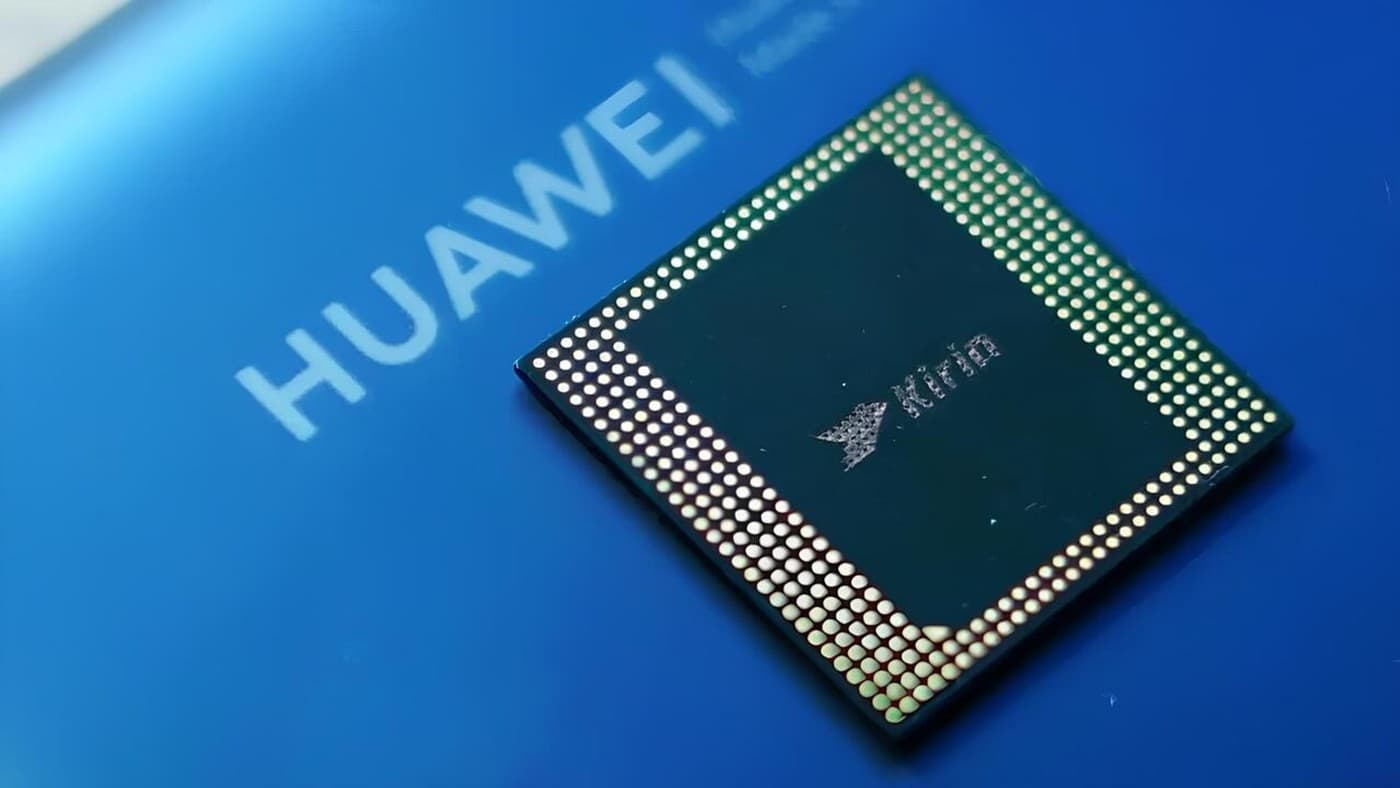
Huawei has revealed a plan to produce 1.4nm chips without using ASML's advanced EUV lithography machines. The Chinese tech giant announced it is exploring alternative manufacturing techniques to achieve this node. This move comes amid ongoing US export restrictions that limit Huawei's access to cutting-edge chipmaking equipment.
The company did not disclose specific details about the alternative methods it intends to use. However, industry analysts suggest Huawei may leverage multi-patterning with existing deep ultraviolet (DUV) lithography or adopt novel approaches like nanosheet transistors or advanced packaging. Huawei's research arm has been working on these technologies for several years.
Huawei's 1.4nm plan represents a significant leap from its current capabilities. The company's HiSilicon division currently produces chips using 7nm and 5nm nodes, though production is constrained by foundry limitations. Achieving 1.4nm would place Huawei among the leaders in semiconductor manufacturing, alongside TSMC and Samsung.
The announcement comes as Huawei continues to face sanctions that prevent it from purchasing ASML's latest EUV machines. These machines are essential for producing chips at 7nm and below using conventional methods. Huawei's alternative approach could potentially bypass these restrictions, though technical challenges remain substantial.
Industry experts note that developing 1.4nm chips without EUV lithography would require significant innovation in design and manufacturing. Multi-patterning with DUV tools increases complexity and cost, while alternative transistor architectures may require new materials and processes. Huawei has not provided a timeline for when 1.4nm chips might enter production.
Huawei's announcement is part of a broader push by Chinese semiconductor companies to achieve self-sufficiency in chip manufacturing. The Chinese government has invested heavily in domestic chip production capabilities, aiming to reduce reliance on foreign technology. Huawei's 1.4nm plan aligns with these national objectives.
The company has not confirmed whether it will manufacture these chips in-house or partner with a foundry. Huawei's HiSilicon division typically designs chips but relies on external foundries like TSMC for production. However, TSMC is also subject to US export controls, limiting its ability to serve Huawei.
Huawei stated that its 1.4nm development is still in the research phase and that commercial production is not imminent. The company emphasized that it remains committed to innovation despite external challenges. Further details are expected to be shared at upcoming industry conferences.