Ex-Meta CTO Mike Schroepfer Raises $250 Million Climate Fund Gigascale Capital
Mike Schroepfer, former CTO of Meta, has raised $250 million for his new climate-focused venture capital firm Gigascale Capital. The fund will invest in startups addressing energy and material shortages with scalable solutions.
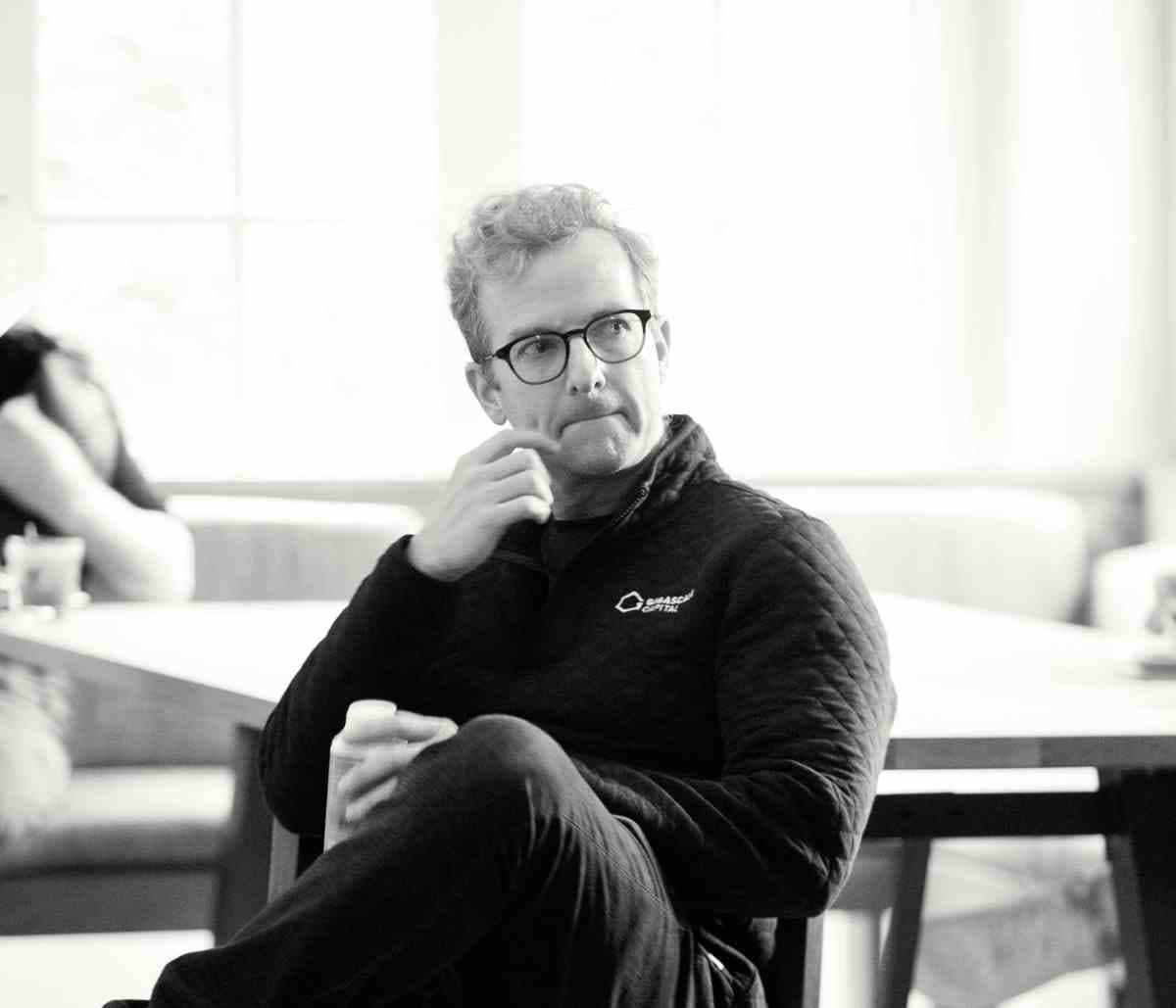
Mike Schroepfer, who served as Meta's chief technology officer until 2022, has secured $250 million for his newly launched climate venture capital firm, Gigascale Capital. The fund aims to back founders developing technologies that address global energy and material shortages. Schroepfer announced the fundraise on Wednesday, positioning the firm as a contrarian investor in the climate tech space.
Gigascale Capital will focus on early-stage investments in companies working on solutions for hard-to-abate sectors, including industrial decarbonization, energy storage, and sustainable materials. Schroepfer described the fund's strategy as "zigging when most are zagging," targeting areas where traditional venture capital has been hesitant to invest due to long development timelines or capital intensity.
The fund has already deployed capital into several undisclosed startups, with plans to invest in roughly 20 to 25 companies over the next few years. Schroepfer emphasized that Gigascale Capital is not a typical climate fund but rather one that seeks to back technologies that can scale to gigaton-level impact.
Schroepfer's move into climate investing follows a trend of former big tech executives launching climate funds. He brings technical expertise from his 13-year tenure at Meta, where he oversaw infrastructure and AI research. The fund's limited partners include institutional investors, family offices, and high-net-worth individuals, though specific names were not disclosed.
Gigascale Capital will operate with a lean team of four partners, including Schroepfer and former Meta colleagues. The firm plans to take a hands-on approach with portfolio companies, providing technical guidance and operational support. Schroepfer noted that the fund's name reflects its ambition to back solutions that can scale from lab to global deployment.
The $250 million fund is one of the larger first-time climate funds raised by an individual investor. Schroepfer said the fundraising process took about a year, with strong interest from investors seeking exposure to climate tech. He added that the fund is already evaluating new opportunities across North America and Europe.
Schroepfer's departure from Meta in 2022 was part of a broader executive reshuffle at the company. Since then, he has been investing personally in climate startups and serving on the boards of several nonprofits. Gigascale Capital represents his first institutional fund, signaling a full-time commitment to climate investing.
"We need to build companies that can operate at a scale that matters for the climate," Schroepfer said in a statement. "Gigascale Capital is designed to support founders who are taking on the hardest problems in energy and materials." The fund is now open for business and actively seeking new investments.
Startup Battlefield alumni: Where are they now?
TechCrunch checked in with recent Startup Battlefield alumni to see how their companies have progressed. Many have appeared on the Build Mode podcast discussing their journeys.

TechCrunch has tracked down several recent Startup Battlefield alumni to see what has happened since their time on stage. The companies span various industries and stages of growth. Many founders have shared their experiences on Build Mode: The Founder Survival Guide, TechCrunch's podcast for founders at every stage.
Some alumni have secured significant funding rounds after their Battlefield appearances. Others have pivoted their business models or expanded into new markets. A few have achieved notable exits through acquisitions.
The podcast episodes provide insight into the challenges and successes these founders have encountered. Topics include fundraising, product development, and team building. The conversations offer practical advice for other entrepreneurs.
TechCrunch continues to follow the progress of these companies. The Startup Battlefield program remains a launchpad for emerging startups. Alumni include companies in AI, fintech, health tech, and other sectors.
For detailed updates on specific companies, listeners can tune into the Build Mode podcast. The episodes feature candid discussions about the realities of building a startup. TechCrunch plans to continue covering the journeys of Battlefield alumni.

Startup Battlefield Top 20 Selection Process and Benefits Explained
TechCrunch's Startup Battlefield selects 20 companies to pitch on the Disrupt Main Stage, with all applicants receiving feedback and networking opportunities. The selection process evaluates product innovation, market potential, and team strength.
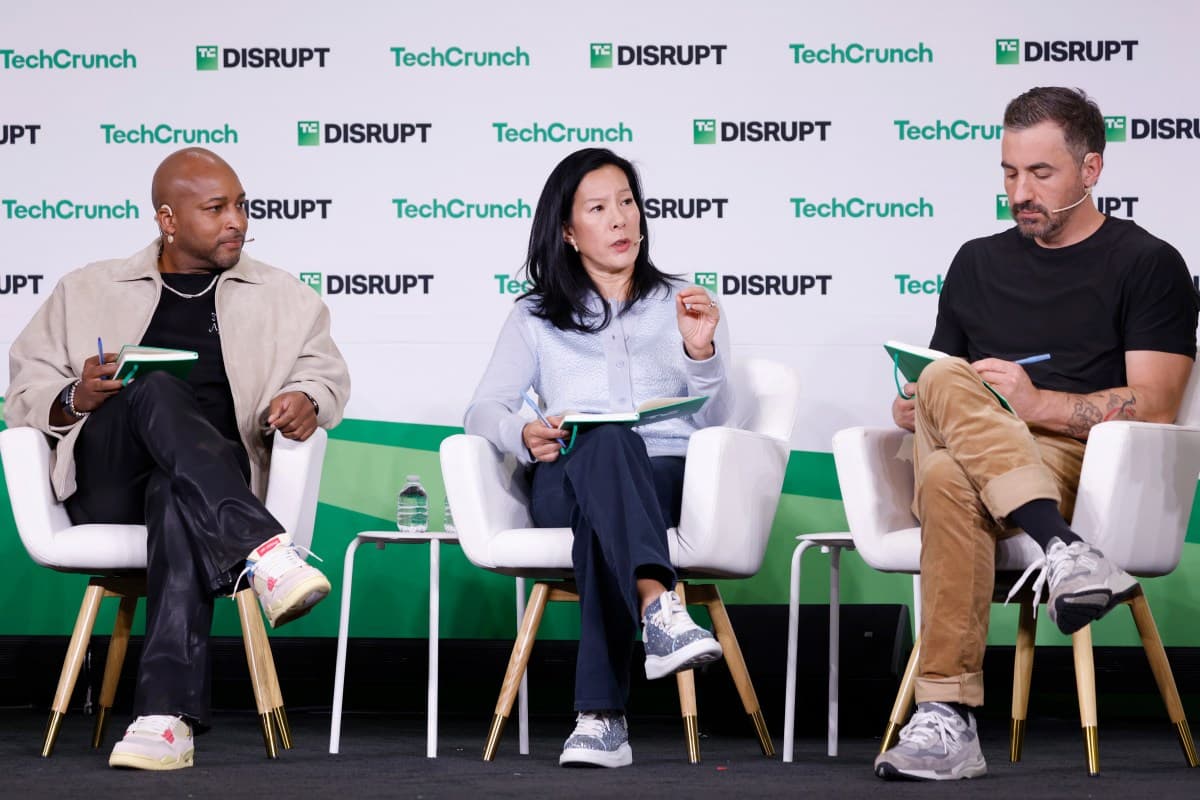
TechCrunch has outlined the criteria and process for selecting the Startup Battlefield Top 20, the companies that earn a spot on the Disrupt Main Stage. Every founder who applies to Startup Battlefield aims for that stage, but the opportunity extends beyond the final selection.
The selection committee evaluates each application based on product innovation, market potential, and team strength. Companies that demonstrate a clear problem-solution fit and a scalable business model stand out. The committee also looks for founders who can articulate their vision compellingly.
All applicants, regardless of selection, receive detailed feedback on their application. This feedback is designed to help founders refine their pitch and business strategy. Additionally, every applicant gains access to a network of investors, mentors, and fellow entrepreneurs through TechCrunch events.
For the Top 20, the benefits are substantial. Each company receives a dedicated mentor to help prepare for the main stage pitch. They also get exposure to a live audience of investors, media, and industry leaders. The main stage presentation is a high-visibility opportunity that can lead to funding, partnerships, and customer acquisition.
The selection process is competitive, with hundreds of applications received each cycle. TechCrunch emphasizes that the goal is to identify startups with the potential to disrupt their industries. The committee prioritizes companies that have a working prototype or early traction.
Startup Battlefield has a track record of launching successful companies, including Dropbox, Mint, and Yammer. The program is known for providing a launchpad for early-stage startups. TechCrunch encourages founders to apply even if they are not yet in the Top 20, as the feedback and networking alone can be valuable.
Applications for the next Startup Battlefield are open until the deadline specified on the TechCrunch website. The event takes place at TechCrunch Disrupt, which is held annually in San Francisco. Founders can apply online and should prepare a concise application highlighting their unique value proposition.
TechCrunch states that the Startup Battlefield is designed to support founders at every stage of their journey. Whether a company makes the Top 20 or not, the program aims to provide resources and connections that can accelerate growth. The main stage remains the ultimate goal, but the journey begins with the application itself.

South Korean Rocket Startup Unastella Raises $24M After Home Launch
Unastella, a South Korean rocket startup, has raised $24 million in funding. The company is developing its own launch vehicles and engines, and recently conducted a successful launch from its home country.

Unastella, a Seoul-based rocket startup, announced it has secured $24 million in a funding round. The company is focused on developing its own launch vehicles and engines for small satellite deployment. The investment was led by a consortium of venture capital firms, with participation from existing backers.
The startup recently achieved a milestone by successfully launching a rocket from South Korea. This launch marked the first time a privately developed rocket lifted off from the country, highlighting Unastella's progress in the domestic space industry. The company aims to provide affordable and reliable access to space for small satellite operators.
Unastella's technology includes a proprietary engine design that uses a unique propellant combination. The company claims its engines offer higher efficiency and lower cost compared to traditional designs. The startup is also developing a family of launch vehicles tailored to different payload sizes, ranging from cubesats to microsatellites.
The $24 million funding will be used to accelerate the development of its next-generation rocket and expand its manufacturing capabilities. Unastella plans to conduct additional test flights in the coming months, with the goal of reaching commercial operations by 2025. The company is also exploring partnerships with international satellite operators and space agencies.
South Korea has been actively fostering its space industry, with government initiatives supporting private companies like Unastella. The country aims to become a major player in the global space market, which is projected to grow significantly in the next decade. Unastella's successful home launch has drawn attention from investors and potential customers worldwide.
The startup's team includes engineers and scientists with experience from leading aerospace organizations, including NASA and the Korea Aerospace Research Institute. Unastella's CEO emphasized the company's commitment to innovation and cost reduction in space access. The funding round closed earlier this month, with the company declining to disclose its valuation.
Unastella's rockets are designed to be reusable, a feature that could further reduce launch costs. The company is also developing a mobile launch platform that can be deployed from various locations, increasing flexibility for customers. The startup's long-term vision includes providing regular, on-demand launch services for the growing small satellite market.
The $24 million investment is one of the largest in a South Korean space startup to date. Unastella plans to use the funds to hire additional staff and build a new test facility. The company is also in discussions with potential anchor customers for its upcoming launch services. Unastella's next test flight is scheduled for later this year, pending regulatory approvals.
Snap alumni launch Ghost Angels fund to back social media startups
Twenty former Snap employees have formed a new venture fund named Ghost Angels. The fund aims to invest in the next generation of social media companies.

A group of 20 former Snap employees has launched a new venture capital fund called Ghost Angels. The fund is designed to support early-stage social media startups. The alumni, who held various roles at Snap, have pooled their resources and expertise to back emerging companies in the social space.
Ghost Angels will focus on investing in the next wave of social media platforms. The fund's founders believe their experience at Snap gives them unique insights into what makes social apps succeed. They plan to provide not just capital but also strategic guidance to portfolio companies.
The fund's name references Snap's ghost logo and the concept of angel investing. Ghost Angels aims to fill a gap in funding for social media startups, which the founders say is underserved by traditional venture capital. The group has already made several undisclosed investments.
Snap, the parent company of Snapchat, has produced a number of successful alumni who have gone on to start their own ventures. This fund represents a formalized effort to leverage that network. The founders include former engineers, product managers, and executives from Snap.
Ghost Angels will operate as a syndicate, with members co-investing in deals. The fund does not have a fixed size but will deploy capital on a deal-by-deal basis. The group plans to invest in both US and international startups.
The launch of Ghost Angels comes as social media continues to evolve rapidly. New platforms are emerging to challenge incumbents like Facebook and TikTok. The fund's backers believe their hands-on experience will help identify the most promising startups.
Ghost Angels has not disclosed specific investment criteria or check sizes. However, the fund says it will prioritize companies that are building innovative social experiences. The group is actively seeking deal flow from founders and other investors.
"We're excited to support the next generation of social media entrepreneurs," said a representative for Ghost Angels. The fund is now open for business and reviewing potential investments.