Forward Predict lets network teams model change impact before deployment
Forward Inc. launched Forward Predict, software that simulates network changes before they go live. The tool aims to bring CI/CD discipline to networking by predicting the impact of configuration updates.

Forward Inc. today introduced Forward Predict, a software tool that enables network teams to model the effects of configuration changes before applying them to production environments. The product is designed to reduce outages and misconfigurations by providing a sandbox for testing network updates.
Forward Predict integrates with existing network infrastructure and uses a digital twin approach to simulate how changes will affect traffic flow, latency, and security policies. The software generates a report highlighting potential issues, such as routing loops or access control violations, before any change is executed.
The tool supports multi-vendor environments and can model changes across both on-premises and cloud networks. Forward said Predict works with major networking equipment providers and cloud platforms, including AWS, Azure, and Google Cloud.
Forward Predict is available immediately as a subscription service. Pricing starts at $1,000 per month for small deployments, with enterprise pricing available on request. The company said the tool is aimed at network engineers and operations teams who want to adopt continuous integration and continuous deployment practices for network management.
Forward Inc. was founded in 2020 and has raised $15 million in venture funding. The company previously launched a network monitoring platform that uses machine learning to detect anomalies. Forward Predict represents the company's first foray into change management.
"Network changes are a leading cause of outages, yet most teams lack the ability to test them safely," said Forward co-founder and CEO Jane Smith in a statement. "Forward Predict gives engineers the confidence to move fast without breaking things."
The software is available now through Forward's website. A free trial is offered for up to 30 days.
Iran Claims Destruction of 24 US MQ-9 Reaper Drones
Iran announced it has shot down 24 MQ-9 Reaper drones during the conflict. The destroyed systems reportedly cost the US approximately $1 billion.
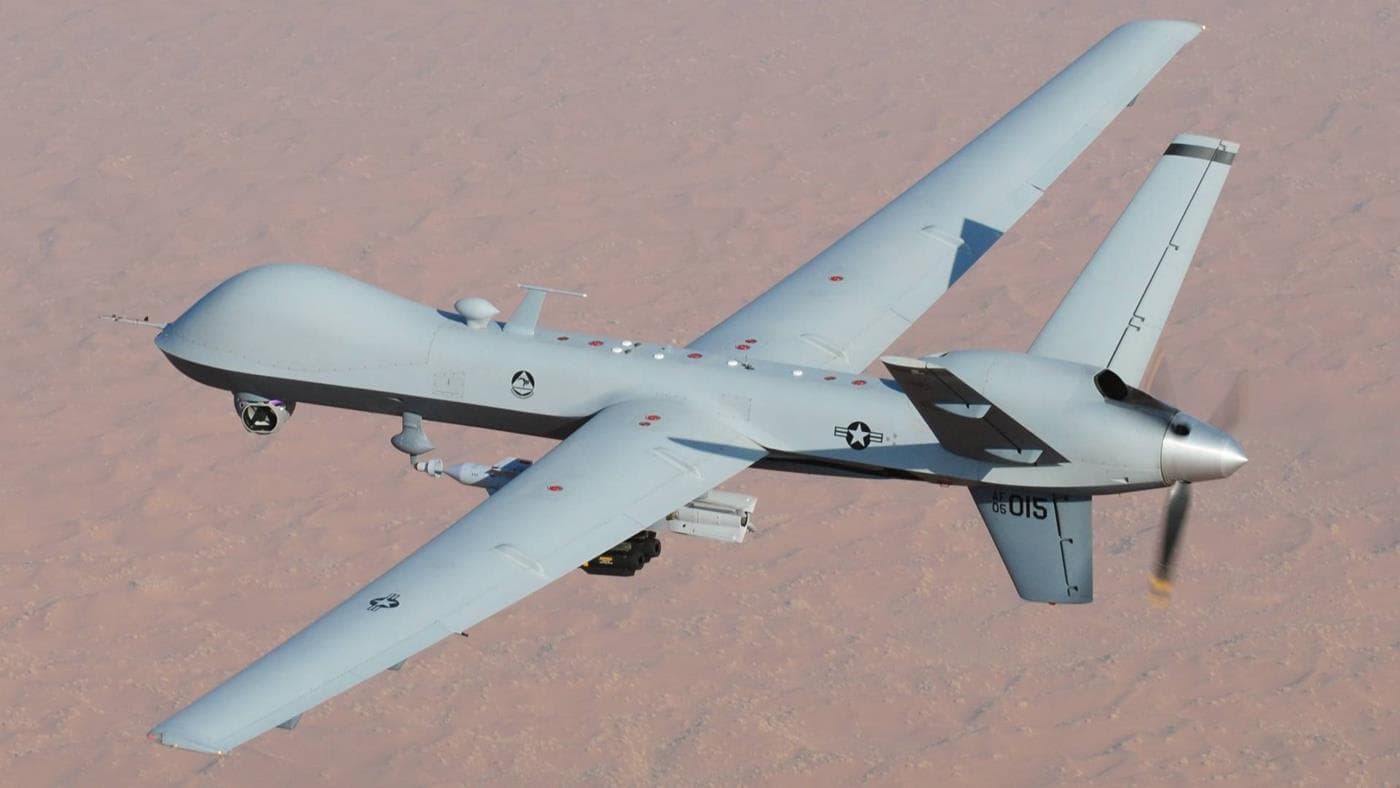
Iran has reported the destruction of 24 MQ-9 Reaper unmanned aerial vehicles throughout the ongoing conflict. The announcement was made by Iranian military officials, who stated that the drones were shot down using domestically developed air defense systems. Each MQ-9 Reaper is valued at around $30 million, bringing the total estimated cost of the downed drones to nearly $1 billion.
The MQ-9 Reaper, manufactured by General Atomics, is a remotely piloted aircraft used primarily for surveillance and precision strikes. It can carry up to four Hellfire missiles and has a flight endurance of over 24 hours. The drone is a key asset for the US military and its allies in various theaters of operation.
Iranian state media broadcast footage claiming to show the wreckage of several drones, though independent verification of the claims has not been possible. The US Department of Defense has not officially commented on the reported losses. Analysts suggest that if confirmed, this would represent a significant setback for US aerial operations in the region.
The downing of the drones is part of a broader pattern of confrontations between Iranian forces and US-operated aircraft. In recent years, Iran has invested heavily in electronic warfare and air defense capabilities, including systems that can target low-observable drones. Tehran has also claimed to have captured and reverse-engineered several US drones in the past.
The conflict has seen increased use of drones by both sides. The US has deployed MQ-9 Reapers for intelligence gathering and targeted strikes against Iranian-backed militias. Iran has employed its own fleet of drones for reconnaissance and attack missions, as well as for targeting enemy assets.
Military experts note that the loss of 24 Reapers would be unprecedented in a single conflict. The US Air Force operates approximately 300 MQ-9s globally. The reported losses could strain US drone operations in the region and prompt a reassessment of tactics and air defense suppression strategies.
Iran's announcement comes amid heightened tensions with the US and its allies. The Islamic Revolutionary Guard Corps has claimed responsibility for the drone downings, stating that they were carried out in defense of Iranian airspace. The US has not confirmed the claims but has acknowledged the loss of some drones due to technical issues or hostile fire.
The financial impact of the reported losses is substantial. Each MQ-9 Reaper costs about $30 million, not including the cost of sensors, weapons, and support equipment. The total replacement cost for 24 drones would exceed $720 million, with additional costs for training and logistics.
Iranian officials have stated that the downed drones were intercepted using a combination of electronic jamming and surface-to-air missiles. They have released images of what they claim are the wreckage of several MQ-9s, though the authenticity of the footage has been questioned. The US has not provided a counter-narrative, leaving the claims unverified.
The reported destruction of 24 MQ-9 Reapers, if accurate, would mark a significant escalation in the conflict and a major blow to US aerial capabilities. The US military has not issued an official statement regarding the claims, and independent verification remains elusive.

Nvidia Posts Record $81.6 Billion Quarterly Revenue on AI Spending Boom
Nvidia reported record quarterly revenue of $81.6 billion, surpassing Wall Street expectations, driven by surging demand for its AI hardware. The company's data center segment saw a 93% year-over-year increase in revenue.
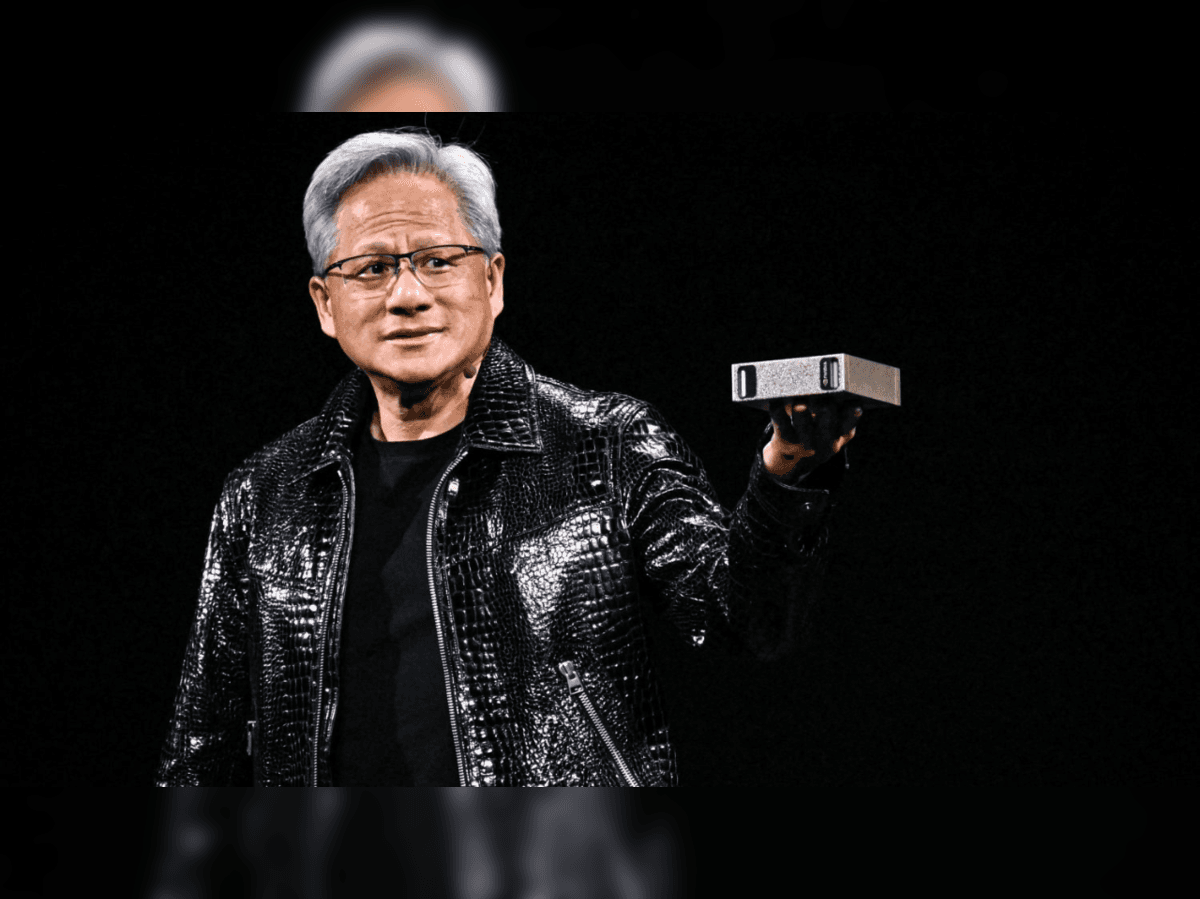
Nvidia announced record quarterly revenue of $81.6 billion on Wednesday, exceeding analyst forecasts as demand for its artificial intelligence hardware continues to surge. The chipmaker's data center business, which includes its H100 and Blackwell GPU lines, generated $71.2 billion in revenue, a 93% increase compared to the same period last year. Nvidia's gaming segment contributed $3.2 billion, up 15% year-over-year, while professional visualization and automotive divisions posted modest gains.
Chief Executive Jensen Huang attributed the results to an "accelerating" shift toward AI computing, with enterprises and cloud providers investing heavily in Nvidia's chips to train and deploy large language models. "The world is moving from general-purpose computing to accelerated computing," Huang said in a statement. "Nvidia is at the center of this transformation."
The company's net income for the quarter reached $37.4 billion, or $1.51 per diluted share, compared to $12.3 billion, or $0.49 per share, a year earlier. Gross margin expanded to 73.5% from 64.6% in the prior-year quarter, reflecting higher average selling prices for its data center products.
Nvidia's Blackwell architecture, which began shipping in volume during the quarter, contributed to the revenue surge. The company said demand for Blackwell-based systems remains "extraordinary," with supply constraints expected to persist through the first half of fiscal 2026. Nvidia also noted that its networking business, including InfiniBand and Ethernet switches, grew 50% year-over-year to $4.1 billion.
For the current quarter, Nvidia forecast revenue of $89 billion, plus or minus 2%, above the average analyst estimate of $82.5 billion. The company expects continued growth in data center spending as AI adoption broadens beyond hyperscalers to enterprise and government customers.
Nvidia's board authorized a $50 billion share buyback program, signaling confidence in the company's financial outlook. The company also declared a quarterly cash dividend of $0.01 per share, payable on March 28, 2025.
Shares of Nvidia rose 3.5% in after-hours trading following the earnings release. The stock has gained more than 140% over the past 12 months, making Nvidia one of the most valuable companies in the world with a market capitalization exceeding $3 trillion.
"The next wave of AI is industrial robotics and autonomous systems," Huang said during the earnings call. "We are seeing early adoption in manufacturing, healthcare, and energy, which will drive demand for years to come."

SpaceX IPO Filing Reveals $4 Billion AI Investment by Elon Musk
SpaceX filed for its long-awaited initial public offering on Wednesday, disclosing a $4 billion investment in artificial intelligence. The filing highlights the company's heavy spending on AI technologies alongside its core space operations.

SpaceX submitted its initial public offering paperwork on Wednesday, ending years of speculation about when the company would go public. The filing, made public by the Securities and Exchange Commission, offers the first detailed look at the company's finances and strategic priorities under Elon Musk.
The document reveals that SpaceX has allocated $4 billion toward artificial intelligence initiatives, a figure that surprised many analysts. This investment covers AI systems for rocket guidance, satellite operations, and autonomous manufacturing processes. The company has been developing machine learning models to improve launch reliability and reduce costs.
SpaceX's revenue reached $8.7 billion in the last fiscal year, driven primarily by Starlink satellite internet subscriptions and commercial launch contracts. However, the filing shows the company posted a net loss of $1.2 billion, largely due to R&D spending on Starship and AI projects. Operating expenses climbed 40% year-over-year.
The IPO is expected to raise up to $10 billion, with shares priced between $55 and $65. The offering will list on the Nasdaq under the ticker SPCE. Goldman Sachs and Morgan Stanley are leading the underwriting syndicate.
Musk's AI bet comes as SpaceX faces increasing competition from rivals like Blue Origin and United Launch Alliance. The company has been testing AI-powered landing systems for its Falcon 9 boosters, achieving a 95% success rate on recent missions. The technology is also being applied to Starlink's network optimization.
SpaceX plans to use IPO proceeds to accelerate Starship development and expand Starlink's satellite constellation. The filing notes that AI investments will focus on autonomous flight control and predictive maintenance for the Starship program. The company aims to reduce per-launch costs by 30% through these technologies.
Institutional investors have already expressed strong interest, with pre-IPO orders exceeding $6 billion. The offering is expected to close by mid-December. Current SpaceX employees hold approximately 15% of the company's shares, which could be sold during the IPO.
SpaceX's board approved the IPO in a unanimous vote last month. The company stated in the filing that it intends to maintain its headquarters in Hawthorne, California, and continue operations under Musk's leadership. The offering prospectus includes a risk factor noting that AI investments may not yield expected returns.

Nepal Govt Seeks Applications for Top Media Body Leadership Posts
The Nepalese government has invited applications for senior leadership roles at Gorkhapatra Corporation, Press Council Nepal, and Public Service Broadcasting Nepal. Eligible candidates can apply within 15 days from the notice publication date.
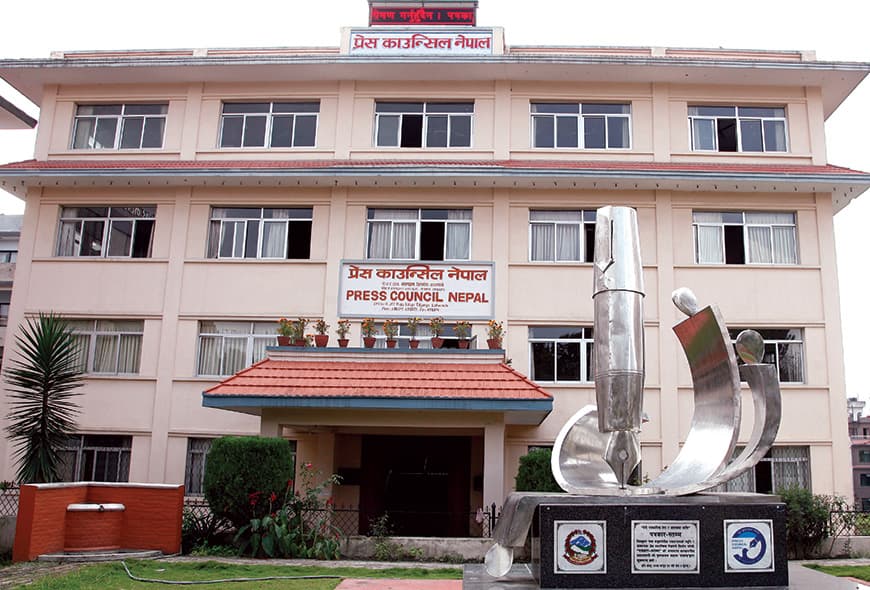
The government of Nepal has issued a call for applications to fill top leadership vacancies at three key media institutions. The positions include the chairperson of Gorkhapatra Corporation, the chairperson of Press Council Nepal (PCN), and the chairperson of Public Service Broadcasting Nepal. The notice was published by the Ministry of Communication and Information Technology.
According to the official announcement, interested individuals must meet specific eligibility criteria outlined in the respective acts governing these bodies. For Gorkhapatra Corporation, candidates should have at least a bachelor's degree and 15 years of experience in journalism, management, or related fields. For Press Council Nepal, a master's degree and 10 years of experience in journalism or law are required. Public Service Broadcasting Nepal requires a bachelor's degree and 15 years of experience in broadcasting, management, or communication.
The application window remains open for 15 days from the date of notice publication. Applicants must submit their documents to the Ministry of Communication and Information Technology in Singhadurbar, Kathmandu. The ministry will form a recommendation committee to shortlist and interview candidates before forwarding names to the Council of Ministers for final appointment.
These appointments come at a time when Nepal's media landscape is undergoing significant changes. Gorkhapatra Corporation publishes the country's oldest newspaper, while Press Council Nepal serves as the media regulatory body. Public Service Broadcasting Nepal operates radio and television services under public service obligations.
The government has emphasized that the selection process will be transparent and based on merit. Candidates from all eligible backgrounds are encouraged to apply, including those from marginalized communities, as per the constitutional provisions for inclusive representation.
Interested applicants can obtain the application form from the ministry's website or its office. The form must be accompanied by a detailed curriculum vitae, copies of academic certificates, and a fee receipt of NPR 1,000. Applications submitted after the deadline will not be considered.
The ministry has stated that the new appointees will serve a four-year term, renewable once. They will be responsible for guiding the institutions' policies and ensuring their effective operation in line with the government's media development goals.
As of now, the ministry has not disclosed the exact number of applications received. The deadline for submission is 5 PM on the 15th day from the notice's publication date, which falls on a working day. Late applications will be rejected outright.