Meta Launches Facebook Plus and Instagram Plus Subscriptions at $3.99/Month
Meta has introduced paid subscription tiers for Facebook and Instagram, priced at $3.99 per month each. The new plans offer additional features such as ad-free browsing and enhanced profile customization.

Meta announced the rollout of Facebook Plus and Instagram Plus subscriptions on Tuesday. The paid tiers are available to users in select markets starting at $3.99 per month per platform. The company positions these subscriptions as an optional upgrade for users seeking an enhanced experience.
Facebook Plus subscribers gain access to an ad-free feed, exclusive stickers, and advanced profile customization options. The subscription also includes priority customer support and early access to new features. Instagram Plus offers similar benefits, including an ad-free experience, exclusive filters, and the ability to see who viewed their posts.
Meta stated that the subscriptions are designed to provide additional value without affecting the core free services. The company emphasized that users who do not subscribe will continue to have full access to Facebook and Instagram as before. The move follows a broader industry trend of social platforms introducing paid tiers to diversify revenue streams.
The pricing for Facebook Plus and Instagram Plus is set at $3.99 per month for each service. Meta is testing the subscriptions in several countries, including the United States, Australia, and New Zealand. The company plans to expand availability based on user feedback and market response.
Subscribers can manage their subscriptions directly within the Facebook and Instagram apps. Meta confirmed that the subscriptions are recurring and can be canceled at any time. The company also noted that the ad-free experience applies to both the main feed and Stories.
Meta's introduction of paid subscriptions comes as the company faces increasing pressure to generate revenue beyond advertising. The social media giant has been exploring various monetization strategies, including in-app purchases and virtual goods. The Facebook Plus and Instagram Plus subscriptions represent a direct attempt to offer premium features for a monthly fee.
Industry analysts have noted that the $3.99 price point is relatively low compared to other subscription services. The move could attract users who are willing to pay for an ad-free experience and exclusive features. However, it remains to be seen how many users will opt for the paid tiers.
Meta has not disclosed specific subscriber targets for the new plans. The company will monitor adoption rates and user satisfaction before making broader decisions about the subscriptions. Facebook Plus and Instagram Plus are now available for sign-up in the initial test markets.
California judge denies Tesla's bid to toss racial discrimination lawsuit
A California judge has denied Tesla's motion to dismiss a racial discrimination lawsuit filed by the state's Civil Rights Department. The case, which alleges widespread discrimination at Tesla's Fremont factory, is now set for trial on July 20.

A California judge has rejected Tesla's attempt to throw out a racial discrimination lawsuit brought by the state's Civil Rights Department (CRD). The decision, announced by the CRD on Tuesday, clears the way for a trial currently scheduled for July 20. The lawsuit, filed over four years ago, accuses Tesla of fostering a workplace rife with racial bias at its Fremont factory.
CRD Director Kevin Kish stated that Tesla's employment practices "remain rooted in some of the ugliest relics of the past." He detailed allegations that Black workers are paid less, subjected to racist slurs, and threatened with termination for speaking out. The department is seeking financial damages and injunctive relief to address the purported pattern of discrimination.
The lawsuit claims that Tesla subjected Black employees to a hostile work environment, including racial slurs and graffiti, and retaliated against those who complained. The CRD's investigation reportedly uncovered evidence of systemic discrimination dating back to at least 2015. The agency first sued Tesla in 2020, but the case was delayed due to procedural disputes.
Tesla had moved to dismiss the lawsuit, arguing that the CRD failed to properly investigate and that many claims were time-barred. The judge partially granted Tesla's request, blocking claims for incidents that occurred before June 18, 2018, under the statute of limitations. However, the core allegations of discrimination from June 2018 onward will proceed to trial.
The Fremont factory, Tesla's primary vehicle assembly plant, employs thousands of workers. The CRD's lawsuit is one of several legal challenges Tesla has faced over workplace conditions. In 2021, a jury awarded $137 million to a former Black contractor who faced racial harassment at the same facility, though the amount was later reduced.
Tesla has denied the allegations, stating that it has policies against discrimination and takes complaints seriously. The company has also criticized the CRD's handling of the case, accusing the agency of overreach. The trial is expected to examine Tesla's hiring, pay, and disciplinary practices, as well as its response to complaints.
The CRD expressed readiness for trial, with Kish saying, "We look forward to having our day in court to hold Tesla accountable and to protect the rights of workers in our state." The case is set to begin on July 20 in Alameda County Superior Court.

UK Experts Say Social Media Worse Than Tobacco for Children, Ban Under 16 Considered
Experts in the UK compare social media's impact on children to tobacco, calling for a ban for under-16s. The proposal is under discussion as concerns over mental health and addiction grow.

Specialists in the United Kingdom have drawn a stark comparison between social media and tobacco, arguing that platforms like Instagram and TikTok pose greater risks to children than cigarettes. The experts, including psychologists and public health officials, point to rising rates of anxiety, depression, and addiction among young users. They assert that the design of these platforms exploits developmental vulnerabilities in ways that tobacco never could.
The debate has intensified as British lawmakers consider a ban on social media access for children under 16. A proposal currently under review would require platforms to verify user ages and restrict features such as algorithmic feeds and notifications for minors. Supporters argue that such measures are necessary to protect mental health, citing studies linking heavy social media use to poor sleep, body image issues, and cyberbullying.
Opponents of the ban, including tech industry groups and free speech advocates, contend that age restrictions are difficult to enforce and could push children toward unregulated spaces. They also note that social media provides educational content and social connection, particularly for marginalized youth. However, experts counter that the harms outweigh the benefits, especially for preteens and young teenagers.
The comparison to tobacco is not accidental. In the 20th century, governments imposed strict advertising limits and age restrictions on cigarettes after decades of evidence linking smoking to cancer and other diseases. Today, researchers see parallels in how social media companies design addictive features, such as infinite scroll and push notifications, to maximize screen time. A 2023 report from the UK's National Health Service found that one in five children aged 10 to 15 reported symptoms of social media addiction.
Several countries have already taken steps to curb youth social media use. France passed a law in 2023 requiring parental consent for under-15s, while China restricts minors to one hour of Douyin (TikTok) per day. The UK proposal goes further by seeking a blanket ban for under-16s, though enforcement mechanisms remain unclear. Platforms like Meta and TikTok have introduced their own parental controls, but critics say these are insufficient.
British Prime Minister Rishi Sunak has expressed openness to the idea, stating that the government is "looking very seriously" at the evidence. A formal consultation is expected later this year, with potential legislation following in 2025. The move has divided the ruling Conservative Party, with some members warning against overregulation.
Meanwhile, tech companies are pushing back. Meta, which owns Facebook and Instagram, argues that its platforms have safety features like age verification and content filters. TikTok has emphasized its commitment to teen well-being, including default 60-minute screen time limits for users under 18. Both companies have urged the government to focus on digital literacy education instead of outright bans.
Public opinion appears to be shifting. A recent YouGov poll found that 58% of UK adults support a social media ban for under-16s, up from 45% two years ago. Parents, in particular, have expressed frustration over their inability to control their children's online habits. Schools have also reported rising disciplinary issues linked to social media use during class.
The debate is likely to intensify as the government prepares its response. For now, experts continue to emphasize the urgency of action, with one child psychologist stating that "waiting for perfect evidence is a luxury we cannot afford." The final decision on the ban is expected by early 2025.

WhatsApp Tests New Feature to Show Online Contacts in a Single List
WhatsApp is testing a new feature that will display all online contacts in a single list on both Android and iPhone. The feature aims to make it easier to see who is currently active on the platform.
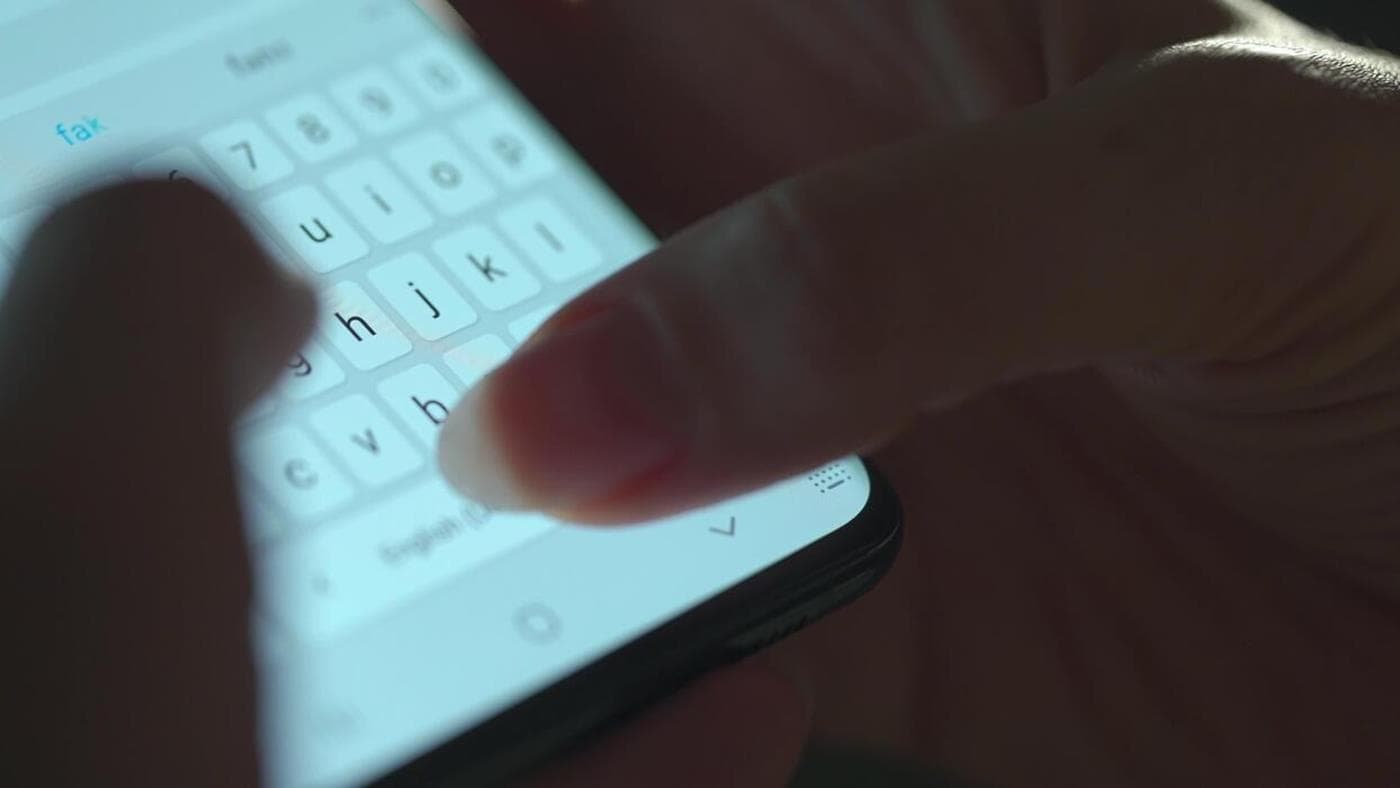
WhatsApp is developing a feature that will aggregate all currently online contacts into a single, easily accessible list. The update is currently undergoing testing on both Android and iOS devices, according to reports from beta testers.
The new functionality will appear as a dedicated section within the app, showing a real-time list of contacts who are actively using WhatsApp. This eliminates the need to scroll through individual chats to determine a person's online status.
Currently, WhatsApp users can see if a contact is online only by opening a specific chat or viewing the contact's profile. The upcoming feature centralizes this information, providing a quick overview of all active users at a glance.
Beta testers have reported that the feature is being tested in the latest versions of the app for Android and iPhone. It is not yet clear when the feature will be rolled out to all users, as testing is still in its early stages.
WhatsApp has not officially announced the feature, but its appearance in beta builds suggests it may be released in a future update. The company often tests new features with a limited group of users before a wider launch.
The feature could be particularly useful for users who want to initiate conversations with contacts who are currently active, potentially improving response times. It may also help users avoid sending messages to people who are offline.
Privacy implications are also a consideration, as the feature could make it easier for others to track when a user is online. WhatsApp may need to balance convenience with user privacy preferences, possibly by allowing users to opt out of appearing in the online list.
As of now, no official release date has been provided. The feature remains in testing, and WhatsApp has not confirmed whether it will be included in a future public update.

Meta’s Settlement Opens Pandora’s Box: Nearly 6,000 Lawsuits Loom
Meta reached a settlement in the first major lawsuit over student mental health costs, potentially setting a precedent for nearly 6,000 similar cases against social media giants.
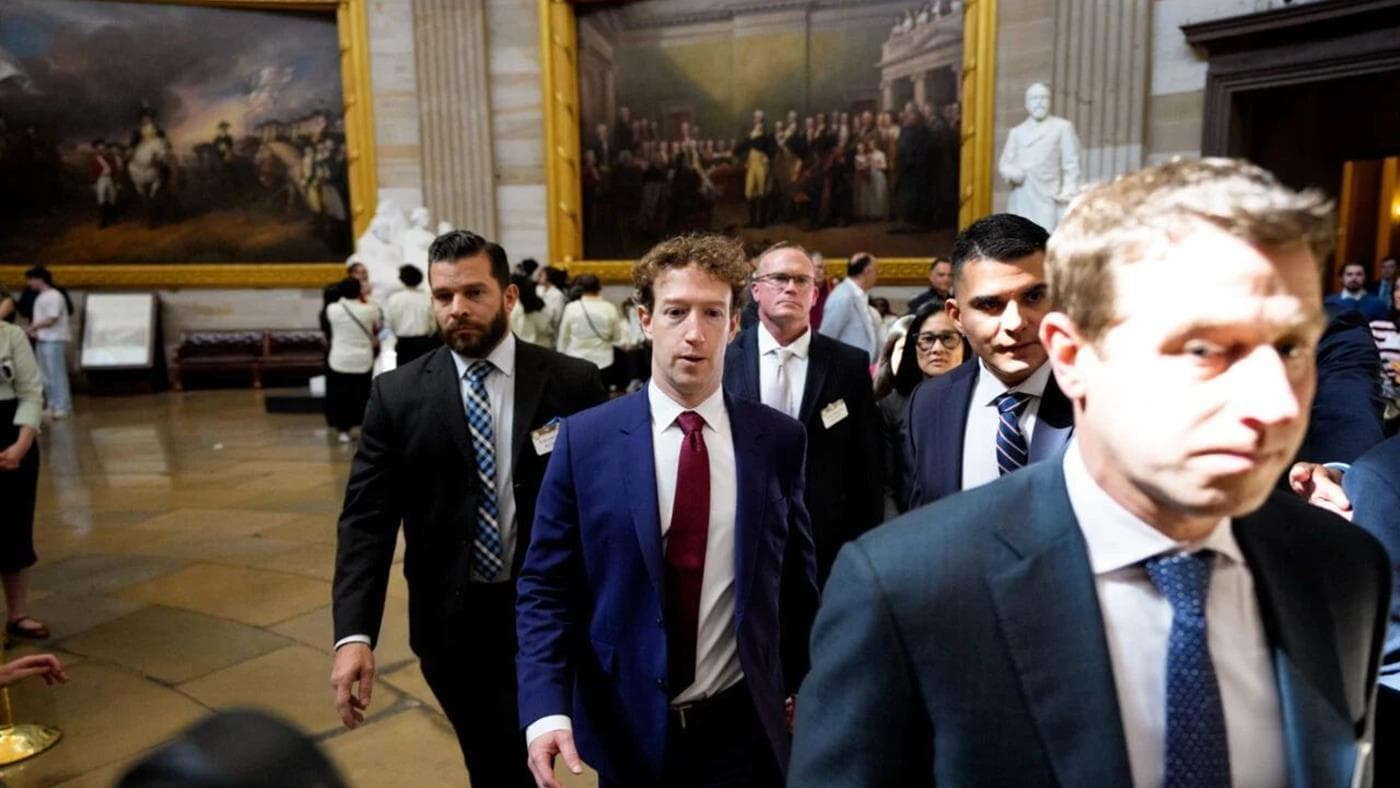
Meta has agreed to settle the first major lawsuit linking its platforms to student mental health issues, a move that could open the floodgates for thousands of similar claims. The settlement, whose terms were not disclosed, resolves a case brought by a group of school districts and families alleging that Instagram and Facebook contributed to a youth mental health crisis. Legal experts say this agreement may serve as a template for roughly 6,000 pending lawsuits against Meta and other social media companies.
The original lawsuit, filed in 2022, accused Meta of designing addictive features that harmed teenagers’ mental well-being, leading to increased costs for schools and families. Plaintiffs argued that the company violated public nuisance laws by failing to warn about the risks. The settlement avoids a potentially lengthy trial and sets a financial benchmark for future cases, though Meta admitted no wrongdoing.
Nearly 6,000 similar cases are consolidated in multidistrict litigation before a California federal judge. These suits, brought by school districts, parents, and attorneys general, seek damages for costs related to mental health treatment, counseling, and educational disruptions. The Meta settlement could accelerate negotiations, as plaintiffs’ lawyers now have a concrete reference point for compensation.
Meta stated that the settlement reflects its commitment to addressing youth safety concerns, but critics argue it falls short of forcing systemic changes. The company has faced mounting pressure from lawmakers and regulators over its impact on minors, including testimony from whistleblowers and leaked internal research showing awareness of harm.
The settlement covers only the initial case, leaving the broader litigation unresolved. However, it may encourage other defendants, such as TikTok and Snapchat, to pursue similar resolutions. Legal analysts note that the sheer volume of cases could overwhelm the court system, making settlements more likely.
School districts involved in the litigation have reported rising costs for mental health services, which they attribute to social media use. The settlement provides some financial relief but does not mandate changes to Meta’s products. Future cases may demand stricter design modifications or algorithmic transparency.
Meta’s stock remained stable after the announcement, suggesting investors view the settlement as manageable. The company has set aside reserves for legal liabilities, though the total payout across all cases could reach billions if other lawsuits follow suit.
The next hearing in the multidistrict litigation is scheduled for March 2025, where a judge may set a timeline for bellwether trials. Until then, Meta’s settlement stands as a pivotal moment in the ongoing battle over social media’s role in adolescent mental health.