Pope Warns AI Is Fueling a Global Crisis of Truth and Trust
Pope Leo XIV warned that artificial intelligence is accelerating a crisis of truth, as technology reshapes humanity's ability to discern fact from fiction. Speaking to the Vatican Observatory Foundation, he called for ethical guardrails to preserve human dignity and trust in information.

Pope Leo XIV delivered a stark warning about artificial intelligence during a May 11 address to members of the board of the Vatican Observatory Foundation, arguing that modern societies are entering an era where technology is fundamentally reshaping humanity's relationship with truth. The pontiff's remarks resonated with concerns long raised by scientists, technologists, and philosophers about the erosion of factual discourse in the digital age. He emphasized that the rapid advancement of AI systems poses unprecedented challenges to how individuals and institutions verify information and maintain shared understanding.
The Pope highlighted that AI's ability to generate convincing but false content—from deepfake videos to fabricated news articles—undermines the very foundations of trust that hold societies together. He noted that algorithms designed to maximize engagement often prioritize sensational or misleading information over accuracy, creating echo chambers that reinforce biases and polarize communities. This technological shift, he argued, is not merely a matter of misinformation but a deeper crisis of epistemology, where the tools meant to expand knowledge instead blur the line between reality and fabrication.
Drawing on the Vatican's long history of engaging with science, Pope Leo XIV called for a renewed commitment to ethical frameworks that place human dignity at the center of technological development. He urged scientists, engineers, and policymakers to collaborate on standards that ensure AI systems are transparent, accountable, and aligned with the common good. The Pope specifically warned against treating AI as a neutral tool, insisting that its design and deployment carry moral implications that must be carefully considered.
The address comes amid growing global debate over AI regulation, with the European Union recently passing the AI Act and the United States issuing executive orders on AI safety. The Vatican has increasingly engaged with technology ethics, hosting conferences on AI and publishing guidelines on algorithmic justice. The Pope's remarks align with calls from tech leaders like OpenAI's Sam Altman and Microsoft's Brad Smith for proactive governance to mitigate risks while fostering innovation.
For ordinary users, the Pope's warning underscores the need for digital literacy and critical thinking in an age of AI-generated content. As AI tools become more accessible—from chatbots to image generators—individuals must learn to verify sources and question the authenticity of what they see online. The Vatican's stance may also influence Catholic institutions, schools, and media outlets to adopt stricter fact-checking practices and promote ethical AI use.
While the Pope did not propose specific policies, his speech signals that the Vatican will continue to advocate for human-centered AI development. The coming months may see further Vatican statements on AI ethics, possibly influencing international discussions at the United Nations or G7 summits. For now, the Pope's message serves as a moral call to action, reminding the world that technology must serve truth, not undermine it.
US Factory Output Surges in April Led by Vehicles and AI Demand, War Risks Loom
U.S. manufacturing output posted its biggest gain in 14 months in April, driven by motor vehicles and technology goods amid an AI spending boom. However, supply disruptions from the conflict with Iran threaten to undermine the sector's recovery.
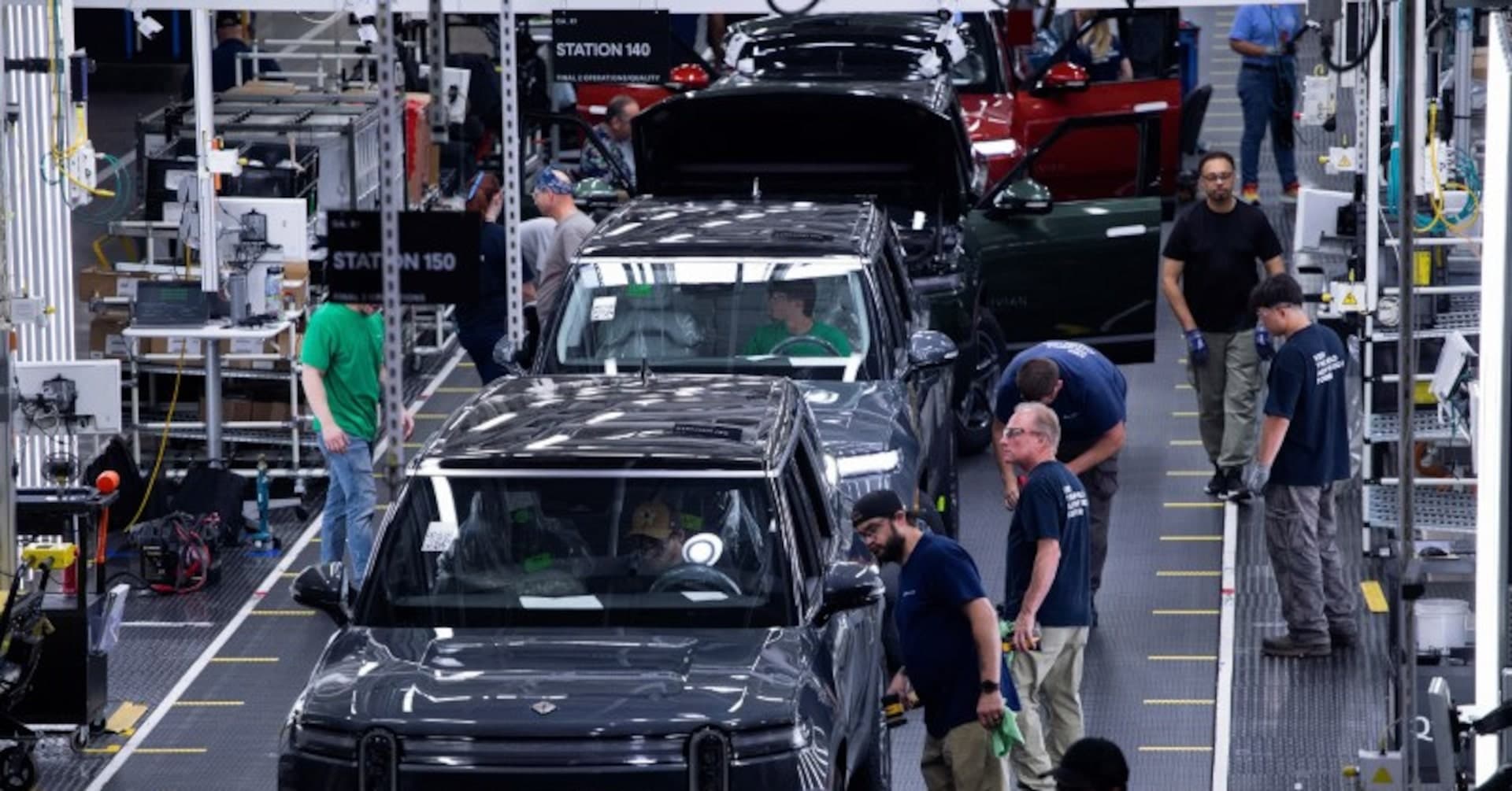
U.S. factory production recorded its largest monthly increase in 14 months during April, according to fresh data, propelled by robust demand for motor vehicles and technology products fueled by an artificial intelligence spending surge. The uptick offers a bright spot for the manufacturing sector, which has faced headwinds from high interest rates and shifting consumer demand. However, the positive report comes with a cautionary note as supply chain disruptions stemming from the ongoing war with Iran cast a shadow over future output.
The Federal Reserve reported that manufacturing output rose 0.8% in April, the strongest gain since February 2023. The motor vehicles and parts sector led the charge with a 3.9% increase, reflecting easing supply constraints and pent-up demand. Meanwhile, production of technology goods, including semiconductors and computers, climbed 1.2%, driven by the AI boom that has spurred investment in data centers and advanced chips. Excluding motor vehicles, manufacturing output still rose 0.5%, indicating broad-based strength.
The AI spending wave has been a key catalyst for tech-related manufacturing, with companies like Nvidia and Intel ramping up production of AI chips and servers. This has boosted output at factories producing electronic components and industrial machinery used in automation. The gains align with recent earnings reports from major manufacturers, which have cited strong demand for AI-enabled products. However, the sector's reliance on imported raw materials and components makes it vulnerable to geopolitical shocks.
The war with Iran poses a significant risk to manufacturing supply chains, particularly for industries dependent on energy and metals. Iran's location near the Strait of Hormuz, a critical chokepoint for oil and gas shipments, raises the specter of higher energy costs and disruptions to petrochemical supplies. Additionally, the conflict could affect the availability of aluminum, copper, and other metals used in electronics and automotive production. Companies are already bracing for potential delays and cost increases, which could temper the recent production gains.
For consumers, the manufacturing uptick may translate into more available vehicles and electronics, potentially easing price pressures in these categories. Automakers have been working to rebuild inventories after pandemic-era shortages, and the April data suggests progress. However, if supply disruptions from the war materialize, consumers could face higher prices and longer wait times for cars, computers, and other goods. The impact may vary by region, with U.S. factories that rely on imported inputs being most exposed.
The manufacturing sector's resilience will be tested in the coming months as the conflict evolves and its effects ripple through global supply chains. While the April data provides a welcome boost, economists caution that the trajectory remains uncertain. The Federal Reserve's interest rate decisions, which influence borrowing costs for businesses and consumers, will also play a role in sustaining the recovery.
Looking ahead, the key unknowns are how quickly supply disruptions from the war will materialize and whether the AI-driven demand can offset potential headwinds. Manufacturers are likely to accelerate inventory building and diversify sourcing to mitigate risks. The next few months will reveal whether the April surge is the start of a sustained rebound or a temporary reprieve before geopolitical shocks take hold.

Bill Ackman's Pershing Square Takes Major Stake in Microsoft, Citing 'Deeply Embedded' Software
Bill Ackman's Pershing Square Capital Management has disclosed a significant stake in Microsoft, praising the company's 'deeply embedded' enterprise software and cloud computing businesses. The investment highlights the hedge fund's confidence in Microsoft's dominant position in productivity tools and Azure.
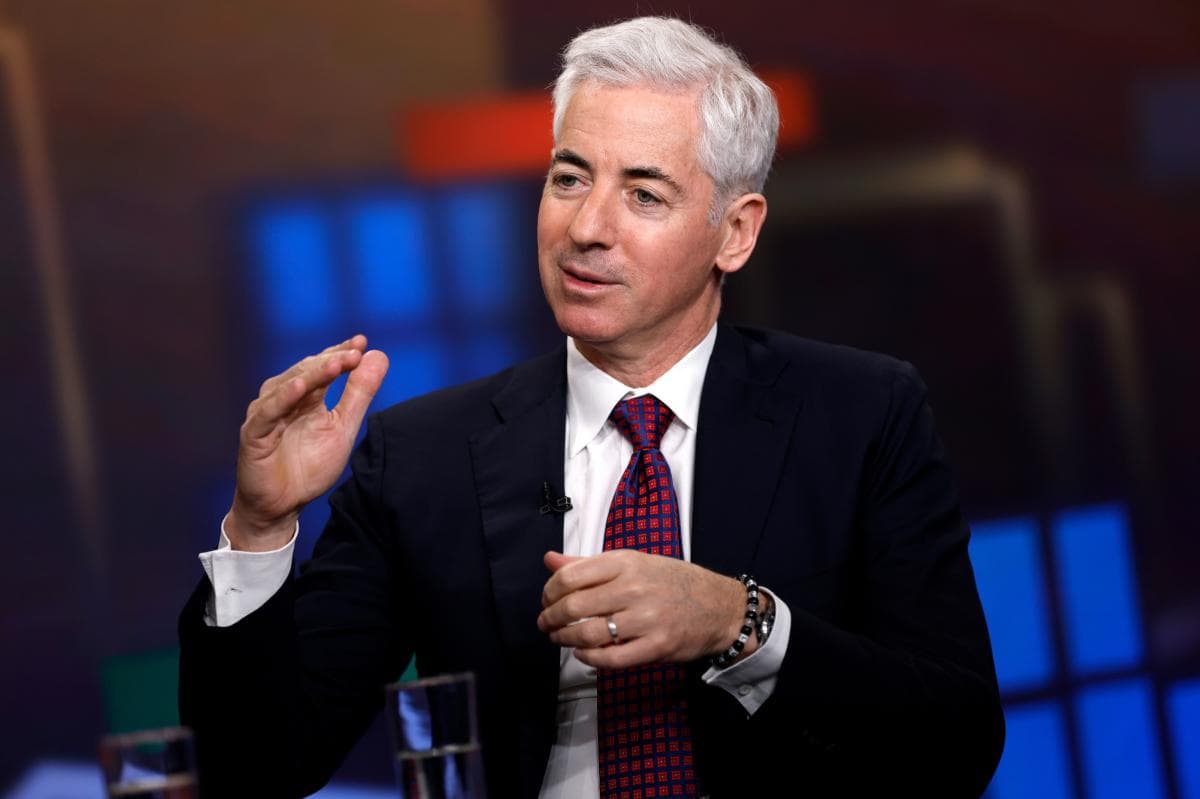
Billionaire investor Bill Ackman revealed that his hedge fund, Pershing Square Capital Management, has taken a substantial stake in Microsoft, betting on the tech giant's entrenched software and cloud computing businesses. In a detailed post on X (formerly Twitter), the 60-year-old activist investor outlined his bullish thesis, calling Microsoft's productivity suite and Azure cloud platform "two of the most valuable franchises in enterprise technology." The disclosure marks a significant shift for Pershing Square, which has historically focused on consumer-facing companies like Chipotle and Starbucks.
Ackman specifically highlighted Microsoft 365, which includes ubiquitous tools like Word, Excel, and Teams, as a "deeply embedded" ecosystem that provides recurring revenue and high switching costs for customers. He noted that these productivity apps are integral to how businesses operate globally, making them nearly indispensable. Additionally, he pointed to Azure, Microsoft's cloud computing platform, as a key growth driver that competes directly with Amazon Web Services and Google Cloud.
Pershing Square's investment comes at a time when Microsoft is aggressively expanding its artificial intelligence capabilities, particularly through its partnership with OpenAI. The hedge fund sees AI as a catalyst that will further entrench Microsoft's software across enterprises, potentially accelerating adoption of its cloud services. Ackman's post emphasized that Microsoft's combination of productivity software and cloud infrastructure positions it uniquely to capitalize on the AI revolution.
This move by Ackman follows a pattern of high-profile technology investments by Pershing Square, including a recent stake in Alphabet. The hedge fund has been increasing its exposure to mega-cap tech stocks, viewing them as relatively undervalued given their strong competitive moats and cash flows. Ackman's endorsement of Microsoft could influence other institutional investors, given his track record of successful activist campaigns.
The stake also reflects a broader trend of hedge funds gravitating toward large-cap technology companies amid market volatility. Microsoft's market capitalization has surged past $3 trillion, making it one of the most valuable companies globally. Pershing Square's position is likely a long-term bet on the company's ability to maintain its dominance in enterprise software while expanding into new areas like AI and cybersecurity.
For Microsoft, the investment provides a vote of confidence from a respected activist investor, though Ackman has not indicated any plans for a public campaign. The company has been benefiting from strong demand for its cloud services and AI tools, with recent earnings reports exceeding analyst expectations. Ackman's praise for Microsoft's "deeply embedded" software suggests he sees limited risk of disruption from competitors.
Ackman did not disclose the exact size of Pershing Square's stake, but regulatory filings are expected to reveal the details in the coming weeks. The investment is likely to be a multi-billion dollar position, given the fund's typical allocation sizes. Microsoft shares rose modestly following the announcement, reflecting positive market sentiment.
Looking ahead, Pershing Square's bet on Microsoft will be closely watched by investors as a bellwether for tech sector sentiment. Ackman's focus on enterprise software and cloud computing aligns with his value-oriented approach, and his public endorsement could bolster Microsoft's narrative as a steady growth story. The hedge fund has not ruled out increasing its position further, depending on market conditions.
Eros Innovation Unveils Asia's Sovereign AI Vision for Cinema at Cannes 2026
At Cannes 2026, Eros Innovation presented a sovereign AI framework for cinema, emphasizing cultural preservation and storytelling. The initiative aims to balance AI's creative potential with ethical safeguards for Asian narratives.
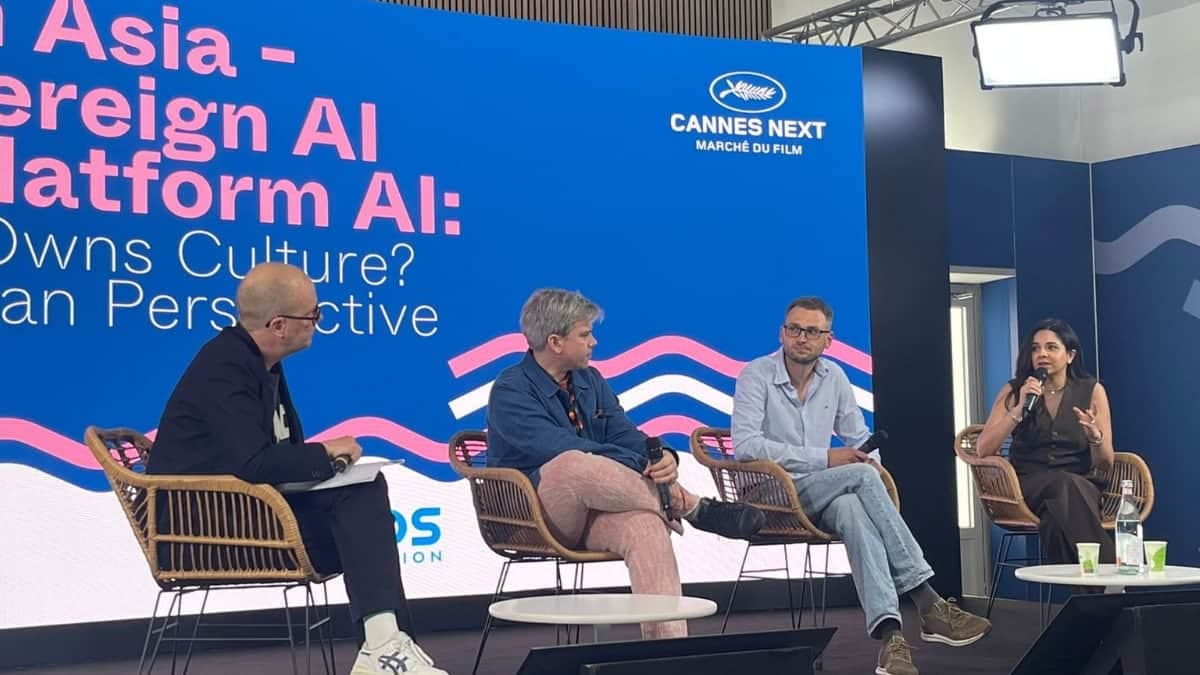
Cannes, France – At the 2026 Cannes Film Festival, Eros Innovation, the technology arm of Eros Media Group, unveiled a groundbreaking vision for artificial intelligence in cinema, positioning Asia as a leader in sovereign AI development. The presentation, held at the festival's Marché du Film, showcased how AI can enhance storytelling while preserving cultural identity, a timely discussion as the industry grapples with AI's disruptive impact. The event drew filmmakers, technologists, and cultural leaders from across Asia and beyond, eager to explore a future where technology serves creativity without erasing heritage.
Eros Innovation's sovereign AI framework is built on three pillars: cultural data sovereignty, ethical AI training, and collaborative human-AI workflows. The system uses curated datasets from Asian cinema archives, folklore, and linguistic traditions to train models that understand regional nuances in storytelling, such as the importance of collective narratives versus individual heroism. Unlike Western-centric AI tools, this approach ensures that generated content respects cultural contexts, from dialogue patterns to visual aesthetics. The company demonstrated a prototype that can assist screenwriters in generating plot points or dialogue that align with specific cultural traditions, such as the use of irony in Japanese cinema or the circular narrative structures common in Indian epics.
Technically, the framework employs a federated learning model, meaning data from different Asian countries remains on local servers, reducing the risk of cultural misappropriation. Eros Innovation also introduced a 'cultural fingerprint' watermarking system for AI-generated content, allowing creators to trace and verify the origin of any AI-assisted work. This addresses growing concerns about deepfakes and unauthorized use of cultural symbols. The company emphasized that the AI is designed as a 'co-pilot,' not a replacement, offering suggestions that filmmakers can accept, modify, or reject, thus maintaining human creative control.
The context of this announcement is critical: the global film industry is facing intense debate over AI's role, with the 2023 Hollywood strikes partly fueled by fears of job displacement and copyright erosion. Meanwhile, Asian markets, particularly India and China, are rapidly adopting AI in production, but often using tools trained on Western data, leading to homogenized content. Eros Innovation's sovereign AI aims to counter this trend, offering a model where countries can develop AI that reflects their own storytelling traditions. This aligns with broader geopolitical moves toward digital sovereignty, as seen in Europe's GDPR and India's data localization policies.
For users, the impact will be gradual but significant. Independent filmmakers in Asia, who often lack access to expensive Hollywood-grade VFX, could use Eros Innovation's tools to create culturally authentic effects at lower costs. The company plans to offer a subscription-based platform for script analysis, storyboarding, and even virtual casting, with pricing starting at $99 per month for individual creators. Larger studios can license the full framework for custom implementations. The initial rollout will focus on India, South Korea, and Japan, with expansion to Southeast Asia by 2027. Eros Innovation also announced partnerships with several film schools to train the next generation of 'AI-literate' storytellers.
However, many unknowns remain. The effectiveness of the cultural fingerprint system in preventing misuse is untested, and the cost of maintaining sovereign AI infrastructure may be prohibitive for smaller nations. Additionally, the framework's reliance on curated datasets raises questions about who decides what constitutes 'authentic' culture. Eros Innovation has promised to release an open-source version of the basic tools by late 2026, inviting community feedback. As the festival continues, the industry watches closely: this could be the blueprint for a future where AI amplifies, rather than erases, the world's diverse cinematic voices.