
Quote of the day by Aldous Huxley: 'A man may be a pessimistic determinist before lunch and an optimistic believer in...' - life lessons on changing perspectives, mood swings, mindset, why your thoughts and beliefs change over time by Brave New World author
This development in Cars signals new momentum in the technology agenda.

Quote of the day by Aldous Huxley: 'A man may be a pessimistic determinist before lunch and an optimistic believer in...' - life lessons on changing perspectives, mood swings, mindset, why your thoughts and beliefs change over time by Brave New World author has become a significant development in the technology sector. This advancement signals new momentum in the otomobil space and carries important implications for both consumers and industry players.
The technical details surrounding this announcement suggest a deliberate strategy aimed at capturing market share while addressing existing user pain points. Industry analysts note that the timing of this release aligns with broader shifts in how technology is adopted at scale.
From a competitive standpoint, this move places additional pressure on established players who have dominated the segment for years. The introduction of these features could force rivals to accelerate their own roadmaps or risk losing relevance in an increasingly crowded marketplace.
Consumer reactions have been mixed but generally positive, with early adopters highlighting the practical benefits over marketing promises. The focus appears to be on solving real problems rather than introducing novelty for its own sake.
Looking at the broader ecosystem, this development may trigger ripple effects across adjacent categories. Partnerships, supply chains, and developer communities are all likely to feel the impact as adoption scales.
Whether this represents a lasting shift or a temporary market reaction will depend on execution quality and sustained innovation in the coming quarters.}
Global EV Sales Surge Worldwide Except in the US, Creating Market Divide
Electric vehicle sales are booming globally, but the United States is falling behind, creating a K-shaped market that poses risks for both legacy and startup automakers.
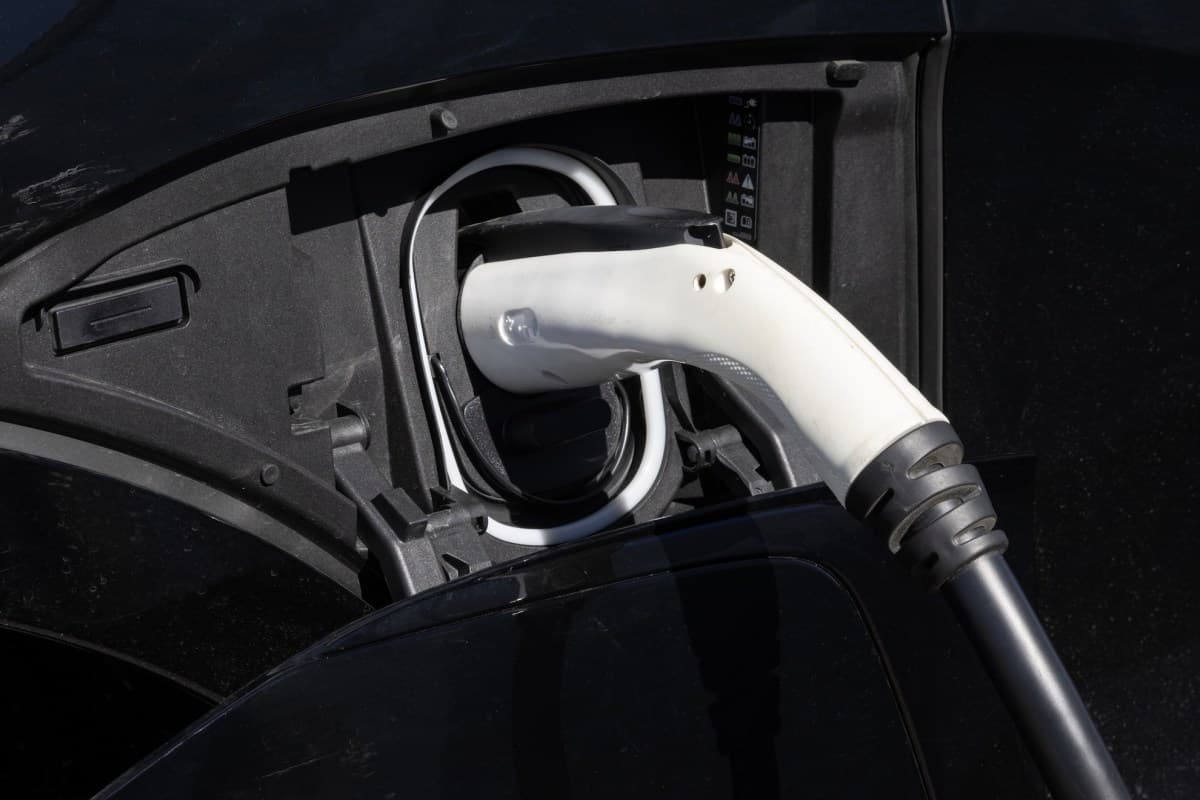
Electric vehicle sales have experienced a significant surge across most global markets, yet the United States is notably lagging behind. This divergence is creating a K-shaped market dynamic, where some regions thrive while others struggle. The trend poses considerable risks for both established automakers and new entrants heavily invested in EV production.
Data from multiple industry sources indicates that EV adoption rates in Europe, China, and other parts of Asia have accelerated sharply. In contrast, U.S. EV sales growth has slowed, hampered by factors such as limited charging infrastructure, higher vehicle prices, and consumer hesitation. This gap is widening despite federal incentives and automaker commitments to electrification.
Legacy automakers like General Motors and Ford have announced ambitious EV plans but face challenges in scaling production and achieving profitability. Startups such as Rivian and Lucid are also under pressure as they struggle to meet sales targets and manage cash burn. The U.S. market's sluggishness could delay their path to breakeven and force strategic pivots.
The K-shaped recovery pattern is evident in contrasting sales figures: while global EV sales rose by over 30% in the first half of the year, U.S. growth was in the single digits. China remains the largest EV market, with strong government support and a wide range of affordable models. Europe also shows robust growth, driven by stringent emissions regulations and expanding charging networks.
Industry analysts point to several reasons for the U.S. slowdown. High interest rates make EV financing more expensive, and the average EV price remains above $50,000, limiting affordability. Additionally, range anxiety and insufficient public charging stations deter potential buyers. Political polarization around climate policies has also contributed to uneven adoption across states.
Automakers are responding by adjusting strategies. Some are delaying new EV model launches or shifting focus to hybrids. Others are investing in domestic battery production to qualify for tax credits under the Inflation Reduction Act. However, these measures may take years to fully impact sales.
The K-shaped divide could reshape the competitive landscape. Companies heavily reliant on the U.S. market may face consolidation or partnerships to survive. Meanwhile, global players with strong positions in China and Europe are better positioned to capitalize on the EV transition.
As of the latest reports, global EV sales are projected to reach 14 million units this year, with China accounting for over half. The U.S. share is expected to remain below 10%. Without significant policy changes or infrastructure investments, the gap may persist, leaving American automakers at a disadvantage in the rapidly evolving industry.

The AI Bots Are Coming and the Young Are Booing, Not Applauding
This development in Cars signals new momentum in the technology agenda.

The AI Bots Are Coming and the Young Are Booing, Not Applauding has become a significant development in the technology sector. This advancement signals new momentum in the otomobil space and carries important implications for both consumers and industry players.
The technical details surrounding this announcement suggest a deliberate strategy aimed at capturing market share while addressing existing user pain points. Industry analysts note that the timing of this release aligns with broader shifts in how technology is adopted at scale.
From a competitive standpoint, this move places additional pressure on established players who have dominated the segment for years. The introduction of these features could force rivals to accelerate their own roadmaps or risk losing relevance in an increasingly crowded marketplace.
Consumer reactions have been mixed but generally positive, with early adopters highlighting the practical benefits over marketing promises. The focus appears to be on solving real problems rather than introducing novelty for its own sake.
Looking at the broader ecosystem, this development may trigger ripple effects across adjacent categories. Partnerships, supply chains, and developer communities are all likely to feel the impact as adoption scales.
Whether this represents a lasting shift or a temporary market reaction will depend on execution quality and sustained innovation in the coming quarters.}

Mercedes reveals electric AMG GT 4-door coupe with 1,153 hp, 0-60 in 2 seconds
Mercedes-Benz has unveiled the all-electric AMG GT 4-door coupe, featuring three axial flux motors producing 1,153 horsepower and 1,475 lb-ft of torque. The vehicle can accelerate from 0 to 60 mph in approximately 2 seconds, drawing technology from the record-breaking XX concept.
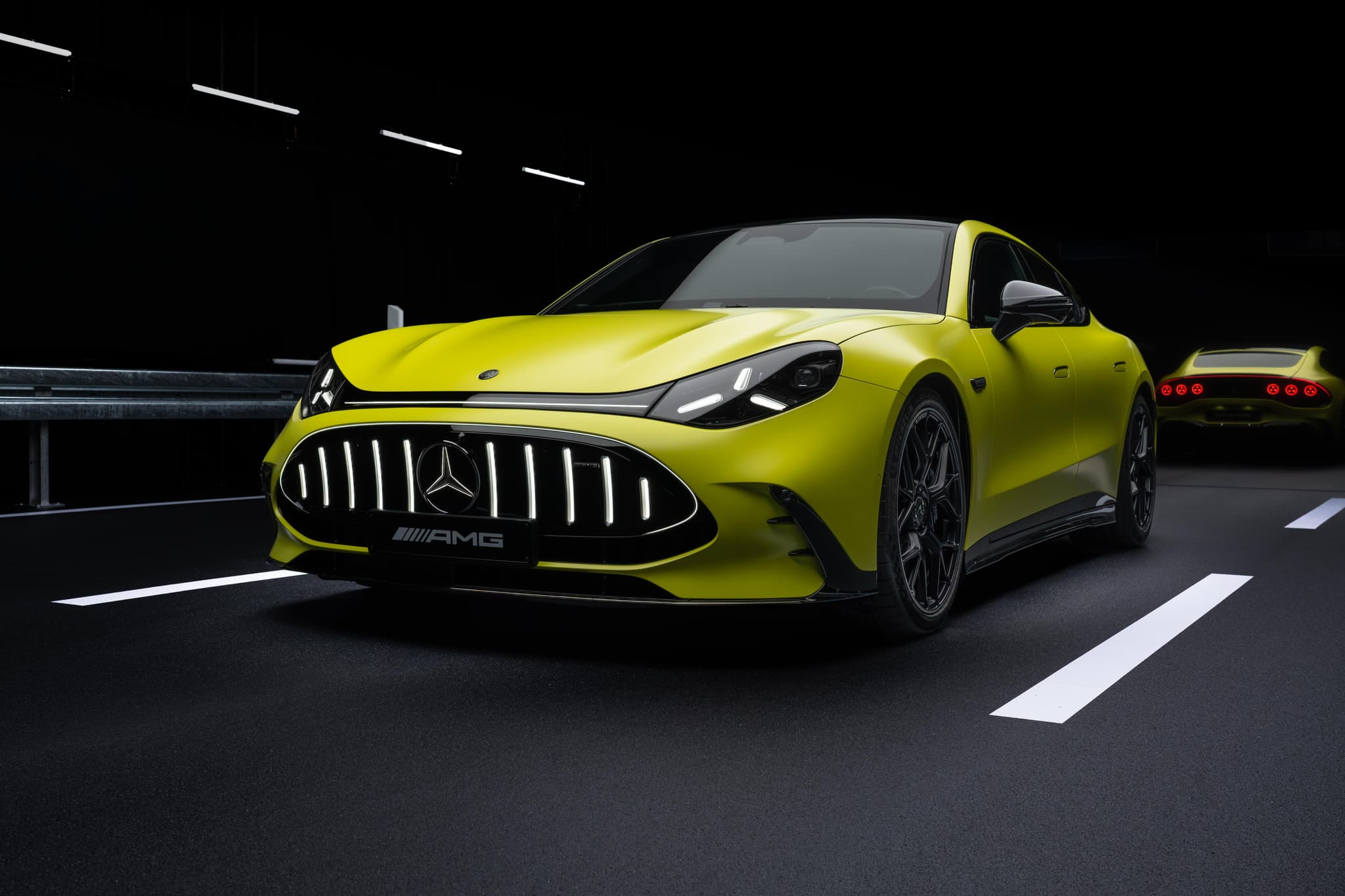
Mercedes-Benz has officially introduced its new high-performance electric sedan, the AMG GT 4-door coupe. The vehicle incorporates technology from the automaker's XX concept, which set a record last year by completing 24,901 miles in under eight days at the Nardò Ring in southern Italy. With this production model, Mercedes rethought its approach to electric motors and batteries to create a vehicle capable of competing with hypercars.
The AMG GT utilizes three axial flux motors developed by Mercedes subsidiary YASA. These motors deliver a combined output of 1,153 horsepower and 1,475 lb-ft of torque. Mercedes claims the car can accelerate from 0 to 60 mph in about two seconds, placing it among the fastest production EVs.
The axial flux motor design differs from traditional radial flux motors, offering higher power density and a more compact form factor. This allows for better packaging within the vehicle and improved thermal management. The battery pack is a new high-performance unit designed to support sustained high-speed driving and rapid charging.
Mercedes has not yet disclosed full details on range or charging specifications, but the vehicle is expected to feature an 800-volt architecture for faster charging. The AMG GT 4-door coupe also includes advanced aerodynamics and active cooling systems to maintain performance under extreme conditions.
The car is part of Mercedes' broader electrification strategy, with AMG models transitioning to electric powertrains. The company aims to offer an electric version of every model by the end of the decade.
Pricing and availability details have not been announced, but the AMG GT 4-door coupe is expected to arrive in showrooms in 2025. It will compete with other high-performance electric sedans such as the Tesla Model S Plaid and the Lucid Air Sapphire.
Mercedes stated that the AMG GT 4-door coupe represents a new benchmark for electric performance, combining luxury with extreme capabilities. The vehicle is set to debut at an upcoming auto show, with more information to be released closer to launch.

Volvo teases new affordable EV for US market after EX30 discontinuation
Volvo is developing a new affordable electric vehicle for the US market, following the discontinuation of the EX30. The announcement was made during a media roundtable related to the US launch of the EX60.
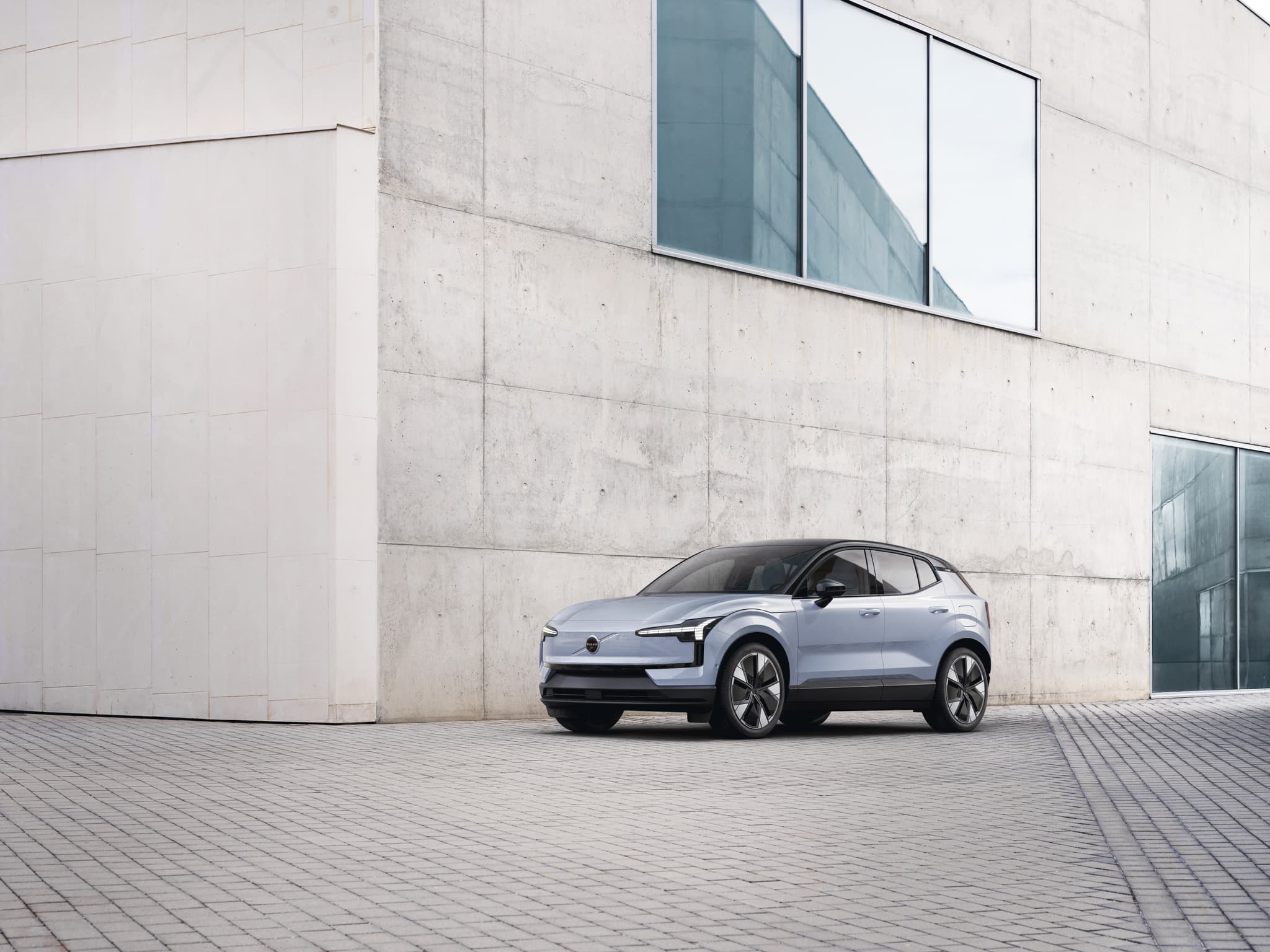
Volvo has signaled plans to introduce a new affordable electric vehicle for the US market, filling the gap left by the discontinued EX30. The announcement came during a media roundtable this week tied to the US launch of the EX60. Luis Rezende, president of Volvo Cars America, confirmed the company is working on a new offering.
The EX30, a compact and quirky EV, faced significant challenges after its release. Tariffs effectively erased its affordability, making it more expensive for US buyers. A battery recall also raised safety concerns, with warnings against parking the vehicle indoors. These issues contributed to its discontinuation.
Rezende noted that the decision to drop the EX30 was not solely about tariffs or recalls. He emphasized that Volvo remains committed to expanding its electric lineup with more accessible models. The new EV is expected to target a similar price point as the EX30, which originally started around $35,000.
Details about the upcoming model remain scarce. Volvo has not disclosed a timeline for its release or specific features. The automaker is likely to leverage its next-generation platform, which underpins the EX60, to achieve cost efficiencies. The EX60 is set to launch in the US later this year.
The EX30's withdrawal leaves a void in Volvo's US EV portfolio, which currently includes the XC40 Recharge, C40 Recharge, and the upcoming EX90 flagship. The new affordable model aims to attract budget-conscious buyers seeking an electric Volvo.
Volvo has not confirmed whether the new EV will be a direct replacement for the EX30 or an entirely different design. The company has previously expressed interest in offering a range of EVs across various price segments. Rezende hinted that the new model could arrive within the next few years.
For now, Volvo is focusing on the EX60 launch and addressing production challenges. The automaker has not provided a specific date or name for the new affordable EV. Rezende stated that more information will be shared as development progresses.