
Samsung Develops Liquid Cooling Technology for Future Galaxy Models
Samsung is researching active liquid cooling and air cooling systems for smartphones to address heat dissipation challenges. The technology could debut in upcoming Galaxy models, potentially enabling higher sustained performance.
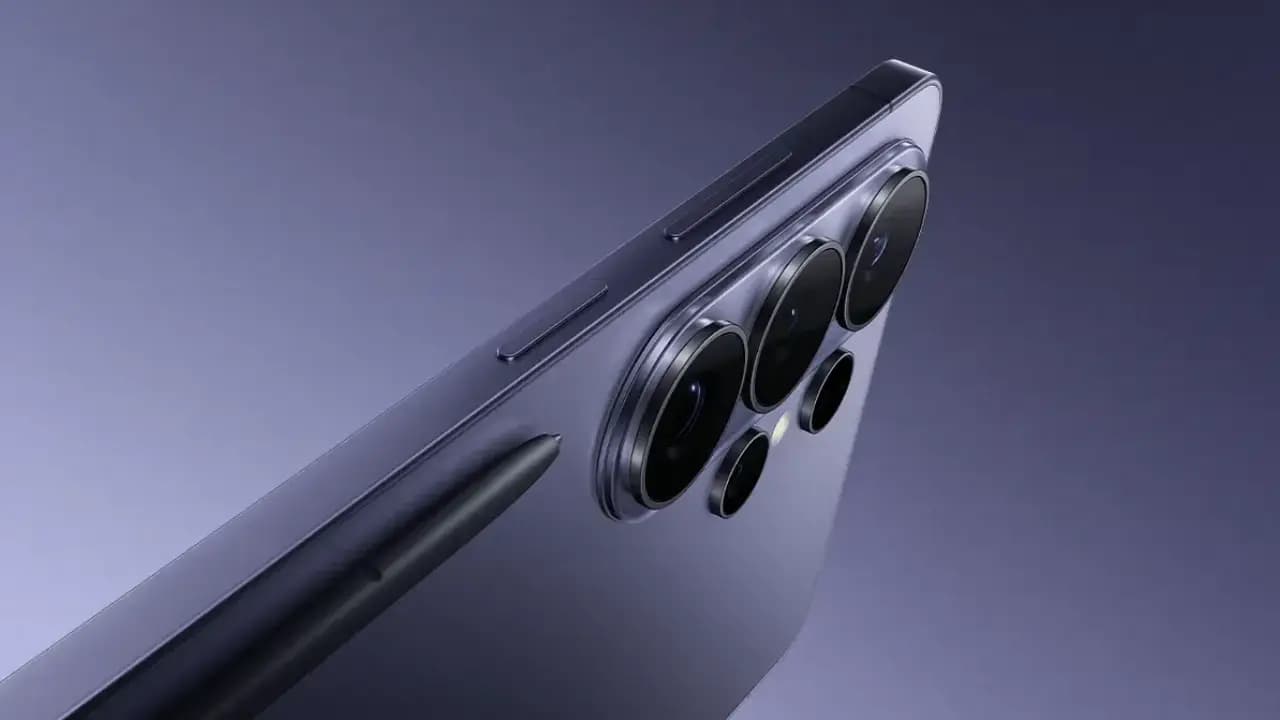
Samsung is developing active liquid cooling and air cooling systems for its future Galaxy smartphones, according to reports from South Korea. The company is exploring ways to manage the increasing heat generated by high-performance processors in mobile devices. Heat dissipation has become a major hardware bottleneck as smartphone chips push performance boundaries.
The research focuses on integrating miniature liquid cooling loops or forced air mechanisms into slim phone chassis. Active cooling solutions, unlike passive heat sinks or vapor chambers, use pumps or fans to circulate coolant or airflow. This approach could allow processors to maintain peak clock speeds for longer periods without thermal throttling.
Samsung's move comes as mobile gaming, AI processing, and 5G connectivity demand more from smartphone hardware. Current passive cooling methods often struggle to keep temperatures in check during intensive tasks. Active cooling could enable sustained high performance for applications like augmented reality or high-fidelity gaming.
The technology is still in the research phase, with no confirmed timeline for commercial deployment. Samsung is reportedly testing prototypes that balance cooling efficiency with the constraints of battery life, noise, and device thickness. The company may introduce the system first in its flagship Galaxy S or Galaxy Z series.
Industry observers note that active cooling has been used in some gaming phones from competitors like ASUS and Xiaomi. However, widespread adoption in mainstream smartphones has been limited due to size and power consumption challenges. Samsung's approach could set a new standard if successfully miniaturized.
Samsung has not officially commented on the reports. The company is expected to provide more details during its next Galaxy Unpacked event, likely in early 2025. Pricing and availability for devices with the new cooling technology remain unannounced.
If implemented, active cooling could give Samsung a competitive edge in performance benchmarks and user experience. The technology may also influence the design of future mobile processors and thermal management solutions across the industry.
Samsung's research into active cooling underscores the growing importance of thermal management in mobile devices. The company aims to deliver sustained performance without compromising on form factor or battery efficiency.
Samsung Galaxy S27 Series Faces Processor Dilemma Amid Rising Costs
Samsung is reportedly struggling with a processor choice for its upcoming Galaxy S27 series, weighing its in-house Exynos 2700 against Qualcomm's Snapdragon 8 Elite Gen 6 due to rising hardware costs and production challenges.
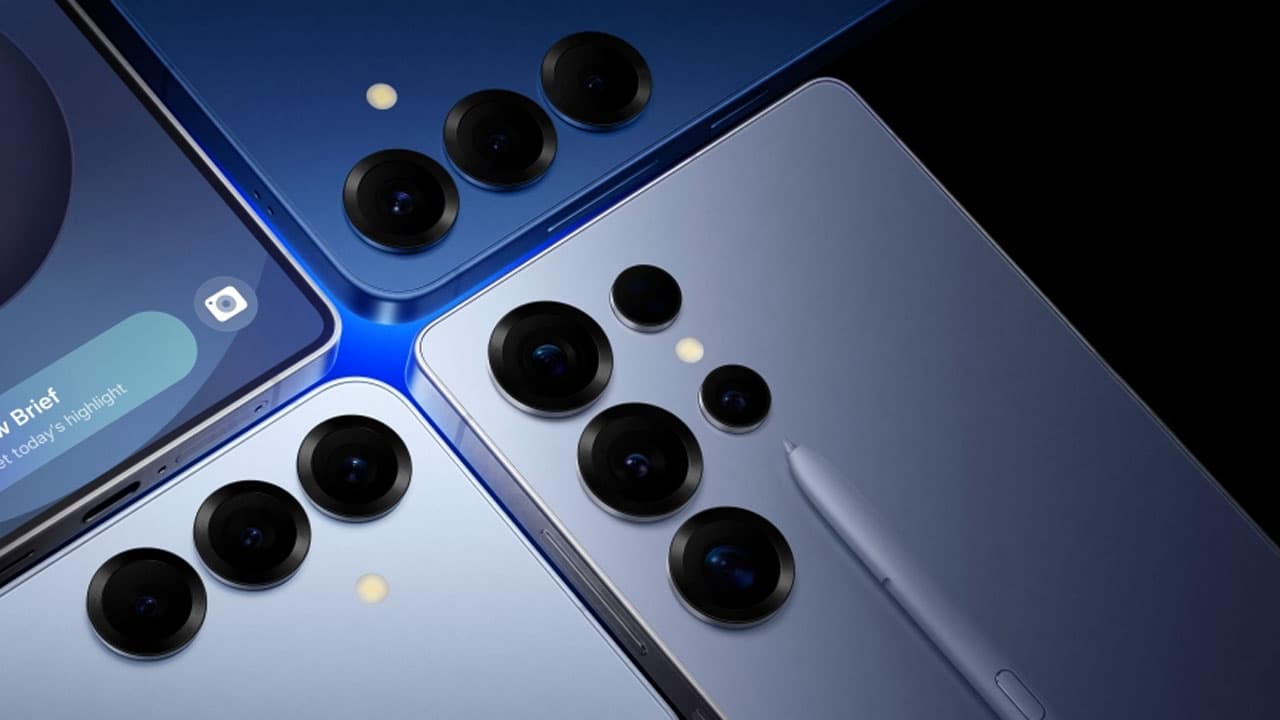
Samsung is preparing to launch its next flagship Galaxy S27 series in early 2027, but behind the scenes, a major processor battle is unfolding. The South Korean tech giant is grappling with rising hardware costs and production difficulties as it tries to balance its own Exynos 2700 chipset against Qualcomm's next-generation Snapdragon 8 Elite Gen 6 series. Industry sources indicate that the decision could significantly impact the device's performance, pricing, and market positioning.
The Exynos 2700, developed in-house, promises improved efficiency and AI capabilities, but Samsung has faced yield issues and performance gaps compared to Qualcomm's offerings in recent years. Meanwhile, the Snapdragon 8 Elite Gen 6 is expected to deliver top-tier performance and advanced features, but at a higher cost that could drive up the phone's retail price. Samsung is reportedly under pressure to keep the Galaxy S27 series competitive without sacrificing margins.
Samsung has historically used a dual-processor strategy, equipping some regions with Exynos chips and others with Snapdragon, but this approach has drawn criticism from users who perceive performance differences. For the S27 series, the company is considering a unified chipset to simplify production and ensure consistent user experience, but the cost implications remain a hurdle.
The Galaxy S27 series is expected to include three models: the standard S27, S27+, and S27 Ultra. All models are likely to feature advanced camera systems, improved displays, and faster charging. However, the processor choice will be critical for delivering on these promises, particularly for gaming, multitasking, and AI-driven features.
Samsung is also exploring custom chip designs and potential partnerships to reduce reliance on external suppliers. The company has invested heavily in its semiconductor division, aiming to close the gap with Qualcomm and Apple. However, analysts note that achieving parity in performance and power efficiency will require significant time and resources.
Pricing for the Galaxy S27 series is expected to start around $1,199 for the base model, though this could vary depending on the final processor selection. Samsung is likely to announce the series in January 2027, with a global rollout in the following weeks. The company has not officially commented on the processor situation, but insiders suggest a decision will be made in the coming months.
Samsung's choice will have broader implications for the Android flagship market, as both Exynos and Snapdragon chips are used by multiple manufacturers. A strong Exynos 2700 could boost Samsung's chip business, while a reliance on Qualcomm might reinforce the latter's dominance. For now, the industry watches closely as Samsung navigates this critical decision.

iPhone 18 Pro Colors Leaked: Dark Cherry and Classic Black Return
Leaked renders reveal iPhone 18 Pro in new Dark Cherry finish and a returning classic Black option. The Dark Cherry color is expected to be the flagship launch shade for the iPhone 18 Pro Max.
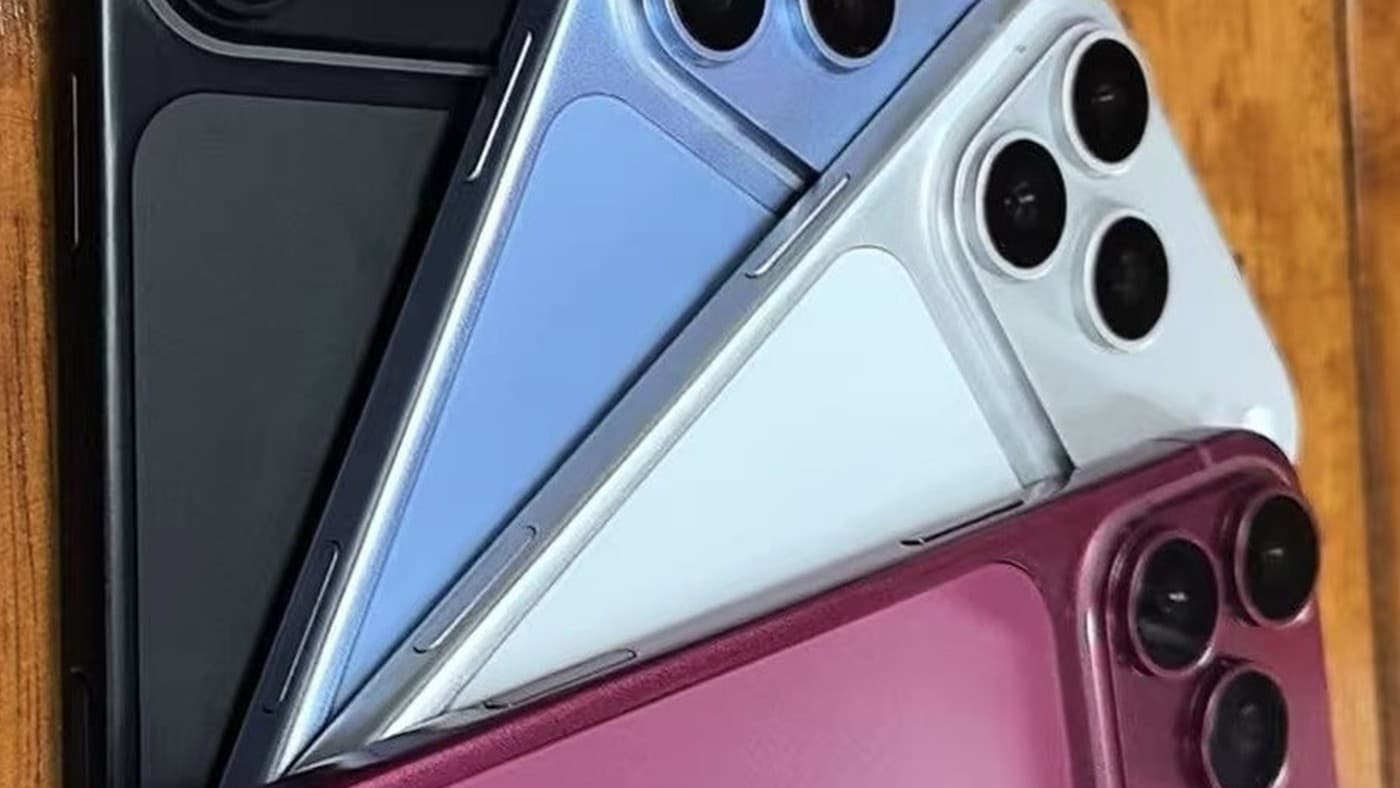
Detailed design renders of the iPhone 18 Pro have surfaced online, showcasing two new color options. The leaks suggest Apple is preparing to introduce a Dark Cherry finish for the iPhone 18 Pro Max, which is expected to be the signature launch color. Additionally, the classic Black color option appears to be making a comeback after a brief absence from the lineup.
The renders, shared by a reliable leaker, depict the iPhone 18 Pro in both colors with high precision. The Dark Cherry variant features a deep, rich red hue that shifts in different lighting conditions, similar to the previous Deep Purple finish. The Black model returns to a true, matte black, reminiscent of the iPhone 7 Jet Black but with a more subdued texture.
Apple has historically offered a range of colors for its Pro models, including Graphite, Silver, Gold, and Sierra Blue. The return of Black could appeal to users who prefer a more understated look. The Dark Cherry option is likely aimed at those seeking a bold, premium aesthetic.
The iPhone 18 Pro is expected to launch in September 2025, alongside the iPhone 18 and iPhone 18 Pro Max. Pricing is anticipated to start at $1,099 for the Pro model, with the Pro Max beginning at $1,199. The new colors will be available at launch, with pre-orders starting a week after the announcement.
These leaks align with previous rumors about Apple expanding its color palette for the Pro lineup. The company has been experimenting with more vibrant finishes in recent years, such as the Deep Purple for the iPhone 14 Pro and the Titanium Gray for the iPhone 15 Pro.
It remains unclear whether the Dark Cherry and Black options will be exclusive to certain storage tiers or regions. However, based on past releases, all colors are typically available across all storage configurations.
Apple has not officially commented on the leaks. The company is known for its strict secrecy regarding product designs, and these renders could be based on early prototypes that may not reflect the final product.
Consumers eager for a change in color options may find the Dark Cherry and Black variants appealing. The iPhone 18 Pro is also rumored to feature a new A19 chip, improved camera system, and a slightly larger display.
Apple is expected to unveil the iPhone 18 series in September 2025. The company will likely confirm the color options during the keynote event.

Motorola Edge 70 Pro+ Specifications Leak Ahead of June 4 Launch in India
Motorola's upcoming flagship, the Edge 70 Pro+, has had its full specifications leaked via the company's official website and Flipkart ahead of its June 4 launch in India. The leak reveals design details, color options, and key hardware components.

Motorola is gearing up to introduce the Edge 70 series in India on June 4, with the top-tier Edge 70 Pro+ model taking center stage. The device's technical specifications have surfaced through Motorola's official website and Flipkart, offering a comprehensive look at what the company has in store.
The leaked microsite on Flipkart, which appeared quietly in recent days, discloses the complete design, color variants, and ambitious hardware features of the Edge 70 Pro+. The phone is expected to boast a premium build and a high-refresh-rate display, though exact screen details remain under wraps.
Under the hood, the Edge 70 Pro+ is tipped to pack a Snapdragon 8 Gen 3 chipset, Qualcomm's latest flagship processor, ensuring top-tier performance. The device is also rumored to feature up to 12GB of RAM and 256GB of internal storage, catering to power users.
Camera capabilities appear to be a major focus, with the Edge 70 Pro+ likely sporting a 50-megapixel main sensor, an ultra-wide lens, and a telephoto shooter. The front-facing camera is expected to be a 50-megapixel unit as well, aligning with Motorola's recent emphasis on imaging.
Battery life is addressed with a 4,500mAh cell supporting 125W TurboPower charging, which can fully charge the device in under 20 minutes. Wireless charging support is also anticipated, though not confirmed in the leak.
The Edge 70 Pro+ will be available in at least two color options: Black and White, with a vegan leather finish on the back panel. The device is expected to run Android 14 out of the box with Motorola's My UX skin on top.
Pricing details have not been officially disclosed, but the Edge 70 Pro+ is expected to compete in the premium segment, likely starting around ₹50,000 in India. The official launch event on June 4 will reveal full pricing and availability.
Motorola has confirmed that the Edge 70 series will be available exclusively on Flipkart in India, with sales commencing shortly after the launch. The company has not yet announced plans for other markets.

Samsung Galaxy S26 Ultra vs Xiaomi 17 Pro Max: Snapdragon 8 Gen 5 Flagships Compared
A detailed comparison of the Samsung Galaxy S26 Ultra and Xiaomi 17 Pro Max, both powered by the Snapdragon 8 Gen 5 processor. The video examines user experience, display quality, and performance differences between the two Android flagships.

The Samsung Galaxy S26 Ultra and Xiaomi 17 Pro Max are two of the most powerful Android smartphones currently on the market. Both devices are equipped with Qualcomm's latest Snapdragon 8 Gen 5 processor, ensuring top-tier performance. A new video comparison puts these two flagships head-to-head, analyzing their strengths and weaknesses across several key areas.
The comparison focuses on user experience, display quality, and overall performance. While both phones share the same processor, their implementations differ, leading to variations in how they handle tasks. The video explores these differences in depth, providing insights into which device offers a smoother and more responsive interface.
Display quality is another critical aspect examined. The Galaxy S26 Ultra features a Dynamic AMOLED 2X display with a 120Hz refresh rate, while the Xiaomi 17 Pro Max boasts a 6.73-inch LTPO AMOLED panel with a 144Hz refresh rate. The comparison highlights differences in color accuracy, brightness, and viewing angles.
Performance benchmarks are also covered, with both phones scoring similarly in synthetic tests. However, real-world usage reveals subtle differences in app loading times, multitasking capabilities, and gaming performance. The video notes that thermal management and software optimization play significant roles in day-to-day performance.
Camera systems are a major differentiator. The Galaxy S26 Ultra includes a 200MP main sensor, a 12MP ultra-wide, and two telephoto lenses (10MP 3x and 10MP 10x). The Xiaomi 17 Pro Max features a 50MP main sensor, a 48MP ultra-wide, and a 48MP periscope telephoto with 5x optical zoom. The comparison evaluates photo and video quality in various lighting conditions.
Battery life and charging speeds are also compared. The Galaxy S26 Ultra packs a 5000mAh battery with 45W wired charging, while the Xiaomi 17 Pro Max has a 4800mAh battery with 120W wired charging. The video tests endurance and charging times, noting that Xiaomi's faster charging compensates for its slightly smaller battery.
Pricing and availability are key factors for consumers. The Samsung Galaxy S26 Ultra starts at $1,199 and is available globally. The Xiaomi 17 Pro Max starts at $1,099 and is available in select markets. The video concludes that both phones offer exceptional value, but the choice ultimately depends on individual preferences for display, camera, and charging speed.
The comparison video is available now on the channel, providing a comprehensive look at these two Android giants. Viewers can expect detailed analysis and side-by-side comparisons to help them decide which flagship best suits their needs.