
Samsung Galaxy S26 Ultra vs Xiaomi 17 Pro Max: Snapdragon 8 Gen 5 Flagships Compared
A detailed comparison of the Samsung Galaxy S26 Ultra and Xiaomi 17 Pro Max, both powered by the Snapdragon 8 Gen 5 processor. The video examines user experience, display quality, and performance differences between the two Android flagships.

The Samsung Galaxy S26 Ultra and Xiaomi 17 Pro Max are two of the most powerful Android smartphones currently on the market. Both devices are equipped with Qualcomm's latest Snapdragon 8 Gen 5 processor, ensuring top-tier performance. A new video comparison puts these two flagships head-to-head, analyzing their strengths and weaknesses across several key areas.
The comparison focuses on user experience, display quality, and overall performance. While both phones share the same processor, their implementations differ, leading to variations in how they handle tasks. The video explores these differences in depth, providing insights into which device offers a smoother and more responsive interface.
Display quality is another critical aspect examined. The Galaxy S26 Ultra features a Dynamic AMOLED 2X display with a 120Hz refresh rate, while the Xiaomi 17 Pro Max boasts a 6.73-inch LTPO AMOLED panel with a 144Hz refresh rate. The comparison highlights differences in color accuracy, brightness, and viewing angles.
Performance benchmarks are also covered, with both phones scoring similarly in synthetic tests. However, real-world usage reveals subtle differences in app loading times, multitasking capabilities, and gaming performance. The video notes that thermal management and software optimization play significant roles in day-to-day performance.
Camera systems are a major differentiator. The Galaxy S26 Ultra includes a 200MP main sensor, a 12MP ultra-wide, and two telephoto lenses (10MP 3x and 10MP 10x). The Xiaomi 17 Pro Max features a 50MP main sensor, a 48MP ultra-wide, and a 48MP periscope telephoto with 5x optical zoom. The comparison evaluates photo and video quality in various lighting conditions.
Battery life and charging speeds are also compared. The Galaxy S26 Ultra packs a 5000mAh battery with 45W wired charging, while the Xiaomi 17 Pro Max has a 4800mAh battery with 120W wired charging. The video tests endurance and charging times, noting that Xiaomi's faster charging compensates for its slightly smaller battery.
Pricing and availability are key factors for consumers. The Samsung Galaxy S26 Ultra starts at $1,199 and is available globally. The Xiaomi 17 Pro Max starts at $1,099 and is available in select markets. The video concludes that both phones offer exceptional value, but the choice ultimately depends on individual preferences for display, camera, and charging speed.
The comparison video is available now on the channel, providing a comprehensive look at these two Android giants. Viewers can expect detailed analysis and side-by-side comparisons to help them decide which flagship best suits their needs.
iPhone 18 Pro Camera System to Cost Apple More with New Supplier
Apple's iPhone 18 Pro models will feature a variable aperture camera system that increases component costs. The company has secured a new supplier for the advanced camera module.
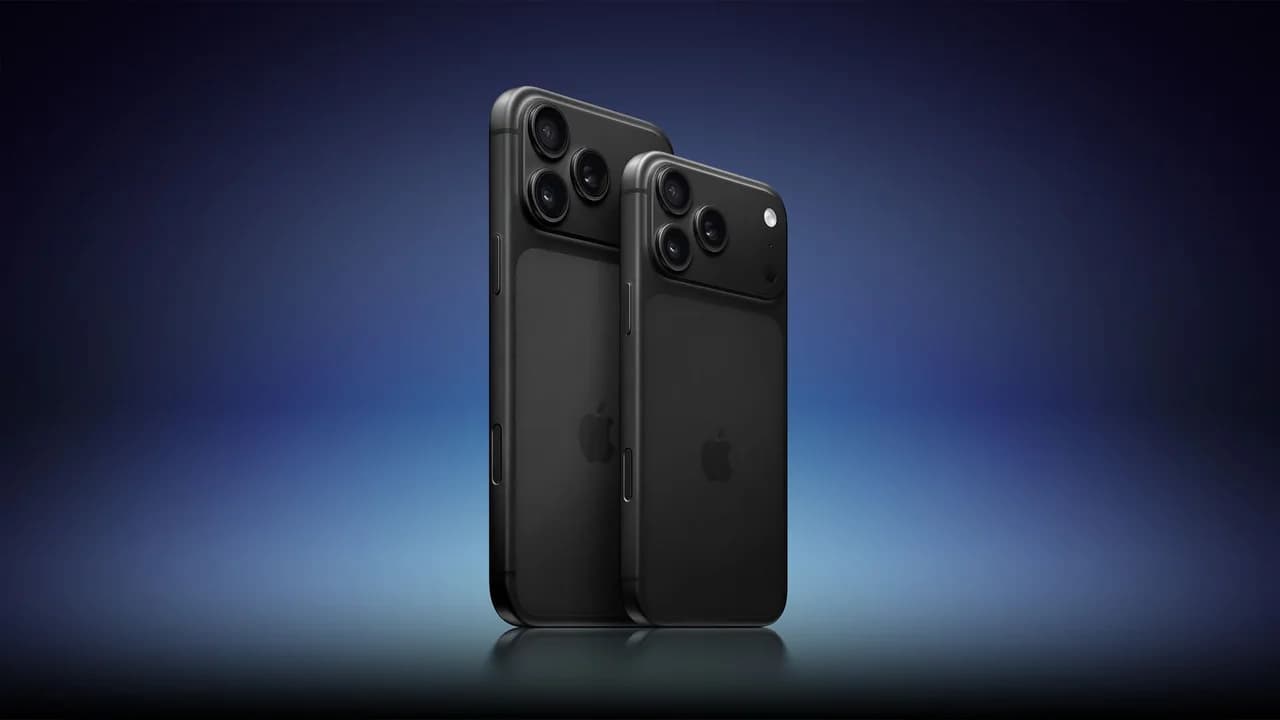
Apple’s upcoming iPhone 18 Pro models are expected to introduce a variable aperture camera system, a feature that will raise the cost of the camera components. The new system marks a significant upgrade from the fixed aperture lenses used in current iPhones, allowing for better control over depth of field and low-light performance.
The variable aperture mechanism will be supplied by a new vendor, according to industry sources. Apple has reportedly partnered with a different manufacturer to produce the more complex camera module, which involves moving parts to adjust the aperture size. This change in supplier is part of Apple’s strategy to diversify its supply chain and reduce reliance on existing partners.
The increased cost of the camera system is attributed to the precision engineering required for the variable aperture blades and the actuator that controls them. Unlike fixed aperture lenses, the new system must maintain optical quality while allowing the aperture to open and close smoothly. This adds complexity to both the design and manufacturing processes.
Analysts suggest that the higher component costs could lead to a price increase for the iPhone 18 Pro models. However, Apple may absorb some of the additional expenses to maintain competitive pricing. The variable aperture feature is expected to be exclusive to the Pro lineup, with standard models retaining fixed aperture lenses.
The new camera system is rumored to debut in the iPhone 18 Pro and iPhone 18 Pro Max, which are anticipated to launch in September 2026. Apple has not officially confirmed the feature, but supply chain reports indicate that production of the new camera modules has already begun.
Variable aperture technology allows the camera to adjust the amount of light entering the lens, similar to how professional cameras operate. This gives users more creative control over exposure and depth of field, enabling effects like background blur without relying solely on software processing.
Apple’s move to a variable aperture system follows similar implementations in some Android smartphones, though the technology remains relatively rare in the mobile industry. The company’s focus on camera improvements aligns with its strategy to differentiate the Pro models through advanced imaging capabilities.
The iPhone 18 Pro series is also expected to feature other upgrades, including a new A19 chip and improved display technology. Pricing details have not been disclosed, but the increased camera costs may push the starting price above the current $1,199 for the iPhone 17 Pro.

MediaTek Introduces Dimensity 7500 Chipset for Mid-Range Smartphones
MediaTek has officially launched the Dimensity 7500 processor for mid-range smartphones. The new chipset brings notable improvements in AI, gaming performance, and camera capabilities.
MediaTek has officially announced its new Dimensity 7500 chipset, targeting the mid-range smartphone segment. The processor is designed to deliver enhanced performance in artificial intelligence, gaming, and photography. The announcement was made through the company's official channels.
The Dimensity 7500 is built on a 4nm manufacturing process, which MediaTek says improves power efficiency and performance. The chipset features an octa-core CPU with two Cortex-A78 performance cores clocked at up to 2.5GHz and six Cortex-A55 efficiency cores. The GPU is a Mali-G610 MC3.
On the AI front, the Dimensity 7500 integrates a dedicated AI processing unit (APU) that supports AI-driven camera enhancements and voice recognition. The chipset also includes MediaTek's HyperEngine 5.0 gaming technology, which optimizes resource allocation for smoother gameplay and reduced latency.
For imaging, the Dimensity 7500 supports up to a 200-megapixel camera sensor and 4K video recording at 30 frames per second. It also features hardware-level HDR and multi-frame noise reduction. The chipset can handle displays with up to Full HD+ resolution and a 120Hz refresh rate.
Connectivity options include 5G sub-6GHz support with dual SIM 5G, Wi-Fi 6E, Bluetooth 5.3, and GNSS. The chipset also supports LPDDR5 RAM and UFS 3.1 storage. MediaTek claims the Dimensity 7500 offers a 10% improvement in CPU performance and a 20% improvement in GPU performance over its predecessor.
The Dimensity 7500 is expected to power mid-range smartphones from various manufacturers. Devices featuring the chipset are anticipated to launch in the coming months. Pricing for the chipset itself has not been disclosed.
MediaTek stated that the Dimensity 7500 aims to bring premium features to more affordable devices. The company emphasized the chipset's balance of performance and power efficiency for everyday use and gaming.

Honor Win Turbo Launches with 10,000 mAh Battery and Rugged Design
Honor has introduced the Win Turbo, a smartphone featuring a 10,000 mAh battery and high durability certifications. The device targets users seeking extended battery life and robust build quality.
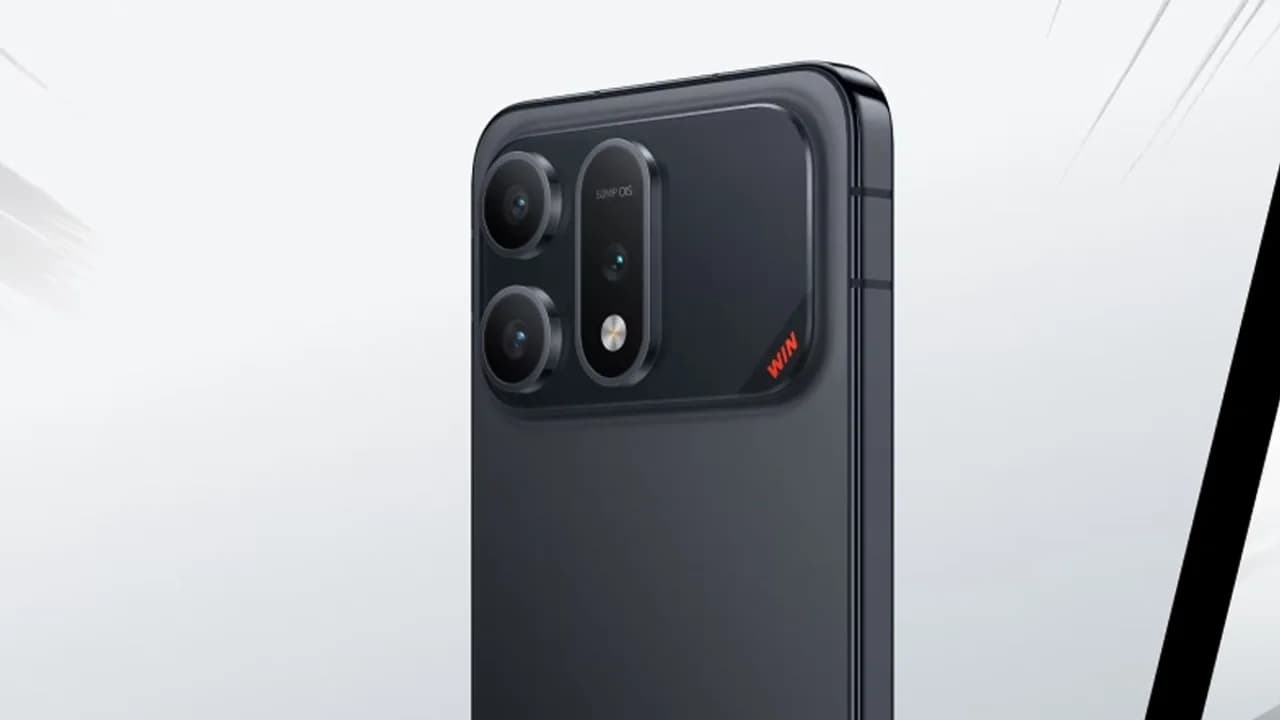
Honor announced the Win Turbo, a new smartphone equipped with a 10,000 mAh battery. The device also carries high durability certifications, positioning it as a rugged option in the market. The announcement was made without a specific event, with details released through official channels.
The Win Turbo's battery capacity is among the largest seen in modern smartphones. Honor claims the battery supports extended usage, though exact talk time or standby figures were not provided. The device supports fast charging, but the wattage was not disclosed.
Durability certifications include IP68 and IP69K ratings, indicating resistance to dust, water immersion, and high-pressure water jets. The phone also meets MIL-STD-810H military standards for drops, shocks, and extreme temperatures. The display is protected by Corning Gorilla Glass Victus.
The Win Turbo features a 6.78-inch IPS LCD display with a 120 Hz refresh rate and 1080 x 2460 pixel resolution. The screen brightness reaches up to 600 nits. The device is powered by a MediaTek Dimensity 7020 processor, paired with 8 GB of RAM and 256 GB of internal storage. The storage is expandable via a microSD card slot.
For photography, the Win Turbo includes a 108-megapixel main camera with an f/1.8 aperture, accompanied by a 5-megapixel ultrawide lens and a 2-megapixel macro sensor. The front-facing camera is 16 megapixels. The phone runs Android 14 with Honor's MagicOS 8.0 interface.
The Honor Win Turbo is available in two color options: Midnight Black and Sunrise Orange. The device is priced at €399 for the 8 GB RAM and 256 GB storage variant. Sales begin in select European markets starting March 2025.
Honor stated that the Win Turbo is designed for outdoor enthusiasts and professionals who require a reliable device in harsh environments. The company emphasized the combination of a large battery and rugged build as key differentiators in the mid-range smartphone segment.

Xiaomi 17T and 17T Pro Launched: Specs and Prices Revealed
Xiaomi has unveiled its new flagship models, the Xiaomi 17T and 17T Pro, featuring significant upgrades in camera, battery, and performance. The devices come with improved Leica optics, faster charging, and the latest processors.
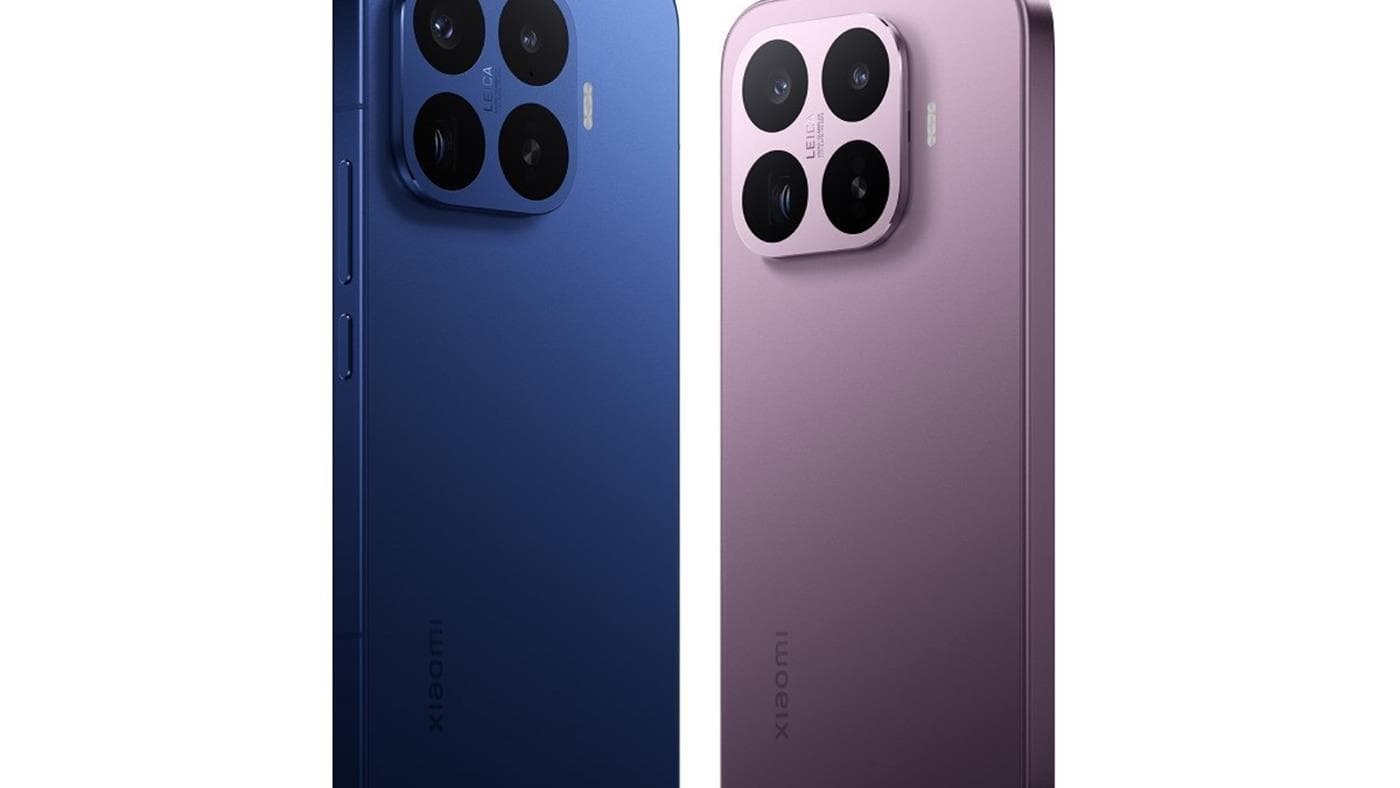
Xiaomi officially introduced the Xiaomi 17T and 17T Pro at a launch event on September 15. The two smartphones represent the company's latest flagship offerings, targeting the premium segment with enhanced camera systems and performance capabilities. Both models are set to compete directly with other high-end devices in the market.
The Xiaomi 17T Pro is powered by the MediaTek Dimensity 9200+ chipset, while the standard 17T uses the Dimensity 8200-Ultra processor. The Pro variant features up to 12GB of LPDDR5X RAM and 512GB of UFS 4.0 storage, whereas the 17T offers up to 8GB of RAM and 256GB of storage. Both devices run on MIUI 14 based on Android 13.
Camera improvements are a key highlight. The 17T Pro sports a 50-megapixel main sensor with a 1/1.28-inch Sony IMX707 sensor and optical image stabilization, paired with a 50-megapixel telephoto lens offering 2x optical zoom and a 12-megapixel ultrawide camera. The standard 17T has a 50-megapixel main camera with a Sony IMX766 sensor, an 8-megapixel ultrawide, and a 2-megapixel macro lens. Both phones feature Leica-branded optics and include Leica Authentic and Leica Vibrant color profiles.
Battery capacity sees a boost as well. The 17T Pro packs a 5,000mAh battery with 120W wired charging, while the 17T has a 5,000mAh battery with 67W charging. The Pro model also supports 50W wireless charging, a feature absent on the standard version. Xiaomi claims the Pro can charge from 0 to 100% in 19 minutes using the included 120W charger.
Display specifications are identical across both models: a 6.67-inch AMOLED panel with 2712x1220 resolution, 120Hz refresh rate, and HDR10+ support. The screen reaches a peak brightness of 1,400 nits and is protected by Corning Gorilla Glass 5. Both phones feature an under-display fingerprint sensor and stereo speakers tuned by Harman Kardon.
Pricing for the Xiaomi 17T starts at €649 for the 8GB/128GB variant, while the 17T Pro begins at €899 for the 8GB/256GB model. The Pro version with 12GB/512GB is priced at €999. Both phones will be available in Europe starting September 26, with colors including Lunar Silver, Stellar Blue, and Midnight Black for the 17T, and Ceramic White, Ceramic Black, and Ceramic Blue for the 17T Pro.
Xiaomi also announced that the 17T Pro will receive three years of major Android updates and four years of security patches. The standard 17T will get two years of OS updates and three years of security patches. Pre-orders begin today, with early buyers receiving a free Xiaomi Watch S2 or Redmi Buds 4 Pro.