
Smartphone Makers Rename Old Budget Phones, Hike Prices Amid Rising Costs
Smartphone manufacturers are rebranding older budget models and increasing prices, citing rising component costs and currency fluctuations. Core specifications remain largely unchanged, with some models even seeing downgrades.

Smartphone companies are adopting a strategy of renaming older budget models and selling them at higher prices, a move driven by escalating component costs and unfavorable currency exchange rates. Industry analysts note that core specifications in these devices remain largely identical to their predecessors, with some models even experiencing downgrades in certain features. This approach allows manufacturers to offset rising production expenses while maintaining profit margins in a challenging market.
The practice has become increasingly common among brands targeting the entry-level and mid-range segments. For instance, a phone originally launched as the Model X last year may reappear as the Model Y with a price increase of 10-15%, despite having the same processor, camera setup, and battery capacity. In some cases, manufacturers have reduced RAM or storage configurations to cut costs further.
Rising costs for components such as processors, memory chips, and displays are the primary drivers behind this trend. The global semiconductor shortage, which has persisted for over two years, continues to inflate prices for key parts. Currency fluctuations, particularly the depreciation of emerging market currencies against the US dollar, have also made imported components more expensive.
Higher-end smartphones are being prioritized for new technology and innovations, leaving budget and mid-range devices with older hardware. This shift reflects manufacturers' focus on protecting profitability in their most lucrative segments. As a result, consumers seeking affordable smartphones may find fewer options with meaningful upgrades.
Global smartphone shipments are expected to decline by 4.7% in 2023, according to IDC, as economic uncertainty and reduced consumer spending weigh on demand. The trend of rebranding old models could further dampen consumer interest, as buyers may perceive a lack of value in paying more for essentially the same device.
Some manufacturers have defended the practice, arguing that price adjustments are necessary to sustain business operations and continue offering products in a volatile market. However, critics contend that it undermines consumer trust and could accelerate the shift toward longer replacement cycles.
For now, the strategy appears to be a stopgap measure rather than a long-term solution. As component costs stabilize and currency markets adjust, manufacturers may revisit their pricing and product strategies. Until then, budget-conscious buyers are advised to compare specifications carefully before purchasing a newly named model.
Analysts recommend that consumers research the original launch details of rebranded phones to ensure they are not paying a premium for outdated technology. Official statements from manufacturers emphasize that pricing decisions are based on current market conditions and cost structures, with no immediate plans to reverse the trend.
India's top copper producers like Adani, Vedanta and Hindalco oppose inclusion of scrap-based rods in standards
This development in Mobile signals new momentum in the technology agenda.

India's top copper producers like Adani, Vedanta and Hindalco oppose inclusion of scrap-based rods in standards has become a significant development in the technology sector. This advancement signals new momentum in the mobil space and carries important implications for both consumers and industry players.
The technical details surrounding this announcement suggest a deliberate strategy aimed at capturing market share while addressing existing user pain points. Industry analysts note that the timing of this release aligns with broader shifts in how technology is adopted at scale.
From a competitive standpoint, this move places additional pressure on established players who have dominated the segment for years. The introduction of these features could force rivals to accelerate their own roadmaps or risk losing relevance in an increasingly crowded marketplace.
Consumer reactions have been mixed but generally positive, with early adopters highlighting the practical benefits over marketing promises. The focus appears to be on solving real problems rather than introducing novelty for its own sake.
Looking at the broader ecosystem, this development may trigger ripple effects across adjacent categories. Partnerships, supply chains, and developer communities are all likely to feel the impact as adoption scales.
Whether this represents a lasting shift or a temporary market reaction will depend on execution quality and sustained innovation in the coming quarters.}

Next-gen mobile gaming just got $1,150 cheaper — Dell slashes RTX 5090 gaming laptop price tag to $4,399
This development in Mobile signals new momentum in the technology agenda.

Next-gen mobile gaming just got $1,150 cheaper — Dell slashes RTX 5090 gaming laptop price tag to $4,399 has become a significant development in the technology sector. This advancement signals new momentum in the mobil space and carries important implications for both consumers and industry players.
The technical details surrounding this announcement suggest a deliberate strategy aimed at capturing market share while addressing existing user pain points. Industry analysts note that the timing of this release aligns with broader shifts in how technology is adopted at scale.
From a competitive standpoint, this move places additional pressure on established players who have dominated the segment for years. The introduction of these features could force rivals to accelerate their own roadmaps or risk losing relevance in an increasingly crowded marketplace.
Consumer reactions have been mixed but generally positive, with early adopters highlighting the practical benefits over marketing promises. The focus appears to be on solving real problems rather than introducing novelty for its own sake.
Looking at the broader ecosystem, this development may trigger ripple effects across adjacent categories. Partnerships, supply chains, and developer communities are all likely to feel the impact as adoption scales.
Whether this represents a lasting shift or a temporary market reaction will depend on execution quality and sustained innovation in the coming quarters.}

OnePlus 15R and Realme 16 Series See Another Price Hike in India
OnePlus and Realme have raised prices on several smartphone models in India, including the OnePlus 15R and Realme 16 series. The new rates are now in effect across retail channels.

OnePlus and Realme have implemented another round of price increases for their smartphones in India. The latest adjustments affect several models, including the OnePlus 15R and the Realme 16 series. This marks the second price hike for these devices in recent months.
The OnePlus 15R now carries a higher price tag across all storage variants. The base model with 128GB storage has increased by INR 1,000, now retailing at INR 39,999. The 256GB variant saw a similar hike, now priced at INR 43,999. These changes are effective immediately on OnePlus's official website and partner retailers.
Realme has also revised prices for its 16 series lineup. The Realme 16 Pro now costs INR 27,999 for the 8GB RAM and 128GB storage variant, up from INR 26,999. The Realme 16 Pro+ saw a INR 1,500 increase, bringing its price to INR 33,999 for the 12GB RAM and 256GB storage model. The standard Realme 16 remains unchanged at INR 21,999.
Both companies cited rising component costs and supply chain pressures as reasons for the price adjustments. A OnePlus spokesperson stated that the company aims to maintain product quality while absorbing some cost increases, but external factors necessitated the revision. Realme echoed similar sentiments, noting that the hikes are minimal compared to industry-wide trends.
Industry analysts point to ongoing global semiconductor shortages and increased logistics expenses as key drivers behind the price hikes. Several other smartphone manufacturers have also raised prices in India over the past quarter. The trend is expected to continue as brands grapple with higher input costs.
Consumers looking to purchase these models may find limited stock at older prices at some offline retailers. However, most major e-commerce platforms have already updated their listings with the new rates. Bank offers and exchange deals remain available, which could offset some of the price increases.
The OnePlus 15R and Realme 16 series were launched earlier this year to strong demand. Both devices offer competitive specifications in their respective segments, including high-refresh-rate displays and capable camera systems. The price hikes may affect their value proposition against rivals from Xiaomi, Samsung, and Vivo.
OnePlus and Realme have not announced any immediate plans for further price adjustments. Customers are advised to check official channels for the most current pricing before making a purchase. The new rates are now in effect across all sales channels in India.

Walmart launches Onn Android tablets starting at $97 with Android 16
Walmart's Onn brand has released six new Android tablets, all priced under $200 except one. The most affordable model, the Onn Core 7, starts at $97 and features a 7-inch display, 4GB RAM, and 64GB storage.
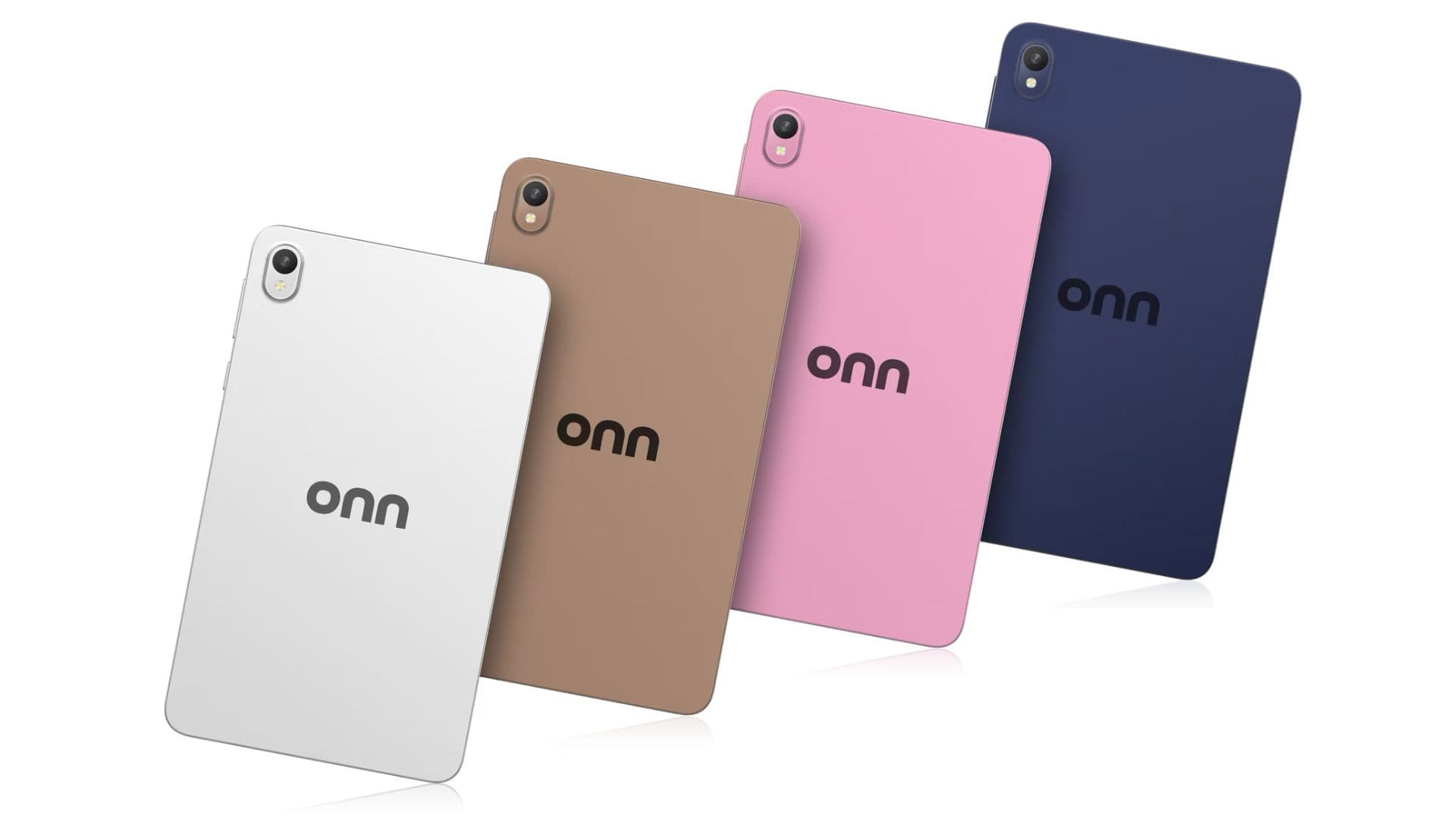
Walmart's in-house Onn brand has introduced a new lineup of Android tablets, with prices that undercut many competitors. The six devices, spotted by 9to5Google, ship with Android 16 and all but one cost less than $200. The combined price of the entire series is lower than a single iPad Pro.
The entry-level Onn Core 7 is priced at $97. It features a 7-inch IPS LCD display with a resolution of 1040 x 600 pixels. The tablet comes with 4GB of RAM and 64GB of internal storage, expandable via microSD card. Walmart claims the device offers up to 10 hours of battery life.
Two larger Core models sit above the Core 7. The Onn Core 8.1 costs $138 and includes an 8.1-inch IPS LCD display with a resolution of 1524 x 1000 pixels. It also packs 6GB of RAM, though storage details were not immediately disclosed.
The remaining tablets in the lineup include higher-end models with larger screens and improved specifications. All devices run Android 16 out of the box, providing access to the latest Google features and security updates.
Walmart's Onn brand has historically focused on budget-friendly electronics, including TVs, audio equipment, and accessories. The new tablet line continues that strategy, targeting consumers seeking affordable Android devices for basic tasks like web browsing, media consumption, and light productivity.
The tablets are available now through Walmart's website and physical stores. Pricing for the higher-end models has not been fully detailed, but the company confirmed that only one model exceeds the $200 threshold. Specific availability and regional restrictions were not announced.
Walmart's move comes as the budget tablet market sees increased competition from brands like Amazon, Lenovo, and Samsung. The Onn tablets aim to offer a low-cost alternative with a stock Android experience, differentiating themselves from Amazon's heavily customized Fire OS devices.
For customers seeking the most affordable option, the Onn Core 7 at $97 represents the lowest entry point. The device's 7-inch screen and modest specifications make it suitable for children or as a secondary device. Walmart's official listing notes the tablet's expandable storage and battery life as key selling points.