
Tech Giants Embed AI Directly into Devices, Moving Beyond Standalone Apps
Major technology companies including Google, Samsung, Meta, and HP are integrating artificial intelligence directly into hardware and operating systems, shifting from standalone AI chatbots to deeply embedded AI capabilities. This integration aims to make AI more seamless and accessible across devices like smartphones, laptops, and smart home gadgets.

A fundamental shift is underway in the technology industry as leading companies move artificial intelligence from isolated applications into the very fabric of their devices and software. Google, Samsung, Meta, and HP are among the major players now embedding AI directly into hardware and operating systems, marking a departure from the standalone AI chatbot model that dominated the past year. This evolution promises to make AI interactions more intuitive and contextually aware, with capabilities built into the core user experience rather than accessed through a separate app.
Google has been at the forefront of this transition with its Pixel devices, which now feature AI-driven functionalities like call screening, photo editing, and real-time translation directly integrated into the operating system. Samsung's Galaxy AI suite similarly embeds generative AI into its smartphones and tablets, enabling tasks such as live call translation and advanced photo editing without requiring third-party apps. These features leverage on-device processing to reduce latency and enhance privacy, as data does not need to be sent to the cloud.
Meta is taking a different approach by integrating its Llama AI model into its Ray-Ban smart glasses and Quest VR headsets, allowing for hands-free, context-aware assistance. HP has announced AI-enhanced PCs that use neural processing units (NPUs) to accelerate tasks like video conferencing, content creation, and data analysis locally. These devices can run AI models directly on the hardware, reducing reliance on cloud connectivity and improving responsiveness.
This hardware-level integration represents a significant departure from the current trend of AI chatbots like ChatGPT and Bard, which require users to open a separate app or website. By embedding AI into the device's core functions, companies aim to create a more seamless experience where AI anticipates user needs rather than waiting for commands. For example, a smartphone might automatically suggest replies based on text content or adjust camera settings for optimal photos without explicit user input.
The shift is driven by advancements in specialized chips, such as NPUs and tensor processing units, that can efficiently run AI models on devices. This allows for faster processing and better battery life compared to relying on cloud servers. Additionally, on-device AI enhances privacy, as sensitive data can be processed locally without being transmitted over the internet. This is particularly important for applications like health monitoring or personal assistants.
Users can expect to see these integrated AI features across a wide range of devices, from high-end smartphones to budget laptops. Google's Pixel 8 series and Samsung's Galaxy S24 line already showcase these capabilities, while HP's new AI PCs are slated for release later this year. Pricing varies, with AI-enhanced devices typically commanding a premium of $100 to $300 over standard models, though this gap is expected to narrow as the technology becomes more widespread.
Despite the rapid integration, there are still unknowns regarding how these embedded AI systems will handle complex tasks that require cloud resources, as well as potential issues with transparency and user control. Companies are expected to provide more details on the limitations and privacy implications of on-device AI in the coming months. As the technology matures, the line between hardware and AI software will continue to blur, fundamentally changing how we interact with our devices.
Xiaomi Smart Band 10 Pro Boosts Apple Ecosystem Integration for Wider Appeal
Xiaomi's upcoming Smart Band 10 Pro offers enhanced integration with Apple devices, aiming to attract more users beyond its typical Android base. The fitness tracker supports features like call and message notifications, health data sync, and Siri shortcuts.
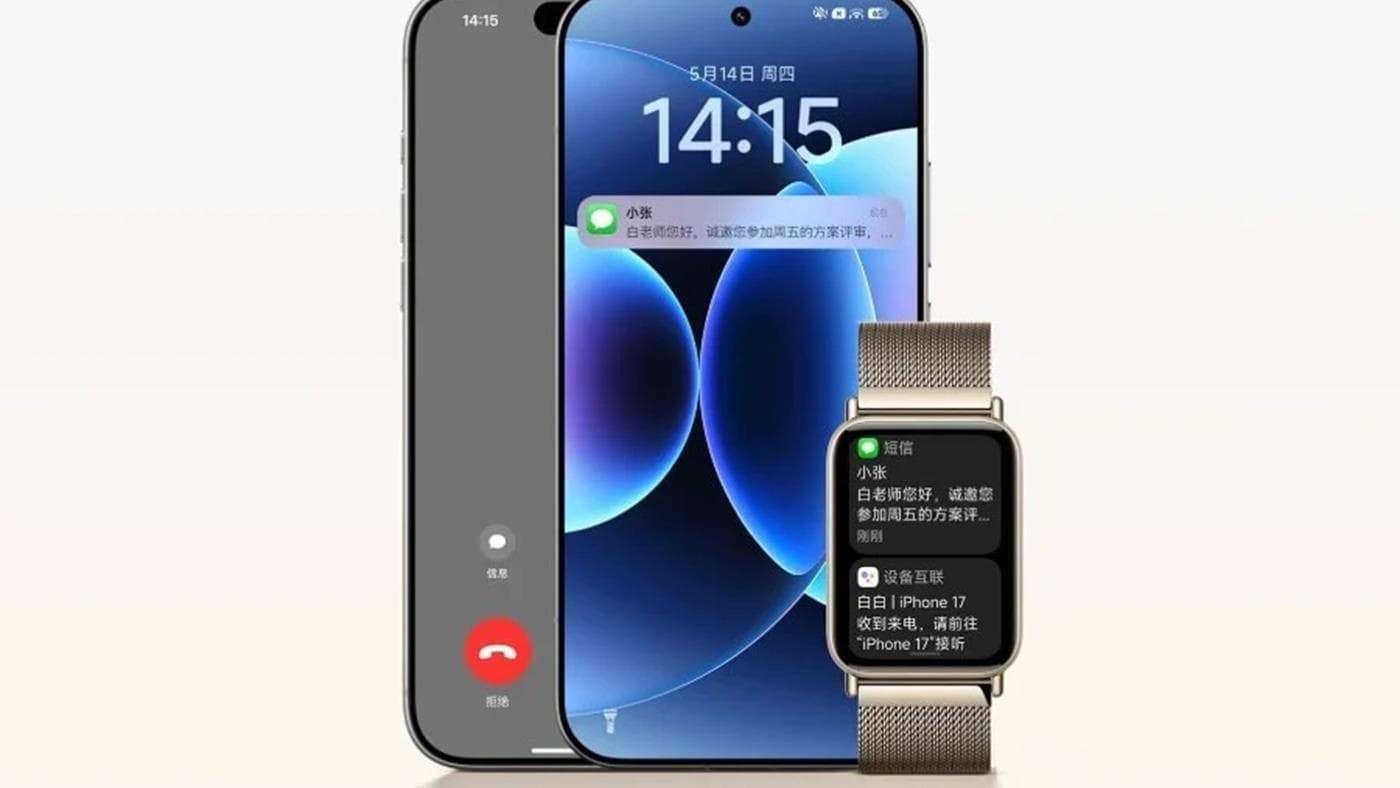
Xiaomi is set to launch the Smart Band 10 Pro, a fitness tracker that deepens its integration with Apple’s ecosystem, marking a strategic shift to attract iPhone users. The device, expected to debut later this year, will offer seamless connectivity with iOS, including support for Apple Health and Siri shortcuts. This move positions the Band 10 Pro as a more versatile companion for Apple device owners who previously may have overlooked Xiaomi’s wearables.
The Smart Band 10 Pro features a 1.62-inch AMOLED display with always-on functionality, similar to its predecessor, but adds new software capabilities for Apple users. It will sync health metrics like heart rate, sleep patterns, and step counts directly to the Apple Health app, eliminating the need for a third-party bridge. Additionally, users can trigger Siri shortcuts from the band, enabling voice-controlled tasks such as setting reminders or starting workouts.
On the hardware front, the Band 10 Pro includes a SpO2 sensor, stress monitoring, and over 100 workout modes, along with 5ATM water resistance. Battery life is rated at up to 14 days with typical use, and charging takes about two hours. The device also supports Bluetooth 5.3 for stable connectivity and features a built-in GPS for outdoor activities without needing a phone.
This enhanced Apple integration is a notable departure from previous Xiaomi bands, which primarily focused on Android compatibility. The move comes as the wearable market sees increasing competition from Apple Watch and Fitbit, but Xiaomi aims to carve a niche with a lower price point. The Band 10 Pro is expected to retail around $50, significantly undercutting Apple’s cheapest Watch SE.
The device will be available in global markets, including Europe and Asia, starting in March. Xiaomi has not confirmed a US release, but the band’s iOS support could pave the way for a broader launch. Existing Xiaomi Band users will find the design familiar, with a pill-shaped chassis and interchangeable silicone straps in multiple colors.
For iPhone users, the Band 10 Pro offers a compelling alternative to the Apple Watch for basic fitness tracking and notifications, though it lacks advanced features like cellular connectivity or an app store. The integration with Apple Health ensures data continuity, making it easy to switch between devices. However, some features like music control and camera shutter may remain limited compared to Android.
Xiaomi has not announced an official launch date, but leaks suggest a February announcement followed by a March release. The company is expected to reveal more details about iOS-specific features closer to launch. The Band 10 Pro represents a calculated effort to expand beyond Xiaomi’s core Android user base, leveraging Apple’s ecosystem to drive adoption.
South Korea to Publish Tokenized Securities Regulations in July, Crypto Law by 2027
South Korean regulators will unveil comprehensive rules for tokenized securities in July, covering issuance, infrastructure, and distribution. The move is part of the country's broader plan to implement a full crypto market regulatory framework by 2027.

South Korean financial authorities are set to release detailed regulations for tokenized securities in July, marking a significant step in the nation's push to establish a formal legal framework for digital assets. The rules will address key areas including the issuance process, market infrastructure, and distribution channels for tokenized securities, which represent traditional financial assets like stocks and bonds on a blockchain. This initiative aligns with the government's broader timeline to implement comprehensive cryptocurrency market regulations by 2027.
The forthcoming regulations are part of a phased approach to digital asset oversight. South Korea's Financial Services Commission (FSC) has been working on amending the Electronic Securities Act to legally recognize tokenized securities and provide a clear legal basis for their issuance and trading. The July announcement is expected to clarify requirements for issuers, such as disclosure obligations, investor protection measures, and the technological standards for tokenization platforms. Additionally, the rules will define the roles of intermediaries and exchanges in handling these new instruments.
Tokenized securities differ from cryptocurrencies like Bitcoin in that they represent ownership of real-world assets or financial instruments, making them subject to existing securities laws. By creating a specific regulatory category, South Korea aims to encourage innovation in capital markets while ensuring investor safeguards. The country has already seen pilot projects for tokenized bonds and real estate investments, and the new rules are expected to accelerate commercial adoption.
This regulatory development comes as South Korea continues to refine its stance on digital assets. In 2023, the country passed the Virtual Asset User Protection Act, which focuses on safeguarding investors and punishing market abuses. The upcoming tokenized securities rules will complement that law by addressing the issuance and trading of asset-backed tokens. Together, they form the foundation of a two-tier regulatory system: one for cryptocurrencies and one for tokenized securities.
The move positions South Korea among the first major economies to establish a dedicated legal framework for tokenized securities. Other jurisdictions, such as the European Union with its Markets in Crypto-Assets (MiCA) regulation, have also advanced similar rules, but South Korea's approach is notable for its specificity and integration with existing financial laws. The country's financial authorities have emphasized that tokenized securities must operate within the same investor protection standards as traditional securities.
For market participants, the new rules will open up opportunities for more efficient capital raising and asset trading. Companies will be able to issue tokenized bonds or equities with lower costs and faster settlement times. Investors will gain access to fractional ownership of high-value assets, such as real estate or art, which were previously illiquid. However, compliance costs may increase for issuers and intermediaries, as they will need to meet stringent reporting and technology requirements.
The regulations will apply to all entities involved in tokenized securities activities within South Korea, including issuers, brokerages, and trading platforms. The FSC has indicated that it will consult with industry stakeholders before finalizing the rules. A pilot sandbox program is expected to run concurrently to test new business models under regulatory supervision.
Despite the progress, some details remain unresolved. The exact timeline for the full implementation of the 2027 crypto regulatory framework is still unclear, and the government has yet to specify how it will handle cross-border tokenized securities transactions. Additionally, the classification of certain hybrid tokens—those that exhibit characteristics of both securities and utilities—may require further guidance. Industry observers anticipate that the July announcement will provide clarity on these issues, setting the stage for South Korea to become a global hub for tokenized securities.
Takano Foods Hikes Prices on Natto, Tofu, and Fried Tofu Products Amid Rising Costs
Takano Foods, a Japanese food manufacturer, has announced significant price increases across its entire line of natto, tofu, and fried tofu products due to surging manufacturing and raw material costs. The company cites global economic pressures as the primary driver for the price revision.

Japanese food manufacturer Takano Foods has announced a substantial price increase affecting all of its natto, tofu, and fried tofu products, citing rising manufacturing and material costs tied to global economic conditions. The company stated that the price revision is necessary to maintain product quality and supply stability. The new prices will take effect on October 1, 2024, and will impact a wide range of products sold across Japan.
The price hike will see increases of approximately 10% to 20% on various items, depending on the product category and package size. For example, a standard pack of natto will rise from ¥100 to ¥120, while a block of tofu will increase from ¥150 to ¥180. Fried tofu products, including aburaage and namaage, will see similar percentage increases. Takano Foods emphasized that the adjustments reflect higher costs for soybeans, packaging materials, transportation, and energy.
The company attributes the cost pressures to global factors such as adverse weather conditions affecting soybean harvests, increased demand for plant-based proteins, and rising fuel prices. These factors have driven up the cost of raw materials and logistics, making it challenging to absorb the expenses internally. Takano Foods noted that it has implemented various cost-saving measures over the past year but could no longer avoid passing on some of the burden to consumers.
This move is part of a broader trend in Japan's food industry, where multiple manufacturers have recently announced price increases due to similar economic pressures. Other companies producing soy-based products have also raised prices, reflecting the widespread impact of global commodity inflation. Takano Foods' decision is likely to affect household budgets, as these staple items are commonly used in Japanese cuisine.
Consumers can expect to see the new prices at retail stores nationwide starting October 1. The company has not announced any changes to product sizes or recipes, focusing solely on price adjustments. Takano Foods advises customers to check packaging for updated pricing and encourages bulk purchases where possible to mitigate the impact.
Looking ahead, Takano Foods will continue to monitor market conditions and may adjust prices further if costs continue to rise. The company is also exploring alternative sourcing strategies and production efficiencies to stabilize prices in the long term. However, no immediate relief is expected as global economic uncertainties persist.
Hirokazu Koreeda's Cannes Film Explores AI and Grief, but Loses Focus
Hirokazu Koreeda's latest film, premiered at Cannes, delves into themes of grief, artificial intelligence, and family bonds. However, the movie's multiple subplots result in a scattered narrative that dilutes its emotional impact.

Hirokazu Koreeda, the acclaimed Japanese director known for intimate family dramas like 'Shoplifters,' presented his latest film at the Cannes Film Festival, tackling the intersection of grief and artificial intelligence. The movie follows a family grappling with loss after a tragic accident, where an AI-powered robot designed to mimic the deceased relative is introduced to help them cope. This premise, ripe for exploring human emotion and technology, sets the stage for a thought-provoking narrative.
Koreeda weaves together several storylines, including the strained marriage of the grieving parents, the rebellious teenage daughter, and the elderly grandmother's struggle with memory loss. The AI robot, named 'Kaz,' is programmed with the deceased son's memories and personality, creating unsettling moments of both comfort and unease. The film raises questions about the ethics of using AI to replicate human consciousness and whether such technology can truly heal or simply prolong pain.
The technical execution is typically Koreeda: meticulous framing, naturalistic performances, and a gentle pace. Yet, unlike his earlier works, the emotional resonance feels diluted. The subplots—such as a neighbor's divorce and a colleague's workplace harassment—while realistic, distract from the core AI-grief dynamic. The film attempts to comment on modern Japanese society, but the thematic overload leaves little room for deep exploration of any single issue.
Comparisons to Koreeda's previous films are inevitable. 'After Life,' which dealt with the afterlife and memory, handled similar themes with more focus. Here, the AI element feels underdeveloped; the robot's interactions are more gimmicky than profound. The film's strongest moments come when characters confront their grief directly, without technological mediation, suggesting Koreeda may be skeptical of AI's role in emotional processing.
For audiences, the film offers a familiar Koreeda experience—slow-burn drama with excellent acting—but may frustrate those expecting a tighter narrative. The movie has not yet secured a wide release date, but it is expected to hit theaters in Japan later this year after its festival run. International distribution deals are likely given Koreeda's reputation, though the film's mixed critical reception might limit its reach.
The biggest unknown is how audiences will receive this blend of sci-fi and family drama. Koreeda fans might appreciate his attempt to tackle contemporary issues, but newcomers could find the film disjointed. What's next for Koreeda remains unclear, but this experiment suggests he is willing to push beyond his comfort zone, even if the results are uneven.