Hirokazu Koreeda's Cannes Film Explores AI and Grief, but Loses Focus
Hirokazu Koreeda's latest film, premiered at Cannes, delves into themes of grief, artificial intelligence, and family bonds. However, the movie's multiple subplots result in a scattered narrative that dilutes its emotional impact.

Hirokazu Koreeda, the acclaimed Japanese director known for intimate family dramas like 'Shoplifters,' presented his latest film at the Cannes Film Festival, tackling the intersection of grief and artificial intelligence. The movie follows a family grappling with loss after a tragic accident, where an AI-powered robot designed to mimic the deceased relative is introduced to help them cope. This premise, ripe for exploring human emotion and technology, sets the stage for a thought-provoking narrative.
Koreeda weaves together several storylines, including the strained marriage of the grieving parents, the rebellious teenage daughter, and the elderly grandmother's struggle with memory loss. The AI robot, named 'Kaz,' is programmed with the deceased son's memories and personality, creating unsettling moments of both comfort and unease. The film raises questions about the ethics of using AI to replicate human consciousness and whether such technology can truly heal or simply prolong pain.
The technical execution is typically Koreeda: meticulous framing, naturalistic performances, and a gentle pace. Yet, unlike his earlier works, the emotional resonance feels diluted. The subplots—such as a neighbor's divorce and a colleague's workplace harassment—while realistic, distract from the core AI-grief dynamic. The film attempts to comment on modern Japanese society, but the thematic overload leaves little room for deep exploration of any single issue.
Comparisons to Koreeda's previous films are inevitable. 'After Life,' which dealt with the afterlife and memory, handled similar themes with more focus. Here, the AI element feels underdeveloped; the robot's interactions are more gimmicky than profound. The film's strongest moments come when characters confront their grief directly, without technological mediation, suggesting Koreeda may be skeptical of AI's role in emotional processing.
For audiences, the film offers a familiar Koreeda experience—slow-burn drama with excellent acting—but may frustrate those expecting a tighter narrative. The movie has not yet secured a wide release date, but it is expected to hit theaters in Japan later this year after its festival run. International distribution deals are likely given Koreeda's reputation, though the film's mixed critical reception might limit its reach.
The biggest unknown is how audiences will receive this blend of sci-fi and family drama. Koreeda fans might appreciate his attempt to tackle contemporary issues, but newcomers could find the film disjointed. What's next for Koreeda remains unclear, but this experiment suggests he is willing to push beyond his comfort zone, even if the results are uneven.
Takano Foods Hikes Prices on Natto, Tofu, and Fried Tofu Products Amid Rising Costs
Takano Foods, a Japanese food manufacturer, has announced significant price increases across its entire line of natto, tofu, and fried tofu products due to surging manufacturing and raw material costs. The company cites global economic pressures as the primary driver for the price revision.

Japanese food manufacturer Takano Foods has announced a substantial price increase affecting all of its natto, tofu, and fried tofu products, citing rising manufacturing and material costs tied to global economic conditions. The company stated that the price revision is necessary to maintain product quality and supply stability. The new prices will take effect on October 1, 2024, and will impact a wide range of products sold across Japan.
The price hike will see increases of approximately 10% to 20% on various items, depending on the product category and package size. For example, a standard pack of natto will rise from ¥100 to ¥120, while a block of tofu will increase from ¥150 to ¥180. Fried tofu products, including aburaage and namaage, will see similar percentage increases. Takano Foods emphasized that the adjustments reflect higher costs for soybeans, packaging materials, transportation, and energy.
The company attributes the cost pressures to global factors such as adverse weather conditions affecting soybean harvests, increased demand for plant-based proteins, and rising fuel prices. These factors have driven up the cost of raw materials and logistics, making it challenging to absorb the expenses internally. Takano Foods noted that it has implemented various cost-saving measures over the past year but could no longer avoid passing on some of the burden to consumers.
This move is part of a broader trend in Japan's food industry, where multiple manufacturers have recently announced price increases due to similar economic pressures. Other companies producing soy-based products have also raised prices, reflecting the widespread impact of global commodity inflation. Takano Foods' decision is likely to affect household budgets, as these staple items are commonly used in Japanese cuisine.
Consumers can expect to see the new prices at retail stores nationwide starting October 1. The company has not announced any changes to product sizes or recipes, focusing solely on price adjustments. Takano Foods advises customers to check packaging for updated pricing and encourages bulk purchases where possible to mitigate the impact.
Looking ahead, Takano Foods will continue to monitor market conditions and may adjust prices further if costs continue to rise. The company is also exploring alternative sourcing strategies and production efficiencies to stabilize prices in the long term. However, no immediate relief is expected as global economic uncertainties persist.
Tech Giants Embed AI Directly into Devices, Moving Beyond Standalone Apps
Major technology companies including Google, Samsung, Meta, and HP are integrating artificial intelligence directly into hardware and operating systems, shifting from standalone AI chatbots to deeply embedded AI capabilities. This integration aims to make AI more seamless and accessible across devices like smartphones, laptops, and smart home gadgets.
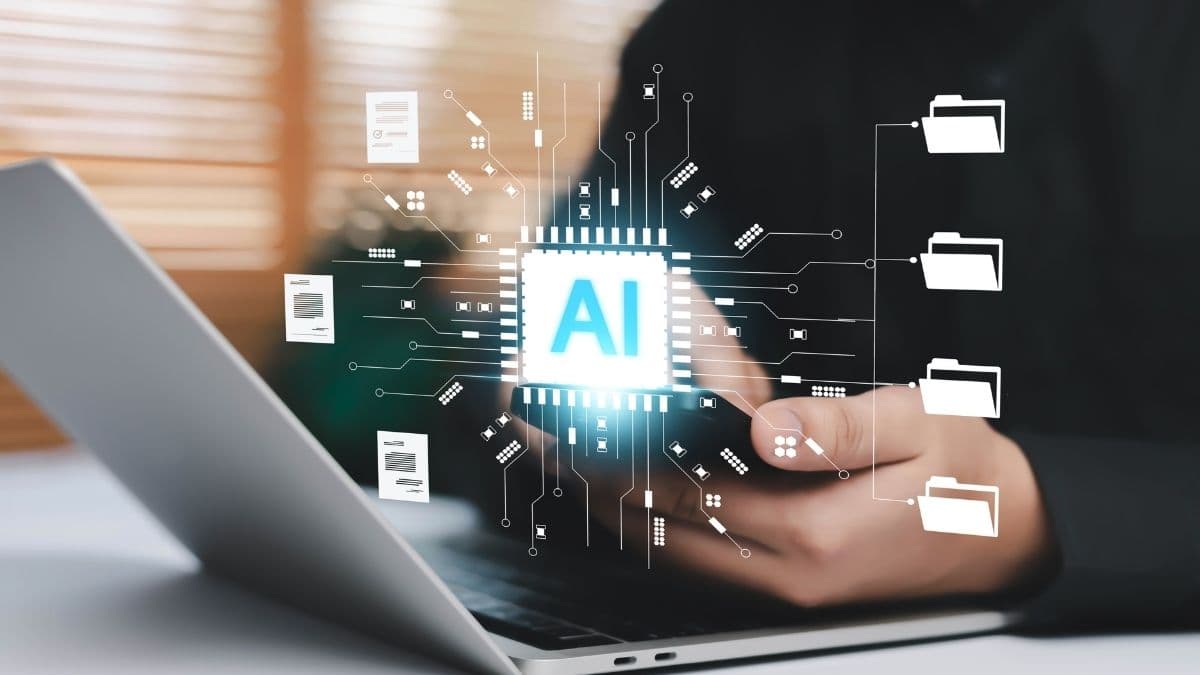
A fundamental shift is underway in the technology industry as leading companies move artificial intelligence from isolated applications into the very fabric of their devices and software. Google, Samsung, Meta, and HP are among the major players now embedding AI directly into hardware and operating systems, marking a departure from the standalone AI chatbot model that dominated the past year. This evolution promises to make AI interactions more intuitive and contextually aware, with capabilities built into the core user experience rather than accessed through a separate app.
Google has been at the forefront of this transition with its Pixel devices, which now feature AI-driven functionalities like call screening, photo editing, and real-time translation directly integrated into the operating system. Samsung's Galaxy AI suite similarly embeds generative AI into its smartphones and tablets, enabling tasks such as live call translation and advanced photo editing without requiring third-party apps. These features leverage on-device processing to reduce latency and enhance privacy, as data does not need to be sent to the cloud.
Meta is taking a different approach by integrating its Llama AI model into its Ray-Ban smart glasses and Quest VR headsets, allowing for hands-free, context-aware assistance. HP has announced AI-enhanced PCs that use neural processing units (NPUs) to accelerate tasks like video conferencing, content creation, and data analysis locally. These devices can run AI models directly on the hardware, reducing reliance on cloud connectivity and improving responsiveness.
This hardware-level integration represents a significant departure from the current trend of AI chatbots like ChatGPT and Bard, which require users to open a separate app or website. By embedding AI into the device's core functions, companies aim to create a more seamless experience where AI anticipates user needs rather than waiting for commands. For example, a smartphone might automatically suggest replies based on text content or adjust camera settings for optimal photos without explicit user input.
The shift is driven by advancements in specialized chips, such as NPUs and tensor processing units, that can efficiently run AI models on devices. This allows for faster processing and better battery life compared to relying on cloud servers. Additionally, on-device AI enhances privacy, as sensitive data can be processed locally without being transmitted over the internet. This is particularly important for applications like health monitoring or personal assistants.
Users can expect to see these integrated AI features across a wide range of devices, from high-end smartphones to budget laptops. Google's Pixel 8 series and Samsung's Galaxy S24 line already showcase these capabilities, while HP's new AI PCs are slated for release later this year. Pricing varies, with AI-enhanced devices typically commanding a premium of $100 to $300 over standard models, though this gap is expected to narrow as the technology becomes more widespread.
Despite the rapid integration, there are still unknowns regarding how these embedded AI systems will handle complex tasks that require cloud resources, as well as potential issues with transparency and user control. Companies are expected to provide more details on the limitations and privacy implications of on-device AI in the coming months. As the technology matures, the line between hardware and AI software will continue to blur, fundamentally changing how we interact with our devices.
Pope Leo XIV Establishes Commission to Examine AI Ethics Ahead of First Encyclical
Pope Leo XIV has formed a new commission to study the ethical implications of artificial intelligence, signaling the Vatican's deepening engagement with technology. The group's findings are expected to inform the Pope's first encyclical, which will address AI's impact on society.

Pope Leo XIV has established a special commission to examine the ethical dimensions of artificial intelligence, reflecting his longstanding concern about the technology's societal impact. The announcement comes as the Vatican prepares to release the Pope's first encyclical, which is widely anticipated to include guidance on AI. The commission, composed of theologians, ethicists, and technology experts, will explore how AI aligns with human dignity and the common good.
The commission will focus on key issues such as algorithmic bias, data privacy, and the potential for AI to exacerbate inequality. Its members will also consider the moral implications of autonomous systems, including their use in warfare, healthcare, and decision-making processes. The group is expected to produce a series of recommendations that could shape Vatican policy and Catholic teaching on AI.
This initiative builds on previous Vatican efforts to engage with technology, including Pope Francis's 2020 call for a global agreement on AI ethics. The new commission will operate under the Pontifical Academy for Life, which has already hosted conferences on AI and robotics. By forming this group, Pope Leo XIV aims to ensure that AI development remains human-centered and respects fundamental rights.
The timing of the commission's formation is significant, as the European Union and other governments are drafting regulations to govern AI. The Vatican's input could influence these debates, particularly on questions of human autonomy and moral responsibility. The commission's work may also intersect with discussions at the United Nations, where the Holy See has advocated for ethical AI frameworks.
For Catholics and the broader public, the commission's findings could provide moral clarity on emerging technologies. The Pope's encyclical, once released, will offer guidance on how to navigate the challenges and opportunities presented by AI. This document will likely be studied by policymakers, tech leaders, and religious communities worldwide.
The commission has not yet announced a timeline for its report, but it is expected to deliver preliminary findings within a year. The Vatican has emphasized that the group's work will be transparent and inclusive, inviting input from diverse stakeholders. As AI continues to advance rapidly, the commission's ethical framework could become a reference point for responsible innovation.
While the commission's recommendations are non-binding, they carry moral authority within the Catholic Church and beyond. The Pope's engagement with AI underscores the growing recognition that technology must be guided by ethical principles. The coming months will reveal how the Vatican's vision for human-centered AI translates into concrete policy and practice.
B2B Marketing Summit Highlights AI and Digital Transformation in APAC
The B2B Marketing Summit at Marina Bay Sands convened top APAC marketing executives to discuss the future of B2B marketing, AI, and digital transformation. Key takeaways include the integration of AI into marketing strategies and the acceleration of digital transformation across the region.

The B2B Marketing Summit recently took place at Marina Bay Sands, gathering leading marketing executives from across the Asia-Pacific region. The event focused on high-level discussions about the future of B2B marketing, artificial intelligence, and digital transformation. Attendees shared insights on how these technologies are reshaping the marketing landscape.
One of the key themes was the integration of artificial intelligence into marketing strategies. Speakers highlighted how AI can automate repetitive tasks, analyze customer data more efficiently, and personalize marketing campaigns at scale. Examples included AI-powered chatbots for customer service and predictive analytics for lead scoring.
Digital transformation was another major topic, with executives discussing how companies are moving from traditional to digital-first approaches. This includes adopting cloud-based tools, leveraging data analytics, and implementing omnichannel strategies to reach customers. The need for agility and continuous learning was emphasized.
Comparisons were drawn between B2B and B2C marketing, noting that while B2C often leads in adopting new technologies, B2B is catching up rapidly. Use cases from various industries, such as fintech, healthcare, and manufacturing, illustrated how AI and digital tools are being applied to solve specific business challenges.
The summit also addressed the skills gap in marketing teams, with a call for upskilling in data analysis and AI literacy. Executives shared strategies for building cross-functional teams that combine marketing expertise with technical knowledge. The importance of a customer-centric approach was reiterated.
User impact was discussed in terms of how these changes affect end customers. For example, AI-driven personalization can lead to more relevant offers and faster response times. However, concerns about data privacy and the need for transparent AI usage were also raised.
Looking ahead, the summit identified several unknowns, such as the long-term impact of generative AI on content creation and the evolving role of human marketers. Attendees expected further integration of AI into marketing automation and a continued push towards data-driven decision-making. The next summit is anticipated to delve deeper into these emerging trends.