
China Targets Zero-Gravity Seats in Latest Crackdown on EV Comfort Features
China is reviewing zero-gravity seats in electric vehicles over safety concerns, following previous restrictions on hidden door handles and large screens. The move is part of a broader effort to curb excessive comfort trends in EVs.
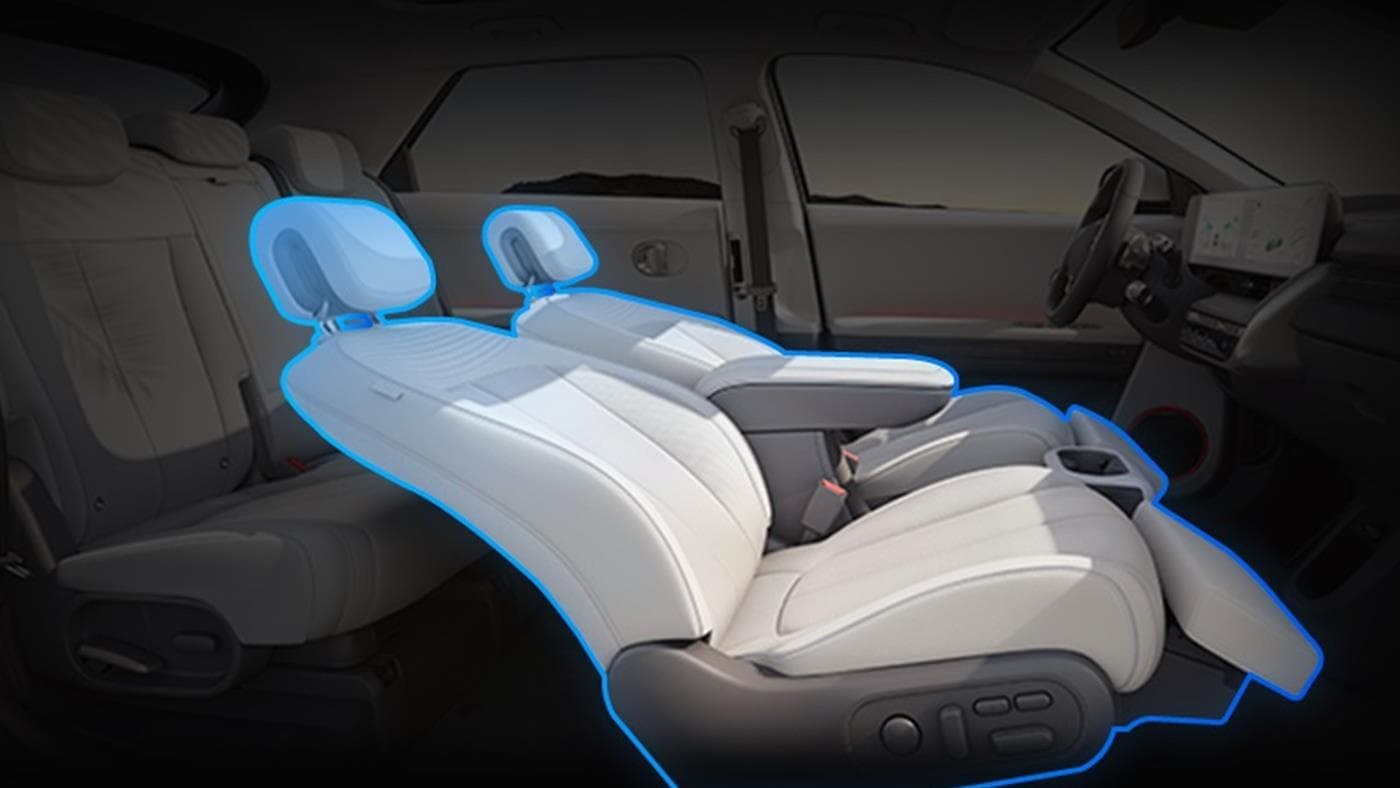
China is intensifying its scrutiny of electric vehicle features, with zero-gravity seats now under review for safety reasons. The move follows earlier restrictions on hidden door handles and oversized screens, as regulators aim to curb what they see as excessive comfort trends that may compromise safety.
Zero-gravity seats, which recline to distribute body weight evenly and reduce pressure points, have become a popular selling point for many EV makers. However, Chinese authorities are concerned that these seats may not provide adequate protection during collisions, particularly in rear-end crashes.
The review is part of a broader regulatory push by China's Ministry of Industry and Information Technology to ensure that vehicle features prioritize safety over novelty. Earlier this year, the ministry issued guidelines discouraging the use of hidden door handles and large central displays that could distract drivers.
Automakers including Nio, Li Auto, and Xpeng have heavily marketed zero-gravity seats as a luxury feature in their models. The seats are often paired with other comfort amenities such as massage functions and leg rests, creating a lounge-like experience for passengers.
Industry analysts note that while zero-gravity seats are designed for relaxation, they may not meet crash safety standards if they fail to keep occupants properly restrained. The seats typically recline significantly, which could increase the risk of submarining—where a passenger slides under the seatbelt during a crash.
China's regulatory crackdown on EV comfort features reflects a growing tension between innovation and safety. The country's EV market has seen rapid growth, with manufacturers competing to differentiate their vehicles through unique features. However, regulators are increasingly stepping in to ensure that these features do not compromise fundamental safety requirements.
The review of zero-gravity seats is still in its early stages, and no formal ban has been announced. Automakers are expected to work with regulators to address safety concerns, potentially through design modifications or additional testing requirements.
China's Ministry of Industry and Information Technology has not yet issued a public statement on the matter. The review is expected to conclude in the coming months, with potential implications for both domestic and foreign automakers selling EVs in China.
2027 Audi RS5 first drive: A performance PHEV with split personalities
Audi's 2027 RS5 combines a turbocharged V6 with an electric motor, offering a dual-personality driving experience. The car features RS5-specific bodywork with widened arches and aggressive styling cues.
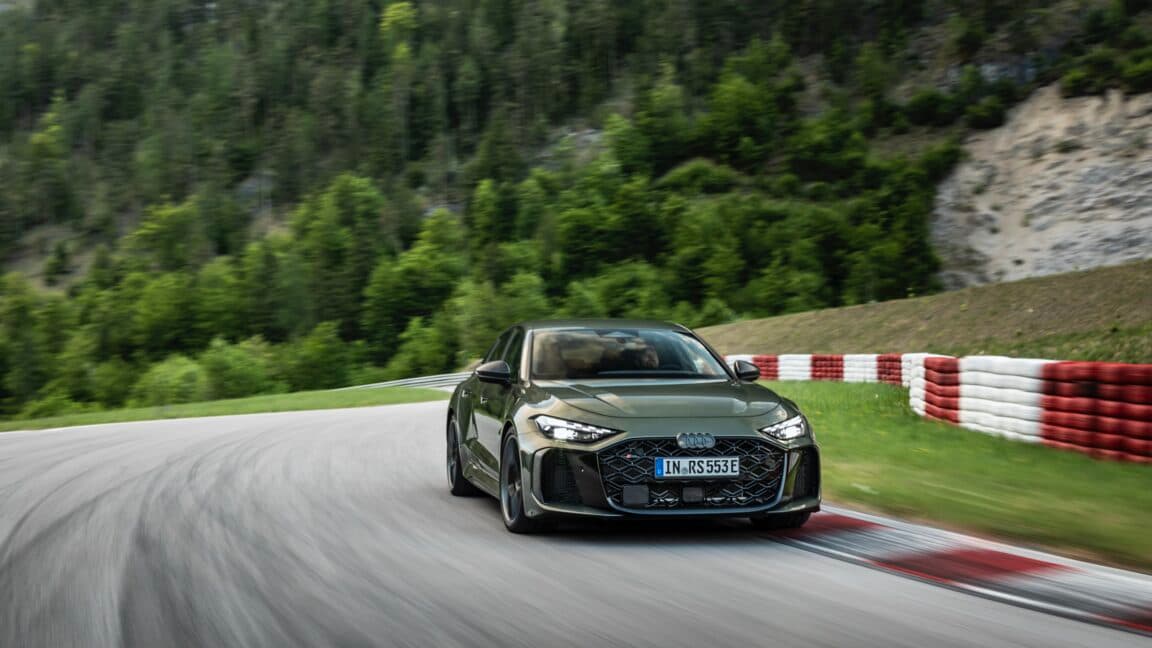
Audi provided flights from Washington, DC, to Munich, Germany, and accommodation so Ars could drive the RS5. Ars does not accept paid editorial content. SAALFELDEN, Austria—Audi may have built a reputation for technology over the years, either pioneering or early-adopting things like all-wheel drive, direct-injection engines, and so on. But it's also true that along the way it has earned a bit of a reputation for cars that look good inside and out but maybe aren't the most exciting things on four wheels. Not so for the models reworked by Audi Sport, the company's motorsports division, which now also spends its time building the company's new Formula 1 power units. And like those latest F1 cars, its newest RS5 road car also marries together a turbocharged V6 and an electric motor. How convenient.
The underlying chassis of the new RS5 is shared with the A5 that we first drove last summer, but the only common body panels between the lesser A5 and this car is the hood; everything else is RS5-specific. Aggressive wheel arch blisters add more than 3.5 inches (90 mm) of width compared to the A5, and massive air intakes dominate the front fascia. At the rear, a pair of large oval exhaust pipes are set into a diffuser. Oh, and you don't get those kinds of carbon-fiber accents on a regular A5. Perhaps my favorite styling detail? The rear OLED tail lights have a checkered flag pattern (as do the daylight running lights up front).
Under the hood, the RS5 employs a 2.9-liter twin-turbo V6 that produces 450 horsepower and 442 lb-ft of torque. That engine is paired with a single electric motor integrated into the eight-speed automatic transmission, contributing an additional 184 horsepower and 228 lb-ft of torque. Total system output reaches 630 horsepower and 627 lb-ft of torque, though Audi notes that the combined figures are not simply additive due to the hybrid system's characteristics. The electric motor draws power from a 14.4 kWh lithium-ion battery pack mounted under the rear seats.
Drivers can select from several drive modes that alter the car's behavior. In EV mode, the RS5 can travel up to 30 miles on electric power alone, with a top speed of 84 mph. The default hybrid mode balances efficiency and performance, while a Sport mode prioritizes power delivery and keeps the engine running. A dedicated RS mode sharpens throttle response, stiffens the adaptive dampers, and activates a boost function for maximum acceleration. The transition between electric and gasoline power is seamless, with the electric motor filling in torque gaps before the turbos spool.
On the road, the RS5 exhibits a split personality. In its gentler settings, it cruises quietly and comfortably, masking its performance potential. But when provoked, the car transforms into a sharp, responsive machine. The all-wheel-drive system, which can send up to 85 percent of torque to the rear axle, helps the RS5 rotate through corners with precision. The steering is direct and well-weighted, though it lacks some feedback. The brakes, with 15.7-inch front discs and six-piston calipers, provide strong stopping power.
Audi has also revised the interior for the RS5, adding RS-specific displays and controls. The 12.3-inch digital instrument cluster includes a lap timer and g-force meter, while the 10.1-inch infotainment screen features RS-specific graphics. The front seats are heavily bolstered and offer excellent support during spirited driving. Rear seat space is adequate for two adults, though the sloping roofline limits headroom. Cargo capacity stands at 12.0 cubic feet, slightly less than the standard A5 due to the hybrid battery.
Pricing for the 2027 Audi RS5 starts at $87,500, including destination. The car is expected to arrive at US dealerships in late 2026. Audi has not yet announced official EPA fuel economy ratings, but estimates suggest a combined rating of around 25 mpg when the battery is depleted. The RS5 competes with the BMW M4 Competition and Mercedes-AMG C63 S E Performance, both of which also offer hybrid powertrains.
Audi's RS5 represents a significant step in the brand's electrification strategy, blending high performance with hybrid efficiency. The car's ability to switch between silent electric cruising and explosive V6 power gives it a unique character in the segment. With its aggressive styling and advanced technology, the RS5 aims to satisfy both daily driving needs and weekend track ambitions.

Ferrari and Lamborghini Clash in Electric Supercar Battle
Ferrari unveiled its first all-electric supercar, the Luce, priced at $640,000, intensifying competition with Lamborghini in the luxury EV segment. The move marks a pivotal shift for the Italian automaker as it balances tradition with green transformation.
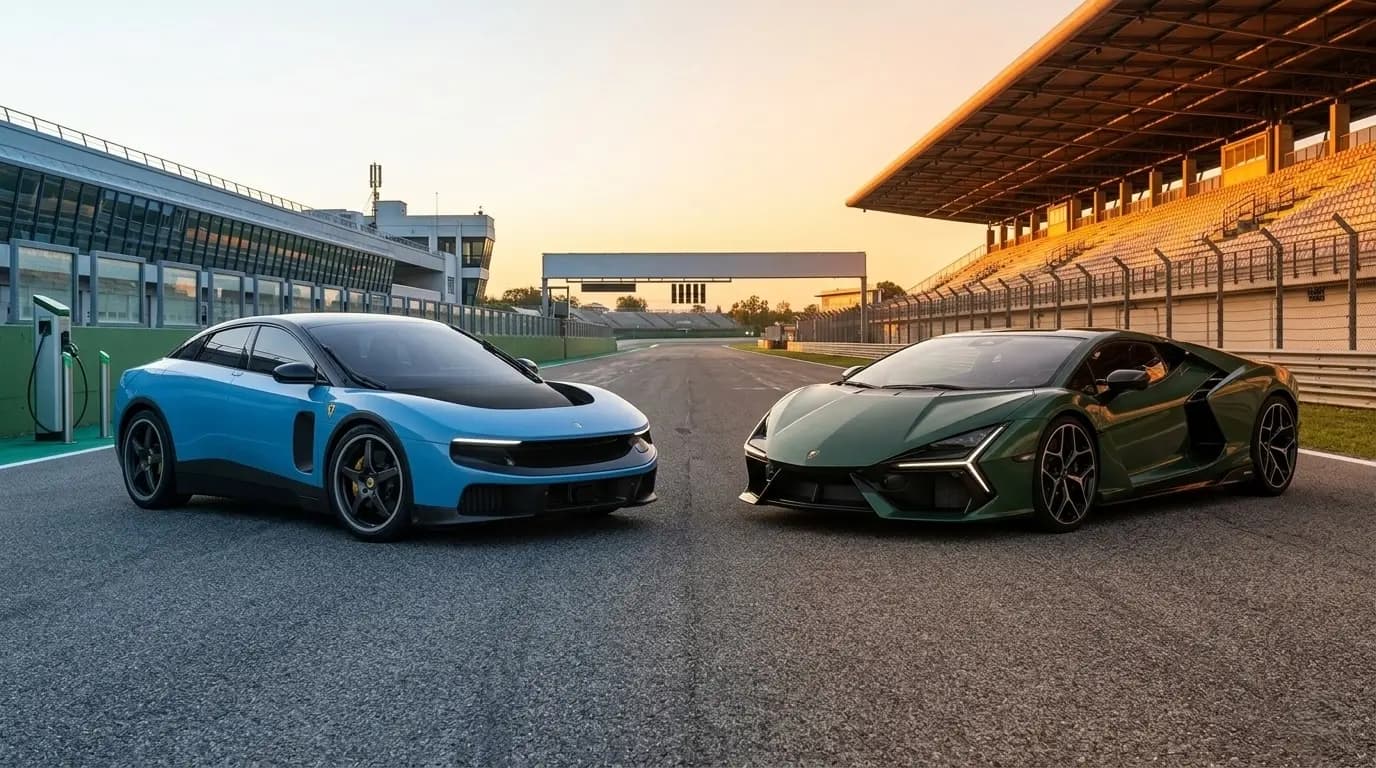
The automotive world is witnessing a historic power struggle that could fundamentally reshape the future of the luxury segment. The divergence between Italian giants over preserving traditional spirit and embracing green transformation is leading to a redistribution of cards in the super sports car market. Ferrari's introduction of the Luce, its first fully electric supercar, at a price of $640,000 has triggered an unprecedented crisis in the industry.
Ferrari's Luce represents a significant departure from the company's heritage of high-performance internal combustion engines. The model is designed to deliver exceptional speed and handling while meeting stringent emissions regulations. Technical details remain scarce, but the vehicle is expected to feature advanced battery technology and electric motors that provide instant torque and acceleration.
Lamborghini, Ferrari's historic rival, has also been developing electric powertrains but has taken a different approach. The company has focused on hybrid systems as a bridge to full electrification, with models like the Revuelto combining V12 engines with electric motors. Lamborghini executives have expressed caution about going fully electric, citing concerns about brand identity and customer expectations.
The pricing of the Luce at $640,000 positions it as a direct competitor to Lamborghini's upcoming electric models, which are expected to be similarly priced. Both companies are targeting ultra-high-net-worth individuals who demand exclusivity and performance. The electric supercar segment is still nascent, but analysts predict rapid growth as emissions regulations tighten and battery technology improves.
Ferrari's decision to launch the Luce now is partly driven by regulatory pressures in key markets like Europe and China, where bans on new internal combustion engine vehicles are approaching. The company has committed to having 40% of its sales be fully electric by 2030. Lamborghini, meanwhile, plans to introduce its first fully electric model by 2028, with a focus on maintaining the emotional connection of its gasoline-powered cars.
Production of the Ferrari Luce is set to begin in 2025 at the company's Maranello factory. Deliveries are expected to start in early 2026, with a limited production run to ensure exclusivity. Lamborghini has not yet announced a specific launch date for its electric supercar but is expected to reveal more details later this year.
Industry observers note that the battle between Ferrari and Lamborghini extends beyond technology to brand philosophy. Ferrari emphasizes innovation and performance, while Lamborghini stresses drama and emotion. Both approaches have loyal followings, and the success of their electric models will depend on how well they translate these values into the EV era.
Ferrari CEO Benedetto Vigna stated that the Luce represents "a new chapter in our history, combining our racing DNA with the possibilities of electric power." Lamborghini CEO Stephan Winkelmann countered that "electric must not dilute the soul of a supercar; we will take the time to get it right." The coming years will reveal which strategy prevails in the high-stakes electric supercar market.

Mercedes GLB 200+ AMG Test: Electric SUV Charges in 22 Minutes
Mercedes-Benz tested the GLB 200 Plus electric SUV in Kemaliye, Erzincan, highlighting its 22-minute fast charging capability. The matte black test vehicle is one of the brand's most affordable fully electric SUV options.

Mercedes-Benz conducted a test drive of the GLB 200 Plus electric SUV in the scenic Kemaliye district of Erzincan, situated along the Euphrates River. The vehicle, finished in matte black, represents one of the most accessible fully electric options in the brand's SUV lineup.
The GLB 200 Plus supports fast charging that replenishes the battery in 22 minutes. This rapid charging capability positions the model as a practical choice for drivers seeking minimal downtime during long journeys.
The test focused on the vehicle's performance in real-world conditions, including driving along riverside roads. The SUV's electric powertrain delivered quiet operation and instant torque, characteristics typical of battery-electric vehicles.
Mercedes-Benz positions the GLB 200 Plus as an entry-level electric SUV within its portfolio. The model combines the practicality of a compact SUV with the benefits of zero-emission driving.
The vehicle's interior features a modern design with a large infotainment display and digital instrument cluster. Passenger space remains generous for a vehicle in this segment, with seating for up to seven occupants in certain configurations.
Pricing for the GLB 200 Plus starts at approximately €45,000 in European markets. The model is available for order in select countries, with deliveries expected to begin in the coming months.
Mercedes-Benz continues to expand its electric vehicle lineup, with the GLB 200 Plus serving as a gateway model for customers transitioning from internal combustion engines. The company states that the 22-minute charging time significantly reduces range anxiety for daily use.
Alfa Romeo Giulietta Returns with Electrified Powertrain and Redesign
Alfa Romeo is reviving the Giulietta hatchback with electrified engine options and a new design. The model is expected to launch in 2025.
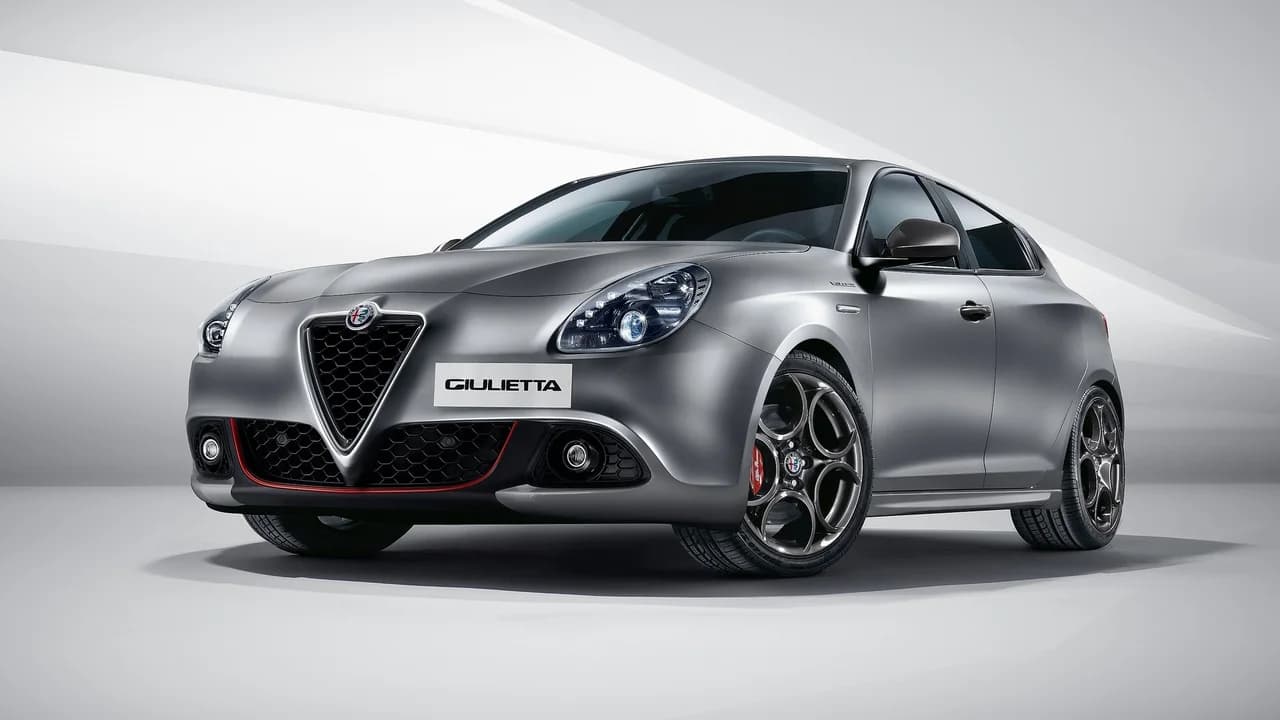
Alfa Romeo has confirmed the return of its popular hatchback, the Giulietta, which will feature electrified powertrain options and a refreshed design. The announcement was made during a press event in Milan on Tuesday. The new Giulietta is slated to arrive in dealerships by early 2025.
The vehicle will be built on the Stellantis STLA Medium platform, which supports both hybrid and fully electric configurations. Alfa Romeo has not disclosed specific powertrain details but stated that the Giulietta will offer a plug-in hybrid variant and a pure electric version. The electric model is expected to have a range of approximately 400 kilometers.
Design cues draw inspiration from the Tonale SUV, including the signature triangular grille and sleek LED headlights. The hatchback retains a sporty silhouette with a sloping roofline and muscular rear fenders. Interior updates include a 12.3-inch digital instrument cluster and a 10.25-inch infotainment screen with wireless Apple CarPlay and Android Auto.
Alfa Romeo CEO Jean-Philippe Imparato said the Giulietta nameplate holds strong emotional value for the brand. The model was originally produced from 2010 to 2020 and sold over 1 million units globally. The new version aims to recapture that success in the compact premium segment.
Pricing for the Giulietta will start at approximately €35,000 for the hybrid variant, with the electric version expected to start around €45,000. The car will be produced at the Cassino plant in Italy. Pre-orders are set to open in the fourth quarter of 2024.
Alfa Romeo plans to offer the Giulietta in multiple trim levels: Sprint, Veloce, and a top-spec Competizione. The Veloce trim will feature adaptive suspension and upgraded brakes. A limited launch edition called "Prima Serie" will be available at launch, distinguished by unique badging and 19-inch wheels.
The Giulietta will compete with models like the BMW 1 Series, Mercedes-Benz A-Class, and Audi A3. Alfa Romeo expects the electrified options to attract buyers seeking performance with lower emissions. The company has not yet announced availability for markets outside Europe.
Deliveries of the new Giulietta are scheduled to begin in March 2025. Alfa Romeo confirmed that the model will be sold in over 40 countries, with additional markets to be announced closer to launch.